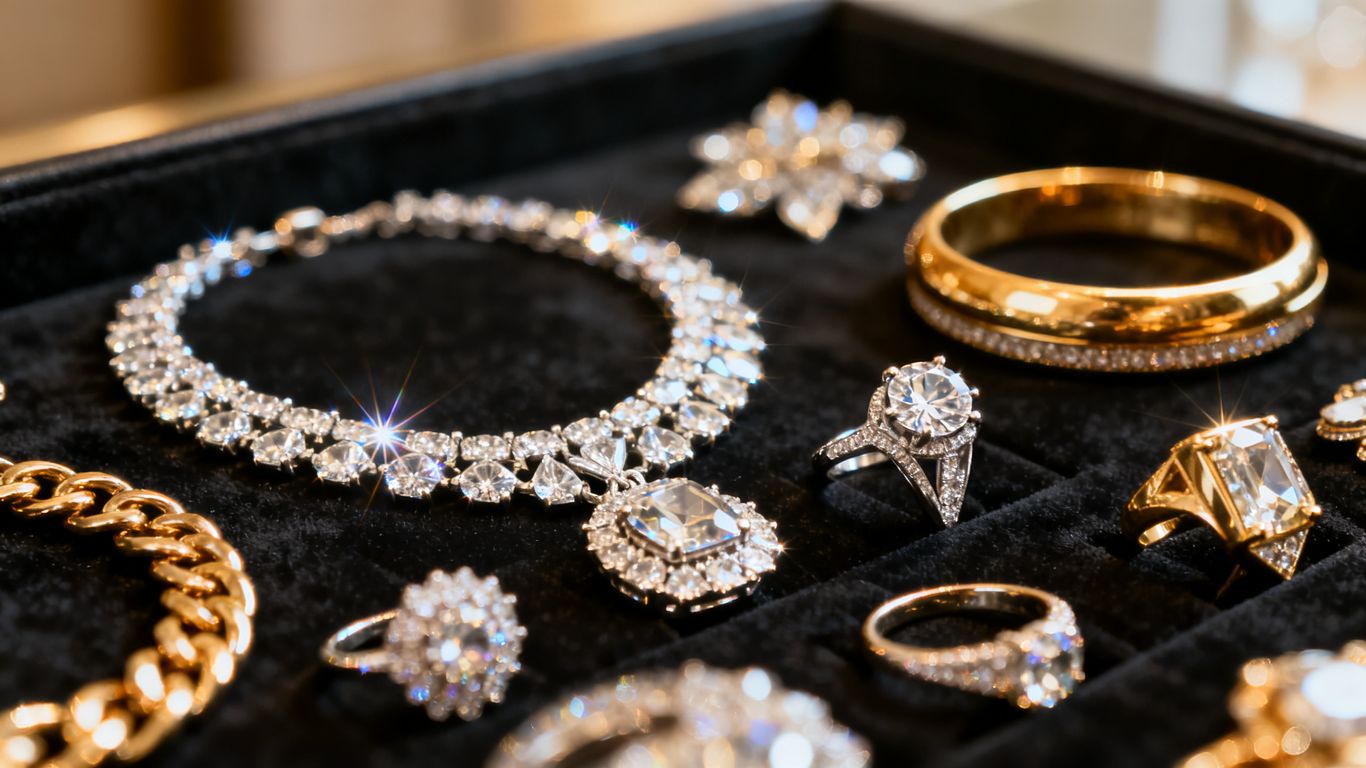
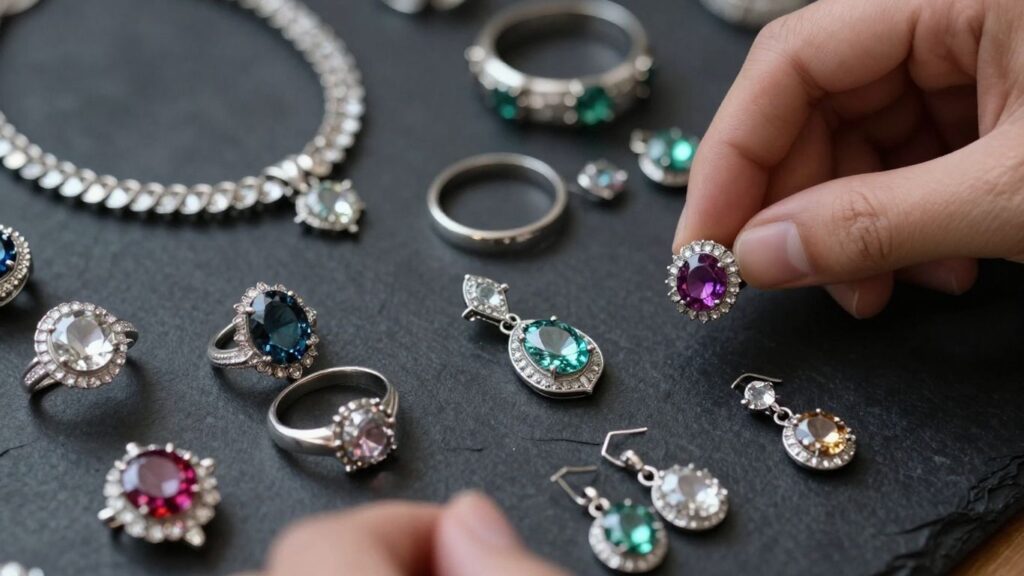
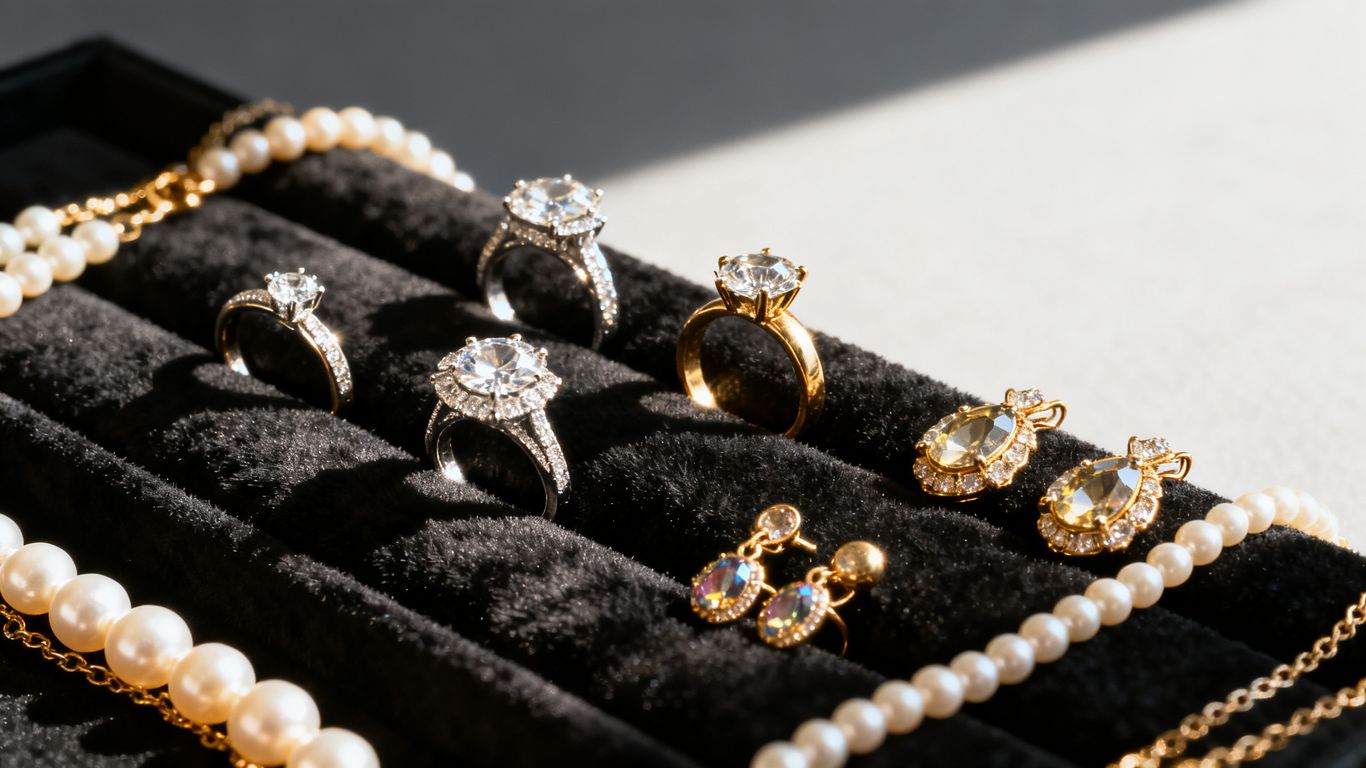
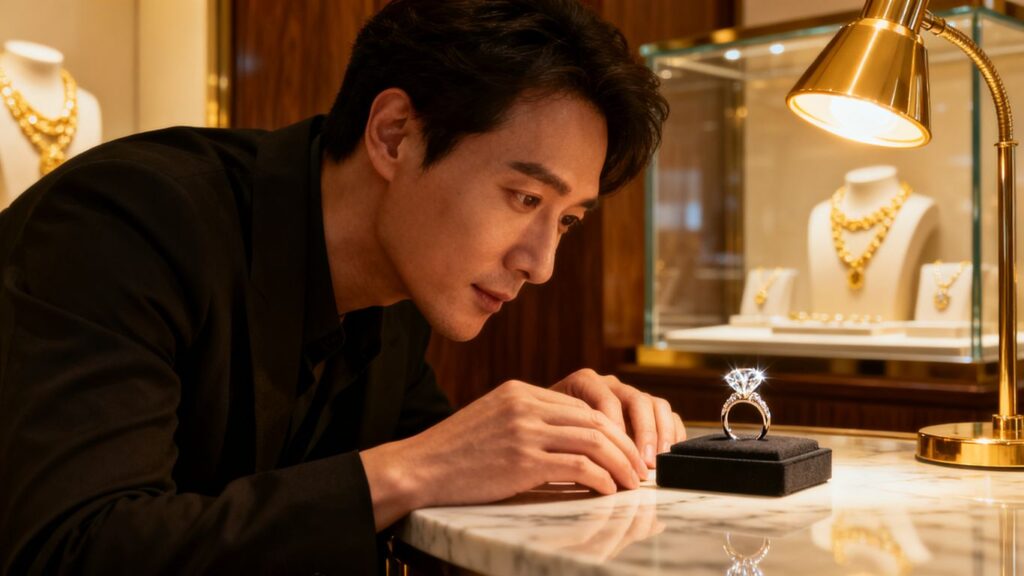
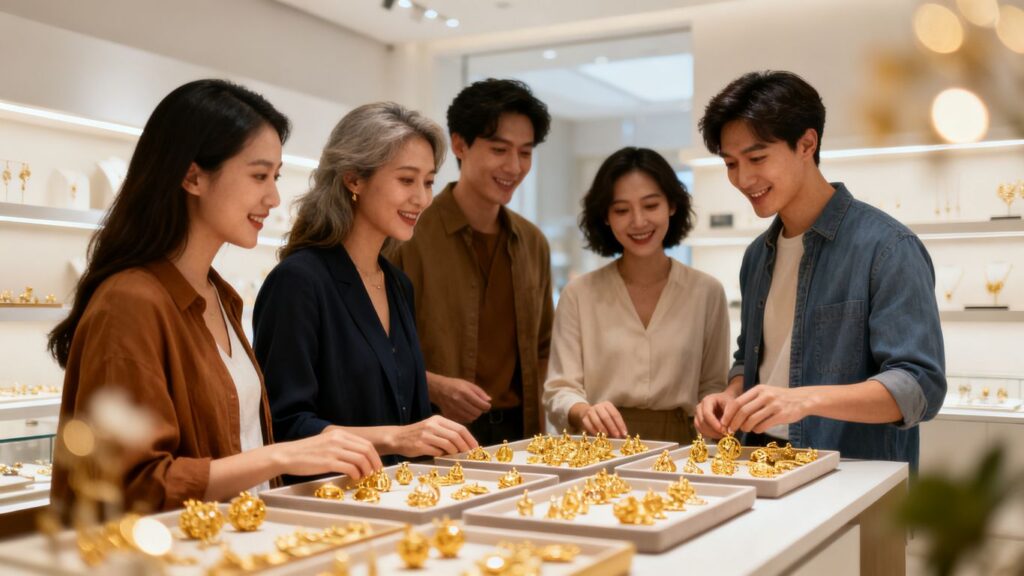
Welcome to our Jewellery news, your one-stop-shop for all things glittering and precious. We are dedicated to delivering extensive and unbiased jewellery reviews, expert buying advice, the latest deals, and exclusive coupons. We explore everything from the sparkling advantages of buying jewellery online to the top brands for everyday style and all budgets.
Jewelry has always been more than just an accessory. From the royal courts of Europe to the modern red carpets of Hollywood, certain names have become synonymous with luxury and craftsmanship. Exploring the history of these legendary brands reveals how they transformed raw gemstones into wearable art that still influences our style today.
Key takeaways
Cartier became known as the “Jeweler of Kings” for its royal connections and iconic panther motifs.
Tiffany & Co. set the global standard for engagement rings with its signature six-prong setting.
Brands like Bvlgari and Boucheron draw inspiration from deep historical roots, particularly Roman architecture and Parisian fashion.
The use of sustainable materials and unique gemstone settings, such as Van Cleef & Arpels’ mystery setting, defines modern luxury.
The pioneers of luxury
Cartier, founded in Paris in 1847, holds a special place in history. Beyond their famous Tiaras, they essentially invented the modern men’s wristwatch with the Santos in 1904. The brand’s mastery of the panther motif and their bold Tutti Frutti collection remain iconic examples of how to blend nature with high fashion. Similarly, Tiffany & Co. turned a simple blue box into a global cultural phenomenon. Their evolution from a New York store to a worldwide powerhouse is anchored in their ability to mix whimsy with precision, most notably through their legendary diamond settings.
Masters of color and design
When you think of color, Bvlgari immediately comes to mind. Founded in Rome in 1884, they took the city’s ancient architectural shapes and breathed life into them with vibrant, large gemstones. Their serpenti line, which mimics the coil of a snake, remains one of the most recognizable designs in the world.
Van Cleef & Arpels takes a different approach by focusing on technical innovation. Their “mystery setting” allows gemstones to appear as if they are floating, completely hiding the metalwork. It’s this kind of creative thinking that turned simple clover shapes into the beloved Alhambra collection, proving that elegance is often found in simplicity.
Cinema, red carpets, and the spotlight
High-end jewelry often finds its home on the silver screen. Brands like Chopard and Harry Winston have built their reputations by becoming the “jewelers to the stars.”
Brand
Known For
Key Innovation
Chopard
Playful Elegance
Happy Diamonds collection
Harry Winston
Statement Clusters
Hollywood red carpet styling
Mikimoto
Pearl Mastery
Cultivated pearls
Harry Winston, in particular, changed the game by being the first to loan diamonds to an Oscar nominee in 1944. Today, that practice is the standard for every major red carpet event.
Modernity meets tradition
It isn’t just about the old guard. Brands like Boucheron and Pomellato are finding ways to stay relevant for a new generation. Boucheron, the first jeweler on the Place Vendôme in Paris, continues to push boundaries with changeable designs and ceramic materials. Meanwhile, Pomellato has carved out a niche by focusing on sustainable practices and chunky, colorful rings like the Nudo collection, which feels both modern and comfortable to wear.
At BuyJewelleryOnline.net, we believe that understanding the story behind your jewelry makes every piece more meaningful. Whether you are looking for an investment-grade diamond or a classic piece for a special occasion, knowing the history of your chosen brand helps you make an informed decision that you will cherish for years.
Jewelry retailers across the United States are grappling with a surge in brazen smash-and-grab robberies. From shopping mall kiosks in California to specialty stores in Maryland, these coordinated attacks have resulted in significant inventory losses and sparked urgent conversations regarding security for both business owners and jewelry enthusiasts globally.
Recent incidents underscore industry risks
Multiple smash-and-grab jewelry kiosk robberies occurred recently in Concord and Bowie, resulting in quick police action and several arrests.
Large-scale retail theft rings in Southern California have faced severe legal consequences, highlighted by a recent 16-year prison sentence for a primary theft ring organizer.
Security for both professional retailers and private jewelry collectors remains a critical priority as these incidents continue to influence public safety discussions.
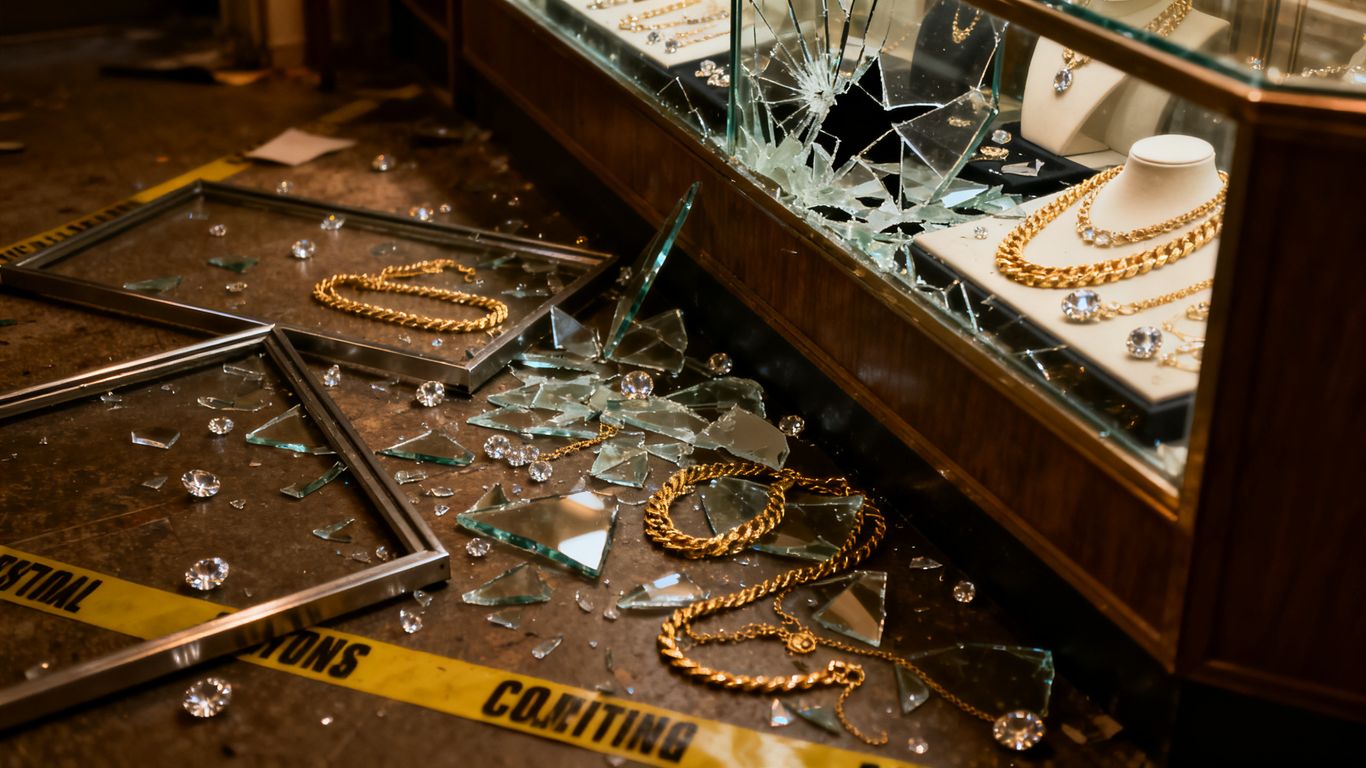
In recent weeks, retail outlets across the country have fallen victim to increasingly calculated thefts. In Concord, California, law enforcement officers apprehended five suspects shortly after they used force to shatter display cases at a local mall kiosk. The incident, which involved the use of pepper spray, mirrors a similar, highly coordinated break-in in Bowie, Maryland, where surveillance footage captured masked thieves emptying display cases in under five minutes. These events illustrate a recurring pattern where groups target visible jewelry, including watches, silver, and gold, for quick resale.
Law enforcement response and sentencing
Authorities are intensifying their efforts to dismantle organized retail crime. In Southern California, the Attorney General’s Office successfully secured a 16-year sentence for an individual responsible for orchestrating over 14 jewelry heists, which resulted in $1.5 million in losses for various retailers. Officials maintain that such significant sentencing is a necessary component of the fight against retail theft networks that threaten both small businesses and the safety of the shopping public. Collaborative efforts between local police and state task forces have proven effective in identifying suspects and recovering stolen merchandise.
Protecting your collection and retail safety
For individuals who treasure their jewelry collections—ranging from investment-grade gold to everyday zircon pieces—these crimes serve as a sobering reminder of the importance of vigilance. At BuyJewelleryOnline.net, we recognize that jewelry is not just an aesthetic choice; it often holds significant cultural and personal value. Protecting these items is as important as choosing the right style for an upcoming wedding or festival. We recommend that all jewelry owners prioritize secure storage solutions, such as high-quality lockboxes or hidden safes, to safeguard their valuables. As retail environments navigate these ongoing security challenges, maintaining awareness and investing in secure storage is the most effective way to ensure that your collection remains protected against unforeseen threats.
Finding the right present can be challenging, but moving toward accessories often reveals surprisingly elegant solutions. Jewelry for men has evolved significantly, offering a range of styles that cater to both minimalist tastes and bold fashion statements. Choosing to gift a piece of jewelry signals a deeper level of thoughtfulness, as it represents a gift that he can keep and cherish for years to come instead of something ephemeral.
Personal style plays a major role in how men perceive accessories, and a well-chosen piece can often become a signature element of his daily wardrobe. Whether it is a subtle band or a more intricate piece, jewelry helps him express his individuality. You might find that a subtle metallic accent adds just the right level of polish to his professional attire, making it a functional upgrade as well as an aesthetic one.
Durability remains a core concern, which is where high-quality materials prove their worth in long-term wear. Accessing resources like our comprehensive shopping guide ensures you select items that stand up to daily use. Beyond the physical qualities, the act of giving a gift that lasts is a powerful way to commemorate life’s milestones, making your gesture memorable long after the initial occasion has passed.
Types of Jewelry Gifts for Him
Exploring the diverse world of men’s accessories can be a rewarding experience when you know what category fits his lifestyle. From understated pieces to statement designs, the options are as varied as the personalities they represent.
#image_title
Rings: A Classic Choice
Rings serve as perhaps the most enduring symbol of commitment and personal style for men. Whether looking for a simple titanium band or a detailed signet piece, rings offer a refined look that coordinates well with modern fashion. Many men prefer designs that are comfortable enough for daily wear, highlighting the importance of fit and weight.
Bracelets: Stylish and Versatile
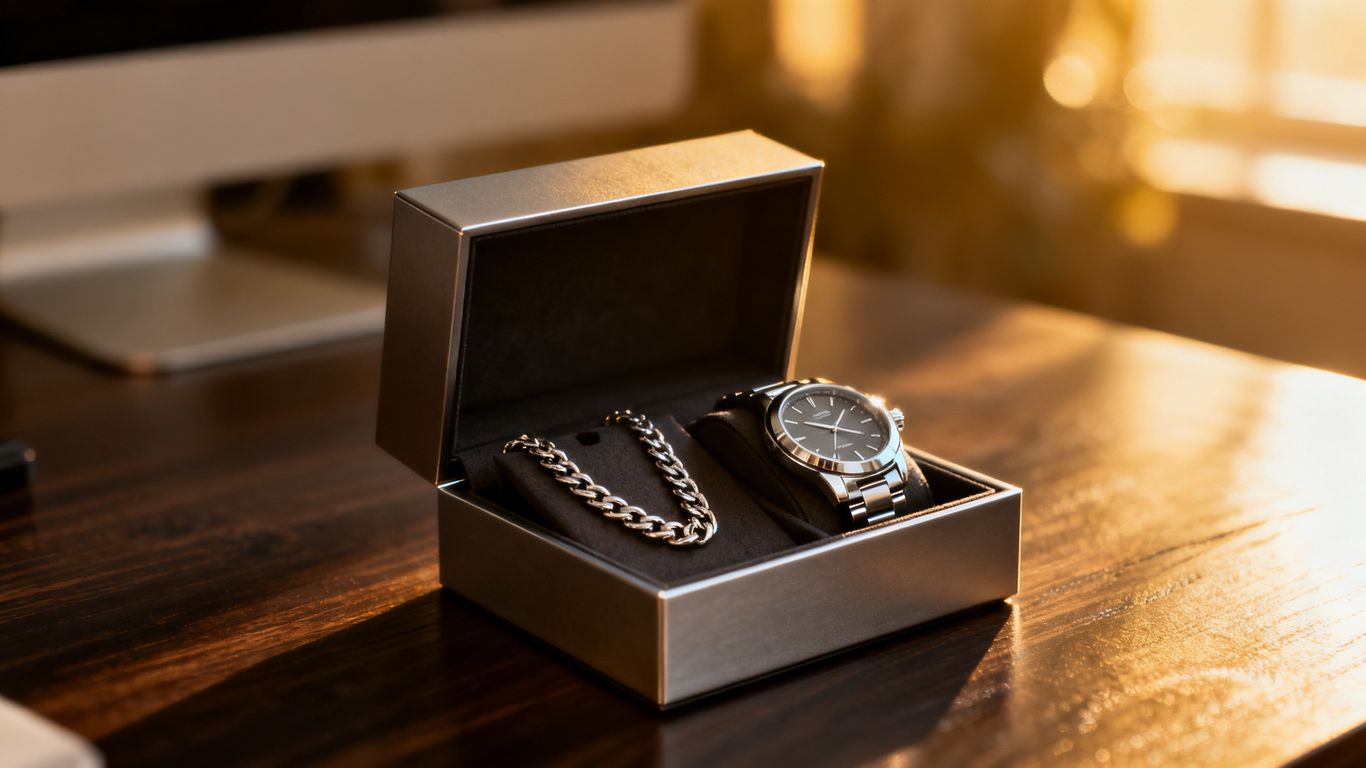
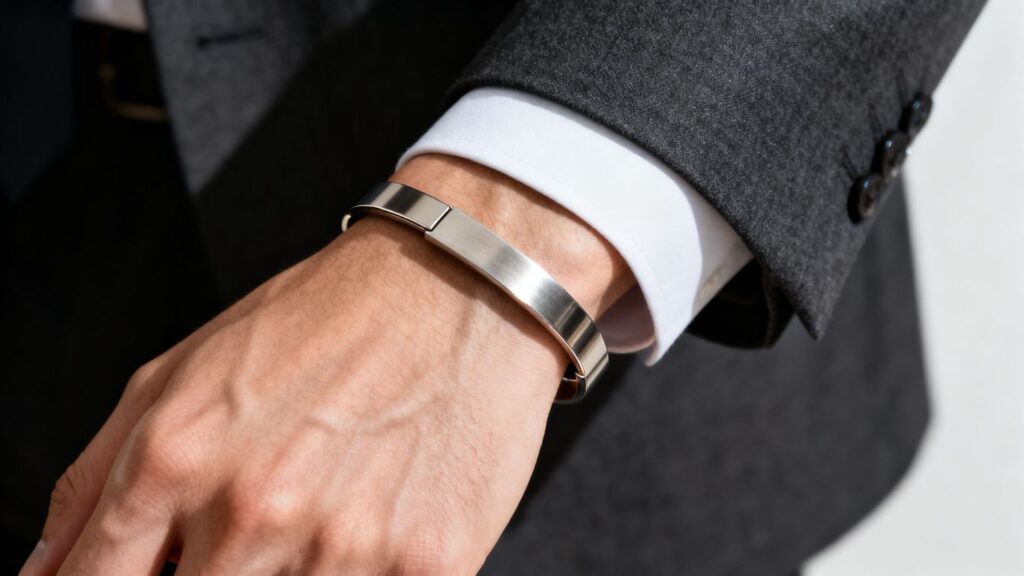
Bracelets are often considered one of the easiest ways for men to start accessorizing without feeling overwhelmed. You can explore stylish bracelets that fit comfortably alongside a watch or stand on their own. Leather bands, metal chains, and beaded styles provide texture and intrigue, making them exceptionally versatile for different settings.
Necklaces: Personal and Meaningful
Necklaces allow for a more intimate expression, as they can often be tucked under a shirt or worn as a visible statement piece. Choosing a high-quality necklace jewellery set is a great way to mark a special milestone. Look for designs that feature meaningful symbols or sleek, minimalist pendants that match his existing wardrobe.
Cufflinks: For the Dapper Gentleman
Cufflinks transform a standard dress shirt into something bespoke and sophisticated. They remain an essential part of formal attire, adding a touch of personality to a crisp professional look.
Feature
Benefit
Material Focus
Locking Mechanism
Secure hold
Stainless Steel
Surface Finish
Polished look
Rhodium Plated
Custom Engraving
Personal touch
Sterling Silver
These small accessories make a significant impact, especially when chosen to match his specific color preferences or professional needs. They are ideal for men who enjoy tailored clothing.
Watches: More Than Just Timekeeping
Watches are arguably the most functional piece of jewelry a man can own, serving as both a practical tool and a fashion focal point. They represent precision and heritage, often becoming heirlooms.
Chronograph watches offer complexity for the tech-savvy individual.
Minimalist dress watches provide elegance for formal events.
Sport models emphasize resilience for an active, outdoor lifestyle.
Vintage-inspired designs offer character and unique aesthetic appeal.
Understanding his daily routine helps differentiate between these categories, ensuring the timepiece you choose is a perfect match for his day-to-day requirements.
Choosing the Right Jewelry: Factors to Consider
When you finally decide to make a purchase, looking at a few essential factors will save you time and ensure satisfaction. It is important to consider how the piece integrates into his existing habits and preferences.
#image_title
His Personal Style
Observing what he currently wears is the first step in successful gifting. If he tends to favor monochrome colors and simple outfits, an understated silver or titanium piece will likely be more appreciated than something overly ornate or bright gold.
Material and Durability
Material selection determines not only the look but also the longevity of the piece. Using expert buying advice, you can discover which metals are best suited for his skin sensitivity and activity level. Opting for hardy materials ensures that the jewelry remains a reliable fixture in his collection.
Occasion and Sentiment
Every gift carries the weight of the occasion behind it, whether it is a birthday, anniversary, or a simple surprise. Adding a personal touch, such as an engraving or choosing a piece inspired by his hobbies, significantly enhances the sentiment regardless of the item’s cost.
Where to Find the Perfect Jewelry Gift
Navigating the market for men’s jewelry is much easier when you utilize trusted resources and platforms tailored to your needs. Start by browsing reputable online stores that focus on providing clear descriptions and high-quality images to help visualize the pieces accurately. When you shop for jewellery, take advantage of virtual tools that allow you to compare styles and sizes from the comfort of home.
It is also beneficial to verify that the retailer provides transparent information about sourcing and material quality. Reading customer reviews can provide insights into how a specific piece holds up over time, which is crucial for items intended for everyday use. Reliable sellers often provide warranties or resizing options, which are highly beneficial for online purchases.
Finally, don’t hesitate to consult with experts or use online buyer guides to refine your search. Whether you are looking for rare textures like oxidized jewellery or classic gold pieces, the right platform will provide the essential data needed to make an informed choice. Trusting in a well-established online resource makes the entire process of finding a gift both efficient and rewarding.
Conclusion
Selecting the perfect jewelry gift for him is about more than just the object itself but rather the thought and consideration invested in finding something that truly complements his individual lifestyle.
Frequently Asked Questions
What is the best type of jewelry for a man who has never worn accessories before?
For someone new to wearing accessories, a simple leather bracelet or a high-quality minimalist silver chain is usually the best entry point because they are subtle and versatile.
How can I determine his ring size without him knowing?
The most effective way is to borrow an existing ring that he wears on the same finger and trace the inside circumference on a piece of paper or take it to a local jeweler for a professional measurement.
Are gold or silver pieces better for everyday wear?
Both are excellent choices, but sterling silver is often viewed as a more casual, everyday metal, whereas gold is perceived as slightly more formal and luxurious.
What are the main benefits of buying jewelry online?
Online shopping offers a broader selection, the ability to read genuine reviews from other customers, and often more competitive pricing compared to traditional retail stores.
Does he need to match his metals with other accessories?
While matching metals like wearing a gold watch with gold cufflinks is a classic approach, mixed-metal styles are increasingly popular and can look very intentional if styled correctly.
How do I ensure the durability of the gift?
Check for high-quality, solid materials like stainless steel or sterling silver and look for solid construction in links or clasps to ensure the piece can withstand years of regular use.
Can jewelry be a good anniversary present?
Absolutely, as jewelry allows for personalization and holds emotional value, making it a powerful way to celebrate the passage of time and the strength of a relationship.
Understanding Your Target Audience: Who Are You Selling To?
Connecting with the right person starts with knowing exactly who they are and what drives their desire for new pieces. When you clearly define your ideal customer, you can tailor your tone, imagery, and platforms, ensuring every dollar spent on ads brings you closer to people likely to appreciate your unique selection. At BuyJewelleryOnline.net, we focus on providing resources that help consumers navigate these choices, which mirrors how you should approach your own brand positioning. Understanding your buyer ensures your jewelry advertising strategies resonate deeply rather than getting lost in the noise.
Demographics: Age, Location, Income
Start by mapping out the basic identifiers of your typical buyer to better inform your targeting settings on digital platforms. Age ranges often correlate with specific purchasing power and style preferences, while location is critical if you serve regional markets or have specific shipping capabilities. Income levels also play a significant role in determining whether a prospect is looking for everyday costume pieces or high-value investment items. By analyzing these data points, you ensure that your jewelry marketing strategies are grounded in reality rather than guesswork.
Psychographics: Lifestyle, Values, Interests
Psychographics look deeper into the personality and motivations of your audience. You need to know if your customers value sustainability, prefer minimalist designs, or are seeking bold pieces for festival seasons. This insight allows you to craft messaging that addresses their specific desires, such as providing buying advice that directly helps them solve a need or fulfill an aesthetic goal. When you align your ads with the values your customers hold dear, you transform from a vendor into a trusted expert.
Crafting Compelling Visuals: The Heart of Jewelry Advertising
Jewelry is inherently visual, meaning the quality of your images can dictate the success of your entire campaign. Since potential buyers cannot physically touch a piece online, your digital presentation must bridge the gap, showcasing every facet, polish, and detail. Taking the time to invest in professional-grade creative work is the most effective way to compete with established retailers, and you can see more examples of how this is done through effective jewelry advertisement ideas.
#image_title
High-Quality Photography & Videography
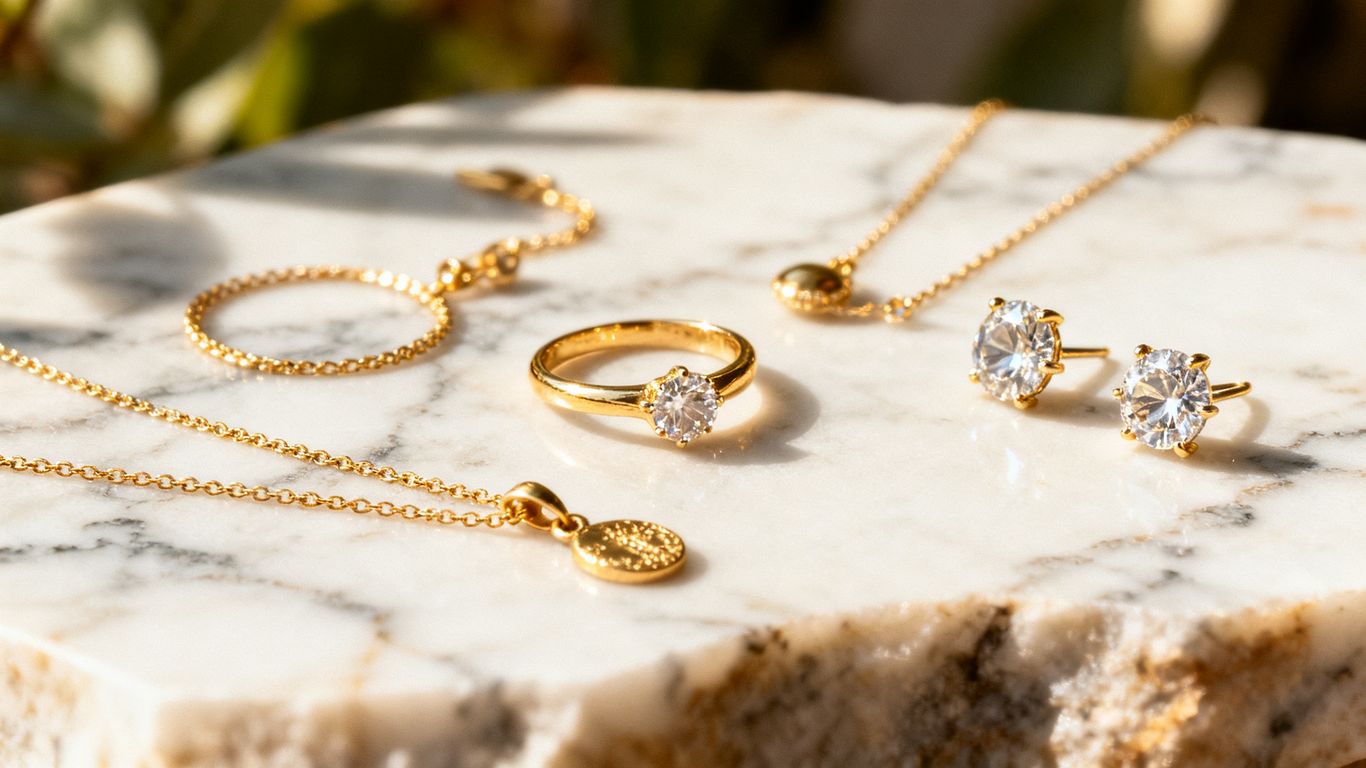
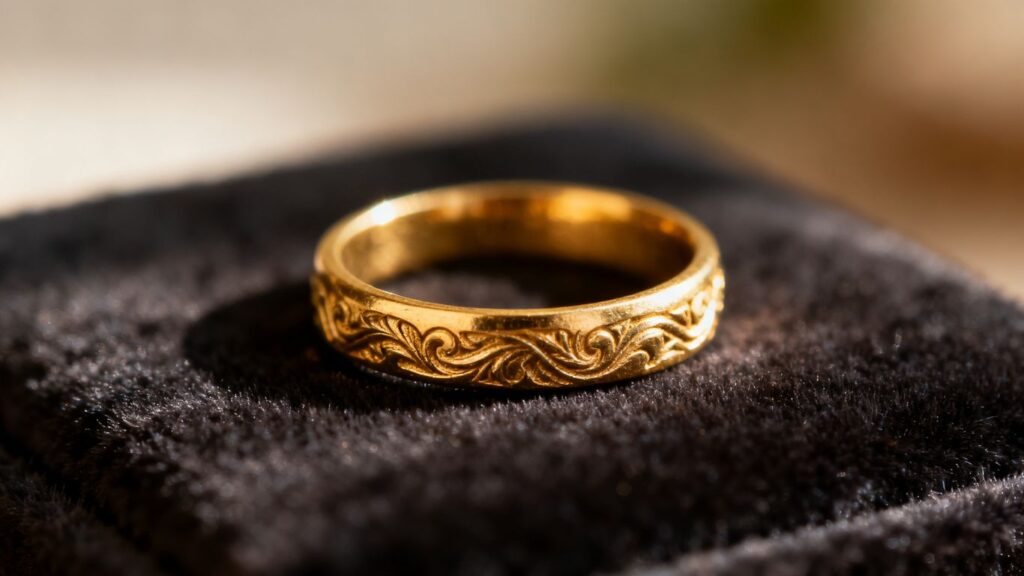
Clear, sharp images are the absolute baseline for selling jewelry effectively online. You want to provide multiple angles and macro shots that highlight the clarity of stones or the texture of metals, providing the same level of clarity that someone might expect from a premium jewelry shopping guide. Investing in a professional or learning how to style your own photos consistently will pay dividends in user trust throughout your customer journey.
Showcasing the Craftsmanship and Detail
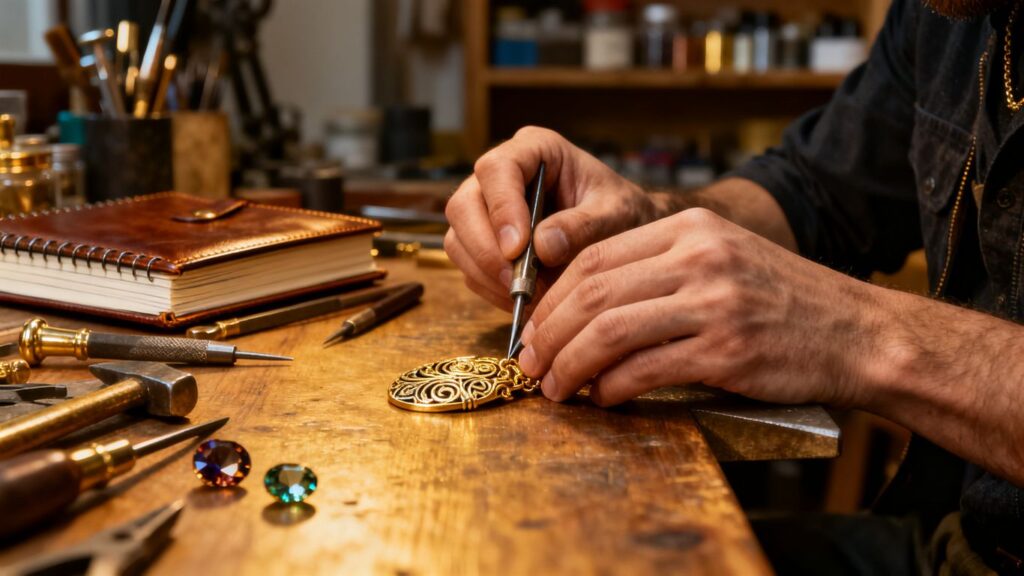
Beyond basic shots, you should strive to demonstrate the skill involved in making your jewelry to create an emotional connection. This often involves filming the process or using zoom-heavy imagery to highlight intricate settings that a standard product photo might miss. By focusing on the craftsmanship, you help justify price points and distinguish your offerings from mass-produced competitors in the global jewelry market.
Digital Advertising Channels for Jewelry Brands
Selecting the right channels depends on where your audience spends their time and how they prefer to interact with brands. While social platforms are excellent for top-of-funnel awareness, search engines are better for capturing high-intent traffic ready to make a purchase. Many brands choose to buy jewellery online as a reference point for how modern platforms should display varied inventory types. To help summarize the best approaches for these channels, consider the following layout:
Channel
Primary Strengths
Best Ad Format
Instagram
Visual storytelling
Carousel ads
Pinterest
Long-term discovery
Promoted Pins
Google Ads
Intent-based clicks
Shopping ads
Social Media Marketing (Instagram, Pinterest, Facebook)
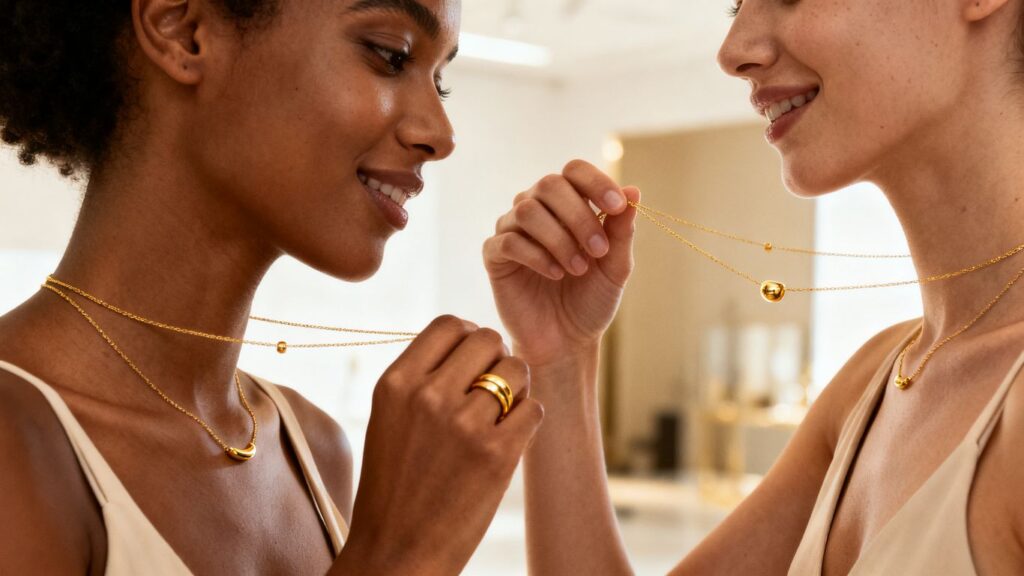
Social media is unparalleled for building a visual community around your brand’s unique style. It allows you to feature your collections in diverse settings—such as styling a neckpiece for a wedding or pairing stacking rings for a casual lunch—which makes your pieces more relatable and desirable. If you are struggling with ideas, check out the various jewelry store marketing strategies that focus on these visual platforms to drive significant revenue growth.
When a customer is searching for “gold earrings” or “zircon rings,” capturing that query is essential for driving immediate sales. By utilizing targeted search ads, you reach consumers at the exact moment they are looking to buy, which is a core tenant of successful Google Ads strategies. This approach provides a level of precision that social media sometimes lacks, making it a critical part of your overall jewelry marketing strategies.
Influencer Marketing: Collaborating with the Right Voices
Partnering with individuals whose personal style aligns with your brand can provide the social proof needed to convince hesitant buyers. These collaborations often lead to authentic content that showcases your products in everyday settings, helping influencers’ followers see your jewelry as part of their own collections. Remember that the goal is trust-building rather than just reach, so pick voices that genuinely overlap with your specific customer base.
Content Marketing: Telling Your Brand’s Story
Building a connection goes beyond the product itself and into the story of why you exist. By publishing helpful articles, style guides, or interviews about jewelry care and cultural significance, you build authority within the niche at BuyJewelleryOnline.net. This proactive approach turns your website into a destination for information rather than just a store, allowing customers to dwell longer and learn before they make a decision.
Consider sharing the history behind certain jewelry types or tips on how to properly store antique pieces—topics that our audience frequently seeks out. Providing value through content helps solve common reader problems like how to choose the right metal type or how to maintain a collection, which makes them much more likely to remember your brand when they are ready to purchase. If you need inspiration, think about the common questions your customers ask during their initial engagement with your pieces.
Content marketing provides a unique opportunity to use search engine optimization to bring in organic traffic over time. When your articles address specific concerns or trends, you catch a reader’s attention long before they are ready to commit to a transaction. This creates a long-term asset that continues to send high-quality visitors to your pages without constant advertising spend, complementing your more direct jewelry marketing strategies perfectly.
#image_title
Measuring Success: Tracking Your ROI
Understanding what works is just as important as the ads themselves because it allows you to shift resources toward the campaigns that actually deliver revenue. You should track metrics like click-through rates, conversion rates, and the cost per acquisition to get a granular view of your performance across different platforms. At BuyJewelleryOnline.net, we analyze user trends to refine our advice, and applying this same analytical mindset to your ads will ensure you are making data-backed decisions.
To ensure your tracking is effective, you must categorize your traffic sources and assign value to every conversion point. If one group of ads performs well for engagement but poorly for sales, you might choose to repurpose that content for social awareness while moving your high-converting assets to search campaigns or remarketing efforts. This iterative process is how you prevent waste and maximize the impact of your marketing efforts over time.
Finally, use these insights to optimize the overall jewelry promotion ideas for your next campaign cycle. When you see clear data showing that a specific visual or ad message performs best, double down on that creative direction. By continuously testing your copy, your visual hooks, and your landing page experiences, you ensure that your brand remains competitive and continues to grow regardless of how market conditions may shift.
Conclusion
Successful jewelry advertising is a blend of understanding your audience, presenting stunning visuals, and consistently measuring your results to refine your approach. By focusing on building real connections and providing educational value as we do here at BuyJewelleryOnline.net, you create a foundation that attracts loyal customers. Use these insights to navigate your digital presence and you will find your brand standing out in even the most crowded markets.
Frequently Asked Questions
Which advertising channel is best for a new jewelry brand?
For a new brand, visual platforms like Instagram and Pinterest are ideal because they allow you to build an initial aesthetic identity and community. You can start with organic posting to see what your audience engages with most before putting any significant budget into paid ads.
How can I make my jewelry photos stand out?
Focus on consistency in lighting and background to create a professional look across your site. Use macro photography to capture texture and detail, and consider incorporating lifestyle shots that show how the jewelry looks when worn.
What are the most common mistakes in jewelry advertising?
Common blunders include poor-quality imagery, targeting an audience that is too broad, and failing to provide enough information about product materials or sizes. Ensure your ads lead to landing pages that specifically answer the customer’s questions before they commit to a purchase.
How much budget should I start with for digital ads?
Start with a small, test-driven budget to gather data on what works for your specific brand. Once you identify which campaigns convert highest, you can incrementally increase your spend to scale those successes while cutting underperforming ads.
Should I use influencers even if my brand is small?
Yes, micro-influencers with smaller but highly engaged audiences can provide excellent value for smaller brands. Their recommendations often feel more genuine and can lead to higher conversion rates than partnerships with large celebrity accounts.
How do I know if my ROI is good?
Calculate your return on ad spend by dividing your revenue from ads by the total cost of those ads. Compare this against your profit margins to ensure that each sale is contributing positively to your bottom line after accounting for all operational costs.
Is it important to use different ad copy for different platforms?
Absolutely, as platform context matters significantly for user behavior. Instagram users are often there for inspiration and visual flair, whereas search engine users are looking for a specific item to buy, so your tone should reflect those varying levels of purchase intent.
Planning a jewelry sales campaign can feel like a big task, right? It’s not just about showing off pretty things. You’ve got to think about who you’re talking to, what you’re actually saying, and where you’re saying it. This guide is here to help break down some jewelry sales campaign tips to make your next push a success. We’ll look at understanding your customers, crafting messages that stick, picking the right places to sell, and some ideas to get those sales moving.
Key Takeaways
Figure out who your ideal jewelry buyer is by looking at their age, interests, and what they care about. This helps you know who to target.
Make your campaign message stand out by showing what makes your jewelry special and telling stories that connect with people’s feelings.
Decide if selling online, in a store, or both makes the most sense for your jewelry business and use social media to get the word out.
Use special deals, like limited-time offers and bundles, and reward loyal customers to encourage more sales.
Remember that jewelry purchases take time, so consistent communication and building trust through email marketing are super important for long-term success.
Understanding Your Target Audience for Jewelry Sales
Demographics and Psychographics of Jewelry Buyers
When you’re trying to sell jewelry, knowing who you’re talking to is pretty important. It’s not just about age or where they live, though that stuff matters. You also need to think about what they like, what they care about, and why they’d even want a piece of jewelry in the first place. Are they buying for a special occasion, like an anniversary, or just treating themselves because, hey, why not?
Think about the basics first. Are you aiming for younger folks just starting out, maybe looking for something trendy and affordable? Or are you targeting a more mature crowd with higher incomes, who might be interested in investment pieces or classic designs? This can really change how you talk about your products. For instance, a campaign focused on ethical sourcing might appeal to a younger, more socially conscious buyer, while a focus on heritage and craftsmanship could draw in a different group.
Here’s a quick look at some common buyer profiles:
The Milestone Marker: Buys jewelry for significant life events – engagements, weddings, graduations, big birthdays. They want something memorable and often sentimental.
The Self-Purchaser: Buys jewelry for themselves, often as a reward or a confidence booster. They might be more trend-aware and appreciate unique designs.
The Gift Giver: Buys jewelry for others – partners, family, friends. They might be looking for something universally appealing or something that reflects the recipient’s personality.
The Collector/Investor: Buys jewelry for its intrinsic value, rarity, or potential to appreciate. They are often knowledgeable about gemstones and precious metals.
Understanding these different motivations helps you tailor your message. A piece that signifies a lifelong commitment is different from a trendy necklace that’s perfect for a night out.
Identifying Niche Markets within Jewelry
The jewelry world is huge, and trying to appeal to everyone is a recipe for getting lost. That’s why finding your niche is a smart move. It helps you focus your efforts and really connect with a specific group of people who are more likely to buy from you.
What kind of niches are out there? Well, you’ve got your classic ones like bridal jewelry or fine diamonds. But there are so many more specific areas you could explore. Think about:
Sustainable and Ethical Jewelry: This is a big one these days. People want to know where their jewelry comes from and that it’s made responsibly. Highlighting eco-friendly materials or fair labor practices can be a major selling point.
Personalized and Custom Jewelry: Pieces that can be engraved, birthstone-specific, or designed to order. This taps into the desire for something truly unique and meaningful.
Minimalist or Everyday Wear: Simple, understated pieces that can be worn daily without being over the top. These often appeal to a broad audience looking for versatility.
Statement Jewelry: Bold, eye-catching pieces designed to be the focal point of an outfit. This market often follows fashion trends closely.
Men’s Jewelry: A growing market that includes everything from wedding bands to stylish bracelets and necklaces.
Identifying your niche isn’t just about picking a category; it’s about understanding the specific needs, desires, and values of the people within that category. It’s about becoming the go-to brand for that particular kind of jewelry buyer.
By zeroing in on a niche, you can create marketing campaigns that speak directly to a passionate audience. This makes your message more relevant and your sales efforts more effective. It’s like talking to a friend who gets exactly what you’re looking for, rather than shouting into a crowd. For example, if you focus on unique engagement rings, your marketing can highlight custom designs and the romantic stories behind them, attracting couples who want something beyond the ordinary.
Crafting a Compelling Campaign Message
#image_title
So, you’ve figured out who you’re trying to reach with your jewelry. Great! Now, how do you actually talk to them? It’s not just about showing pretty pictures; you need a message that sticks. Think about it like this: if your jewelry is the star, your campaign message is the script that makes everyone want to see the show.
Highlighting Unique Selling Propositions (USPs)
What makes your jewelry stand out from the crowd? This is your USP. It could be the materials you use, the way it’s made, or even the story behind the design. Don’t just say it’s ‘high quality’; explain why it’s high quality. Are you using ethically sourced gemstones? Is each piece handcrafted by a local artisan? These details matter. People want to know what makes your brand special. For instance, if you specialize in custom engagement rings, your USP is personalization and the emotional significance of that custom piece. It’s about more than just the metal and stones; it’s about creating a symbol of a unique love story. This is where you can really connect with potential buyers by showing them something they can’t get anywhere else. Think about what makes your brand tick and shout it from the rooftops (or, you know, your ad copy).
Storytelling: Connecting Emotionally with Customers
Jewelry isn’t just an accessory; it’s often tied to big moments and deep feelings. Birthdays, anniversaries, graduations, or just a ‘thinking of you’ gift – these are all stories. Your campaign message should tap into those emotions. Instead of just listing features, tell a story. Share how a particular necklace was inspired by a grandmother’s legacy, or how a pair of earrings is meant to capture the sparkle of a new beginning. Real customer stories are gold here. Sharing testimonials or photos from happy customers wearing your pieces can build trust in a way that polished ads sometimes can’t. It shows authenticity. Consider campaigns that focus on family heirlooms or the romance behind a specific piece. These narratives make your jewelry more than just an item; they make it a part of someone’s life and memories. A well-told story can make a sale feel less like a transaction and more like a meaningful connection. It’s about creating a feeling, not just selling a product. You can find some great examples of how brands have done this effectively in recent jewelry campaigns that have garnered attention.
Here’s a quick look at how different types of stories can work:
The ‘Milestone’ Story: Focuses on significant life events like engagements, weddings, or graduations.
The ‘Legacy’ Story: Highlights pieces passed down through generations or inspired by family history.
The ‘Self-Love’ Story: Celebrates personal achievements and treating oneself.
The ‘Connection’ Story: Emphasizes gifts that strengthen bonds between friends or partners.
When crafting your message, always ask yourself: ‘What emotion does this piece evoke?’ and ‘What moment in someone’s life could this jewelry be a part of?’ Answering these questions will guide you toward a message that truly connects.
Remember, people buy jewelry for reasons that go beyond simple adornment. They buy it to commemorate, to express love, to feel special, or to mark a personal achievement. Your campaign message needs to reflect that depth. By focusing on the why behind the purchase and weaving compelling narratives, you can create a campaign that doesn’t just sell jewelry, but also creates lasting impressions and builds a loyal customer base. This approach helps in creating high-converting jewelry ads that speak directly to the heart.
Choosing the Right Sales Channels for Your Jewelry
Picking where to sell your jewelry is a big deal. It’s not just about having a pretty website or a nice shop; it’s about meeting your customers where they are. Think about it: a customer buying a piece of jewelry isn’t usually making a quick decision. They’re often researching, comparing, and thinking it over. So, you need to be present in the right places to catch them at the right time.
Online vs. Offline: Pros and Cons
Both online and physical stores have their own strengths. Online selling means you can reach people all over the world, 24/7. It’s generally cheaper to set up than a brick-and-mortar store, and you can track customer behavior really well. Plus, with good product descriptions and photos, you can show off your pieces effectively. However, people can’t physically touch or try on the jewelry, which can be a barrier for some buyers. Returns can also be a bit more common.
On the flip side, an offline store offers that tactile experience. Customers can see the sparkle, feel the weight, and try things on. This can build trust and lead to impulse buys. It also creates a personal connection. But, it comes with higher overhead costs like rent and staff, and your reach is limited to your local area or whoever visits your shop. It’s a different kind of customer engagement.
Here’s a quick look:
Online:
Wider reach, 24/7 availability
Lower startup costs
Detailed analytics
Can be harder to build trust without physical interaction
Offline:
Tangible customer experience
Personal connection building
Higher overheads
Limited geographic reach
The key is often finding a balance. Many successful jewelry businesses use a mix of both, creating an omnichannel experience where customers can browse online and buy in-store, or vice versa. This approach caters to different shopping preferences and maximizes your touchpoints.
Leveraging Social Media for Jewelry Promotion
Social media is practically made for showcasing beautiful things like jewelry. Platforms like Instagram and Pinterest are highly visual, making them perfect for high-quality photos and videos of your pieces. You can share lifestyle shots, behind-the-scenes glimpses of your crafting process, or even customer testimonials. This visual storytelling is incredibly powerful for jewelry sales. It helps potential buyers imagine themselves wearing your designs. You can also use social media to run targeted ads, engage directly with your audience through comments and messages, and even host live shopping events. It’s a dynamic way to build a community around your brand and drive traffic to your online store or physical location. Don’t forget to use relevant hashtags to increase discoverability and consider collaborating with influencers who align with your brand’s aesthetic. Proper jewelry organization can even be a content theme, showing customers how to care for their purchases.
Promotional Strategies to Boost Jewelry Sales
#image_title
So, you’ve got a killer jewelry collection and a solid understanding of who you’re selling to. Now, how do you actually get those pieces into customers’ hands and boost your revenue? It’s all about smart promotions. Think beyond just slapping a ‘sale’ sticker on things. We’re talking about creating genuine excitement and value that makes people want to buy, not just because it’s cheaper, but because it feels like a great deal or a special opportunity. The goal is to make every promotion feel like an event.
Limited-Time Offers and Bundles
Creating a sense of urgency is a classic, but effective, tactic. Flash sales, even if they only last a few hours, can really drive immediate interest and sales. People are more likely to act when they know a deal won’t be around forever. It’s a great way to clear out inventory or push a specific collection. For example, a six-hour flash sale can create a sudden spike in revenue. It gives hesitant buyers that little nudge they need without training them to always wait for discounts.
Bundles are another smart move. Think about pairing a necklace with matching earrings, or a bracelet with a ring. Customers often feel like they’re getting more for their money when they see one price for multiple items, rather than adding up the cost of each piece individually. It simplifies the decision-making process and can increase your average order value. Shoppers tend to buy more when similar items are offered together, and jewelry pieces naturally complement each other.
Loyalty Programs and Referral Incentives
Don’t forget about the customers who already love your brand. Loyalty programs are fantastic for encouraging repeat business. Offer points for purchases, exclusive early access to new collections, or special birthday discounts. These perks make your existing customers feel appreciated and give them a reason to keep coming back.
Referral incentives are also gold. Encourage your happy customers to spread the word. Offer a discount or a small gift to both the referrer and the new customer they bring in. Word-of-mouth is incredibly powerful, especially in the jewelry world where trust and personal recommendations matter a lot. It’s one of the most effective ways to reach new audiences interested in jewelry promotion ideas.
Here are some ideas to get you started:
Gift Guides: Curate lists for different occasions like anniversaries, birthdays, or holidays. Organize them by price point to make shopping easier.
Bundle Deals: Combine complementary items like necklaces and earrings for a special price.
Gift With Purchase: Offer a small, useful item like a jewelry cleaning kit when a customer spends over a certain amount.
Seasonal Collections: Tie promotions to upcoming holidays or seasons, like a Valentine’s Day special or a summer trends collection.
When planning your promotions, always think about the story behind the piece. People connect with jewelry on an emotional level. Highlighting the craftsmanship, the origin of the materials, or the sentiment behind a gift can be just as persuasive as a discount. It’s about building a connection that lasts beyond the sale, which is key for boosting jewelry store revenue.
These strategies, when used thoughtfully, are powerful tools for increasing sales and building a loyal customer base. They are core components of successful jewelry marketing strategies and are vital for figuring out how to sell more jewelry.
Wrapping It Up
So, there you have it. Selling jewelry online isn’t just about pretty pictures; it’s about building connections. Remember, people aren’t usually impulse buying a necklace or a ring. They’re thinking, planning, and looking for something special. That’s where smart campaigns come in. By focusing on stories, offering real value, and showing up consistently through email, you can build that trust. Don’t try to do everything at once. Pick a few ideas that feel right for your brand, give them a shot, and see what clicks with your audience. Keep it personal, keep it real, and you’ll be well on your way to making your next campaign a big success.
Frequently Asked Questions
What are the best ways to get people interested in buying jewelry online?
Since buying jewelry is a big decision, people often look around a lot before buying. Showing them cool stories about your jewelry and sharing helpful tips, like how to style pieces or take care of them, can really grab their attention and build trust. Special deals that don’t last long also give them a reason to buy sooner.
How can jewelry brands use emails to sell more?
The best way is to give customers something valuable first, like style advice or interesting facts about jewelry, before trying to sell them something. When customers trust what you share and see you as an expert, they’re much more likely to buy from you when you do offer a product.
How often should jewelry stores send out marketing emails?
For most jewelry stores, sending about two emails each week is a good balance. Sending too many emails can make people stop opening them or even unsubscribe. A steady, regular schedule helps build trust over time, which is better than sending a lot of emails all at once and then going silent.
What makes a good subject line for jewelry emails?
A great subject line is short and makes people curious or clearly shows them what’s in it for them. Mentioning something exciting like a new collection or a deal that’s ending soon works well. Try to avoid using all capital letters or too many emojis, as this can make your email look like spam and fewer people will open it.
How can I make my jewelry marketing stand out?
Focus on telling stories that connect with people’s feelings. Share why a piece is special or the meaning behind it. Also, show off how your jewelry is made responsibly or is good for the environment. People care more about these things than just the price tag.
What are some popular times to run jewelry sales campaigns?
Big holidays like Valentine’s Day, Mother’s Day, and the end-of-year holiday season are perfect for jewelry sales because people are already looking to buy gifts. You can also create campaigns around special events like anniversaries or birthdays, or even use trends like ‘New Year, New Look’ to encourage purchases.
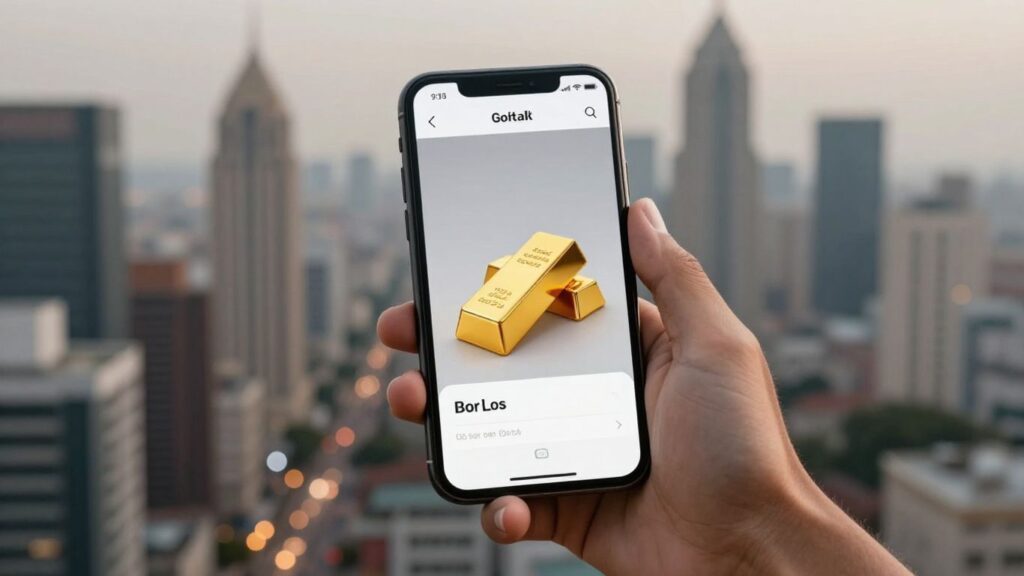
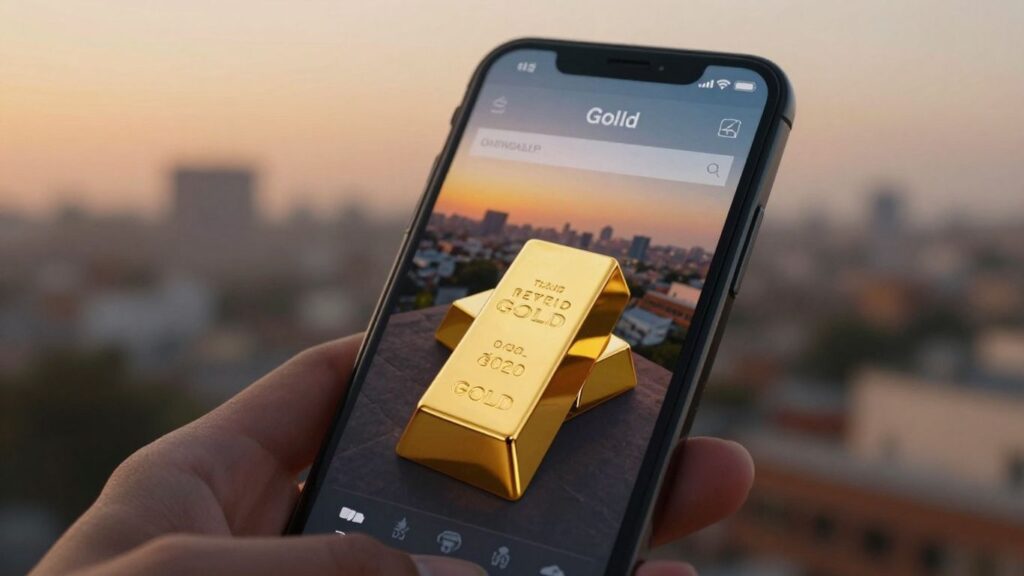
Gold has always been a big deal in India, right? For ages, families have bought it for weddings, festivals, and just as a safe bet. But holding physical gold can be a hassle – worrying about safekeeping, purity checks, and those pesky making charges. Now, there’s a modern way to get in on the gold action without all that fuss. It’s called digital gold, and it’s changing how people invest in this precious metal. We’re going to break down what digital gold is all about and how you can get started, especially if you’re looking for a good digital gold investment app in India.
Key Takeaways
Digital gold lets you own actual gold without the worry of storing it yourself. It’s bought online and stored in secure vaults.
You can start investing in digital gold with very small amounts, sometimes as little as ₹10, making it accessible for everyone.
Digital gold offers guaranteed purity, usually 24-carat with 99.9% purity, removing doubts about quality.
Selling digital gold is easy and quick, with the money usually credited directly to your bank account based on current market rates.
When choosing a digital gold investment app in India, look for features like clear pricing, security, ease of use, and good customer support.
What is Digital Gold?
So, you’re thinking about gold, but the idea of buying a heavy necklace or a bunch of coins feels a bit much? Maybe you’ve heard about digital gold and are wondering what it’s all about. Basically, digital gold is a way to own actual gold, but without the hassle of keeping it in your house. It’s like buying gold online, and someone else stores it safely for you.
When you buy digital gold, you’re purchasing 24-carat gold, usually with 99.9% purity. The catch? You don’t get to hold it in your hand right away. Instead, your purchase is recorded digitally, and the equivalent amount of real gold is kept secure in a vault, often insured. Think of it as getting a digital certificate or a digital receipt for the gold you own. It’s a modern approach that makes investing in this precious metal much more accessible, especially if you don’t have a huge sum to start with.
How is Digital Gold Different from Physical Gold?
This is where things get interesting. While both represent ownership of gold, the experience is quite different. With physical gold, like coins or bars, you’re responsible for its safekeeping. That means worrying about where to store it, the risk of theft, and sometimes even verifying its purity when you buy it from a local seller. Plus, if you want to sell it, you usually have to take it back to a jeweler, which can involve more checks and potentially lower prices.
Digital gold, on the other hand, takes away a lot of that worry. Here’s a quick look at some key differences:
Storage & Security: Your digital gold is stored in secure, insured vaults by the provider. No need for a home safe!
Purity: You’re generally guaranteed 24-carat, 99.9% pure gold, often certified. This removes the guesswork you might have with physical purchases.
Investment Amount: You can start with very small amounts, sometimes as little as ₹10 or ₹100, making it easy to begin. Physical gold often requires a larger initial investment.
Convenience: Buying and selling can be done online, anytime, anywhere, through an app or website. No need to visit a store.
Liquidity: Selling digital gold back to the platform is usually quick and based on the current market rate, with funds often credited directly to your bank account.
“The main idea behind digital gold is to make gold ownership simpler and more practical for everyday people. It bridges the gap between traditional gold investments and the digital world we live in now.“
While physical gold has its own charm and is often preferred for sentimental reasons or specific occasions, digital gold offers a practical, low-hassle alternative for investment purposes. You can even convert your digital holdings into physical gold later if you choose, though there might be specific conditions and charges for that.
Why Invest in Digital Gold in India?
So, you’re thinking about putting some money into gold, but the idea of storing physical bars or coins feels like a hassle? That’s where digital gold comes in. It’s become a really popular way for people in India to own gold without the usual headaches. It’s basically gold you own, but it lives in the digital world.
Benefits of Digital Gold Investment
There are quite a few good reasons why folks are choosing to buy digital gold online in India. For starters, it’s super convenient. You can buy or sell gold right from your phone, anytime, anywhere. No need to visit a jeweler or worry about keeping it safe.
Low Entry Barrier: You don’t need a lot of cash to start. You can buy small amounts, sometimes as little as ₹10 or ₹100. This makes it accessible for almost everyone, especially if you’re just beginning to invest.
Purity Assurance: When you buy digital gold, you’re usually getting 24-carat gold with 99.9% purity. This takes away the worry about whether the gold you’re buying is actually pure, which can sometimes be an issue with physical gold.
Easy Liquidity: Need cash? Selling digital gold is generally quick and easy. You can sell it back to the platform you bought it from at the current market rate, and the money usually goes straight into your bank account.
Secure Storage: Your gold is stored in secure, insured vaults by trusted partners. This means you don’t have to stress about theft or damage.
Risks Associated with Digital Gold
Of course, no investment is completely without risk. While digital gold is generally safe, especially when using reputable apps, it’s good to be aware of a few things:
“The digital gold price India fluctuates just like physical gold. While this means you can potentially make profits, it also means you could lose money if the price drops.“
Platform Risk: Your investment is tied to the platform you use. If the platform faces issues, it could affect your access to your gold. It’s important to choose well-known and regulated providers. You can find more details on choosing a good app here.
Redemption Issues: While most platforms allow you to redeem your digital gold for cash, some might have specific terms or delays. Also, converting it to physical gold might involve extra charges and processes.
Market Volatility: The value of gold can go up and down. While it’s often seen as a safe haven, it’s not immune to market swings. The Indian jewellery market is growing, but gold prices themselves can be unpredictable.
Choosing the Right Digital Gold Investment App in India
So, you’ve decided digital gold is the way to go. Awesome! But with so many apps out there, how do you pick the best one? It’s not just about finding the cheapest option; you want something reliable and easy to use. Think of it like picking a good mechanic – you want someone trustworthy.
Key Features to Look For
When you’re scanning the app stores for the best app for gold investment India has to offer, keep these things in mind:
Purity and Backing: Make sure the app clearly states the purity of the gold you’re buying (usually 24K, 99.9% pure) and that it’s backed by physical gold stored in secure vaults. Some apps even have third-party certifications.
Investment Amount: Can you start small? Many apps let you invest with as little as ₹100 or even less. This is great for testing the waters or for regular, small investments.
Fees and Charges: Look out for any hidden costs. While many apps don’t charge for storage, there might be small transaction fees or charges if you decide to convert your digital gold to physical gold.
Ease of Use: The app should be intuitive. You shouldn’t need a degree in rocket science to figure out how to buy or sell gold. A clean interface and straightforward process are key.
Security: How safe is your investment? Check if the app uses strong security measures to protect your account and your gold. This includes things like two-factor authentication and secure vaulting.
Customer Support: What happens if you run into a problem? Good customer support can make a big difference. See if they offer multiple ways to get in touch, like chat, email, or phone.
Top Digital Gold Apps in India (Brief Overview)
While the landscape changes, a few popular options often come up when people look for digital gold investment platforms. Apps like PhonePe and Google Pay have integrated digital gold options, often partnering with providers like SafeGold. These are super convenient if you already use them for other transactions. You can often start with very small amounts, making it easy to begin your gold savings journey.
Other fintech apps might offer more specialized features or different pricing structures. It’s worth comparing a couple to see which one feels right for you. Remember, the goal is to find a platform that aligns with your investment style and comfort level.
“Choosing the right app is more than just a click; it’s about finding a partner for your investment journey. Take your time, do a little research, and pick the one that gives you peace of mind.“
1. PhonePe
PhonePe offers one of the most widely used digital gold platforms in India. It works with MMTC PAMP and provides quick purchases at live gold rates.
What you get • You start with as little as 1 rupee. • You buy 24K, 999 fine digital gold. • You track price changes in the same app you use for payments.
Why it helps you • You get clear price charts. • You avoid hidden charges. • You can convert digital gold to physical coins from MMTC PAMP.
Practical tip Check the price spread during peak market hours. Spreads tend to widen on festival days and weekends.
2. Google Pay (GPay)
GPay also partners with MMTC PAMP. Many users prefer GPay because the app is already part of their daily payments.
What you get • Low entry barrier. • Clean interface that reduces errors. • Quick purchase and sell options.
Why it helps you • You can set reminders for price dips. • You get gold stored in safe, insured vaults.
Practical tip Use GPay for small and frequent purchases. It keeps your cost average stable.
3. Paytm
Paytm Gold is popular among users looking for reliability and quick redemption options.
What you get • Gold available from MMTC PAMP and Safegold. • Zero storage cost. • Flexible redemption into coins and bars.
Why it helps you • You get price alerts. • You use the same wallet for other payments.
Practical tip Check seasonal discounts on gold coins. Paytm often runs offers during the festive season.
4. Upstox
Upstox gives you digital gold through its wealth platform. Many investors use Upstox for mutual funds and also prefer it for gold.
What you get • Simple buy and sell dashboard. • Quick onboarding. • No hidden storage charges.
Why it helps you • You can use price charts to decide when to buy. • You keep your digital gold with trusted partners.
Practical tip Use Upstox if you already invest in stocks. It keeps your finances in one place.
5. Groww
Groww offers a clean digital gold system for beginners. The app is already known for mutual funds and stocks, so new users trust it.
What you get • Gold from MMTC PAMP. • A clear portfolio page. • No minimum investment.
Why it helps you • You get quick liquidity. • You track gold like any other investment.
Practical tip Set a fixed monthly amount and automate your gold purchase. It builds long term discipline.
6. Amazon Pay
Amazon Pay Gold is useful if you already use Amazon for shopping.
What you get • Buy gold in seconds. • Store gold with trusted vault partners. • Sell gold any time.
Why it helps you • You use the same Amazon account. • You avoid new KYC steps.
Practical tip Use Amazon Pay when you want fast execution. The app completes transactions in a few seconds.
7. Tanishq Digital Gold
Tanishq gives digital gold backed by Tata. Many users trust it because the brand is already known for purity.
What you get • 24K, 99.99 percent purity. • Fees disclosed clearly. • Option to convert to jewellery later.
Why it helps you • Strong brand trust. • Transparent pricing.
Practical tip Use Tanishq if you plan to redeem digital gold for jewellery. It simplifies conversion later.
8. SafeGold App
SafeGold supplies digital gold to many fintech apps. It also has its own direct platform.
What you get • Secure vault storage. • Quick buy and sell system. • Multiple redemption partners.
Why it helps you • They work with well known vault providers. • They offer insurance to protect your holdings.
Practical tip Compare buying on the SafeGold app with buying on partner apps. Sometimes partners offer cashback.
9. Airtel Payments Bank
Airtel allows customers to buy digital gold through its payments bank app.
What you get • Low transaction limits. • Simple return process. • Quick balance updates.
Why it helps you • You avoid complex dashboards. • Good for new investors.
Practical tip Use Airtel if you already use Airtel Payments Bank. It keeps your accounts easier to manage.
10. Bajaj Finserv
Bajaj Finserv lets you buy digital gold through its wallet system.
What you get • MMTC PAMP gold. • A single place to track gold, loans, and EMIs. • Quick redemption.
Why it helps you • You manage multiple financial products in one app. • You get responsive customer support.
Practical tip Monitor gold price alerts. Bajaj often shows real time movement that helps with timing.
11. Mobikwik
Mobikwik Gold is an easy choice for frequent wallet users.
What you get • Buy from 1 rupee. • Sell at market rates. • Redeem for coins.
Why it helps you • Quick payment mode. • Simple navigation.
Practical tip Check loyalty points. Mobikwik often gives SuperCash benefits.
12. HDFC Securities
HDFC offers digital gold under its SmartBuy and investment platforms.
What you get • High trust due to a leading bank. • Clear disclosures. • Option to convert to physical gold.
Why it helps you • You get strong security standards. • You track gold through your banking dashboard.
Practical tip Use HDFC if you need strict regulatory compliance.
Digital Gold App Comparison Table
App Name
Purity
Storage Partner
Minimum Investment
Sell Anytime
Jewellery Redemption
Key Advantage
PhonePe
24K 999
MMTC PAMP
1 rupee
Yes
Yes
Simple buying flow
Google Pay
24K 999
MMTC PAMP
1 rupee
Yes
No
Fast daily purchase
Paytm
24K 999
MMTC PAMP, SafeGold
1 rupee
Yes
Yes
Wide redemption choices
Upstox
24K 999
MMTC PAMP
No minimum
Yes
No
Strong price charts
Groww
24K 999
MMTC PAMP
No minimum
Yes
No
Clean interface
Amazon Pay
24K 999
Trusted vault partners
1 rupee
Yes
No
Very quick execution
Tanishq
24K 99.99
Tanishq vaults
10 rupees
Yes
Yes
Brand trust from Tata
SafeGold App
24K 999
SafeGold vaults
1 rupee
Yes
Yes
Strong insurance cover
Airtel Payments Bank
24K 999
SafeGold
1 rupee
Yes
No
Easy for Airtel users
Bajaj Finserv
24K 999
MMTC PAMP
10 rupees
Yes
Yes
Unified financial app
Mobikwik
24K 999
SafeGold
1 rupee
Yes
Yes
Wallet rewards
HDFC Securities
24K 999
Bank vault partners
Higher minimum
Yes
Yes
High banking trust
How to Invest in Digital Gold Using an App
#image_title
So, you’re thinking about diving into digital gold, huh? It’s actually pretty straightforward, especially when you use one of the many apps available today. Forget the hassle of visiting a jeweler or worrying about storage; it’s all done online.
Step-by-Step Investment Process
Getting started with how to invest in digital gold is simpler than you might think. Most apps follow a similar pattern, making it easy to get going.
Choose Your App: First things first, you need to pick an app. There are tons of options out there, from dedicated investment platforms to popular payment apps that have added digital gold. Look for one that partners with trusted vault providers like MMTC-PAMP or SafeGold. This is a big deal for security. A good app will clearly state the purity of the gold, usually 24K with 99.9% purity, and where it’s stored. Some popular choices include apps from banks, jewellery brands, and fintech companies.
Sign Up and KYC: Once you’ve picked your app, you’ll need to create an account. This usually involves providing some basic personal information and completing a Know Your Customer (KYC) process. You’ll likely need your PAN card and Aadhaar card for this. It’s a standard security step to verify your identity.
Link Your Bank Account: To actually buy gold, you’ll need to link your bank account to the app. This is how you’ll fund your purchases and receive any money if you decide to sell. Make sure the app uses secure payment gateways for this.
Make Your Purchase: Now for the fun part! You can decide how much gold you want to buy. Many apps let you start with amounts as low as ₹100, which is pretty cool. You can buy a lump sum or set up a Systematic Investment Plan (SIP) for regular, smaller investments. The price you pay is based on the live market rate for gold.
Track Your Investment: Your purchased gold is stored securely in a vault. The app will show you how much gold you own digitally. You can check its value anytime based on current market prices. It’s like watching your digital piggy bank grow!
“Investing in digital gold through an app offers a convenient and secure way to own the yellow metal. It removes the traditional barriers of high costs, storage worries, and purity concerns, making gold investment accessible to a wider audience. The ability to buy small quantities and set up SIPs further enhances its appeal for regular savers.“
Some apps even offer the option to convert your digital holdings into physical gold later on, though there might be additional charges and conditions for that. It’s a flexible way to invest, whether you’re using a specific investing in 24k gold app or a broader financial platform.
Taxation on Digital Gold in India
#image_title
When you invest in digital gold in India, it’s important to know how taxes will affect your returns. The good news is that the tax rules for digital gold are pretty much the same as for physical gold. So, if you’ve invested in gold before, you’ll find this familiar.
There are two main types of capital gains tax to consider: short-term and long-term. If you sell your digital gold within three years of buying it, any profit you make is considered a short-term capital gain (STCG). This profit gets added to your total income for the year and is taxed according to your individual income tax slab. It’s like earning extra salary, but taxed at your personal rate.
Now, if you hold onto your digital gold for more than three years before selling, the profit is treated as a long-term capital gain (LTCG). For LTCG on gold, including digital gold, the tax rate is a flat 20%. Plus, you get the benefit of indexation, which basically adjusts your purchase cost for inflation, potentially lowering your taxable profit. This is a nice perk for longer-term investors.
Here’s a quick rundown:
Short-Term Capital Gains (STCG): Held for 3 years or less. Taxed at your income tax slab rate.
Long-Term Capital Gains (LTCG): Held for more than 3 years. Taxed at 20% with indexation benefit.
Don’t forget about the Goods and Services Tax (GST). When you initially buy digital gold, there’s a 3% GST applied. This is similar to buying physical gold jewellery, where you also pay GST on top of the gold price. So, keep that initial cost in mind.
“Understanding these tax implications upfront can help you plan your investment strategy better and avoid any surprises when it’s time to file your taxes. It’s always a good idea to consult with a tax professional for personalized advice, especially as tax laws can change.“
While the tax structure is consistent, remember that the actual price of gold itself is influenced by many global and local factors. These market movements, combined with the tax rules, will ultimately determine your final profit. For those looking at various gold options, understanding the tax implications of gold investments is key.
The Future of Digital Gold Investment in India
Looking ahead, digital gold in India seems poised for some interesting growth. It’s not just a passing trend; it’s becoming a more common way for people to add gold to their portfolios without the hassle of physical storage. Think about it – you can buy gold in tiny amounts, sometimes just for the price of a cup of coffee, and it’s all done through an app. This accessibility is a big deal, especially for younger investors or those who don’t have a lot of cash to put down all at once.
We’re likely to see more platforms offering digital gold, maybe even integrated into more banking apps or investment services. This means more choices for consumers and probably better features as companies compete for your business. The convenience factor is huge; being able to buy or sell gold anytime, anywhere, is a major draw compared to traditional methods.
One of the big pluses is the guaranteed purity. You’re usually getting 24-carat gold, which takes away a lot of the guesswork and potential scams you might worry about with physical gold. Plus, selling it back is usually pretty straightforward, with the money going straight into your bank account. It’s a much simpler process than trying to offload a gold coin or old jewelry.
“The trend towards digital assets is only going to continue. As more people get comfortable with online transactions and digital investments, digital gold fits right in. It offers a way to diversify your savings with a historically stable asset, but with all the ease of modern technology.“
Here’s a quick look at why this trend is picking up steam:
Accessibility: You can start with very small amounts, making it easy for anyone to invest.
Convenience: Buying and selling can be done 24/7 from your phone.
Purity Assurance: Typically offers 24-carat gold, removing quality concerns.
Liquidity: Easy to convert back to cash when needed.
As the market matures, we might also see more options for converting digital gold into physical forms, like small bars or coins, if that’s something people want. The overall picture is one of increasing integration into mainstream investment strategies, making gold ownership more practical for everyday Indians. It’s a smart way to build wealth over time, especially with features like digital gold SIPs that encourage regular, disciplined saving.
Wrapping It Up
So, that’s the lowdown on digital gold in India. It’s pretty neat how you can own actual gold without the usual fuss of keeping it safe or worrying about its purity. Whether you’re starting small with a SIP or just looking for a simpler way to invest, digital gold seems to fit the bill for a lot of people these days. It’s a modern take on an age-old asset, making it easier for anyone to get a piece of the golden pie. Just remember to pick a good platform and keep an eye on your investments. Happy gold hunting!
Frequently Asked Questions
What exactly is digital gold?
Digital gold is like owning real gold, but without the actual physical coins or bars. When you buy digital gold, you’re purchasing actual gold, but it’s stored safely in a vault for you. Think of it as having a digital receipt for your gold that you can check and manage online through an app or website. It’s usually 24-carat gold with 99.9% purity, so you know you’re getting good quality.
How is digital gold different from buying gold jewelry?
Buying digital gold is way simpler and often cheaper than buying gold jewelry. With jewelry, you have to worry about making charges and sometimes the purity might not be exactly what’s advertised. Digital gold guarantees high purity (usually 24K, 99.9%) and you don’t pay extra making charges. Plus, you can buy very small amounts, sometimes for just ₹10 or ₹100, which you can’t do with jewelry.
Is digital gold safe to invest in?
Yes, digital gold is generally considered safe. The gold you buy is real and is backed by physical gold stored in secure, insured vaults by professional companies. Reputable apps and platforms ensure your gold is kept safe, so you don’t have to worry about theft or losing it. It’s a good idea to use well-known apps with good reviews.
Can I sell my digital gold easily?
Absolutely! One of the best things about digital gold is how easy it is to sell. You can sell it back through the same app or platform you bought it from, usually anytime you want. The selling price is based on the current market rate, and the money is typically sent straight to your linked bank account. It’s much quicker than trying to sell physical gold.
Do I need a special account to buy digital gold?
You don’t need a special Demat account like you might for stocks. Most of the time, you just need to download an app that offers digital gold, create an account on that app, and complete a simple verification process (like providing your PAN card details). Then, you can link your bank account and start buying.
How is the price of digital gold decided?
The price of digital gold follows the real-time market price of physical gold. So, if the gold rate goes up in the market, the value of your digital gold also goes up. The prices are updated frequently, often instantly, so you’re always buying or selling at the current market value. This makes it very transparent.
Since 2020, jewellery e‑commerce has rocketed. In India alone, online jewellery sales grew at a CAGR of over 18% through 2023, and in 2025, digital sales now account for nearly 30% of total jewellery retail (source: Statista, India Brand Equity Foundation) — a huge shift from traditional shopping. This updated article goes beyond basic benefits to help you shop smarter.
Why Buy Jewellery Online: Top 15 Benefits
1. Ultimate Convenience
You can explore, compare, customize and order jewellery any time—even late at night—with delivery to your door. No need to travel or deal with store timings.
2. Greater Selection & Customization
Online stores offer global access to styles—vintage, ethnic, minimalist—often supporting bespoke design services, not always available in physical outlets.
3. Competitive Pricing & Transparent Costs
Without store rent or middle‑men, online sellers pass savings to customers. Many sites display full cost breakdowns: metal price, making charges, taxes—right up front.
4. Detailed Product Information & Certifications
Listings typically include 4C details for diamonds, hallmark codes, metal purity, GIA/IGI certificates, and high-definition images or videos.
5. Virtual Try‑On & AR Tools
Use augmented reality or image-based try‑on features to visualize rings or necklaces realistically, helping reduce size and style uncertainty.
6. Secure Payments & Buyer Protection
Reputable platforms support secure payment gateways, EMI flexibility, and escrow services that release funds only after product approval.
7. Easy Returns & Clear Policies
Transparent return, exchange and refund policies (usually 7–30 days) mitigate purchase risk, unlike opaque terms in some physical stores.
8. Customer Reviews & Social Proof
Trustworthy platforms show user reviews, star ratings, and often customer-uploaded images of the jewellery in real-life settings.
9. Expert Advice & Chat Support
Instant access to certified gemologists or customer support via chatbots or live chat helps resolve doubts quickly—even on weekends.
10. Ethical & Sustainable Sourcing
Top online jewellers increasingly source conflict-free diamonds and recycled metals, with supply chain transparency rarely seen in traditional shops.
11. Faster Launches & Trend Access
Trends from global events or influencer styles appear on e‑commerce sites swiftly—whereas store stock updates lag behind.
Most sellers offer free gift-wrapping, engraving, personalized messages and certificate packaging—ideal for special occasions.
14. Warranty, Resizing & After-Sales Support
Online brands typically include return policies, resizing services, polishing and warranty certificates to ensure satisfaction over time.
15. Fast Price Comparisons & Market Insights
Use aggregator or review sites to compare similar products across multiple trusted sellers in minutes—an impossible feat offline.
2025 Jewellery Market Trends in India & Globally
India’s online jewellery sector is projected to cross ₹10,000 crore in annual sales by end‑2025 (source: IBEF)
Globally, more than 55% of millennials and Gen Z buyers prefer online jewellery purchase over in-store (source: McKinsey 2024 report)
Increased preference for lab-grown diamonds and personalized lifestyle pieces.
How to Choose a Reliable Online Jeweller
Use this checklist:
Certifications displayed: hallmark, GIA/IGI for diamonds, BIS standard for gold.
Clear return/refund terms: look for 7–30 day policy, free returns.
Verified customer reviews and social media presence.
Contact options: live chat, phone, showroom address.
Transparent shipping and insurance policies.
Real‑Life Example: BlueStone vs CaratLane
Feature
BlueStone
CaratLane
Diamond Certification
GIA/IGI included
IGI or BGD certified
Virtual Try-on Tool
Yes (AR rings/earrings)
Yes (AR try‑on)
Return Period
30 days
14 days
Customization
Bespoke design available
Design your own ring
Payment Options
EMI, net banking, wallets
EMI, UPI, cash on delivery
Frequently Asked Questions (FAQs)
Is online purchase as safe as retail?
Yes, if the platform uses certified gems, secure payment, and clear return policies—with escrow or COD options enhancing safety.
The jewellery didn’t look like photos—now what?
Use the return or exchange policy within the specified period. Always keep original packaging and certification.
What about shipping insurance?
Many top sellers offer fully insured door‑to‑door shipping, requiring signature on delivery.
Can I customize or resize online?
Most platforms let you customize design, select sizes, and offer resizing after delivery at minimal cost.
GST refunds when returning items?
Refunds usually include GST, but check the seller’s liquidation policy clearly.
Actionable Tips Before You Buy
Verify hallmark and gem certificate before confirming purchase.
Use virtual try‑on tools to assess fit and look.
Look out for EMI, cashback, and festival offers.
Keep packaging, appraisal, and certificates secure.
Bookmark after‑sales pages for resizing or warranty claims.
Conclusion
Today’s online jewellery ecosystem offers unmatched convenience, selection, transparency, and savings. With the right checks—certification, return policy, credible reviews—you can shop confidently, custom-design with experts, and enjoy post-purchase support. Armed with this guide and actionable tips, you’re now ready to make an informed jewellery purchase that rivals retail—if not outshines it.
Thinking about how to get your beautiful jewelry noticed online? It’s a crowded space, for sure. People are looking for that special something, whether it’s for a big moment or just a treat for themselves. We’re going to break down some solid jewelry advertisement ideas to help your pieces stand out and actually connect with buyers. It’s not just about showing off the sparkle; it’s about telling a story and making a connection. Let’s get your sales shining!
Key Takeaways
Know who you’re talking to: Figure out who buys jewelry and what they’re looking for. This helps you tailor your ads better.
Make it look amazing: Use really good photos and videos. Show off the details and how the jewelry looks when worn.
Tell a story with words: Instead of just listing features, talk about how the jewelry makes people feel or the special moments it represents.
Show up where people are looking: Use social media like Instagram and Pinterest, and also search engines, to get your ads seen.
Keep testing and tweaking: See what works best with your ads and change things up to get better results. This is key for any jewelry advertisement ideas.
Understanding Your Target Audience for Jewelry Ads
#image_title
Before you even think about shiny diamonds or intricate gold chains, you need to know who you’re talking to. Selling jewelry isn’t a one-size-fits-all game. Think about it: someone buying an engagement ring has a totally different mindset than someone looking for a fun, everyday necklace. Getting to know your ideal customer is the first step to making ads that actually work.
Demographics and Psychographics of Jewelry Buyers
Let’s break down who’s buying and why. We’re not just talking about age and location here, though that’s part of it. We need to dig a bit deeper.
Age & Life Stage: Are you targeting young adults looking for their first piece of fine jewelry, or perhaps people celebrating major milestones like anniversaries or graduations? A 25-year-old buying a promise ring is different from a 50-year-old looking for a statement necklace.
Income Level: Jewelry can range from affordable fashion pieces to luxury investments. Your pricing and the type of jewelry you sell will naturally attract certain income brackets.
Occasion: Is it a gift for a loved one, a personal treat, or an investment piece? People buy jewelry for all sorts of reasons. Understanding the occasion helps shape your message.
Values & Interests: What’s important to them? Are they into sustainable and ethically sourced gems? Do they appreciate unique, handcrafted designs over mass-produced items? Are they trendsetters or do they prefer classic styles?
“The perfect gift for her,” “Anniversary surprise,” “Make her smile”
Self-Purchaser
Self-expression, reward, personal style, investment
“Treat yourself,” “Your new favorite accessory,” “Timeless elegance”
Engagement Shopper
Commitment, symbol of love, future plans
“Say ‘yes’ with confidence,” “Forever starts here,” “Custom engagement rings”
Identifying Pain Points and Desires
What problems are your potential customers trying to solve, or what dreams are they trying to fulfill with a jewelry purchase? Sometimes, it’s not just about owning a beautiful object.
Desire for Connection: Jewelry often symbolizes relationships – love, friendship, family bonds. Ads can tap into this by showing pieces that represent shared moments or lasting connections.
Need for Self-Expression: For many, jewelry is a way to show off their personality, style, or status. Highlighting unique designs or customizable options can appeal to this desire.
Seeking Quality & Trust: Especially for higher-priced items, customers want assurance. They worry about authenticity, durability, and getting good value. Ads that emphasize craftsmanship, certifications, or offer clear return policies can ease these concerns. You want them to feel confident buying from you, especially if they’re looking at online options like those found on BuyJewelleryOnline.net.
The “Wow” Factor: Let’s be honest, jewelry is often about feeling special, beautiful, or luxurious. Ads that evoke a sense of wonder and aspiration can be very effective.
“People aren’t just buying metal and stones; they’re buying a feeling, a memory, or a symbol. Your advertising needs to connect with that emotional core. Think about what your jewelry represents to the wearer, not just what it is.“
By understanding these deeper motivations, you can create ad campaigns that speak directly to what your audience truly wants and needs, making your marketing efforts much more successful.
Crafting Compelling Visuals for Jewelry Advertisements
When it comes to selling jewelry, people need to see it to believe it, and more importantly, to desire it. This is where your visuals really need to shine. Think about it: you’re selling something beautiful, something often tied to big moments or personal expression. Your ads need to capture that sparkle and emotion.
High-Quality Photography and Videography
This is non-negotiable. Blurry or poorly lit photos just won’t cut it. You need crisp, high-resolution images and videos that show off every facet and detail of your pieces. Consider different types of shots:
Product Shots: Clean, clear images on a plain background (like white or a subtle gradient) to focus on the item itself. This is great for showing off craftsmanship.
Lifestyle Shots: Show the jewelry being worn by models. This helps potential buyers imagine themselves wearing it and understand the scale and how it looks in real life. It’s a big part of creative jewelry marketing.
Macro Shots: Get up close to highlight intricate details, the cut of a stone, or unique textures. These can be really captivating.
Video: Short videos, especially for social media, can show how a piece moves, how light hits it, and give a dynamic feel. Think about short, scroll-stopping clips.
“Remember, the goal is to make the viewer feel like they can almost reach out and touch the jewelry. If your images look professional and appealing, people are more likely to trust your brand and consider buying online, which offers a wider selection and convenience.“
Showcasing the Sparkle: Lighting and Styling
Getting the lighting and styling right is key to making your jewelry pop. It’s not just about taking a picture; it’s about creating a mood and highlighting the best features.
Lighting: Natural light is often best, but controlled studio lighting can also work wonders. You want to capture the brilliance of gemstones and the luster of metals without harsh glare or dark shadows. Experiment with different angles and light sources to see what makes each piece look its best.
Styling: Think about the context. If you’re selling an engagement ring, maybe show it with a subtle hint of a wedding dress or a romantic background. For everyday wear, perhaps a more casual, chic setting. The styling should complement the jewelry, not overpower it. Keep the background clean and uncluttered so the focus stays on the piece. This is where effective visual merchandising comes into play.
Shot Type
Best For
White Background
Product detail, clarity, consistency
Lifestyle
Context, aspiration, scale, wearability
Macro
Intricate details, gemstone facets, texture
Video
Movement, sparkle, dynamic appeal
Writing Persuasive Ad Copy for Jewelry
Highlighting Unique Selling Propositions (USPs)
When you’re trying to sell jewelry online, just saying “beautiful necklace” isn’t going to cut it. You need to tell people what makes your piece special. Is it ethically sourced? Handcrafted by a local artisan? Does it have a unique gemstone or a special engraving option? These are the things that make a buyer stop scrolling. Think about what makes your brand stand out. Maybe it’s a lifetime warranty, or perhaps you offer custom design services. Clearly stating these unique selling propositions, or USPs, helps your ad cut through the noise. It gives potential customers a solid reason to choose you over a competitor. It’s all about showing them the value beyond just the metal and stones. For example, instead of just saying “gold earrings,” you could say “Hand-finished 14k gold hoops, designed for everyday elegance.” That tells a much better story.
Evoking Emotion and Telling a Story
Jewelry isn’t just an accessory; it’s often tied to big moments and feelings. Your ad copy should tap into that. Think about the emotions you want to evoke: love, celebration, confidence, or even a sense of personal achievement. Instead of listing specs like “0.5 carat diamond,” try something that paints a picture, like “The perfect symbol of your enduring love.” This approach is one of the most effective jewelry advertising strategies. People buy based on how something makes them feel, not just what it is. Telling a story, even a short one, can make your ad memorable. Consider a piece that’s passed down through generations, or a ring bought to celebrate a personal milestone. These narratives connect with buyers on a deeper level. It’s about selling the dream, the memory, the feeling, not just the product itself. This is key for successful jewelry promotion ideas.
Celebrate Milestones: Connect your jewelry to anniversaries, birthdays, graduations, or personal achievements.
Express Individuality: Highlight how a piece allows the wearer to express their unique style or personality.
Gift of Love: Position jewelry as the ultimate expression of affection and care for a loved one.
“The right words can transform a simple product description into a powerful invitation. They bridge the gap between seeing an item and feeling a connection to it, making the purchase feel less like a transaction and more like fulfilling a desire or marking an important moment.“
When you’re crafting your message, remember that clarity is king. A confusing ad won’t sell anything. Make sure your call to action is clear, too. What do you want people to do next? “Shop Now,” “Explore the Collection,” or “Design Your Own” are all good options. These jewelry sales campaign tips help guide the customer journey. It’s about making it easy for them to take the next step towards owning that special piece. For more on making your headlines grab attention, check out writing effective headlines.
Leveraging Different Advertising Platforms
#image_title
Okay, so you’ve got killer photos and copy that sings. Now, where do you actually put all that amazing stuff so people see it? That’s where picking the right platforms comes in. It’s not just about being everywhere; it’s about being where your potential customers are actually hanging out and looking for jewelry.
Social Media Campaigns (Instagram, Pinterest, Facebook)
Social media is practically made for jewelry. Think about it: it’s visual, it’s aspirational, and people love to share beautiful things. Instagram and Pinterest are your best friends here. They’re all about stunning visuals, which is exactly what jewelry needs.
Instagram: Great for showing off your pieces in action. Use Stories for behind-the-scenes looks or quick product highlights. Reels can be fun for showing off sparkle or how a piece moves. Don’t forget carousels to show different angles or a whole collection.
Pinterest: People go here to plan and get inspired. If someone’s pinning engagement rings, they’re likely in the market. Make sure your pins are high-quality and link directly to the product page.
Facebook: Still a powerhouse for reaching a broad audience. You can get pretty specific with targeting here, based on interests, life events (like engagements!), and even behaviors. Retargeting ads are super effective on Facebook – showing someone an ad for the necklace they looked at yesterday? That works.
“When you’re running ads on social, think about what people are doing on that platform. On Instagram, it’s scrolling through beautiful feeds. On Pinterest, it’s planning a dream wedding. Tailor your message and visuals to fit that mindset. It makes a huge difference.“
Search Engine Marketing (SEM) and Google Ads
While social media is great for discovery, SEM, especially Google Ads, is where you catch people who are actively looking to buy. They’re typing specific things into Google, like “buy gold hoop earrings” or “custom engagement rings.” You want to be right there when they search.
Search Ads: These are the text ads you see at the top of Google search results. You bid on keywords, so when someone searches for those terms, your ad pops up. This is prime real estate for capturing purchase intent.
Shopping Ads: These show up with product images and prices right in the search results. They’re super visual and great for getting clicks from shoppers ready to buy. You’ll need to set up a product feed for this.
Display Ads: These are the banner ads you see on other websites. They’re good for building brand awareness and reminding people about your jewelry if they’ve visited your site before (that’s retargeting).
The key with Google Ads is targeting the right keywords and making sure your ad copy matches what people are searching for. If someone searches for “silver necklaces,” your ad should clearly mention silver necklaces. It sounds simple, but getting it right means more clicks from genuinely interested buyers. You can also explore online marketplaces to expand your reach even further.
Remember, both social media and SEM have their strengths. Using them together, with ads that make sense for each platform, is usually the winning strategy. It’s about meeting your customers wherever they are in their buying journey.
Keep Shining Bright
So, we’ve gone over a bunch of ways to make your jewelry ads really pop. It’s not just about pretty pictures, though those are super important. You’ve got to think about what people are actually looking for, tell a bit of a story, and make it easy for them to buy. Remember to test things out, see what works best for your specific pieces, and don’t be afraid to try different approaches. The online jewelry world moves fast, so staying on top of your game with fresh ideas and smart strategies is key to keeping those sales sparkling.
Frequently Asked Questions
Why are good pictures so important for selling jewelry online?
Imagine trying to buy something shiny and beautiful without seeing it clearly! Great photos and videos are like a salesperson for your jewelry. They show off all the tiny details, the sparkle, and how it looks when someone wears it. Clear, attractive pictures make people want to click and buy, while blurry ones make them click away.
What’s the best way to describe jewelry in an ad?
Instead of just listing what the jewelry is made of (like ’14k gold’), it’s much better to talk about how it makes people feel. Think about happy moments, love, or feeling special. For example, instead of ‘gold necklace with diamond,’ try ‘The necklace that makes you feel like a star.’ Stories and feelings sell more than just facts.
Should I use videos in my jewelry ads?
Absolutely! Videos can show off how a piece of jewelry moves, catches the light, and looks from every angle. Short videos, especially those showing people wearing the jewelry in real life, can be super effective at grabbing attention and making people imagine themselves wearing it too.
How can I make people want to buy my jewelry right away?
You can create a sense of excitement by mentioning limited-time offers, like ‘Sale ends Sunday!’ or ‘Only a few left in stock.’ This little nudge can encourage people who are thinking about buying to act fast before it’s too late.
What social media platforms are best for selling jewelry?
Platforms that are very visual are usually the best. Instagram and Pinterest are great because people go there to see beautiful pictures and get inspired. Facebook is also good for reaching a wide audience and sharing stories about your brand.
How do I know who to show my jewelry ads to?
It’s important to think about who would love to buy your jewelry. Are they young and trendy, or looking for something classic and elegant? You can tell ad platforms things like age, interests (like fashion or luxury goods), and even where they live to make sure your ads are seen by the right people who are more likely to buy.
Dreaming of a career surrounded by sparkle and design? A career in jewellery design might be just the thing for you. It’s a field where creativity meets craftsmanship, turning raw materials into wearable art. This guide will walk you through what it takes to make your mark in the dazzling world of jewellery.
Key Takeaways
A career in jewellery design blends artistic flair with technical skill, focusing on creating beautiful adornments.
Success in this field requires a keen eye for detail, creativity, and a genuine passion for aesthetics and how things are made.
Formal education, building a strong portfolio, and gaining practical experience are vital steps to becoming a jewellery designer.
Various roles exist, from designing and crafting to appraising and managing jewellery stores.
Staying updated with trends and continuously learning are important for a thriving career in jewellery design.
So, what exactly is jewellery design? At its heart, it’s the art and science of creating adornments, from simple rings to elaborate necklaces. It’s about taking raw materials like metals and gemstones and transforming them into wearable pieces of art. A jewellery designer is someone who conceptualizes and creates these pieces, often blending artistic vision with technical skill. This isn’t just about making things look pretty, though. It involves understanding how different materials behave, how to work with them safely and effectively, and how to make sure the final product is both beautiful and durable.
Think about your favorite piece of jewelry. What makes it special? Is it the unique shape, the way the stones are set, or the overall feel of it? That’s the designer’s touch at work. They consider everything from the initial sketch to the final polish. This field requires a blend of creativity, a good eye for detail, and a solid grasp of the practicalities involved in making jewelry. It’s a profession that allows you to work with stunning materials and bring imaginative ideas to life. If you’re fascinated by how things are made and have a knack for aesthetics, this could be your path. You can explore various courses in jewelry design to get a better sense of the training involved.
Jewellery design can be broken down into a few key areas:
Conceptualization: Coming up with the initial idea for a piece, sketching it out, and refining the design.
Material Selection: Choosing the right metals, gemstones, and other components.
Technical Execution: Working with tools and techniques to actually create the piece, whether by hand or using computer-aided design (CAD) software.
Finishing: Polishing, setting stones, and ensuring the piece is ready for wear.
It’s a field where you can really express yourself and create something tangible that people will cherish. Learning about the different aspects of this craft is the first step towards a rewarding career. You can find more information on how to become a jewelry designer to understand the journey ahead.
Is a Jewellery Design Career Right for You?
So, you’re thinking about a career making shiny things? That’s awesome! But before you dive headfirst into a world of precious metals and sparkling gems, let’s figure out if this path is really your jam. It’s not just about liking pretty necklaces; it’s a whole different ballgame.
Passion for Aesthetics and Craftsmanship
Do you find yourself staring at a ring or a bracelet, not just admiring its beauty, but also wondering how it was put together? Do you appreciate the tiny details, the way a clasp works, or the specific cut of a stone? A genuine love for how things look and how they’re made is super important. It’s about more than just trends; it’s about understanding form, balance, and the sheer skill that goes into creating something beautiful and lasting. You’ll be spending hours sketching, refining, and maybe even getting your hands dirty with materials, so that deep appreciation for both the art and the craft has to be there.
Creativity and Innovation
This field is all about bringing new ideas to life. Can you look at a simple piece of metal and imagine it transformed into something unique? Are you constantly doodling new shapes or thinking of different ways to combine materials? The jewellery world is always changing, and designers need to stay ahead of the curve. You’ll need to be able to come up with fresh concepts that not only look good but also appeal to people. It’s a constant cycle of imagining, designing, and sometimes, even reinventing.
Attention to Detail
This is where things get serious. Jewellery design isn’t for the faint of heart when it comes to precision. We’re talking about working with tiny components, intricate settings, and materials that can be unforgiving. A single slip of the hand can ruin hours of work. You need to be someone who notices the little things – the perfect polish, the exact placement of a stone, the smooth finish of a chain. It requires patience and a steady hand. Think about it: even the smallest imperfection can be glaringly obvious on a piece of jewellery. You’ll be working with tools that require a lot of control, and your ability to focus on these minute details will make or break your designs. It’s a skill that gets honed over time, but a natural inclination towards precision is a huge plus. You might even find yourself looking at existing pieces and thinking about how they could be improved, down to the smallest element. This meticulous approach is what separates a good designer from a great one, and it’s something you’ll need to cultivate if you want to succeed in making beautiful jewellery.
“Being a jewellery designer means you’re not just an artist; you’re also a problem-solver and a craftsperson. You’ll need to balance your creative vision with the practicalities of making the piece, considering everything from material costs to wearability. It’s a blend of imagination and technical know-how that makes the magic happen.“
The Path to Becoming a Jewellery Designer
So, you’re thinking about a career making shiny things? Awesome. But how do you actually get there? It’s not just about doodling pretty necklaces, though that’s a good start. Becoming a jewellery designer involves a few key steps, and it’s good to know what you’re getting into.
Education and Training
First off, you’ll want some formal jewellery design education. While some folks learn on the job, a structured course gives you a solid foundation. Think of it like learning to cook; you can wing it, but knowing techniques makes a big difference. Many institutes offer programs that cover everything from the basics of metals and stones to advanced design software. These courses often blend theory with hands-on practice, which is super important.
Formal Courses: Look into Bachelor’s degrees (like a B.Des or BA in Jewelry Design) or diploma programs. These usually cover gemology, metalworking, and computer-aided design (CAD).
Workshops and Short Courses: If a full degree isn’t feasible, shorter workshops can still teach you specific skills, like stone setting or wax carving.
Apprenticeships: Learning directly from an experienced jeweler can provide invaluable practical knowledge. This is a great way to understand the day-to-day realities of the craft.
“Getting professional training isn’t just about learning skills; it’s about building confidence and understanding the industry. It helps you know what materials work best and how to actually make your designs a reality.“
Building a Portfolio
Once you’ve got some skills, you need to show them off. Your portfolio is your visual resume. It’s where you showcase your best work, demonstrating your style, technical ability, and creativity. This is what potential employers or clients will look at. Make sure it includes a variety of pieces, from sketches to finished products. If you’re taking a course, your projects will be a great starting point for this.
Gaining Experience
Education and a portfolio are great, but real-world experience is where you really learn how to become a jewellery designer. This could mean:
Internships: Working with established designers or brands gives you insight into the professional workflow.
Entry-Level Positions: Starting as a design assistant or even in a production role can teach you a lot about the business side and manufacturing processes.
Freelancing: Taking on small projects for friends, family, or local clients helps you build experience and get feedback. You might even find yourself designing custom pieces for special occasions, which can be really rewarding.
Don’t be afraid to start small. Every bit of experience helps you refine your skills and understand what you enjoy most about designing. You might even find yourself looking at buying jewelry online with a new appreciation for the craftsmanship involved.
Types of Jewellery Design Roles
#image_title
So, you’re thinking about a career in jewellery design? That’s awesome! It’s not just about sketching pretty things, though. There are actually quite a few different paths you can take within this field, each with its own focus. You’ve got your classic Jewellery Designer, who’s all about creating new concepts and bringing them to life, often working with brands or for manufacturers to develop collections. Then there’s the Bench Jeweler, sometimes called a goldsmith. These folks are the hands-on craftspeople who actually build the pieces, setting stones, polishing metal, and doing all the intricate work. They’re the ones who turn a design into something tangible.
Beyond the direct creation, you also find roles like CAD Jewellery Designers. They use specialized software to create 3D models of jewelry, which can then be used for manufacturing. This is a big one these days, blending artistic vision with technical skill. You might also encounter roles focused on quality assurance, making sure every piece meets high standards, or even roles in sales and customer service where your design knowledge helps clients find or create the perfect piece. It’s a diverse field, offering plenty of creative jobs in fashion for people with different talents.
Here’s a quick look at some common roles:
Jewellery Designer: Conceptualizes and creates new jewelry designs.
Bench Jeweler/Goldsmith: Crafts, assembles, and repairs jewelry pieces.
CAD Jewellery Designer: Uses computer software to create 3D models for jewelry.
Quality Assurance Technician: Inspects jewelry for defects and ensures it meets standards.
Jewellery Sales Professional: Assists customers in selecting or designing jewelry.
“The jewellery industry is more than just the final sparkle; it’s a whole ecosystem of skills and talents working together. From the initial spark of an idea to the final polish, each role plays a part in bringing beautiful adornments into the world. It’s a field where artistry meets meticulous craftsmanship.“
The Future of Jewellery Design
The world of jewelry design is always changing, and the future looks pretty exciting. We’re seeing a big push towards designs that tell a story, kind of like personal narratives you can wear. Think pieces that reflect your unique journey or significant life moments. This trend is all about making jewelry more meaningful.
Another thing to watch is the blend of old and new. Vintage styles are making a comeback, but with a fresh, modern spin. So, you might see classic filigree patterns on a contemporary cuff or Art Deco influences in a minimalist pendant. It’s about respecting tradition while keeping things current.
We’re also going to see more organic and sculptural shapes. Designers are playing with flowing lines and interesting forms, moving away from just geometric patterns. This gives jewelry a more artistic, almost free-flowing feel.
And get this: maximalism is on the rise! People are ready for bolder, statement-making pieces. It’s not just about subtle elegance anymore; it’s about expressing yourself with eye-catching designs. This shift means designers need to be bold and innovative.
Here’s a quick look at what’s shaping up:
Personal Storytelling: Jewelry as a way to share your life.
Vintage Revival: Old aesthetics meet new design.
Organic Forms: Flowing, sculptural shapes take center stage.
Maximalist Appeal: Bold, statement pieces are in.
Technology is also playing a bigger role. Computer-Aided Design (CAD) software is becoming standard, allowing for incredibly intricate details and rapid prototyping. 3D printing is opening up new possibilities for complex structures that were once impossible to create. This tech integration means designers can bring even more ambitious ideas to life, pushing the boundaries of what’s possible in jewelry creation. It’s a really interesting time to be getting into this field, especially with how fast things are moving in the jewelry market.
“The future isn’t just about new styles; it’s about how jewelry connects with people on a deeper level. It’s about sustainability, ethical sourcing, and creating pieces that not only look good but also feel good to own and wear. Designers who can balance creativity with these values will really stand out.“
Tips for Aspiring Jewellery Designers
#image_title
So, you’re thinking about a career making shiny things? That’s awesome. It’s a field that really rewards creativity and a good eye for detail. If you’re serious about this, here are a few things to keep in mind.
First off, get your hands dirty. Seriously, the more you practice, the better you’ll get. Try sketching out designs, even if they’re just doodles. Then, try to actually make them. You don’t need fancy tools to start; even basic pliers and wire can teach you a lot about how metal behaves. Learning about gemstone cutting and setting is also a big plus, as it’s a core skill many designers need. Don’t be afraid to experiment with different materials and techniques. You might discover something totally new.
Here’s a quick rundown of things to focus on:
Master the basics: Understand different metals, their properties, and how to work with them. Learn about common gemstones, their cuts, and how they’re set.
Build a solid portfolio: This is your visual resume. Include your best work, showing a range of styles and techniques. Make sure your photos are clear and professional.
Network like crazy: Go to industry events, connect with other designers, jewelers, and even suppliers. You never know where your next opportunity will come from.
Stay current: Keep up with fashion trends, new technologies, and what’s happening in the art world. Inspiration can come from anywhere.
Don’t be discouraged if your first few attempts aren’t perfect. Every designer started somewhere. The key is persistence and a genuine love for what you do. If you’re thinking about starting a jewellery business down the line, these early steps are super important for building your foundation.
“Learning the craft takes time and patience. It’s not just about having a cool idea; it’s about knowing how to bring that idea to life in a way that’s both beautiful and durable. Think of it like learning a language – you start with simple words and sentences before you can write a novel.“
Consider taking courses or workshops to learn specific skills. Places like G.I.A. offer great programs that can really boost your knowledge and credibility. Getting some practical experience, maybe working at a small jewelry store, can also give you a real feel for the industry and what customers are looking for. Gain practical experience is invaluable.
Ready to Sparkle?
So, you’ve learned a bit about what it takes to make a career in jewelry design. It’s not just about pretty things, you know? There’s a lot of skill, learning, and hard work involved. Whether you dream of sketching out new styles, carefully setting stones, or helping customers find that perfect piece, there’s a spot for you. Getting the right training is a big step, and don’t forget to keep learning as you go. This industry is always changing, so staying curious and practicing your craft will really help you shine. Go ahead and take that first step – your dazzling future in jewelry awaits!
Frequently Asked Questions
What exactly does a jewelry designer do?
A jewelry designer is like an artist for shiny things! They dream up and sketch new ideas for jewelry, like necklaces, rings, and bracelets. They also figure out what materials to use, like gold, silver, or sparkly gems, and make sure the final piece looks amazing and is well-made.
Do I need a special degree to become a jewelry designer?
While not always a must for every job, getting training from a good design school really helps. These courses teach you about different gems, how to work with metals, and how to use design software. It’s like getting a special toolkit to help you create awesome jewelry.
What’s more important: creativity or technical skills?
It’s a bit of both! You need a big imagination to come up with cool designs, but you also need to know how to actually make them. This means understanding how metals bend, how gems are set, and maybe even how to use computers to help with designs. Both are super important!
How can I show off my jewelry design skills?
The best way is to build a portfolio. This is like a book or a digital collection of your best work. Include sketches, photos of pieces you’ve made, and maybe even 3D models if you’ve made them. This shows potential employers or clients what you can do.
What kind of jobs can I get after becoming a jewelry designer?
You could work for a big jewelry company designing new collections, create custom pieces for people who want something unique, or even design jewelry for movies or fashion shows. Some designers even start their own businesses!
Is it hard to get a job as a jewelry designer?
Like any career, it takes effort! You need to keep learning, practice your skills, and show off your best work. Networking with people in the jewelry world and getting some experience, maybe through an internship, can really help you land your dream job.
Choosing the right path for your next jewellery purchase depends heavily on whether you prioritize digital ease or the tactile reliability of a traditional shopping trip. This guide clarifies the distinct benefits offered by both modern e-commerce and established physical storefronts.
Online platforms provide immense convenience with 24/7 access to global catalogs.
Physical boutiques offer unique opportunities to inspect gemstone quality and finish in person.
Combining digital research with in-store testing can significantly reduce the risk of disappointment.
Customer reviews act as a vital safety net when shopping for high-value items online.
Modern retailers often blend both models, allowing for hybrid services like click-and-collect.
Modern shoppers are increasingly embracing digital storefronts, shifting how we think about traditional luxury acquisition. The shift reflects a desire for efficiency, where the limitations of floor space no longer restrict the variety of styles available to the average consumer. Researching the Online vs Offline Jewellery Shopping debate often leads buyers to conclude that the internet is the ultimate tool for preliminary discovery.
Convenience at Your Fingertips
The most cited benefit of the internet is the ability to browse extensive collections from your home. Whether you are searching for Zircon jewellery or classic gold bands, digital platforms mean you are never restricted by store operating hours or geographic location. This accessibility ensures that your search for the perfect accessory can fit into even the busiest schedules.
Wider Selection and Competitive Pricing
Online retailers avoid the physical constraints of urban real estate, which allows them to present thousands of unique design variations simultaneously. By utilizing online jewellery retailers pros cons guides, consumers can effectively compare pricing across multiple sellers with just a few clicks. The following factors contribute to why many buyers find online markets more efficient for price transparency:
Filter options by metal purity and gemstone specifications.
Access to real-time sales and exclusive digital coupons.
Freedom to compare similar items across multiple platforms.
Ability to view a vast array of niche collections quickly.
These features empower buyers to make informed financial decisions without the pressure of a salesperson standing over them. Being able to cross-reference prices across the entire industry is a distinct advantage that physical stores rarely match.
The Power of Reviews and Social Proof
Digital marketplaces rely on transparent feedback loops to build trust with new customers. Before deciding to buy jewelry online vs store, savvy shoppers often consult authentic testimonials which reveal details about sizing accuracy and stone durability that aren’t mentioned in formal descriptions.
The Timeless Charm of In-Store Jewellery Shopping
#image_title
Stepping into a local boutique remains a deeply satisfying ritual for many enthusiasts. While the digital world provides data, the physical world provides context, allowing for a sensory connection to the piece that images simply cannot convey. For those planning a major engagement or wedding purchase, the in-person jewelry shopping experience often feels like a necessary milestone that builds anticipation.
The Tactile Experience: Seeing and Feeling the Sparkle
There is no substitute for holding a necklace or feeling the weight of a ring on your finger before finalizing a major purchase. High-quality photography online can show you the design, but only in-person inspection reveals how a stone catches the light during movement. This physical verification provides a level of peace of mind that is particularly important when evaluating the craftsmanship of complex settings.
Expert Advice and Personalised Service
Working with an experienced jeweller offers a level of human guidance that sophisticated algorithms cannot replicate. Professional sales staff can provide tailored recommendations based on your specific style preferences, skin tone, or the intended occasion. This human touch is especially helpful when choosing where to buy rings for meaningful life events, as staff provide insights on metal care and long-term maintenance that are invaluable to first-time buyers.
Immediate Gratification and Secure Transactions
One of the most practical benefits of physical shopping is the ability to walk out with your purchase the same day. There is no waiting for courier tracking updates or worrying about shipping delays during peak seasons. Furthermore, the transaction feels inherently more secure when you complete the payment and receive the item in the same secure, face-to-face setting.
Navigating the Downsides: What to Watch Out For
#image_title
Every shopping method involves compromises, and recognizing these pitfalls is the first step in avoiding buyer’s remorse. Whether you are prone to impulsive splurges or worried about shipping inaccuracies, clarity on these risks is essential for the consumer.
Online: The Risk of Misrepresentation and Returns
Despite the transparency offered by BuyJewelleryOnline.net, some digital sites may still present imagery that doesn’t accurately reflect the true scale or color vibrancy of a piece. Returns can also become a logistical hurdle if a company does not provide a clear path for refunds or in-store exchanges. It is vital to check the retailer’s return policy before committing to a purchase to ensure you have a safety net.
In-Store: Limited Selection and Potential for Impulse Buys
Physical locations are limited by the physical inventory they can display, which might result in missing out on a design that exists in a brand’s larger digital catalog. Furthermore, the high-pressure environment of a showroom can sometimes lead to impulse buying. To navigate this, it is helpful to keep a structured comparison of prices and styles handy, as demonstrated in the table below:
Shopping Feature
Online Market
In-Store Boutique
Speed of Purchase
Moderate (Shipping time)
Instant
Selection Depth
Vast
Curated
Tactile Inspection
Not Possible
Immediate
Customised Advice
Limited (Chat)
Dedicated
By comparing these realities, you can better manage your expectations and budget. Using these points as a rubric helps when weighing whether the immediate feedback of the store is worth the potentially higher price point over an online alternative.
Finding Your Perfect Piece: Online vs. Offline – The Verdict
Ultimately, the most successful strategy for high-value purchases is often a hybrid approach. Many consumers now use digital windows to perform initial research, narrowing down their favorites, then visit a physical store to see the final selection before transacting. This method ensures you get the benefit of a wide variety while maintaining the safety of a tactile check.
The best jewelry buying experience is rarely found at one end of the spectrum alone, but rather in the thoughtful combination of digital research and personal inspection.
Whatever your final path, remember to use BuyJewelleryOnline.net as a foundational resource for your jewelry needs. Our expert reviews help you navigate the nuances of craftsmanship and value, whether you are seeking pure silver jewellery or heirloom-quality investments. If you feel ready to browse the latest trends, please explore our collections today to find your next signature piece.
Conclusion
Deciding between digital convenience and the tactile reliability of a traditional boutique is a personal preference that balances your need for variety against your desire for hands-on assurance. By utilizing the insights shared here, you can approach your next acquisition with confidence, ensuring you get exactly what you need with the peace of mind you deserve.
Frequently Asked Questions
Is it safer to buy jewelry in person or online?
Both methods are generally safe if you utilize reputable retailers that offer secure payment portals and transparent return policies, though in-person shopping eliminates the risk of shipping loss or misidentification during transit.
Can I return items bought online to a store?
Many modern retailers with a hybrid presence now offer this capability, but it is essential to confirm the specific store policy before purchasing as not all vendors operate an omni-channel system.
Does in-store jewelry always cost more?
Physical stores often bear higher overhead costs such as rent and staffing, which may be reflected in the final retail price, whereas online stores might offer more competitive pricing due to lower operational expenses.
How can I make sure a ring fits when shopping online??
It is highly recommended to visit a local jeweler for a professional sizing appointment before purchasing online, as ring sizes can vary slightly by design or width.
Is jewelry photography usually realistic?
While most professional retailers strive for accuracy, photographic lighting and digital enhancements can sometimes make pieces appear larger or more vibrant than they appear under natural indoor lighting.
Should I research jewelry before going to a store?
Conducting preliminary research online allows you to narrow down your preferences and understand market pricing, which prevents impulsive spending and helps you communicate your specific needs effectively to sales staff.
Does brand reputation matter more online?
Brand reputation acts as a crucial indicator of quality and honesty when shopping online, where you have no opportunity to inspect the craftsmanship, making reader reviews and established track records essential tools.