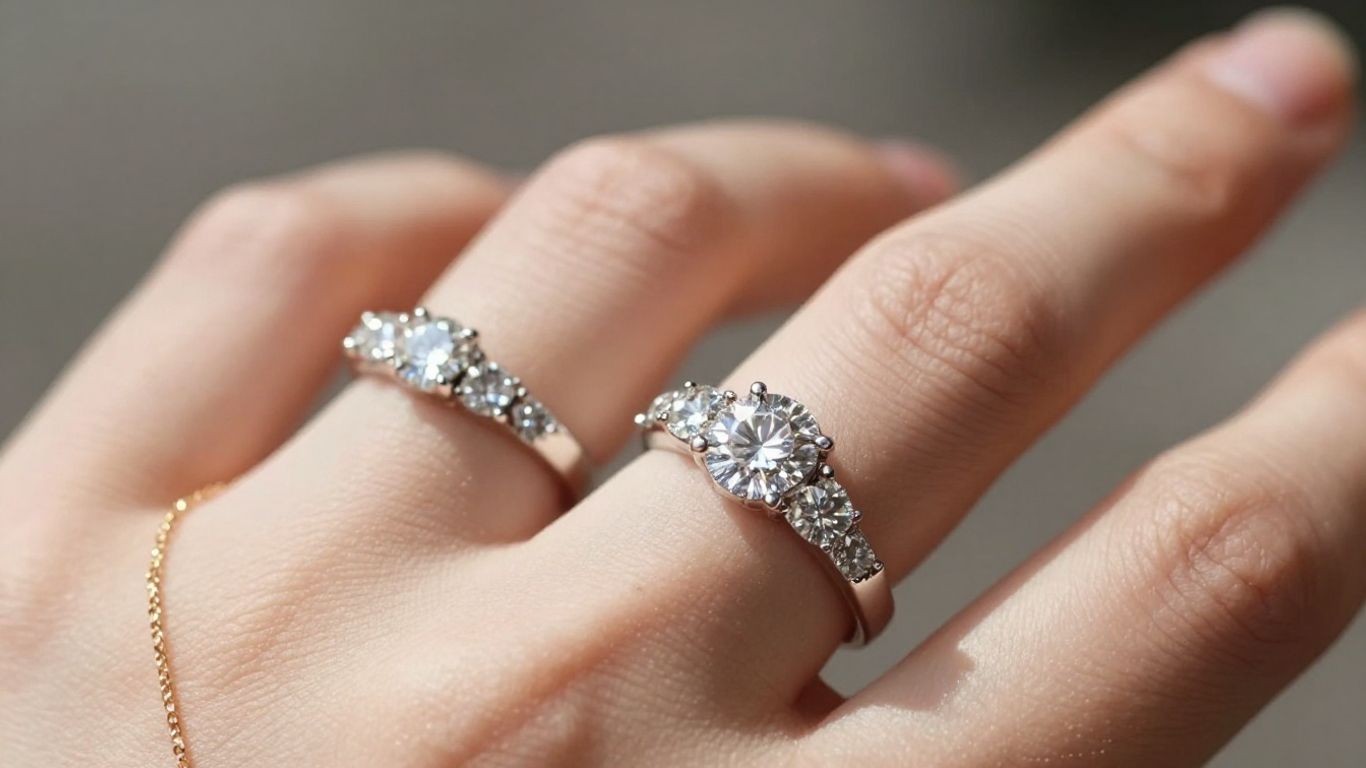
Planning a jewelry sales campaign can feel like a big task, right? It’s not just about showing off pretty things. You’ve got to think about who you’re talking to, what you’re actually saying, and where you’re saying it. This guide is here to help break down some jewelry sales campaign tips to make your next push a success. We’ll look at understanding your customers, crafting messages that stick, picking the right places to sell, and some ideas to get those sales moving.
Key Takeaways
- Figure out who your ideal jewelry buyer is by looking at their age, interests, and what they care about. This helps you know who to target.
- Make your campaign message stand out by showing what makes your jewelry special and telling stories that connect with people’s feelings.
- Decide if selling online, in a store, or both makes the most sense for your jewelry business and use social media to get the word out.
- Use special deals, like limited-time offers and bundles, and reward loyal customers to encourage more sales.
- Remember that jewelry purchases take time, so consistent communication and building trust through email marketing are super important for long-term success.
- Understanding Your Target Audience for Jewelry Sales
- Crafting a Compelling Campaign Message
- Choosing the Right Sales Channels for Your Jewelry
- Promotional Strategies to Boost Jewelry Sales
- Wrapping It Up
- Frequently Asked Questions
- What are the best ways to get people interested in buying jewelry online?
- How can jewelry brands use emails to sell more?
- How often should jewelry stores send out marketing emails?
- What makes a good subject line for jewelry emails?
- How can I make my jewelry marketing stand out?
- What are some popular times to run jewelry sales campaigns?
Understanding Your Target Audience for Jewelry Sales
Demographics and Psychographics of Jewelry Buyers
When you’re trying to sell jewelry, knowing who you’re talking to is pretty important. It’s not just about age or where they live, though that stuff matters. You also need to think about what they like, what they care about, and why they’d even want a piece of jewelry in the first place. Are they buying for a special occasion, like an anniversary, or just treating themselves because, hey, why not?
Think about the basics first. Are you aiming for younger folks just starting out, maybe looking for something trendy and affordable? Or are you targeting a more mature crowd with higher incomes, who might be interested in investment pieces or classic designs? This can really change how you talk about your products. For instance, a campaign focused on ethical sourcing might appeal to a younger, more socially conscious buyer, while a focus on heritage and craftsmanship could draw in a different group.
Here’s a quick look at some common buyer profiles:
- The Milestone Marker: Buys jewelry for significant life events – engagements, weddings, graduations, big birthdays. They want something memorable and often sentimental.
- The Self-Purchaser: Buys jewelry for themselves, often as a reward or a confidence booster. They might be more trend-aware and appreciate unique designs.
- The Gift Giver: Buys jewelry for others – partners, family, friends. They might be looking for something universally appealing or something that reflects the recipient’s personality.
- The Collector/Investor: Buys jewelry for its intrinsic value, rarity, or potential to appreciate. They are often knowledgeable about gemstones and precious metals.
Understanding these different motivations helps you tailor your message. A piece that signifies a lifelong commitment is different from a trendy necklace that’s perfect for a night out.
Identifying Niche Markets within Jewelry
The jewelry world is huge, and trying to appeal to everyone is a recipe for getting lost. That’s why finding your niche is a smart move. It helps you focus your efforts and really connect with a specific group of people who are more likely to buy from you.
What kind of niches are out there? Well, you’ve got your classic ones like bridal jewelry or fine diamonds. But there are so many more specific areas you could explore. Think about:
- Sustainable and Ethical Jewelry: This is a big one these days. People want to know where their jewelry comes from and that it’s made responsibly. Highlighting eco-friendly materials or fair labor practices can be a major selling point.
- Personalized and Custom Jewelry: Pieces that can be engraved, birthstone-specific, or designed to order. This taps into the desire for something truly unique and meaningful.
- Minimalist or Everyday Wear: Simple, understated pieces that can be worn daily without being over the top. These often appeal to a broad audience looking for versatility.
- Statement Jewelry: Bold, eye-catching pieces designed to be the focal point of an outfit. This market often follows fashion trends closely.
- Men’s Jewelry: A growing market that includes everything from wedding bands to stylish bracelets and necklaces.
Identifying your niche isn’t just about picking a category; it’s about understanding the specific needs, desires, and values of the people within that category. It’s about becoming the go-to brand for that particular kind of jewelry buyer.
By zeroing in on a niche, you can create marketing campaigns that speak directly to a passionate audience. This makes your message more relevant and your sales efforts more effective. It’s like talking to a friend who gets exactly what you’re looking for, rather than shouting into a crowd. For example, if you focus on unique engagement rings, your marketing can highlight custom designs and the romantic stories behind them, attracting couples who want something beyond the ordinary.
Crafting a Compelling Campaign Message
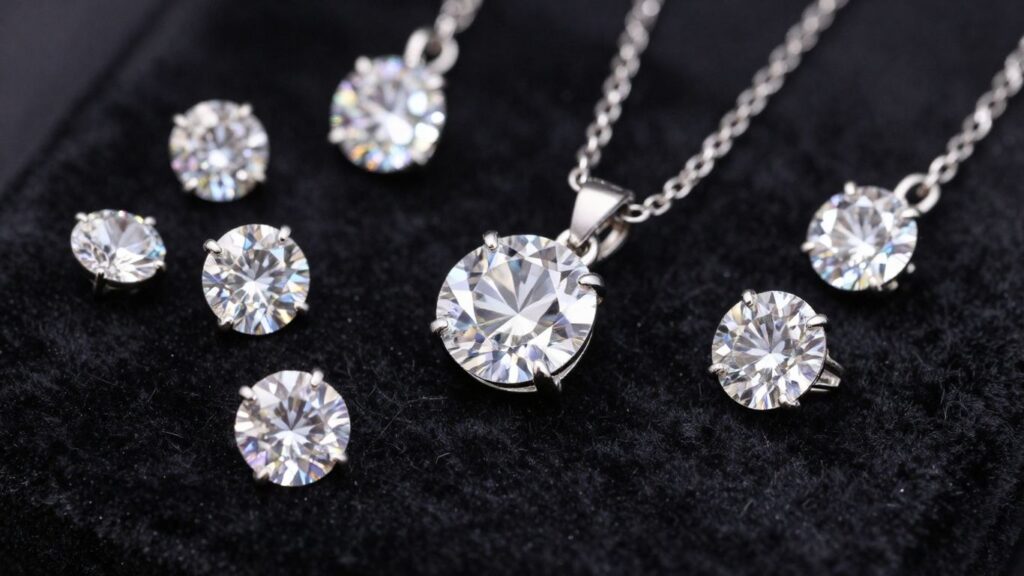
So, you’ve figured out who you’re trying to reach with your jewelry. Great! Now, how do you actually talk to them? It’s not just about showing pretty pictures; you need a message that sticks. Think about it like this: if your jewelry is the star, your campaign message is the script that makes everyone want to see the show.
Highlighting Unique Selling Propositions (USPs)
What makes your jewelry stand out from the crowd? This is your USP. It could be the materials you use, the way it’s made, or even the story behind the design. Don’t just say it’s ‘high quality’; explain why it’s high quality. Are you using ethically sourced gemstones? Is each piece handcrafted by a local artisan? These details matter. People want to know what makes your brand special. For instance, if you specialize in custom engagement rings, your USP is personalization and the emotional significance of that custom piece. It’s about more than just the metal and stones; it’s about creating a symbol of a unique love story. This is where you can really connect with potential buyers by showing them something they can’t get anywhere else. Think about what makes your brand tick and shout it from the rooftops (or, you know, your ad copy).
Storytelling: Connecting Emotionally with Customers
Jewelry isn’t just an accessory; it’s often tied to big moments and deep feelings. Birthdays, anniversaries, graduations, or just a ‘thinking of you’ gift – these are all stories. Your campaign message should tap into those emotions. Instead of just listing features, tell a story. Share how a particular necklace was inspired by a grandmother’s legacy, or how a pair of earrings is meant to capture the sparkle of a new beginning. Real customer stories are gold here. Sharing testimonials or photos from happy customers wearing your pieces can build trust in a way that polished ads sometimes can’t. It shows authenticity. Consider campaigns that focus on family heirlooms or the romance behind a specific piece. These narratives make your jewelry more than just an item; they make it a part of someone’s life and memories. A well-told story can make a sale feel less like a transaction and more like a meaningful connection. It’s about creating a feeling, not just selling a product. You can find some great examples of how brands have done this effectively in recent jewelry campaigns that have garnered attention.
Here’s a quick look at how different types of stories can work:
- The ‘Milestone’ Story: Focuses on significant life events like engagements, weddings, or graduations.
- The ‘Legacy’ Story: Highlights pieces passed down through generations or inspired by family history.
- The ‘Self-Love’ Story: Celebrates personal achievements and treating oneself.
- The ‘Connection’ Story: Emphasizes gifts that strengthen bonds between friends or partners.
When crafting your message, always ask yourself: ‘What emotion does this piece evoke?’ and ‘What moment in someone’s life could this jewelry be a part of?’ Answering these questions will guide you toward a message that truly connects.
Remember, people buy jewelry for reasons that go beyond simple adornment. They buy it to commemorate, to express love, to feel special, or to mark a personal achievement. Your campaign message needs to reflect that depth. By focusing on the why behind the purchase and weaving compelling narratives, you can create a campaign that doesn’t just sell jewelry, but also creates lasting impressions and builds a loyal customer base. This approach helps in creating high-converting jewelry ads that speak directly to the heart.
Choosing the Right Sales Channels for Your Jewelry
Picking where to sell your jewelry is a big deal. It’s not just about having a pretty website or a nice shop; it’s about meeting your customers where they are. Think about it: a customer buying a piece of jewelry isn’t usually making a quick decision. They’re often researching, comparing, and thinking it over. So, you need to be present in the right places to catch them at the right time.
Online vs. Offline: Pros and Cons
Both online and physical stores have their own strengths. Online selling means you can reach people all over the world, 24/7. It’s generally cheaper to set up than a brick-and-mortar store, and you can track customer behavior really well. Plus, with good product descriptions and photos, you can show off your pieces effectively. However, people can’t physically touch or try on the jewelry, which can be a barrier for some buyers. Returns can also be a bit more common.
On the flip side, an offline store offers that tactile experience. Customers can see the sparkle, feel the weight, and try things on. This can build trust and lead to impulse buys. It also creates a personal connection. But, it comes with higher overhead costs like rent and staff, and your reach is limited to your local area or whoever visits your shop. It’s a different kind of customer engagement.
Here’s a quick look:
- Online:
- Wider reach, 24/7 availability
- Lower startup costs
- Detailed analytics
- Can be harder to build trust without physical interaction
- Offline:
- Tangible customer experience
- Personal connection building
- Higher overheads
- Limited geographic reach
The key is often finding a balance. Many successful jewelry businesses use a mix of both, creating an omnichannel experience where customers can browse online and buy in-store, or vice versa. This approach caters to different shopping preferences and maximizes your touchpoints.
Leveraging Social Media for Jewelry Promotion
Social media is practically made for showcasing beautiful things like jewelry. Platforms like Instagram and Pinterest are highly visual, making them perfect for high-quality photos and videos of your pieces. You can share lifestyle shots, behind-the-scenes glimpses of your crafting process, or even customer testimonials. This visual storytelling is incredibly powerful for jewelry sales. It helps potential buyers imagine themselves wearing your designs. You can also use social media to run targeted ads, engage directly with your audience through comments and messages, and even host live shopping events. It’s a dynamic way to build a community around your brand and drive traffic to your online store or physical location. Don’t forget to use relevant hashtags to increase discoverability and consider collaborating with influencers who align with your brand’s aesthetic. Proper jewelry organization can even be a content theme, showing customers how to care for their purchases.
Promotional Strategies to Boost Jewelry Sales
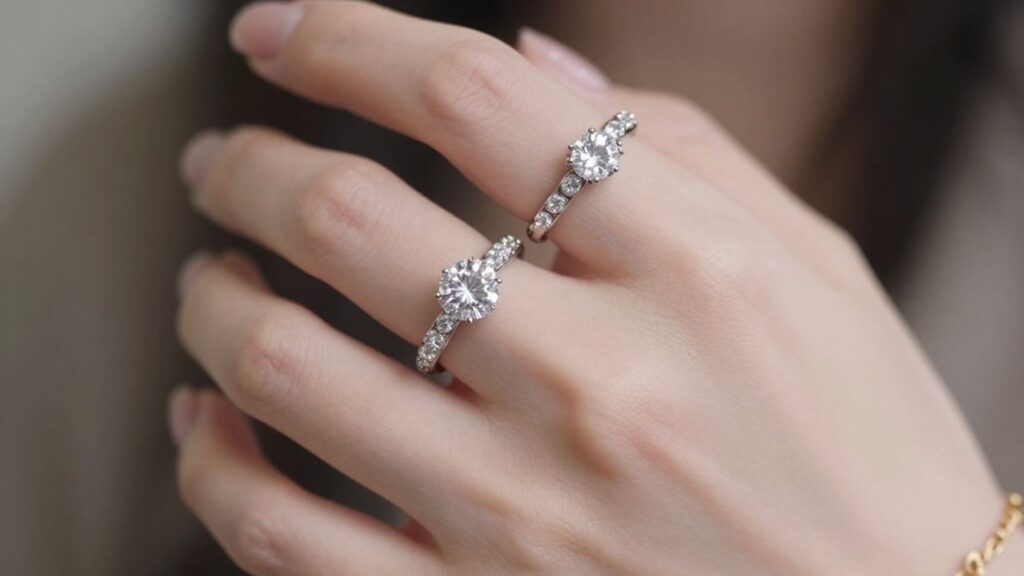
So, you’ve got a killer jewelry collection and a solid understanding of who you’re selling to. Now, how do you actually get those pieces into customers’ hands and boost your revenue? It’s all about smart promotions. Think beyond just slapping a ‘sale’ sticker on things. We’re talking about creating genuine excitement and value that makes people want to buy, not just because it’s cheaper, but because it feels like a great deal or a special opportunity. The goal is to make every promotion feel like an event.
Limited-Time Offers and Bundles
Creating a sense of urgency is a classic, but effective, tactic. Flash sales, even if they only last a few hours, can really drive immediate interest and sales. People are more likely to act when they know a deal won’t be around forever. It’s a great way to clear out inventory or push a specific collection. For example, a six-hour flash sale can create a sudden spike in revenue. It gives hesitant buyers that little nudge they need without training them to always wait for discounts.
Bundles are another smart move. Think about pairing a necklace with matching earrings, or a bracelet with a ring. Customers often feel like they’re getting more for their money when they see one price for multiple items, rather than adding up the cost of each piece individually. It simplifies the decision-making process and can increase your average order value. Shoppers tend to buy more when similar items are offered together, and jewelry pieces naturally complement each other.
Loyalty Programs and Referral Incentives
Don’t forget about the customers who already love your brand. Loyalty programs are fantastic for encouraging repeat business. Offer points for purchases, exclusive early access to new collections, or special birthday discounts. These perks make your existing customers feel appreciated and give them a reason to keep coming back.
Referral incentives are also gold. Encourage your happy customers to spread the word. Offer a discount or a small gift to both the referrer and the new customer they bring in. Word-of-mouth is incredibly powerful, especially in the jewelry world where trust and personal recommendations matter a lot. It’s one of the most effective ways to reach new audiences interested in jewelry promotion ideas.
Here are some ideas to get you started:
- Gift Guides: Curate lists for different occasions like anniversaries, birthdays, or holidays. Organize them by price point to make shopping easier.
- Bundle Deals: Combine complementary items like necklaces and earrings for a special price.
- Gift With Purchase: Offer a small, useful item like a jewelry cleaning kit when a customer spends over a certain amount.
- Seasonal Collections: Tie promotions to upcoming holidays or seasons, like a Valentine’s Day special or a summer trends collection.
When planning your promotions, always think about the story behind the piece. People connect with jewelry on an emotional level. Highlighting the craftsmanship, the origin of the materials, or the sentiment behind a gift can be just as persuasive as a discount. It’s about building a connection that lasts beyond the sale, which is key for boosting jewelry store revenue.
These strategies, when used thoughtfully, are powerful tools for increasing sales and building a loyal customer base. They are core components of successful jewelry marketing strategies and are vital for figuring out how to sell more jewelry.
Wrapping It Up
So, there you have it. Selling jewelry online isn’t just about pretty pictures; it’s about building connections. Remember, people aren’t usually impulse buying a necklace or a ring. They’re thinking, planning, and looking for something special. That’s where smart campaigns come in. By focusing on stories, offering real value, and showing up consistently through email, you can build that trust. Don’t try to do everything at once. Pick a few ideas that feel right for your brand, give them a shot, and see what clicks with your audience. Keep it personal, keep it real, and you’ll be well on your way to making your next campaign a big success.
Frequently Asked Questions
What are the best ways to get people interested in buying jewelry online?
Since buying jewelry is a big decision, people often look around a lot before buying. Showing them cool stories about your jewelry and sharing helpful tips, like how to style pieces or take care of them, can really grab their attention and build trust. Special deals that don’t last long also give them a reason to buy sooner.
How can jewelry brands use emails to sell more?
The best way is to give customers something valuable first, like style advice or interesting facts about jewelry, before trying to sell them something. When customers trust what you share and see you as an expert, they’re much more likely to buy from you when you do offer a product.
How often should jewelry stores send out marketing emails?
For most jewelry stores, sending about two emails each week is a good balance. Sending too many emails can make people stop opening them or even unsubscribe. A steady, regular schedule helps build trust over time, which is better than sending a lot of emails all at once and then going silent.
What makes a good subject line for jewelry emails?
A great subject line is short and makes people curious or clearly shows them what’s in it for them. Mentioning something exciting like a new collection or a deal that’s ending soon works well. Try to avoid using all capital letters or too many emojis, as this can make your email look like spam and fewer people will open it.
How can I make my jewelry marketing stand out?
Focus on telling stories that connect with people’s feelings. Share why a piece is special or the meaning behind it. Also, show off how your jewelry is made responsibly or is good for the environment. People care more about these things than just the price tag.
What are some popular times to run jewelry sales campaigns?
Big holidays like Valentine’s Day, Mother’s Day, and the end-of-year holiday season are perfect for jewelry sales because people are already looking to buy gifts. You can also create campaigns around special events like anniversaries or birthdays, or even use trends like ‘New Year, New Look’ to encourage purchases.
