Blog

  • how to ship jewelry internationally

    Jewelry Shipping: Your Global Guide

    Key Takeaways

    International jewelry shipping becomes much easier when you treat compliance, protection, and customer communication as one process.

    • Check destination-country rules before accepting an order.
    • Describe the item accurately on customs forms and keep supporting records.
    • Use discreet, layered packaging that prevents movement and damage.
    • Confirm insurance limits, exclusions, duties, and taxes before dispatch.
    • Offer tracking and delivery confirmation for every valuable shipment.

    Understanding International Jewelry Shipping Regulations

    The first step in learning How to ship jewelry internationally is understanding that rules vary by origin, destination, material, and declared value. Gold, silver, gemstones, watches, plated pieces, and costume jewelry may be treated differently by customs authorities. Sellers should check the destination’s official import guidance before promising a delivery date or accepting payment. BuyJewelleryOnline.net provides buying advice for jewelry shoppers, but the final responsibility for an international shipment rests with the sender and recipient.

    Customs Declarations and Documentation

    A customs declaration should describe the item plainly and accurately, including its material, type, quantity, country of origin, and sale value where requested. Avoid vague wording such as “gift” when the package contains a commercial order. A clear invoice, proof of purchase, and any available gemstone or metal documentation can help explain the shipment if customs asks questions.

    For customs for jewelry exports, consistency matters. The product description, invoice, declared value, and order record should agree rather than offering several different versions of what is inside the parcel. The following overview can help you organize the basic information before checking the destination’s exact requirements.

    InformationWhat to prepareWhy it matters
    Item descriptionType of jewelry and primary materialHelps customs classify the shipment
    QuantityNumber of pieces in the parcelSupports accurate assessment
    ValueTransaction value and currencyMay affect duties, taxes, and insurance
    OriginCountry where the item was madeCan influence tariff treatment

    After preparing the paperwork, review every field before sealing the package. Keep digital copies of the declaration and invoice, along with photographs of the item and packaging. That small recordkeeping habit can make a delayed or questioned shipment much easier to resolve.

    Prohibited and Restricted Items

    Some destinations restrict precious metals, loose stones, antiques, pearls, animal-derived materials, or jewelry containing protected natural elements. Even when an item is legal to sell at home, importing it may require a permit, special wording, or a particular shipping service. Sending precious metals overseas therefore calls for more than choosing an international postage option; it requires a destination-specific check.

    Do not assume that a carrier’s general parcel rules cover every type of jewelry. Review both the carrier’s terms and the importing country’s customs guidance, especially for diamonds, colored gemstones, cultural artifacts, and pieces with unusual materials. When the rules are unclear, pause the order and ask the relevant customs office or carrier for written guidance.

    A practical store policy should explain which destinations are excluded, who pays duties, and what happens if customs rejects or returns a parcel. Clear terms protect the customer from surprise and help the seller avoid dispatching an item that cannot legally enter its destination.

    Choosing the Right Shipping Carrier for Your Jewelry

    The best carrier depends on the item’s value, destination, delivery window, insurance needs, and the carrier’s published restrictions. A fast service is not automatically the safest choice, and a low quoted rate may exclude important protection or destination fees. Compare the complete service rather than judging it by postage alone.

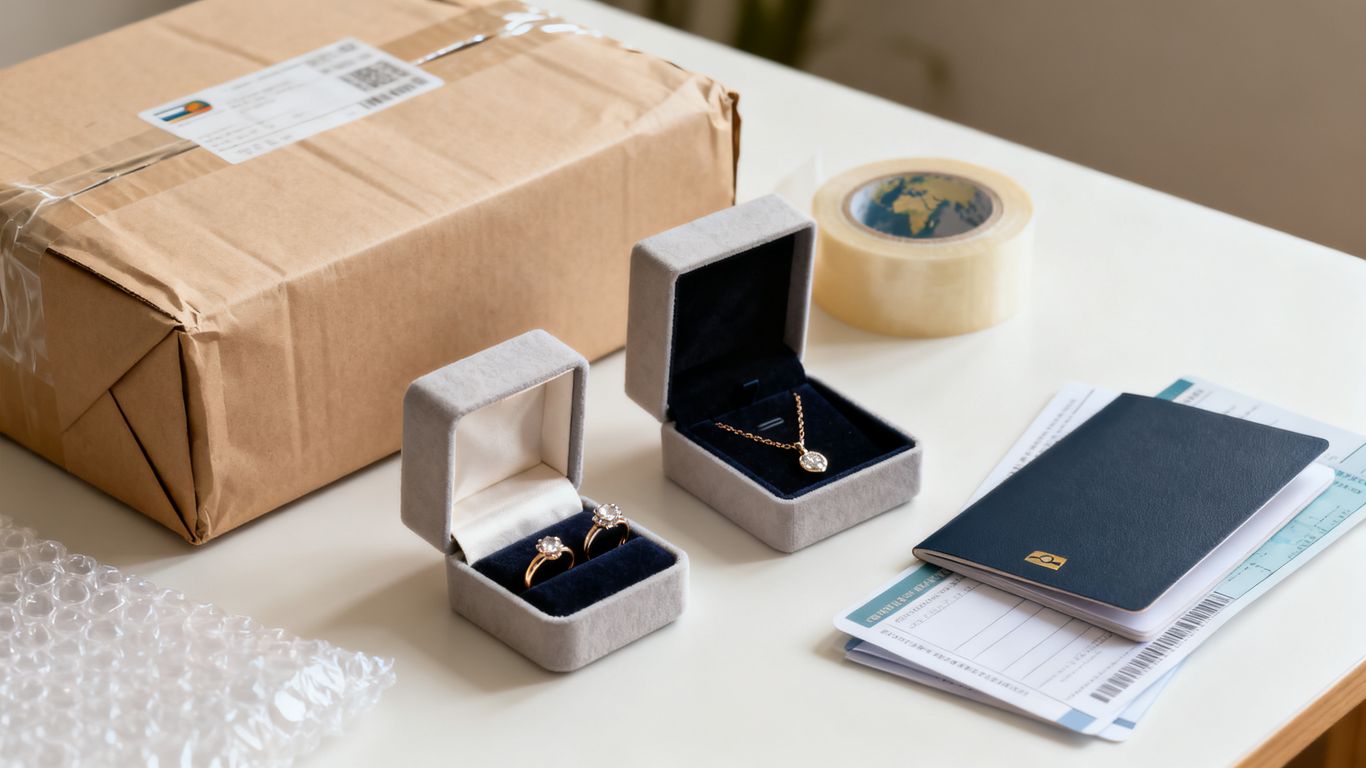
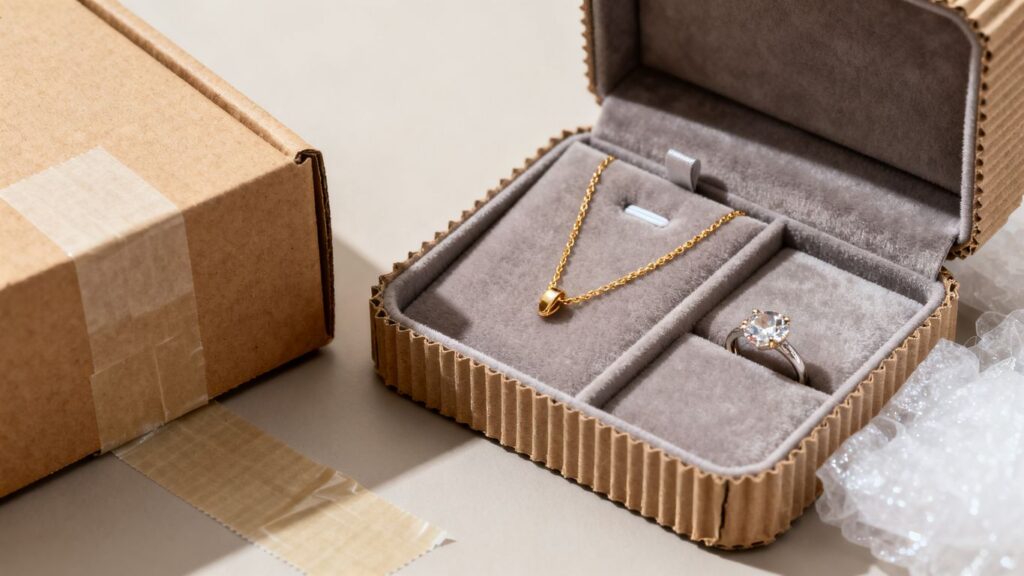
    Secure international parcel beside jewelry box
    Secure international parcel beside jewelry box

    BuyJewelleryOnline.net discusses online jewelry purchasing for an international audience, and shipping is one practical part of that buying journey. Sellers should also consider whether the carrier offers reliable scans, customs support, delivery attempts, and a signature option. These details matter particularly when a customer is receiving a small, valuable parcel at a private address.

    Major International Carriers: Pros and Cons

    Large postal and express networks can be convenient because they cover many countries and offer familiar tracking systems. Express operators may provide quicker customs handling, while postal services can be useful for lower-value pieces or destinations where their local delivery partnerships are strong. The trade-off is that service levels, declared-value limits, and jewelry exclusions differ by route and product.

    Compare services using the same questions rather than relying on reputation alone. Ask whether jewelry is accepted, what value can be declared, which losses are excluded, and whether a signature is available at delivery. Also check how claims are handled if the parcel arrives damaged or the tracking record stops updating.

    Specialty Jewelry Shippers

    Specialty shippers may be worth considering for unusually valuable, delicate, or time-sensitive pieces. Their value is often found in procedures designed for high-value goods, such as controlled handoffs, specialized insurance arrangements, or delivery coordination. Those services can cost more, so the extra protection should be weighed against the item’s value and the customer’s expectations.

    Before booking, request the current terms in writing and confirm that the precise item is covered. Ask about packaging requirements, claim evidence, destination exclusions, and whether the shipment must use a particular service level. A carrier comparison is most useful when it ends with a documented choice, not simply a familiar name.

    Packaging Your Jewelry for Safe International Transit

    Packaging has to protect the piece from impact, abrasion, moisture, and unwanted movement while keeping the contents discreet. It also creates the customer’s first physical impression, so security should not mean careless presentation. The safest approach is a compact inner package placed inside a stronger, plain outer box with cushioning between the two.

    Inner Packaging: Protection and Presentation

    Start by separating pieces that could scratch one another or catch on chains and settings. Use a soft pouch, anti-tarnish material where appropriate, or individual wrapping, then place each item in a rigid compartment or jewelry box. Rings should be held firmly, necklaces should be secured against tangling, and earrings should not be allowed to rattle loose.

    A small amount of thoughtful preparation prevents many avoidable problems. Before closing the inner box, check the following points:

    • Fasten clasps and secure loose chains.
    • Cushion stones, prongs, and delicate settings.
    • Keep each piece in its own compartment or wrap.
    • Photograph the item and its packed condition.

    Once the inner package is closed, gently shake it near your ear. Any movement deserves attention before the parcel goes farther. BuyJewelleryOnline.net’s practical buying guidance often focuses on choosing and caring for jewelry; the same care in packing helps preserve the condition the customer expected to receive.

    Outer Packaging: Durability and Security

    Use a sturdy outer box that leaves enough room for protective material on every side. A double-box arrangement can reduce the force reaching the inner package, provided the inner box cannot shift inside the outer one. Avoid decorative branding, product names, or words that reveal the contents to anyone handling the parcel.

    Seal all openings with durable packing tape and inspect the corners, seams, and closure before handing the shipment over. The box should look ordinary, remain dry, and have a label that is complete without exposing unnecessary details. A packing slip can go inside, but the outside should carry only the information needed for transport and delivery.

    Record the sealed parcel’s weight, dimensions, and condition. Those details help with quoting, customs paperwork, and any later claim. A plain, well-cushioned box is not excessive for delicate goods; it is a simple way to reduce preventable risk.

    Insurance and Value Protection for High-Value Items

    Standard carrier liability is not the same as full protection for an expensive piece. Before dispatch, read the insurance terms for jewelry, precious metals, gemstones, and watches, including exclusions for unattended delivery, inadequate packaging, or missing documentation. For insured shipping for valuable items globally, the declared value should be accurate rather than deliberately reduced to lower the quoted price.

    Photograph the jewelry from several angles and keep the invoice, appraisal, certificates, and packing record together. If a claim becomes necessary, the insurer may ask for evidence of ownership, value, packaging, and the shipment’s chain of custody. Accurate records protect value because they give the claim reviewer something concrete to assess.

    Insurance may also require specific handling, a signature, or an approved shipping service. Confirm whether duties and return transport are covered, and check whether the policy applies in the destination country. Tell the customer what protection is included, what is excluded, and what they should do if the parcel appears opened or damaged.

    Calculating Shipping Costs and Duties for Your Customers

    A useful quote includes more than the carrier’s base rate. Weigh the packed parcel, measure its outer dimensions, and account for fuel surcharges, remote-area fees, signature services, insurance, and any packaging cost passed to the customer. Express delivery may be worthwhile for a high-value order, but the customer should see the reason for the higher price.

    Duties and import taxes are normally determined by the destination country, the item’s classification, origin, and declared value. They may be collected before delivery or requested by the carrier at the border. Do not promise that a package will be tax-free unless an official rule clearly supports that outcome, and explain whether the recipient or seller is responsible for payment.

    Build a destination check into checkout or order review. If a buyer is comparing jewelry purchases across countries, a guide such as international online jewelry shopping can help them think about seller reliability and product information, while the shipping quote should still state its own assumptions. Recheck rates and rules regularly because carrier charges and customs policies can change.

    Tracking and Delivery Confirmation

    Tracking is most useful when it begins at acceptance and continues through customs, local handoff, and delivery. Send the tracking number promptly, but explain that international scans may pause while a parcel is being inspected or transferred between networks. A quiet tracking period does not always mean the shipment has stopped moving.

    For valuable jewelry, choose delivery confirmation and require a signature when the service and destination allow it. Ask the customer to use an address where someone can receive the parcel safely, and make sure the name and phone details match the carrier’s requirements. If a delivery attempt fails, quick communication can prevent a parcel from being returned or left in an unsuitable place.

    Keep a simple shipment log with the order number, tracking history, declared value, dispatch date, and delivery result. If a scan suggests an exception, contact the carrier early and tell the customer what is known without guessing. Guidance on shipping jewelry safely can complement this process, but the seller should always follow the current terms for the selected service.

    Conclusion

    Successful international jewelry shipping comes down to careful checks, honest documentation, protective packaging, suitable insurance, and clear delivery communication. When each step is planned before dispatch, customers receive fewer surprises and valuable pieces have a better chance of arriving safely.

    Frequently Asked Questions

    How should jewelry be described on a customs form?

    Use a plain, accurate description that states what the item is, its main material, quantity, value, and origin when requested. Avoid vague wording or a description that does not match the invoice.

    Can I send gold or silver jewelry internationally?

    Possibly, but rules vary by destination and service. Check import restrictions, carrier terms, permits, documentation requirements, and insurance conditions before accepting the shipment.

    Is regular carrier insurance enough for valuable jewelry?

    Not always. Review the carrier’s jewelry exclusions and declared-value limits, then consider separate coverage if the item’s full value is not protected.

    Should jewelry be shipped in a padded mailer?

    A rigid inner package and sturdy outer box generally provide better protection from crushing and movement. Confirm the selected carrier’s current packaging rules before dispatch.

    Who pays customs duties on an international jewelry order?

    The answer depends on the sale terms and destination rules. State clearly whether the seller or recipient pays, and warn the customer that the carrier may collect charges before delivery.

    Is a signature required when shipping jewelry?

    A signature is not required for every service, but it is a sensible option for valuable shipments when available. It creates a clearer handoff and reduces the chance of an unattended delivery.

    What should I do if tracking stops updating?

    Allow for normal customs or network delays, then contact the carrier if the pause exceeds the expected window. Keep the customer informed and retain invoices, photographs, and tracking records in case an investigation is needed.

  • how to target jewelry buyers online

    Jewelry Buyers Online: Where to Find Them

    Key Takeaways

    Finding jewelry buyers online starts with understanding what they value, not simply placing products in front of as many people as possible.

    • Define audiences by both life stage and personal style.
    • Match visual content to the platform and the buying mood.
    • Use specific, useful search phrases instead of broad terms alone.
    • Build trust with clear product information and helpful guidance.
    • Measure campaigns by meaningful actions, not impressions only.

    Understanding Your Ideal Jewelry Buyer

    Before choosing a channel, decide who you are trying to reach and what they need from a jewelry purchase. A wedding shopper, a festival gift buyer, and someone seeking everyday silver pieces may all respond to different imagery and language. The first step in learning how to target jewelry buyers online is replacing a vague audience with a few practical customer profiles.

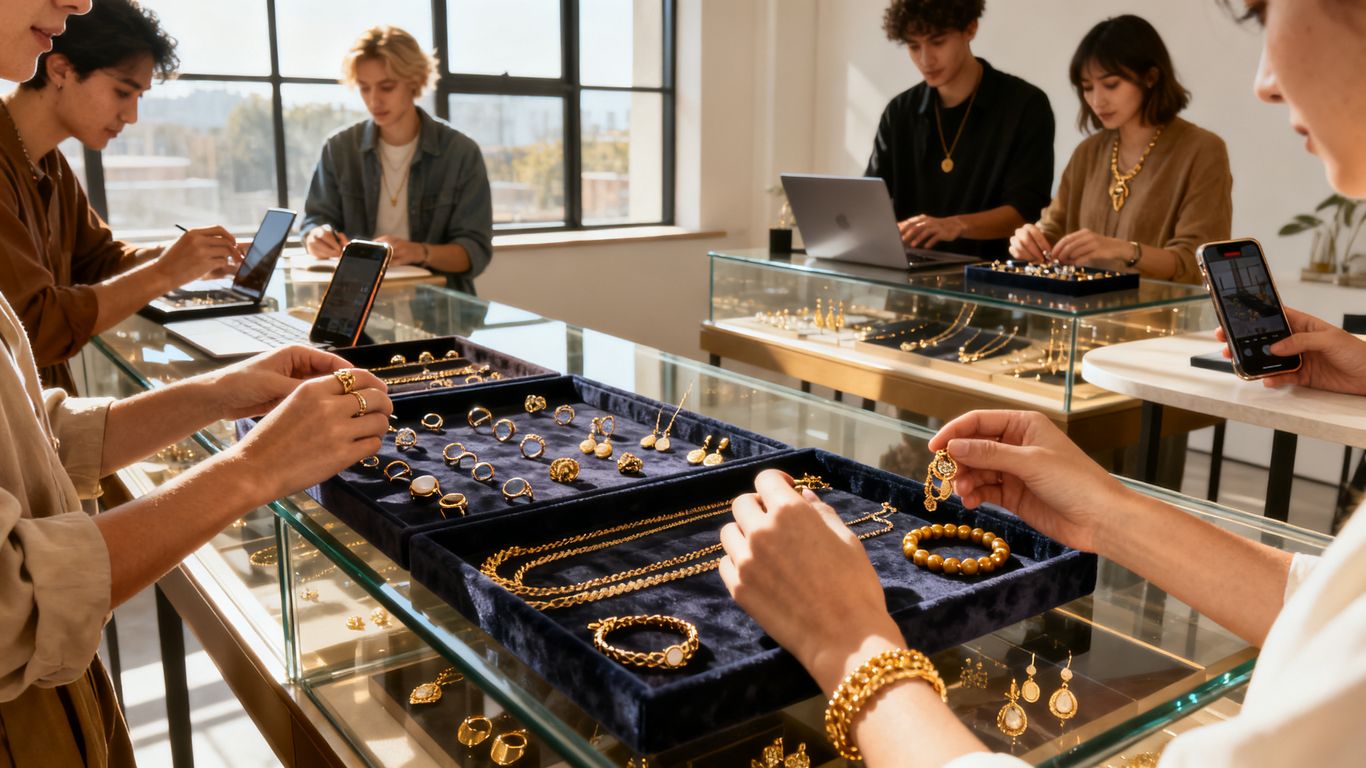
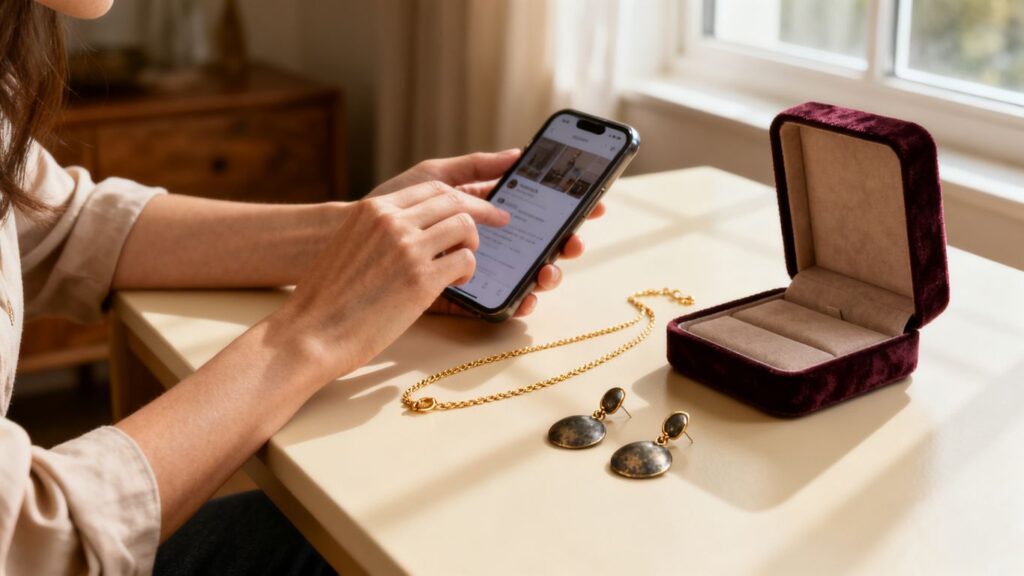
    Jewelry shopper comparing pieces online
    Jewelry shopper comparing pieces online

    Demographics and Psychographics

    Demographics give you a starting frame: location, age range, income, household situation, and the occasions that bring someone to your store. Psychographics add the more revealing details, such as whether a shopper prefers traditional designs, follows fashion closely, values craftsmanship, or wants a practical price comparison. A useful audience profile might describe a customer preparing for a wedding in India, an expatriate looking for a culturally familiar gift, or a fashion-conscious buyer seeking oxidized jewelry for everyday wear.

    Research should also include the questions people ask before buying. Read comments, customer messages, search suggestions, and reviews to see where uncertainty appears. The target jewelry audience guide offers a useful reminder that interests, values, and lifestyle can be as relevant as age or income when shaping a marketing message. For a store serving several countries, keep location-specific shipping, currency, and cultural expectations in separate audience segments rather than placing everyone in one group.

    Motivations for Buying Jewelry

    Jewelry is often connected to a moment, a relationship, or a personal expression of style. Someone buying a gold necklace for a festival may care about cultural meaning and longevity, while someone buying zircon earrings may prioritize appearance, affordability, and versatility. Gift buyers usually need reassurance about presentation, delivery, and returns; self-purchasers may respond more strongly to styling ideas and care guidance.

    For finding customers for jewelry business, map each motivation to a useful message. Ask what prompted the search, what could stop the purchase, and what evidence would make the buyer comfortable. BuyJewelleryOnline.net can support this research-led approach through reviews and buying advice for jewelry shoppers, including guidance across gold, zircon, and oxidized pieces.

    Leveraging Social Media Platforms

    Social platforms work best when jewelry is treated as something people imagine wearing, gifting, or keeping, rather than as a static catalog item. Each channel has its own rhythm, so a single image and caption should not be copied everywhere without adjustment. Plan a mix of product detail, styling context, education, and conversation.

    Instagram and Pinterest: Visual Storytelling

    Instagram is suited to close-up photography, short videos, carousels, and creator-style demonstrations. Show scale on a person, the way a clasp works, the texture of a finish, and how one piece looks with more than one outfit. Pinterest content can take a longer planning view, with collections organized around wedding jewelry, festival dressing, gift ideas, storage, or everyday accessories.

    A strong visual post answers a small question before asking for a click. Use captions to explain materials, care, sizing, or occasion rather than relying on decorative language. This is a practical part of online marketing for jewelry stores: make the feed attractive, but also make it useful enough to save and revisit.

    Facebook is useful for conversations, product previews, live demonstrations, seasonal reminders, and local or interest-based communities. TikTok tends to reward a more immediate, informal style: quick styling changes, close-up inspection, packing videos, or a simple explanation of how to choose a piece. The format can be casual without becoming careless about product details.

    Before building a weekly schedule, choose a few repeatable content themes so the work remains manageable. A simple set might include:

    • One educational post about materials or jewelry care.
    • One occasion-based styling idea.
    • One customer question answered on camera.
    • One behind-the-scenes or product-detail video.

    This sequence gives followers several reasons to return and helps a small team avoid posting only promotional images. It also creates natural openings for comments, which can reveal new language and objections to use in future content.

    Search Engine Optimization (SEO) Strategies

    Search traffic can bring in shoppers who are already comparing styles, prices, materials, or sellers. SEO becomes more useful when it reflects the real stages of a jewelry decision, from broad inspiration to detailed purchase checks. Pages should answer the query clearly and lead readers toward the next sensible step.

    Jewelry SEO planning beside product photography

    Keyword Research for Jewelry Niches

    Start with broad phrases such as “where to sell jewelry online” or “jewelry stores online,” then add details that reveal intent: material, occasion, style, location, or budget. A person searching for gold jewelry in India has a different need from someone searching for oxidized earrings for a wedding. Review search suggestions and your own site data, then group related phrases by the page that should answer them.

    A simple planning table can keep keyword research connected to useful content rather than isolated rankings:

    Search intentExample phraseHelpful page angleNext step
    Inspirationjewelry styling ideasOutfit and occasion suggestionsBrowse related styles
    Comparisongold vs. zircon jewelryMaterials, value, and careRead buying guidance
    Product researchoxidized earrings onlineDesign, finish, and sizing checksView product options
    Purchase reassurancesafe online jewelry shoppingReturns, seller details, and reviewsCheck seller information

    The wording will vary by market, but the principle stays the same: give each search intent a page with a clear purpose. BuyJewelleryOnline.net uses reviews and buying advice as a foundation for helping online shoppers compare jewelry choices, so its content can meet readers while they are still researching.

    Content Marketing for Jewelry Brands

    Content should reduce uncertainty and help readers make a decision they will feel good about later. Explain how to assess product photos, read material descriptions, compare stone details, understand return policies, and care for a finished piece. Seasonal guides can address weddings and festivals, while evergreen articles can cover sizing, storage, cleaning, and gift selection.

    Attracting jewelry enthusiasts does not require every article to be a sales page. A well-made guide may bring in a reader who is only gathering ideas today, then earn trust when that reader returns with a more specific question. Practical topics such as starting an online jewelry business can also reach sellers and enthusiasts who are researching the wider online jewelry market.

    Use internal links to connect related advice, and keep product claims tied to information you can verify. Photos should support the words with accurate scale and detail, especially for small pieces where shoppers cannot handle the item in person.

    Paid Advertising Channels

    Paid campaigns can shorten the path between a buyer’s search and a relevant product page, but only when the audience, offer, and landing page agree. Start with one clear objective, such as qualified visits, email sign-ups, or completed purchases. Set a modest test budget and compare results by audience and creative rather than changing everything at once.

    Google Ads and Shopping Campaigns

    Search advertising is most helpful when the wording signals a specific need. Separate campaigns for branded, category, occasion, and high-intent searches can make performance easier to read. Product pages should then match the promise in the ad, with clear photos, material information, price, shipping details, and return terms visible without unnecessary hunting.

    Shopping-style campaigns depend on accurate product data. Keep titles descriptive, use consistent availability and pricing, and send each click to the closest relevant page. Someone searching for a particular type of necklace should not land on a general homepage and have to begin the search again.

    Social Media Advertising Targeting

    Social advertising can be organized around interests, life events, location, past site activity, or engagement with earlier content, depending on the platform and the permissions available. Build separate creative for gift buyers, occasion shoppers, and people browsing for personal style. Avoid assuming that every person in a broad age or income group wants the same jewelry.

    Test one meaningful change at a time: the opening image, the audience definition, the offer, or the landing page. Watch click quality, product-page engagement, add-to-cart activity, and purchases together. BuyJewelleryOnline.net remains a useful reference point for shoppers who need accessible reviews and buying advice, while paid media can help more of those readers discover relevant guidance.

    Conclusion

    The best strategies to reach jewelry shoppers connect audience understanding with helpful content, strong imagery, and careful measurement. Define the occasion and motivation behind the search, choose channels that fit the way people browse, and make every landing page answer the questions that stand between interest and trust.

    Frequently Asked Questions

    How do I identify jewelry buyers online?

    Study customer questions, purchase occasions, search behavior, location, style preferences, and budget signals. Turn these patterns into a few audience profiles that can guide content and advertising.

    Which social platform is best for jewelry marketing?

    Instagram and Pinterest are strong choices for visual discovery, while Facebook can support community conversations and events. TikTok may suit informal styling and short educational videos; the best choice depends on your audience and content resources.

    What should jewelry ads show?

    Use clear product photography, accurate scale, useful details, and a direct reason to click. Include information that reduces hesitation, such as materials, sizing, delivery, returns, or care requirements.

    Which keywords attract jewelry shoppers?

    Use a mixture of broad category terms and specific phrases containing material, style, occasion, location, or buying intent. More specific searches often reveal what the shopper is trying to decide.

    How can a jewelry website build trust?

    Provide detailed product descriptions, visible policies, clear photos, seller information, and helpful buying guidance. Reviews and consistent answers to common questions can also make online research feel safer.

    Should jewelry businesses use paid advertising?

    Paid advertising can be worthwhile when the campaign has a clear objective, a defined audience, and a relevant landing page. Begin with controlled tests and evaluate meaningful actions rather than reach alone.

    How often should a jewelry business post online?

    Choose a schedule the team can maintain without sacrificing quality. A dependable mix of educational posts, styling ideas, product details, and responses to customer questions is usually more useful than frequent posts with little substance.

  • what is imitation jewelry

    Imitation Jewelry: The Real Deal (Without the Real Price!)

    Key Takeaways

    Imitation jewelry offers an accessible way to enjoy changing styles without treating every accessory as a major investment.

    • Imitation jewelry uses non-precious metals, glass, plastics, crystals, and simulated stones.
    • It can copy the appearance of fine jewelry while allowing more freedom with color and design.
    • Base metals and plated finishes need gentler care than solid precious metals.
    • Cubic zirconia and other simulants can provide sparkle without being diamonds.
    • Thoughtful buying and storage help affordable fashion accessories last longer.

    What Exactly is Imitation Jewelry?

    Imitation jewelry is decorative jewelry made to resemble pieces crafted from precious metals or gemstones, usually at a lower cost. The phrase is often used interchangeably with costume jewelry or fashion jewelry, although sellers may use these terms a little differently. If you have wondered, “What is imitation jewelry?” the simplest answer is jewelry designed to recreate a familiar fine-jewelry look with less expensive materials. This costume jewelry guide offers another useful starting point for understanding its history, materials, and place in personal style.

    Defining Imitation Jewelry: Beyond the Basics

    Imitation jewelry is not necessarily trying to deceive anyone; the name describes its visual relationship to fine jewelry. A pair of crystal earrings may echo the shape of diamond studs, while a plated necklace may borrow the warm appearance of gold. Some pieces are close copies of classic designs, and others simply use familiar jewelry details in a more playful form. The appeal lies in the freedom to wear a look for an occasion without committing to the cost, care, or permanence of a fine-jewelry purchase.

    The category includes everyday earrings, layered chains, cocktail rings, bracelets, brooches, and elaborate necklace sets. A piece can be inexpensive yet carefully designed, especially when its proportions, finish, and setting are well considered. That is why “fake jewelry” can be a misleading phrase: it often sounds dismissive, while imitation jewelry may be a practical style choice with its own character.

    Common Materials Used in Imitation Jewelry

    The materials used in imitation jewelry determine much of its appearance, weight, comfort, and lifespan. Brass, copper, zinc alloys, stainless steel, and other base metals may be polished or covered with a thin plated finish. Decorative elements can include glass, resin, plastic, rhinestones, crystals, cubic zirconia, and synthetic stones. The result ranges from light, colorful pieces for occasional wear to more substantial accessories intended for frequent styling.

    When comparing types of costume jewelry, look beyond the photograph. Check the listed metal, plating, stone material, dimensions, and fastening method. On BuyJewelleryOnline.net, readers can find reviews and buying advice covering fashion jewelry alongside gold, zircon, oxidized pieces, and storage solutions, which can make those comparisons easier.

    The Allure of Imitation Jewelry: Why Choose It?

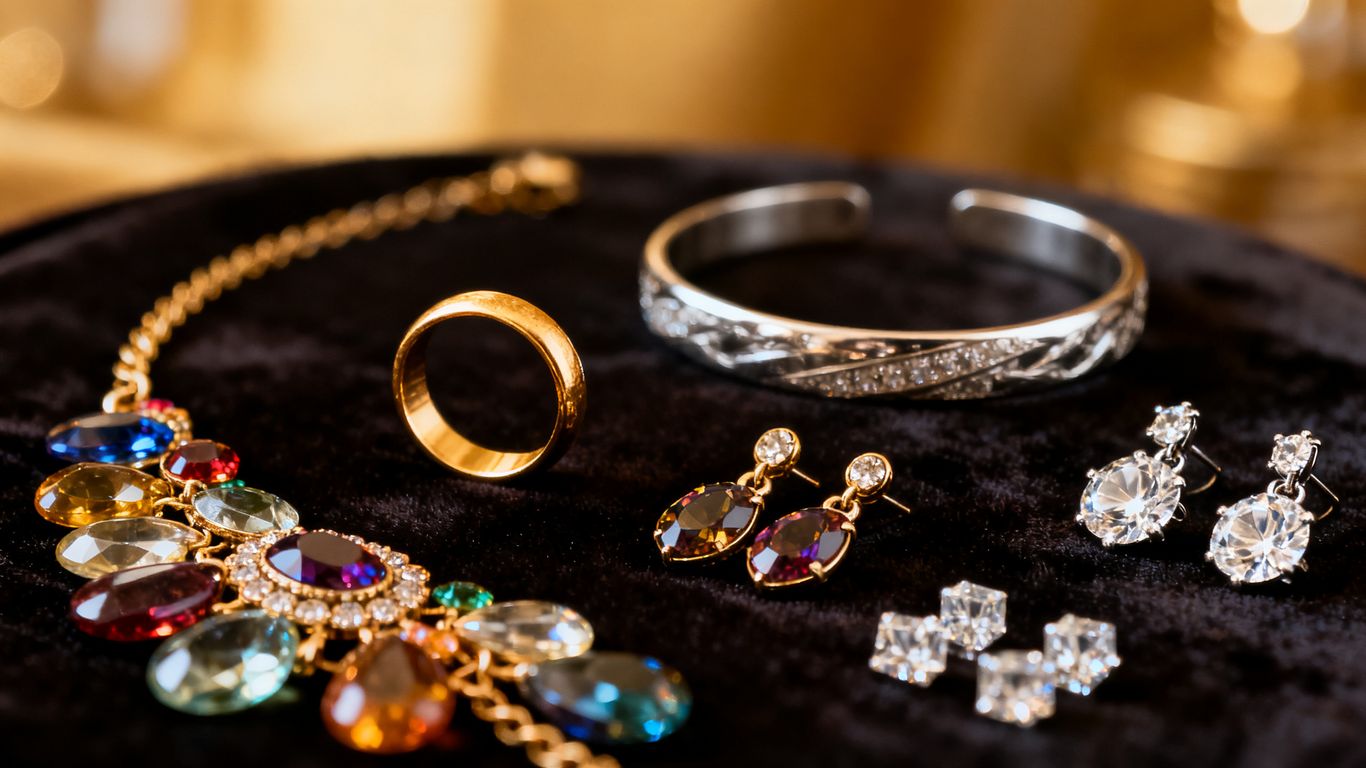
    The strongest case for imitation jewelry is not that it replaces every fine-jewelry purchase. It is that it gives a wardrobe room to change. A bright pair of earrings, a layered chain, or a dramatic necklace can alter an outfit quickly, and the lower price makes that experimentation feel manageable. For shoppers comparing the best fake jewelry online, finish, comfort, and seller information still matter as much as the initial price.

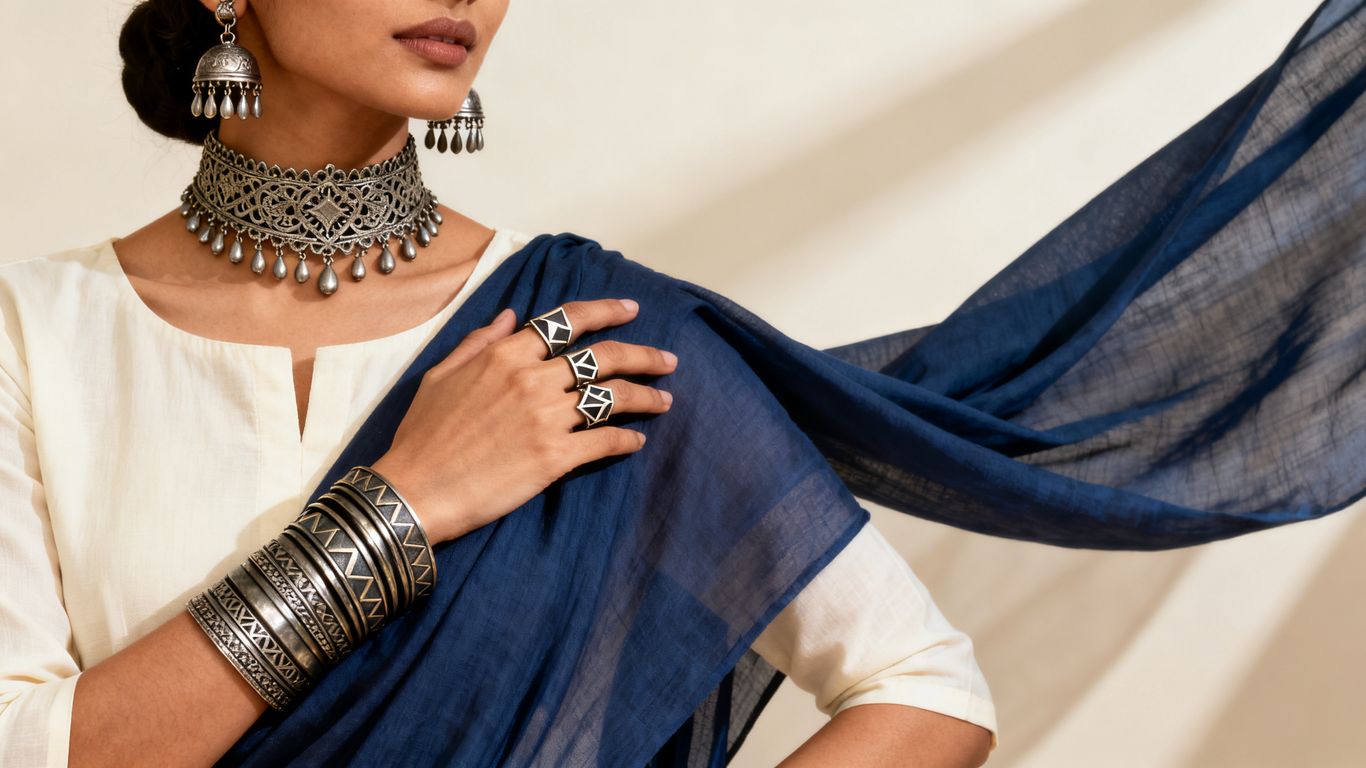
    Colorful imitation jewelry arranged on velvet
    Colorful imitation jewelry arranged on velvet

    That balance of variety and practicality explains why fashion jewelry trends move so quickly. The imitation jewelry overview also helps clarify the difference between pieces that imitate fine jewelry and the broader category of artificial jewelry.

    Fine jewelry can be meaningful, durable, and valuable, but it is not the only way to build a thoughtful collection. Imitation pieces let shoppers try a new silhouette or color before deciding whether it deserves a long-term place in their wardrobe. They can also make occasion dressing less repetitive, since one necklace does not have to serve every wedding, festival, dinner, or casual outfit. A smaller financial commitment can make personal style feel more exploratory.

    Affordability does not mean every inexpensive piece is a good buy. Compare measurements, read material details, and look for clear photographs of clasps and stone settings. BuyJewelleryOnline.net is positioned as a platform for reviews and buying advice, so it can be useful when a shopper wants context before purchasing jewelry online rather than relying on a single product image.

    Variety and Versatility: Endless Style Options

    Imitation jewelry is available in understated and highly decorative forms. A slim chain can sit quietly beneath a shirt collar, while a colorful necklace set can carry a festive outfit on its own. Because the category covers so many finishes and shapes, it is easy to mix metals visually, build a layered look, or keep a few occasion-specific pieces ready for sudden plans.

    The easiest way to use that variety is to shop by outfit needs instead of by trend alone. Consider whether you need small daily earrings, a work-friendly pendant, a statement piece for celebrations, or coordinated accessories for traditional clothing. A collection built around those uses tends to feel more personal and less cluttered.

    Experimentation and Fashion Forwardness

    Imitation jewelry makes fashion experimentation feel less permanent. You can test oversized hoops, sculptural rings, colored stones, or an oxidized finish without asking whether the style will remain relevant for years. That flexibility is one of the central costume jewelry benefits: the accessory can be treated as part of an outfit, not only as an heirloom.

    A small rotation can keep experimentation intentional. Try a few directions rather than buying every passing trend:

    • One bold shape that changes a simple outfit.
    • One neutral piece for frequent wear.
    • One colorful design for celebrations or travel.
    • One layered option that works with existing jewelry.

    After a trial period, keep the pieces you reach for and store the rest carefully. That simple habit turns trend-following into a more useful, personal wardrobe practice.

    Distinguishing Imitation Jewelry from Fine Jewelry

    The visual difference between imitation and fine jewelry is not always obvious in a photograph. Both may use polished surfaces, carefully arranged stones, and classic silhouettes. The more useful distinction is usually found in the underlying materials, construction, documentation, and expected longevity. Understanding those differences helps shoppers choose based on purpose rather than assuming that one category is automatically right for every occasion.

    Fine and imitation jewelry beside material samples
    Fine and imitation jewelry beside material samples

    For online shoppers, BuyJewelleryOnline.net provides a broader jewelry-buying context through reviews and advice, including guidance around gold, zircon, oxidized jewelry, and related purchasing decisions. That kind of comparison is helpful when an accessory needs to satisfy more than a visual preference.

    Precious Metals vs. Base Metals

    Fine jewelry commonly uses precious metals such as gold, platinum, or silver, with the exact value affected by purity, weight, craftsmanship, and design. Imitation jewelry more often uses base metals, including brass, copper, zinc alloys, or steel, sometimes with gold-tone or silver-tone plating. Plating can create an attractive surface, but it is a finish rather than the same thing as a solid precious-metal composition.

    A simple comparison can make product descriptions easier to read:

    FeatureImitation jewelryFine jewelry
    Main metalBase metal or alloyPrecious metal or documented sterling silver
    SurfaceOften plated, polished, or coatedMay be solid, alloyed, or plated depending on the piece
    Typical priceLower and style-orientedHigher, with material value often included
    Long-term careKeep dry and handle gentlyCare varies, but materials may better withstand regular wear

    The table is a guide rather than a promise about every item. Always check the specific listing, because sterling silver, vermeil, and plated pieces can sit between simplistic definitions and may have very different care needs.

    Genuine Gemstones vs. Cubic Zirconia and Other Simulants

    A genuine gemstone is a naturally occurring mineral or organic material used for adornment, though it may be cut, polished, treated, or enhanced. Simulants are different materials chosen because they resemble another stone visually. Cubic zirconia, glass, crystals, resin, and synthetic stones can all appear in imitation jewelry, each with different optical qualities, weight, and durability.

    Zircon deserves particular care in conversation because it is a natural gemstone, while cubic zirconia is a separate simulant. Readers comparing the two can explore this zircon jewelry guide for information about zircon’s colors, pricing, authenticity, and care. Whatever the stone, a trustworthy listing should name it clearly instead of relying only on broad words such as “diamond look” or “crystal finish.”

    Caring for Your Imitation Jewelry

    Imitation jewelry usually rewards simple, consistent care. Perfume, lotion, sweat, moisture, and household chemicals can affect plating, adhesives, and some decorative stones. Put pieces on after beauty products have dried, and remove them before bathing, swimming, exercising, or sleeping. These small changes reduce the wear that tends to make affordable pieces look tired before their time.

    After wearing a piece, wipe it gently with a soft, dry cloth. Avoid soaking jewelry unless the maker specifically says it is safe, since water can reach clasps, settings, or layered finishes. Do not use abrasive toothpaste, rough brushes, or strong chemical cleaners on an unknown material. For additional practical guidance, readers can browse jewelry cleaning advice, especially when a piece includes silver-colored finishes or delicate components.

    Storage matters just as much as cleaning. Keep items dry and separated in a lined box or soft pouches so chains do not knot and surfaces do not rub against one another. If a clasp loosens, a stone shifts, or plating begins to lift, stop wearing the piece until it has been checked or repaired. Care cannot turn base metal into fine jewelry, but it can preserve the appearance and usefulness of a favorite accessory.

    Fashion jewelry continues to benefit from faster design cycles and easier online discovery. Shoppers can see more shapes, finishes, and styling ideas than they once could, while smaller sellers can reach customers beyond a local storefront. The expanding market also includes interest in stainless steel, resin, nickel-free options, and other materials chosen for comfort or specific wearing preferences. Claims about durability or skin suitability should still be checked item by item.

    A second shift is toward more considered purchasing. Buyers increasingly ask where materials come from, how long plating may last, whether packaging is wasteful, and what happens when a piece needs repair. Those questions do not make imitation jewelry less affordable; they encourage people to buy fewer pieces that fit their wardrobes better. Reviews and clear product information can help shoppers weigh appearance against practical use.

    Technology will likely make online selection more informative through better close-up photography, measurement guides, virtual try-on tools, and clearer material descriptions. None of these replaces checking a seller’s policies or reading the listing carefully. The most useful future for imitation jewelry is one where attractive design, honest labeling, comfort, and sensible care advice appear together.

    Conclusion

    Imitation jewelry offers a flexible way to enjoy color, sparkle, and changing fashion without paying fine-jewelry prices for every look. Choose pieces with clear material information, care for them gently, and let your collection reflect the occasions and outfits you actually enjoy wearing.

    Frequently Asked Questions

    What is imitation jewelry?

    Imitation jewelry is jewelry made from less expensive materials to resemble the appearance of fine jewelry or precious gemstones. It is also commonly called costume jewelry or fashion jewelry.

    Is imitation jewelry the same as artificial jewelry?

    The terms overlap, but artificial jewelry can be a broader category of non-precious jewelry. Imitation jewelry usually suggests that a piece is designed to echo the look of a precious-metal or gemstone item.

    What metals are used in imitation jewelry?

    Common choices include brass, copper, zinc alloys, stainless steel, and other base metals. Some pieces receive gold-tone, silver-tone, or other plated finishes.

    Does imitation jewelry contain real gemstones?

    It can, but many pieces use glass, crystals, resin, plastic, cubic zirconia, synthetic stones, or other simulants. Read the product description to identify the actual stone material.

    How long does imitation jewelry last?

    Its lifespan depends on the base material, plating, construction, frequency of wear, and exposure to moisture or chemicals. Gentle handling and dry storage can help preserve its appearance.

    Can imitation jewelry cause skin irritation?

    Some people may react to particular metals or finishes. If your skin is sensitive, look for clear information about the metal composition and stop wearing a piece if irritation develops.

    How should imitation jewelry be stored?

    Store it in a cool, dry place away from direct sunlight, ideally in separate pouches or compartments. Keeping chains apart and wiping pieces after wear helps reduce tangling, scratching, and surface wear.

  • zircon vs cubic zirconia

    Zircon vs. Cubic Zirconia: What’s the Diff?

    Key Takeaways

    Zircon and cubic zirconia may look alike at first glance, but they are different materials with different origins, structures, and wearing characteristics.

    • Zircon is a naturally occurring gemstone made of zirconium silicate.
    • Cubic zirconia, or CZ, is a lab-created form of zirconium dioxide.
    • Zircon has a softer, more varied appearance, while CZ is usually chosen for diamond-like sparkle.
    • Neither stone is a diamond, and each has its own visual appeal and practical trade-offs.
    • Cut, clarity, setting quality, and care matter just as much as the stone’s name when buying jewelry.

    Understanding Zircon: The Natural Gemstone

    Zircon is a natural mineral that has been used in jewelry for centuries. Its name is easily confused with zirconia, but the two are not interchangeable. Understanding its composition and natural origin makes the difference between zircon and CZ much easier to recognize.

    Natural zircon gemstone in jewelry setting
    Natural zircon gemstone in jewelry setting

    What is Zircon?

    Zircon is a natural zirconium silicate gemstone, with the chemical formula ZrSiO₄. It occurs in a range of colors, including colorless, blue, golden, red, brown, and green, depending on its composition and treatment history. Colorless zircon can resemble diamond, while colored varieties have a character that is distinctly their own. BuyJewelleryOnline.net offers natural zircon guidance for shoppers who want to compare authenticity, color, clarity, and care before purchasing.

    The word “zircon” refers to the natural gemstone, not to cubic zirconia. That distinction matters when reading an online product description, since a stone described as CZ is a synthetic diamond simulant rather than a natural zircon gemstone. A laboratory report can be useful when the identity or treatment of a valuable stone is uncertain.

    The History and Origins of Zircon

    Zircon forms naturally in geological environments and can survive for extremely long periods because of its durable crystal structure. Some zircon crystals are among the oldest known minerals on Earth, which gives the gemstone an unusual connection to geological history. In jewelry, however, its appeal is less about age alone and more about the way its color and light return vary from stone to stone.

    Natural zircon is recovered from mineral deposits and then cut for use in rings, earrings, pendants, and other jewelry. The finished appearance depends on the rough crystal, the cutter’s decisions, and the final polish. This natural variation is one reason two zircon stones of the same color can still look noticeably different.

    For buyers, origin is part of the value story, but it should not replace ordinary checks. Ask what the seller means by “zircon,” review the listed dimensions and treatments, and confirm the return policy. A clear description is especially helpful when shopping among imitation diamond alternatives.

    Zircon’s Properties: Hardness, Brilliance, and Color

    Zircon typically measures around 6.5 to 7.5 on the Mohs scale, so it is suitable for many types of jewelry but needs more care than a harder everyday-wear stone. It can show strong brilliance and noticeable fire, with flashes of spectral color that give it a lively appearance. Because zircon is naturally birefringent, some cuts may also show a subtle softness or doubling of facet edges when viewed closely.

    The best color is a matter of taste. Blue zircon is popular for its cool, bright appearance, while warm golden and reddish stones can feel richer and more traditional. When understanding gemstone clarity, remember that a natural stone may contain minor inclusions; these do not automatically mean it is unattractive or poorly made.

    A few practical habits help protect zircon jewelry during regular use:

    • Store each piece separately so harder items do not scratch the stone.
    • Remove zircon rings before strenuous work, cleaning, or exercise.
    • Use mild soap, lukewarm water, and a soft brush rather than harsh chemicals.
    • Ask a jeweler before using ultrasonic or steam cleaning, especially if the stone has been treated.

    These simple steps suit zircon’s moderate hardness and help preserve its polish. They also make it easier to enjoy a natural stone without treating it as though it had the same durability as diamond.

    Exploring Cubic Zirconia: The Diamond Simulant

    Cubic zirconia is a manufactured gemstone created to provide a bright, diamond-like appearance at a more accessible cost. It is often shortened to CZ, and it is widely used in fashion jewelry and fine-looking pieces. Although its name contains “zirconia,” it is not the same material as natural zircon.

    Brilliant cubic zirconia stone closeup

    What is Cubic Zirconia (CZ)?

    Cubic zirconia is the cubic crystalline form of zirconium dioxide, or ZrO₂. It is generally colorless in jewelry, although manufacturers can produce it in different colors. Its high refractive index and strong dispersion give it plenty of brightness and colorful flashes, making it a familiar diamond simulant rather than a synthetic diamond.

    That distinction is useful when comparing zirconia vs diamond. A simulant resembles another gem in appearance but does not share its chemical composition. CZ therefore offers its own combination of clarity, sparkle, weight, and price instead of being a laboratory version of diamond.

    How Cubic Zirconia is Made

    CZ is synthesized rather than mined as a finished gemstone. During production, zirconium dioxide is combined with a stabilizing material, commonly an oxide such as yttrium or calcium oxide, so that the cubic crystal structure can form and remain stable at ordinary temperatures. The resulting crystals are cut and polished much like other faceted gemstones.

    Manufacturing gives CZ a high degree of consistency. Stones can be made in calibrated sizes and a broad range of colors, which is useful for matching earrings, coordinated sets, or repeated design elements. Its lab-created origin also explains why it is commonly available in large, clean-looking stones.

    The production method does not make every CZ stone identical in appearance. Cut quality, facet proportions, polish, and color all affect the final result. A well-cut smaller stone may look more balanced than a larger stone with weak proportions or excessive color flashes.

    Cubic Zirconia’s Properties: Sparkle and Durability

    Cubic zirconia generally measures about 8 to 8.5 on the Mohs scale, making it harder than zircon and suitable for many everyday jewelry applications. It is still not as hard as diamond, so repeated contact with rough surfaces can eventually affect its polish. CZ is also denser than diamond, which means a stone of the same dimensions may feel heavier.

    Its optical character is usually bright and clean. CZ has a refractive index lower than diamond but higher dispersion, so its flashes can appear especially colorful. Some people prefer that vivid look; others favor the subtler, more varied appearance of a natural stone.

    A comparison is most useful when it includes the details that affect wear and appearance rather than focusing only on price. The natural zircon and CZ comparison gives readers another way to review the chemical, structural, and optical distinctions before choosing a piece.

    CZ is often a sensible choice for occasional jewelry, coordinated fashion pieces, or shoppers who want a larger diamond-like stone without the cost of diamond. It still deserves careful setting, sensible storage, and gentle cleaning so its surface remains bright.

    Key Differences: Zircon vs. Cubic Zirconia

    The phrase “Zircon vs cubic zirconia” describes a comparison between a natural gemstone and a lab-created material, not between two versions of the same stone. Their similar names are the main source of confusion. Once origin, hardness, and optical behavior are separated, the choice becomes much more straightforward.

    Origin: Natural vs. Lab-Created

    Natural zircon is mined as a mineral and then shaped, polished, and sometimes treated for jewelry use. Cubic zirconia is synthesized from zirconium dioxide and stabilizers before being cut into gemstones. In simple terms, zircon’s individuality comes from geological formation, while CZ’s consistency comes from controlled production.

    This difference can influence how a buyer thinks about rarity, matching, and value. Natural stones may show more variation in color and clarity, while CZ is easier to produce in uniform sizes and clean appearances. Neither origin automatically makes a piece the better choice; the right option depends on the design, budget, and intended wear.

    Hardness and Durability Comparison

    Hardness describes resistance to scratching, not immunity from damage. Zircon’s approximate Mohs range of 6.5–7.5 calls for thoughtful everyday care, while CZ’s range of 8–8.5 gives it a practical advantage for frequent use. Both can chip or lose polish if struck, poorly set, or exposed to abrasive conditions.

    FeatureNatural zirconCubic zirconiaWhy it matters
    OriginMined natural mineralSynthesized materialHelps clarify identity and expectations
    CompositionZirconium silicateZirconium dioxideSimilar names, different chemistry
    Typical hardnessAbout 6.5–7.5 MohsAbout 8–8.5 MohsAffects scratch resistance
    AppearanceVaried colors and natural characterConsistent, diamond-like brightnessGuides style and matching choices

    The table is a starting point rather than a complete buying verdict. Setting quality and care can make a meaningful difference, particularly for rings that receive more knocks than earrings or pendants. Reviews and buying advice from BuyJewelleryOnline.net can help shoppers weigh those practical details alongside design and price.

    Optical Properties: Brilliance and Fire

    Both materials can sparkle strongly, but they return light in different ways. Zircon’s birefringence can create a softer, sometimes slightly doubled facet appearance, while CZ is optically single-refractive and often looks very clean and bright. CZ may also show pronounced rainbow flashes because its dispersion is relatively high.

    Cut remains central to both stones. A symmetrical, well-polished stone can look lively even when its material is modestly priced, whereas a poorly proportioned cut may appear dull. Examine the stone under more than one type of light if possible, and pay attention to whether the sparkle feels crisp, fiery, soft, or overly colorful.

    For online shoppers, product wording should be read carefully. Look for the exact material, measurements, color, treatment information, and photographs taken at useful angles. BuyJewelleryOnline.net provides jewelry reviews and buying advice for consumers comparing these details, which can be more helpful than relying on a familiar-sounding name alone.

    Conclusion

    Zircon and cubic zirconia are separate gemstones with different chemistry, origins, optical traits, and care needs. Zircon offers natural variation and geological character, while CZ provides consistent, lively sparkle and practical hardness at an accessible price. Knowing the difference lets you choose based on the look and use you actually want, rather than on a confusing name.

    Frequently Asked Questions

    Is zircon the same as cubic zirconia?

    No. Zircon is a naturally occurring zirconium silicate gemstone, while cubic zirconia is a lab-created zirconium dioxide material used as a diamond simulant.

    Is zircon a real gemstone?

    Yes. Natural zircon is a genuine gemstone formed in geological environments and cut for jewelry. It is not a synthetic substitute for another stone.

    Is cubic zirconia a fake diamond?

    CZ is best described as a diamond simulant. It can resemble diamond visually, but its chemical composition and crystal structure are different.

    Which is harder, zircon or cubic zirconia?

    Cubic zirconia is generally harder, measuring about 8–8.5 on the Mohs scale. Zircon usually measures around 6.5–7.5, so it requires more care against scratches.

    Does zircon sparkle like a diamond?

    Zircon can be highly brilliant and show colorful fire, but its optical behavior differs from diamond. Its natural colors and possible facet doubling also give it a distinctive appearance.

    Can cubic zirconia be made in different colors?

    Yes. Although colorless CZ is common, the material can be produced in several colors for different jewelry designs.

    Which stone is better for everyday jewelry?

    The answer depends on the piece and how it will be worn. CZ has a hardness advantage, while zircon can work well with protective settings and careful handling, particularly in earrings and pendants.

  • sparkle up your anklets a quick silver cleaning guide

    Sparkle Up Your Anklets: A Quick Silver Cleaning Guide

    Key Takeaways

    Cleaning your favorite accessories at home is a simple process that helps maintain their luster and value over time. By understanding why tarnish forms, you can better protect your collection and reduce the need for harsh, frequent cleanings.

    • Tarnish occurs as a natural reaction between silver and airborne sulfur compounds.
    • Avoid exposing your jewelry to harsh chemicals like bleach or chlorine during daily activities.
    • Simple household ingredients like baking soda effectively restore shine to metal accessories.
    • Proper storage in airtight containers prevents dust accumulation and moisture-induced dullness.
    • Regular, gentle maintenance is the most effective way to keep your pieces looking new.

    Why Do Silver Anklets Tarnish?

    Understanding the science behind dull jewelry is the first step toward better maintenance. Tarnish is a thin layer of corrosion that naturally develops on the surface of silver, resulting from a chemical reaction between the metal and sulfur compounds present in the atmosphere. Contrary to some myths, it isn’t caused by simple oxidation through water, but rather by the presence of these specific environmental pollutants that bond with the silver alloy.

    Your daily habits play a significant role in how quickly this dull coating develops. Body oils, perfumes, lotions, and even sweat can accelerate the reaction, especially on items like anklets that remain against the skin throughout the day. When these substances combine with the humidity of the surrounding air, they create an environment that encourages tarnish, leaving your once-bright jewelry looking dark or gray.

    Proper storage is essential to slowing this process down. Since most standard jewelry boxes are not perfectly airtight, silver will still tarnish even if it spends most of its time packed away. Finding a spacious jewellery box can help protect your pieces from dust and extreme moisture, ensuring your collection remains protected when you are not wearing your anklets. The goal is to minimize exposure to open air, which is the primary actor in the tarnishing cycle.

    Gather Your Silver Cleaning Supplies

    Common Household Items for Cleaning Silver

    Cleaning your silver jewelry at home
    Cleaning your silver jewelry at home

    Most people unknowingly possess everything they need to restore their jewelry in their own kitchen cabinets. You likely have basic items that serve as an excellent diy silver cleaner for accessories, such as simple baking soda, warm water, and mild dish soap. These elements are non-abrasive when used correctly, making them safe for many types of silver ornaments. You should also gather soft, lint-free cloths for drying and polishing once the cleaning process is complete.

    Specialized Silver Cleaning Products

    If you prefer a more tailored approach, consider investing in dedicated silver cleaning solutions formulated to treat metal gently. While DIY methods are fantastic for light maintenance, these products are often designed to reach into tight crevices or intricate link patterns where a cloth might struggle to reach. When using these, always check the manufacturer’s directions to confirm they are safe for your specific type of alloy, ensuring you restore shine to silver ornaments without using harsh abrasives that could lead to scratches.

    Method 1: The Baking Soda and Aluminum Foil Trick

    Step-by-Step Instructions

    This classic chemistry-based approach is often cited as the best way to shine metal anklets because it uses an ion exchange process to physically pull the tarnish away. Start by lining a small glass bowl with a sheet of aluminum foil, making sure the shiny side faces up. Place your tarnished silver jewelry directly onto the foil and sprinkle one or two tablespoons of baking soda over it. Carefully pour boiling water into the bowl and watch for the chemical reaction, which often features harmless bubbles that signal the tarnish is moving from the jewelry to the foil.

    To ensure consistent results, follow this simple breakdown for the materials and timings required during the process:

    ItemImportanceTiming
    Aluminum FoilChemical catalyst5 minutes
    Baking SodaCleaning agent5 minutes
    Boiling WaterSolvent heat5 minutes
    1. Prepare the bowl by lining it entirely with the foil.
    2. Add the baking soda as the primary cleaning agent.
    3. Pour the hot water and let the pieces sit undisturbed to let the chemical transfer complete.
    4. Rinse the items thoroughly in cool water afterward to remove residue.

    Once finished, lift the anklets out of the water and use a soft cloth to gently pat them dry until they sparkle. This method is highly effective for heavy buildup that standard water washes cannot remove, and it remains one of the most reliable ways to polish tarnished silver jewelry effectively.

    Method 2: Gentle Soap and Water Wash

    When to Use This Method

    A girl wearing silver anklets
    A girl wearing silver anklets

    This method is perfect for routine maintenance rather than deep restoration. If your jewelry has only minor dullness or has been exposed to dust after a long period of storage, a simple soapy soak is the safest route. It is particularly gentle for pieces with delicate hinges or small beads, as it avoids the vigorous scrubbing sometimes needed with harsher acidic cleaners. You should use this approach if you are looking to keep your anklets shiny without the need for intensive chemical reactions.

    How to Perform the Wash

    Start by mixing a small amount of mild, non-phosphate dish soap into a bowl of warm water until a light lather forms. Submerge your silver pieces and let them sit for about five to ten minutes, which allows the soapy water to loosen any surface oils. If there appears to be stubborn dirt in the links, take a soft-bristled toothbrush and use very light circular motions to brush the area. After rinsing with clear water to ensure no soap residue remains, dry the piece completely with a soft cloth to prevent water spots.

    When dealing with everyday wear, using customizable jewellery options can often lead you to select designs that are easier to clean and manage. Sometimes, knowing exactly what to do helps immensely, and you can always check our comprehensive jewellery portal for more advice on keeping your accessories in pristine condition. Always remember that thorough drying is just as important as the washing step, as residual moisture can actually trap dust and cause the metal to dull faster than if you had left it alone.

    Method 3: Using Commercial Silver Polish

    Using a professional polish is a great middle ground between DIY methods and expert intervention. These products are manufactured specifically to strip away layers of oxidation without causing microscopic abrasions to the silver surface. Many modern polishes also include a protective agent that creates a microscopic film, which helps keep the jewelry shiny for a significantly longer period after use.

    When applying these polishes, it is essential to use a clean, dedicated microfiber cloth. Apply a small amount of the solution to the cloth, not directly to the anklet, to maintain better control and prevent over-saturation. Gently buff the piece in long, steady strokes, working the product into the intricate design of the ankle chain, then wipe away any excess to reveal the brand-new luster beneath.

    It is beneficial to read the back of the bottle before you begin, as some harsher industrial polishes are meant strictly for heavy silverware rather than sensitive personal jewelry. If the tag mentions it is for fine jewelry items, you can proceed with confidence, knowing the formula is safe for delicate metals. Keeping a high-quality jewellery box nearby will allow you to store the piece immediately after polishing, ensuring the protective coating stays intact for as long as possible.

    Tips for Maintaining Your Silver Anklets

    Daily habits are the biggest factor in how often you will need to clean your jewelry. Try to apply your lotions, perfumes, and hairsprays before putting on your anklets, as the chemicals in these products can react poorly with silver and lead to accelerated tarnishing. By waiting for your skin products to dry completely, you ensure that the metal encounters only clean skin rather than a cocktail of substances that may dull the finish.

    Proper storage is another critical aspect of maintenance that many people ignore. When you are active, such as going to the gym or doing deep household cleaning, it is often best to set your jewelry aside in a secure, dry location. Keeping your collection organized in a dedicated jewelry keeper ensures that each piece remains separate, preventing tangling and potential scratches, which can invite tarnish into the surface texture over time.

    Finally, make it a habit to wipe your anklets down with a soft, clean cloth after every use. A few seconds of care before placing them back into your storage container removes the oils from your skin before they have a chance to settle into the metal. This consistent and gentle care is the surest way to preserve the original shine of your silver, meaning you will spend less time cleaning and more time enjoying your favorite pieces.

    When to Seek Professional Cleaning

    There are situations where home remedies might fall short or potentially cause damage to a beloved piece. If your anklet features delicate gemstones, intricate filigree, or vintage solder points, DIY methods can sometimes cause as much harm as good. A professional jeweller has the right equipment, such as ultrasonic cleaners, that vibrate dirt and tarnish out of even the smallest gaps without any abrasive physical contact.

    If you find that your jewelry remains discolored despite your best scrubbing, it may indicate a chemical or structural issue that requires an expert’s eye. Sometimes, silver plated items may appear tarnished when, in reality, the top layer has begun to wear away completely through constant friction against the skin. A jeweler can determine if the piece needs a simple professional polish or a full re-plating to bring back that original look you fell in love with.

    Ultimately, if a piece holds high sentimental or financial value, consult a professional rather than experimenting with an unknown solution. They can also offer personalized storage advice based on the unique alloys and stone settings in your collection. Relying on an expert ensures that your jewelry remains intact and beautiful for years to come, and buying jewellery online from reputable sources often gives you direct access to these types of post-purchase support services.

    Conclusion

    Bringing the sparkle back to your anklets is a rewarding project that transforms dull, stored items into vibrant accessories ready to wear again. By choosing the right method for your specific piece and focusing on consistent, gentle maintenance, you can keep your silver collection brilliant and beautiful for a lifetime.

    Frequently Asked Questions

    Can toothpaste be used to clean silver anklets?

    While some sources suggest toothpaste, it is often too abrasive for fine silver and can leave permanent micro-scratches on the surface of your jewelry.

    How often should I clean my silver anklets?

    Cleaning is only necessary when you notice a visible dullness; for most, this means a quick wipe-down every few weeks and a deeper clean once every few months.

    Does swimming in a pool affect silver jewelry?

    Yes, the chlorine present in pool water is highly reactive with silver and can cause rapid, severe tarnishing that is difficult to remove without professional help.

    Are there any natural ways to prevent tarnish?

    Storing your silver with a silica gel packet or a small piece of chalk inside your jewelry box helps absorb moisture and sulfur in the air, slowing down the tarnish process.

    Can I use vinegar to clean my silver?

    Vinegar can be used in combination with baking soda to form a foam that cleans effectively, but you must be careful not to let the soak time become too long due to the acidity.

    Why does my silver tarnishes faster than someone else’s?

    Everyone has a unique body chemistry, and factors like your diet, medications, or skin acidity levels can influence how quickly the silver on your skin reacts with the environment.

    Should I use paper towels to dry my silver?

    Avoid using paper towels, as they often contain wood fibers that can be slightly abrasive to silver; instead, always opt for a soft, clean cotton or microfiber cloth.

  • gold ornate floral pendants with crystal centers laid on a weathered wooden surface

    Costume Jewelry 101: The Sparkle Without the Splurge!

    Key Takeaways

    Exploring the realm of fashion accessories reveals how you can elevate your style affordably through smart, fashionable choices. Here are the core insights into this versatile category:

    • Costume jewelry is crafted from non-precious materials to mirror high-end fashion trends.
    • History shows these pieces were designed to be both accessible and stylish alternatives to collectibles.
    • Common materials include base metals like brass and various glass-based stones or synthetic crystals.
    • Versatility allows for constant style updates without the investment cost associated with fine metals.
    • Proper storage and gentle cleaning are essential to extend the life of your collection.

    What Exactly is Costume Jewelry?

    Costume jewelry refers to decorative items manufactured as affordable ornamentation to complement specific outfits. Unlike fine jewelry, which often serves as a long-term investment or keepsake, these pieces prioritize aesthetic variety and current fashion appeal over intrinsic metal or gemstone value. Understanding what is costume jewelry? helps shoppers navigate the market with clearer expectations regarding their purchases.

    The Key Difference: Precious vs. Costume

    The fundamental distinction lies in the materials used for construction and their intended longevity. Fine jewelry typically utilizes precious metals like gold or platinum, making it durable enough for everyday wear across decades. In contrast, costume options allow for more experimental designs at a lower price point, acting as affordable fashion accessories that cycle with changing trends.

    A Brief History of Fashionable Fakes

    The story of costume jewelry is one of democratization and design ingenuity, moving from aristocratic finery to accessible beauty. Designers began creating these pieces in the early 20th century to match the rapid evolution of seasonal wardrobes, effectively bridging the gap between luxury and daily life. As these types of imitation jewelry became more popular, they challenged the notion that high fashion required extravagant budgets.

    Vintage inspired ornate jewelry
    Vintage inspired ornate jewelry

    The Rise of the ‘Bijoux de Mode’

    This shift empowered women to treat accessories as an extension of their clothing rather than rigid status symbols. Factories produced detailed replicas that felt substantial yet remained light enough for elaborate styling. Over time, the concept evolved into a staple category within the fashionable costume necklaces market, allowing designers to push creative boundaries without the constraints of prohibitive material costs.

    Materials That Make Costume Jewelry Shine

    Crafting affordable beauty requires a blend of clever engineering and material selection. Manufacturers look for finishes that provide maximum visual impact, often creating layers that mimic the shine of luxury pieces while maintaining a lightweight feel. This art of simulation allows the benefits of buying costume jewelry to shine through in every season’s new collection.

    Metals: Brass, Copper, and Plated Wonders

    Most durable pieces start with a core of base metals like brass, copper, or steel, which are then treated with a thin metallic finish to achieve a gold or silver look. These materials allow you to experiment with where to find trendy costume earrings that keep their luster through careful handling. Some popular composition methods include:

    MaterialPrimary UseCharacteristic
    BrassBase StructureHigh Durability
    CopperStructural CoreWarm Undertone
    RhodiumOuter PlatingMirror Finish

    Stones: Glass, Rhinestones, and Imitations

    The sparkle in costume jewelry usually comes from synthetic stones, cut glass, or high-quality rhinestones rather than mined precious gems. These stones are specifically designed to catch the light in a similar fashion to diamonds, providing high-drama effects for gala events or everyday office wear. By selecting pieces with precision-cut stones, you can achieve a sophisticated glow, such as that found in Zircon jewellery, without the heavy price tag associated with rare minerals.

    Why Choose Costume Jewelry?

    Costume jewelry offers an invitation to participate in fashion evolution at a scale that traditional precious jewelry cannot match. The primary attraction lies in the balance of cost and visual reward, enabling you to build a broad collection that matches every garment in your closet. Choosing these pieces is not about finding an investment but about celebrating personal creativity and style updates.

    Affordability and Accessibility

    Accessibility is perhaps the greatest strength of the costume market, as it removes the financial barrier to owning stylish accessories. You can easily buy jewellery online and refresh your look whenever a new micro-trend appears, ensuring that your collection never feels outdated or static compared to your wardrobe.

    Trend Following and Versatility

    Because production is leaner and faster, designers can respond to runway aesthetics much quicker than the fine jewelry sector. This agility creates a playground where you can test bold shapes, clashing colors, and oversized silhouettes. Many people find they can explore oxidized jewellery styles or modern minimalist trends with equal ease, treating each acquisition as a fun stylistic venture.

    Expressing Personal Style

    Ultimately, the freedom to rotate your accessories allows you to define your identity through your choices. Whether you prefer delicate layering or massive statement pieces, the range in this category is vast enough to satisfy any preference. This diversity ensures that your jewellery accessories act as a genuine, evolving reflection of your personal taste.

    Caring for Your Costume Jewelry Collection

    The longevity of your collection depends heavily on how you handle your pieces between wears. Because these items often use plated metals, it is critical to avoid exposing them to moisture, perfumes, and heavy lotions, which can cause the finish to peel or dull over time. Storing them in a cool, dry place prevents common tarnishing issues that often affect base metals.

    When cleaning your pieces, skip harsh chemicals or abrasive cloths that might scratch the delicate plating or loosen embedded stones. A simple swipe with a soft, lint-free cloth after wear is typically enough to remove natural oils and dust buildup. Maintaining this habit keeps your items looking crisp and vibrant for much longer periods.

    Finally, keeping your items organized in a dedicated holder helps you manage your collection effectively and prevents mechanical damage. Avoid stacking heavy items on top of fragile ones, which can cause crushing or bending. By investing time in proper upkeep, you ensure that your selected pieces stay ready for any future occasion.

    Conclusion

    Embracing costume jewelry opens up a world of fashionable possibilities, allowing you to curate an expressive and dynamic collection that keeps pace with your evolving style. By understanding the materials and care required to keep your pieces looking their best, you can enjoy a versatile wardrobe that brings you joy and confidence every day.

    Frequently Asked Questions

    Can costume jewelry cause skin irritation?

    Yes, some individuals may experience skin sensitivity if the jewelry contains base metals like nickel. If you have sensitive skin, look for pieces labeled as hypoallergenic or those with anti-tarnish protective coatings.

    Is it possible to clean costume jewelry with soap and water?

    It is generally best to avoid soaking these items, as moisture can infiltrate the settings and cause damage or oxidation. A lightly dampened cloth is safer for routine cleaning than a full wash.

    How do I store costume jewelry to prevent tangling?

    Using specialized jewelry boxes with individual compartments or hanging displays for necklaces can prevent tangling. Storing each piece separately is the most effective way to avoid scratches and surface damage.

    Are rhinestones considered precious stones?

    No, rhinestones are essentially glass or acrylic crystals designed to mimic the sparkle of precious gems. They are a staple of costume jewelry because they are cost-effective but provide significant visual appeal.

    Can professional jewelers repair costume pieces?

    While some jewelers may offer repair services, it is often more cost-effective to replace the piece due to the materials used. Complex repairs are usually impractical on base-metal settings.

    How often should I update my costume jewelry collection?

    There is no strict rule, as it depends entirely on your personal style and local fashion trends. Many people choose to refresh their collection seasonally to stay aligned with current color palettes and design styles.

    Does high price always indicate better quality costume jewelry?

    Not necessarily, as many factors like brand design and marketing contribute to the final price tag. Focusing on the durability of the plating and the security of the stone settings will often lead you to a better-quality piece, regardless of the brand prestige.

  • womans ankle with a gold anklet on a beach

    Summer’s hottest trend: A guide to selecting and styling your perfect anklet

    The anklet has emerged as the definitive accessory of the summer, transcending its historical roots in ancient civilizations to become a modern staple for celebrities and fashion enthusiasts alike. Whether seen on the runways of major design houses or adorning the feet of A-listers, this versatile piece of jewelry is once again commanding attention, proving that style often rests in the details of our everyday ensembles.

    Key takeaways

    • The anklet trend combines Y2K nostalgia with contemporary minimalist and coastal aesthetics.
    • Styling is highly flexible; stack multiple chains for a maximalist look or choose a singular, dainty piece for elegance.
    • Material durability is essential—prioritize water-resistant materials like solid gold or high-quality plated steel for summer activities.
    • Modern fashion emphasizes personal expression over strict traditional rules about which ankle to adorn.

    A trend for every aesthetic

    As temperatures rise, the shift toward shorter hemlines and open-toed footwear provides the perfect canvas for anklets. From delicate gold chains that offer a touch of refinement to beaded or charm-adorned pieces that capture a laid-back, coastal vibe, there is an option for every occasion. Unlike more complex accessories, the anklet provides a subtle “IYKYK” (If You Know, You Know) detail that elevates a look without overpowering it. Whether you are heading to a formal event or relaxing at the beach, this versatile accessory bridges the gap between casual and polished.

    Choosing the right materials

    At BuyJewelleryOnline.net, we always emphasize the importance of material selection, especially for items exposed to the elements. During the summer, your jewelry is likely to encounter humidity, saltwater, or perspiration. If you plan on wearing your anklet at the pool or beach, consider investing in solid gold or high-quality stainless steel, which are more resistant to tarnishing. For those who enjoy rotating their style frequently, gold-plated brass or silver pieces can be an excellent, budget-friendly choice, though they require mindful care to maintain their luster. Always check for quality plating to ensure your investment stays vibrant through the season.

    Styling your foot jewelry

    There is no “wrong” way to wear an anklet today. While some traditions associate different ankles with specific meanings, modern style is defined by individual expression. For a sophisticated office look, consider a minimalist metal chain paired with classic pumps. If you are aiming for a more bohemian or romantic aesthetic, try layering several anklets of varying textures—such as pearls, shells, or delicate link chains—with comfortable ballet flats or sandals. Remember, the goal is balance; if your outfit is busy, a sleek, simple anklet will offer the perfect finishing touch.

    Further reading

  • selling sparkle your online jewelry biz guide

    Selling Sparkle: Your Online Jewelry Biz Guide

    Key Takeaways

    Starting a digital venture requires careful planning and a deep understanding of your audience. The following points summarize the essential steps for establishing a presence in this competitive field.

    • Define a clear niche to stand out in a saturated market.
    • Choose an e-commerce platform that aligns with your technical capabilities.
    • Prioritize professional imagery to build customer trust virtually.
    • Implement SEO best practices to improve your store’s visibility.
    • Maintain consistent updates to keep your product catalog relevant.

    Understanding the Online Jewelry Market

    You need to understand buyer behavior before launching. When you begin to how to sell jewelry online, remember that trust is the foundation of the transaction. Successful merchants look beyond local boundaries to find broader interest in their designs.

    Identifying Your Niche and Target Audience

    Focusing on a specific style helps you reach buyers more effectively. Whether you offer custom Zircon jewellery or artisanal pieces, finding your unique value proposition is vital. Researching jewelry accessories can help identify gaps in current offerings.

    Analyzing Competitors

    Observing what others do helps you adjust your e-commerce jewelry marketing approach. Many struggle because they mimic larger brands without a plan. Comparing the pros and cons of online vs. offline jewelry shopping helps you refine your value proposition.

    Setting Up Your Online Store

    Interior view of modern jewelry store
    Interior view of modern jewelry store

    Setting up your digital space requires selecting tools that simplify management. A reliable store layout matters more than flashy aesthetics when convincing shoppers to buy. You should consider how users interact with your catalog on mobile devices.

    Choosing the Right E-commerce Platform

    Selecting a system that supports your future growth is a core task when you intend to grow your jewelry brand online. Consider the following feature comparison when evaluating platform options.

    Feature TypeBasic PlatformsAdvanced Solutions
    Setup DifficultyLowHigh
    CustomizationLimitedExtensive
    Scaling PotentialRestrictedHigh

    Selecting a platform based on your current technical skill allows you to focus on operations rather than constant troubleshooting.

    Designing a User-Friendly Website

    Focusing on navigation enables your visitors to find exactly what they need in seconds. A clean, intuitive design often improves conversion rates because it reduces frustration. Keep checkout flows simple to ensure customers reach the final purchase stage without abandonment.

    Crafting Compelling Product Listings

    Close up of gold jewelry
    Close up of gold jewelry

    Words and images function together to present your brand promise. When you start an online jewelry store, these elements serve as your primary sales staff. High-quality assets represent the key to success in a digital environment.

    High-Quality Photography is Key

    Great images communicate quality and craftsmanship to discerning buyers who cannot touch the products in person. Clear, well-lit photos allow customers to appreciate every detail of the design.

    Writing Enticing Product Descriptions

    Effective copy highlights benefits while providing necessary specifications. Use these tactics to improve your current descriptions and increase engagement:

    • Highlight the cultural or personal significance of the jewelry.
    • Detail the materials and dimensions clearly for accurate expectation management.
    • Use descriptive language to evoke an emotional connection with the buyer.
    • Include care instructions to reassure the purchaser about durability.

    Refining your writing style helps communicate the value of your pieces to a global customer base.

    Marketing Your Online Jewelry Business

    Building an audience requires sustained effort across various digital channels. You can use platforms like BuyJewelleryOnline.net to understand what modern shoppers value in terms of content and advice. It is the most effective approach to drive traffic organically over time.

    Leveraging Social Media for Sales

    Visual platforms are perfect for building excitement around new collections. You should share behind-the-scenes content that shows how items reach completion to encourage trust and interest.

    SEO Strategies for Jewelry E-commerce

    Optimizing your site for relevant searches keeps your brand visible. When you consider the effort of selling handmade jewelry online, focus on long-term authority rather than quick wins that might evaporate. Research indicates that jewelry design careers follow similar principles of consistency and branding.

    Conclusion

    Focusing on high-quality visuals and a seamless user experience will significantly impact your results. By applying these foundational strategies, you can position your boutique for long-term growth and success within the global market.

    Frequently Asked Questions

    Is it difficult to sell jewelry online?

    Starting the process allows you to reach buyers anywhere, though success relies on consistent effort and strategic planning.

    What platforms are best for beginners?

    Beginners often benefit from platforms that provide built-in discovery tools, while others prefer systems that offer more control over the branding experience.

    Do I need professional photography?

    High-quality visuals are essential for building trust, as they are often the only way a buyer can examine a piece before making a decision.

    How do I manage shipping safely?

    Using insured services and professional packaging ensures your pieces arrive in excellent condition while protecting the value of your inventory.

    Should I offer custom or handmade jewelry?

    Offering specialized pieces allows you to occupy a unique niche, which often leads to higher customer loyalty and less direct competition.

    How often should I update my catalog?

    Regularly adding new jewellery boxes or changing designs helps keep your store fresh and keeps customers returning for new trends.

    Can I succeed without a large marketing budget?

    Organic traffic through SEO and social media engagement provides a solid foundation for growth without requiring excessive initial capital.

    Start Your Journey Today

    Ready to transform your passion into a thriving business? Explore our buying advice to learn about the latest industry standards and see how you can refine your store’s approach to meet the high expectations of today’s discerning jewelry shoppers.

  • sparkle up your gold easy home cleaning tips

    Sparkle Up Your Gold: Easy Home Cleaning Tips

    Key Takeaways

    Regular care is essential for maintaining the lasting beauty of your gold pieces in the comfort of your own home.

    • Use only mild soaps to prevent chemical damage.
    • Gentle manual scrubbing removes daily buildup.
    • Storage solutions like an appropriate jewelry box prevent accumulation.
    • Cleaning frequency depends on your daily wear patterns.
    • Professional checks are recommended for complex settings.

    Why Cleaning Your Gold Jewelry Matters

    Keeping your precious items in peak condition is more than just an aesthetic preference; it is a vital part of caring for your personal investments. Throughout the day, gold accessories interact with environmental pollutants, skin oils, lotions, and perspiration that gradually create a dull, filmy layer. Without intervention, this thin film can obscure the natural luster that makes gold pieces so visually captivating to the wearer.

    Addressing this buildup is crucial because neglect can eventually lead to more significant issues such as surface tarnishing or microscopic corrosion. When you learn how to clean gold jewelry at home, you actively protect the structural integrity of your items. Regular maintenance ensures that your gold remains bright, preserving its market value and sentimental importance for future generations to enjoy.

    Furthermore, investing a little time in maintenance allows you to inspect your items closely for any potential damage. Whether you use a luxury jewelry box or a simple pouch, having clean pieces prevents the transfer of accumulated dirt to other jewelry during storage. If you prioritize consistent care, you will find that your favorite necklaces, rings, and earrings retain their original sparkle far longer.

    Gather Your Cleaning Supplies

    Essential items for DIY cleaning
    #image_title

    Gentle Soap or Detergent

    Choosing the right cleaning agent is the most critical step in your process, as harsh chemicals can ruin the finish of delicate pieces. A few drops of mild dish soap mixed into your container will effectively lift away oils and debris without stripping the metal of its natural properties. It is essential to avoid using heavy-duty cleansers, as these often contain abrasive ingredients that can scratch gold surfaces over time.

    Warm Water

    Pure warm water serves as the gentle foundation for your cleaning solution, providing the necessary temperature to soften stubborn grime. You want to ensure the water is lukewarm to the touch rather than boiling, which protects delicate gemstones or fragile settings from thermal shock. Once mixed with your soap, this solution creates a safe, bubbling bath that penetrates hard-to-reach areas of your jewelry.

    Soft Brush (like a toothbrush)

    Having a soft-bristled brush is vital for dislodging particles stuck within intricate designs, such as behind prongs or inside twisted chains. Utilize this tool with light, circular motions to lift away debris, ensuring you do not apply excessive pressure that could mar the gold surface. By carefully cleaning these crevices, you ensure the brilliance of your treasure is restored to its full potential.

    Soft, Lint-Free Cloths

    After washing, using a dry, soft cloth is the safest way to remove moisture without introducing new scratches. These materials gently wick away water from the surface, preventing hard water stains that can occur if pieces are left to air dry completely. A clean, microfiber cloth or professional polishing cloth is perfect for providing that final buffing touch for a radiant finish.

    The Simple Soap and Water Method

    Step-by-Step Cleaning Process

    Following a structured routine ensures that every piece receives thorough care without the risk of accidental damage. By adhering to these steps, you can safely rejuvenate your collection through simple home cleaning methods.

    1. Prepare a bowl with lukewarm water and a small amount of mild soap.
    2. Submerge your gold items, letting them soak for approximately 15 to 20 minutes to loosen debris.
    3. Gently scrub each piece using your soft-bristle brush, paying attention to hidden crevices.
    4. Rinse your items under a gentle stream of lukewarm water until all soap residue vanishes.
    5. Pat dry thoroughly using your lint-free cloth and inspect for any remaining spots.

    Once finished, you should store your clean pieces in a dedicated jewelry box to maintain their pristine condition after the process.

    Item TypeCleaning FrequencyRecommended Method
    Solid Gold RingsEvery two weeksSoap and water soak
    Gold Chain NecklacesMonthlyGentle light scrubbing
    Gem-Set Gold PiecesQuarterlySpecialized mild solution

    Dealing with Stubborn Grime and Tarnish

    Detailed look at polishing gold
    #image_title

    Baking Soda Paste (Use with Caution)

    For instances where simple soap is insufficient, you might consider a mild baking soda paste to gently abrade away dull spots. You should create a paste by mixing a tiny amount of baking soda with water until it reaches a consistency similar to thin toothpaste, then apply it sparingly to the affected area. It is important to remember that this technique must be used cautiously, as excessive scrubbing on thinner gold plating could lead to unwanted wear.

    For those who prefer not to DIY, sometimes the best way to shine gold involves visiting a professional for specialized services. If you feel hesitant about manual polishing, you might consult a reliable online retailer to see if they offer professional restoration. Using the paste occasionally helps keep the surface bright, but regular, light maintenance is almost always a safer long-term choice.

    Important Precautions for Cleaning Gold Jewelry

    Before you begin the cleaning process, verify that your gold is indeed solid and not significantly worn gold plating. Plated jewelry effectively features a very thin layer of metal, meaning that aggressive scrubbing or strong cleaning mixtures will likely strip away the gold finish. By identifying the material composition upfront, you protect your items from permanent aesthetic damage encountered during maintenance.

    Another safety point involves removing any gemstones, particularly porous ones like pearls or delicate opals, that might react poorly to immersion in soap and water. You should prioritize learning about the specific care needs for your stone settings, as some adhesives or structural components can soften when submerged in liquid. Always err on the side of caution to avoid accidentally loosening a stone during your cleaning session.

    Finally, avoid using store-bought cleaners that claim to work on all metals, as these are often too harsh for the specific needs of fine gold. Instead, stick to the simple, gentle methods that prioritize preserving the long-lasting luster of your gold pieces without compromising their integrity. Careful attention ensures your collection stays beautiful for many years, even with frequent wear.

    How Often Should You Clean Your Gold Jewelry?

    Setting a consistent schedule is the most effective way to prevent the cumulative buildup of oils and everyday debris that drains a piece of its character. For gold pieces worn daily, such as wedding bands or gold earrings, a thorough cleansing every two weeks is generally recommended to keep them at their best. This habit minimizes the chance of deep-seated grime becoming impossible to remove without professional assistance.

    If you find yourself wearing your pieces only for special occasions, you can adjust your schedule accordingly to reflect lighter use. A monthly cleaning session is often sufficient for items that sit in a beautiful storage solution for most of the month, helping them stay ready for your next event. This balanced approach protects your assets without the need for constant, laborious maintenance.

    Ultimately, pay attention to the environment in which you wear your gold, as specific factors like daily exposure to chemical lotions or perfumes may necessitate more frequent attention. Whenever you notice a significant decline in sparkle, it is time to perform a quick cleaning session to restore the original brilliance. By staying proactive and attentive, you ensure your fine jewelry investments remain radiant and pristine throughout their life.

    Conclusion

    Caring for your gold jewelry at home is a manageable and rewarding practice that keeps your collection looking stunning for years to come. By following these gentle cleaning methods, you can remove dulling films and maintain the brilliance of every piece without needing expensive professional equipment. Remember that consistency is the key to preserving the value and beauty of your cherished gold, allowing it to shine just as brightly as the day you brought it home.

    Frequently Asked Questions

    Can I use toothpaste to clean gold jewelry?

    Toothpaste is generally too abrasive for gold and can leave fine scratches on the surface, so it is best to avoid it in favor of mild, soap-based cleaners.

    Is it safe to soak gold jewelry overnight?

    Soaking jewelry for an extended period, especially overnight, is not recommended because the liquid can seep into settings or stone mountings and cause damage over time.

    What should I do if my gold jewelry has gemstones?

    If your jewelry contains gemstones, be extra cautious with soaking times and avoid using any harsh brushes directly on the stones to prevent loosening or cracking.

    Can I safely clean gold-plated jewelry?

    Gold-plated items require much gentler handling than solid gold; you should avoid scrubbing entirely and focus on a very soft, damp cloth to wipe the surface.

    Does chlorine damage gold jewelry?

    Chlorine is extremely harsh on gold and can cause structural damage or discoloration, so you should always remove your gold jewelry before swimming in pools or hot tubs.

    Can I use vinegar to clean my gold jewelry?

    Vinegar is acidic and can potentially harm certain alloys or porous gemstones, so it is safer to stick to mild dish soap mixed with warm water for cleaning.

    Should I dry my jewelry after washing it?

    Yes, thorough drying is essential to prevent water spots and moisture buildup, so always finish the cleaning process by gently buffing your pieces dry with a lint-free cloth.

  • luxury watch brands

    Top 10 Luxury Watches You Need to Know

    Key Takeaways

    Exploring the world of fine watchmaking involves understanding the craftsmanship, history, and innovation that distinguish truly exceptional timepieces from standard commercial offerings.

    • Luxury watches are defined by superior materials, intricate movements, and meticulous hand-finishing.
    • Precision engineering serves as the common denominator for the world’s most prestigious horological houses.
    • Establishing a personal collection often starts by researching the signature models from historical Swiss manufacturers.
    • Market trends indicate that while styles evolve, the value of mechanical mastery remains constant across generations.
    • Understanding the pedigree of a brand helps collectors make informed decisions about long-term investment pieces.

    What Defines a Luxury Watch?

    Setting a luxury timepiece apart from everyday gear requires looking beyond the dial. It is often about the marriage between aesthetic tradition and mechanical complexity, where every gear and spring works in harmony to track time with exacting accuracy over decades. A true high-end watch represents a remarkable feat of engineering that bridges the gap between functional utility and wearable art, often requiring hundreds of hours of manual labor to complete. Enthusiasts frequently seek out information like the essential facts before buying a timepiece to truly appreciate what they are wearing on their wrist.

    While functionality is the baseline, rarity and heritage elevate a watch into the luxury category. Manufacturers often limit production runs of specific models to maintain exclusivity, ensuring that the item remains a symbol of status rather than a mass-market commodity. When considering premium watchmakers to consider for your own collection, it is helpful to look at how specific brands maintain their value over many years.

    • Use of precious metals like gold or platinum for case construction
    • Inclusion of complex complications such as chronographs or perpetual calendars
    • Rigorous quality control and chronometer certification standards
    • Heritage-backed manufacturing techniques passed down through generations

    These elements ensure that the item remains desirable long after the initial purchase date, which is why collectors often approach these items as generational assets. Understanding the market landscape, including the nuance of luxury watch brands available, helps new enthusiasts navigate their options with confidence.

    The Top 10 Luxury Watch Brands

    An artisan inspecting a luxury watch movement
    #image_title

    1. Rolex

    Rolex remains arguably the most recognizable name in the industry, anchored by its reputation for robust durability and timeless design. The brand has mastered the balance of consistency and performance, with signature models like the Submariner providing comfort and reliability for enthusiasts who value daily wearability. When looking for the best luxury watch manufacturers, this firm often serves as the entry point for many serious collectors.

    2. Patek Philippe

    Regarded by many as the pinnacle of horological achievement, this brand specializes in incredibly complex mechanical movements that challenge the limits of traditional physics. Owning a piece from this house is often considered a transition into the highest tier of watch collecting, as their reputation for maintaining legacy quality is unmatched. The following table provides a brief look at how different levels of complexity might affect a collection strategy.

    FeatureEntry-LevelHigh-Complication
    Movement ComplexityStandardPerpetual Calendar
    Production VolumeModerateExtremely Limited
    Investment PotentialSteadyVery High

    3. Audemars Piguet

    This manufacturer gained its modern fame by redefining the sports watch category with the introduction of its iconic octagonal bezel design. By integrating bold structural choices with delicate material craftsmanship, the brand appeals to those who prioritize contemporary aesthetic impact alongside technical mastery. Its presence in the market is a testament to the fact that innovation does not always require abandoning traditional craft.

    4. Omega

    With a storied history involving space exploration and deep-sea diving, this brand has cemented its place through functional grit. The reputation of their most famous chronographs is built on meeting the rigorous standards required for extravehicular activity, proving that accuracy can survive in the most hostile environments. Collectors often view these pieces as tools that have achieved a legendary status through real-world testing.

    5. Cartier

    Known for its distinct geometric shapes and artistic flair, this house brings a jewelry-maker’s eye to the world of watch design. Its timepieces are often celebrated for their elegance and ability to bridge the gap between formal accessories and functional tools. Those interested in jewellery shopping often find the brand’s classic lines a graceful addition to any sophisticated appearance.

    6. Breitling

    Specializing in aviation-inspired gear, the brand maintains a focus on functional utility and bold dials that are easy to read in demanding conditions. Its commitment to chronometer-certified performance ensures that users receive a timepiece built to last, making it a reliable pick for individuals who spend active hours outdoors.

    7. TAG Heuer

    Focusing on the precision world of motorsports, this manufacturer is synonymous with speed and high-level timing. Its history of pushing technical boundaries in track-timing equipment has translated well into the personal timepiece market, offering a dynamic option for those who admire the intersection of engineering and sport.

    8. Jaeger-LeCoultre

    Often called the “watchmaker’s watchmaker,” this entity is famous for its history of supplying movements to many other prestigious houses. Its internal capacity for research and development allows for innovations in case shape and movement slimness that remain the envy of the wider industry.

    9. IWC Schaffhausen

    Blending Swiss precision with a distinct engineering ethos, this brand produces timepieces that are characterized by their clarity and technical efficiency. Their designs are often clean and understated, appealing to individuals who prefer a professional look supported by robust internal components.

    10. Vacheron Constantin

    As one of the oldest manufacturers with continuous production history, this firm represents the height of artistic tradition. Each watch is finished with painstaking attention to detail, showcasing the artisanal skills that have survived the industrialization of the watch world.

    Conclusion

    Selecting a timepiece from any of these renowned makers is a significant journey into the history of craftsmanship and personal style. Whether you are driven by the technical wonder of a complex movement or the enduring aesthetic of a classic model, the world of luxury watches offers something for every enthusiast, find your favorites to start your collection today.

    Frequently Asked Questions

    What are the top 10 luxury watch brands?

    The top 10 list typically includes names like Rolex, Patek Philippe, Audemars Piguet, Omega, and Cartier, among other historical Swiss houses that dominate the global market by value.

    Do luxury watches appreciate in value?

    While some iconic models from prestigious brands have historically shown appreciation, watches should primarily be viewed as personal items to enjoy rather than guaranteed financial investments.

    How often should a mechanical watch be serviced?

    It is generally recommended to have a mechanical watch serviced by a professional every three to five years to ensure the movement remains lubricated and accurate.

    What is a mechanical movement?

    A mechanical movement relies on a series of gears, springs, and a balance wheel to keep time, rather than a battery-powered quartz crystal circuit.

    Can I wear a luxury watch while swimming?

    Always check the specific water resistance rating of your timepiece, as some models are designed for diving while others are intended for minimal exposure to moisture.

    What makes a watch luxury versus standard?

    Luxury watches are defined by the quality of hand-finishing, the use of precious materials, the complexity of the movement, and the brand’s long-term heritage.

    Are quartz watches considered luxury?

    Yes, certain high-end manufacturers produce luxury quartz watches, though mechanical pieces are more traditionally associated with the highest tiers of horological prestige.