Tag: Sparkle

  • Zircon Jewelry: Yay or Nay?

    Zircon Jewelry: Yay or Nay?

    Key Takeaways

    Zircon can be a beautiful, distinctive choice when you understand what you are buying and how you plan to wear it.

    • Natural zircon is a genuine gemstone, while cubic zirconia is a different lab-created material.
    • Zircon offers lively fire, varied colors, and accessible pricing.
    • Its durability is respectable but calls for more care than diamond.
    • Cloudiness, scratches, treatments, and setting quality affect the buying decision.
    • Zircon is most worthwhile when personal style matters more than investment value.

    What Exactly is Zircon Jewellery?

    Zircon jewellery uses zircon, a natural gemstone that occurs in several colors, including blue, yellow, green, red, and brown. Its bright luster and strong dispersion can create flashes of color as it moves in the light. Because the name sounds close to another popular stone, shoppers sometimes assume zircon is simply a diamond substitute or a type of imitation. Knowing the difference is the first step toward judging zircon gemstone quality fairly.

    Natural Zircon vs. Cubic Zirconia (CZ)

    Natural zircon forms in the earth and has its own mineral composition and crystal structure. Cubic zirconia, usually called CZ, is a separate lab-created material made to resemble diamond. They may both appear bright in a ring or pendant, but they are not interchangeable stones, and zircon vs cubic zirconia value depends on different considerations.

    A natural stone may carry interest because of its color, clarity, cut, origin, and rarity. CZ is generally chosen for an affordable look rather than for the characteristics of a mined gemstone. For a useful visual overview of colors, cuts, and setting considerations, this natural zircon guide is a helpful starting point.

    The label on a product listing deserves close attention. Ask whether the description means natural zircon, cubic zirconia, or simply a clear decorative stone, and check whether any treatment is disclosed. That small bit of care prevents disappointment later, especially when comparing a stone’s appearance with its price.

    The Pros of Buying Zircon Jewellery

    The appeal of zircon is not limited to its low price. A well-cut stone can look animated and rich, while its colors give shoppers more room to choose something personal than a conventional colorless stone. For buyers who want jewelry that feels distinctive without stretching the budget, zircon can be a sensible option.
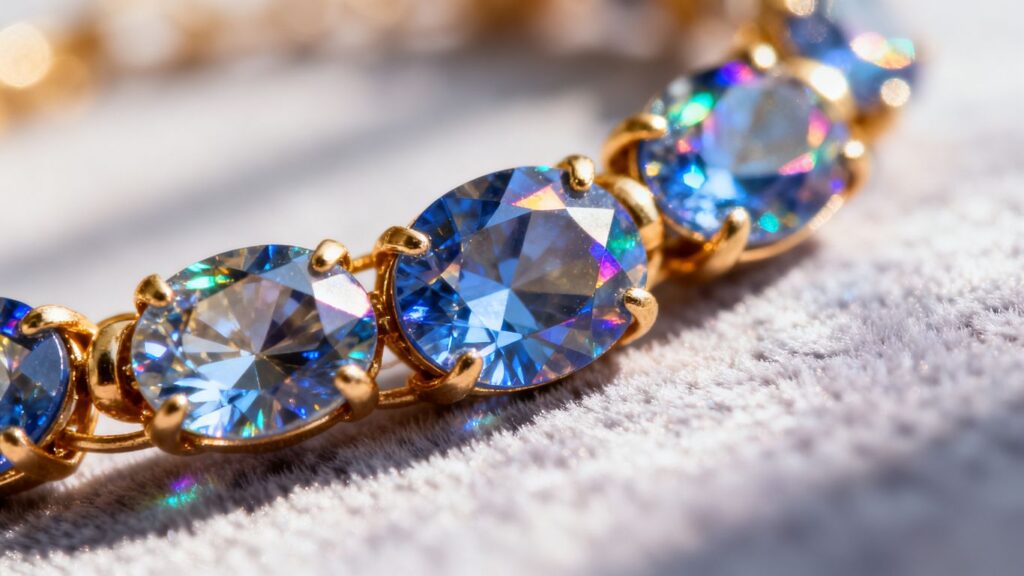
    Blue and golden zircon jewelry in sunlight
    Blue and golden zircon jewelry in sunlight

    Affordability and Accessibility

    One of zircon’s clearest advantages is that it can offer a gemstone appearance at a more approachable price than many high-demand alternatives. The final cost still depends on color, size, clarity, cut, treatment, metal, and workmanship, so “zircon” alone does not establish a fixed price. A careful shopper compares the full piece rather than judging value from carat weight alone.

    At BuyJewelleryOnline.net, buying advice and jewelry reviews are designed to help online shoppers compare pieces before purchasing. A zircon buying guide can also be useful when you are weighing natural stones against CZ listings and checking what a seller has actually described.

    Sparkle and Brilliance

    Zircon is known for lively brilliance and noticeable flashes of spectral color, particularly when it has been cut to make good use of its luster. This gives it a look that can feel bright and lively rather than flat. Whether it is a good diamond alternative depends on your expectations: it can provide impressive sparkle, but it remains a different gemstone with different care needs.

    Cut quality matters more than a generic promise of shine. Look at the stone in several kinds of light, paying attention to whether the center looks bright or dark and whether the facets return light evenly. A lively cut changes everything about how a modestly priced stone looks on the hand.

    Variety in Styles and Designs

    Zircon’s range of natural colors makes it adaptable to everyday jewelry, occasion pieces, and birthstone gifts. Blue is especially familiar, but warmer tones and unusual colors can create a more individual look. It works in rings, earrings, pendants, and bracelets, provided the setting suits the stone and the intended wear.

    When comparing designs, these practical details make the choice easier:

    • Choose a protective setting for a ring that may receive frequent knocks.
    • Consider earrings or pendants if you want lower-contact everyday wear.
    • Check whether the metal color complements the zircon’s natural or treated color.
    • Look for clear disclosure of stone type, treatment, dimensions, and return terms.

    That short list keeps style and practicality together. A dramatic color may be the reason you notice a piece, but the setting and wearing habits determine whether you continue enjoying it.

    The Cons of Buying Zircon Jewellery

    Zircon is attractive, but it is not a completely carefree stone. Its relative hardness does not make it immune to abrasion, and its faceted edges can be vulnerable when a piece is worn roughly or stored with harder jewelry. The pros and cons of zircon jewelry become clearer when you consider daily routine, not just the first impression in a product photograph.
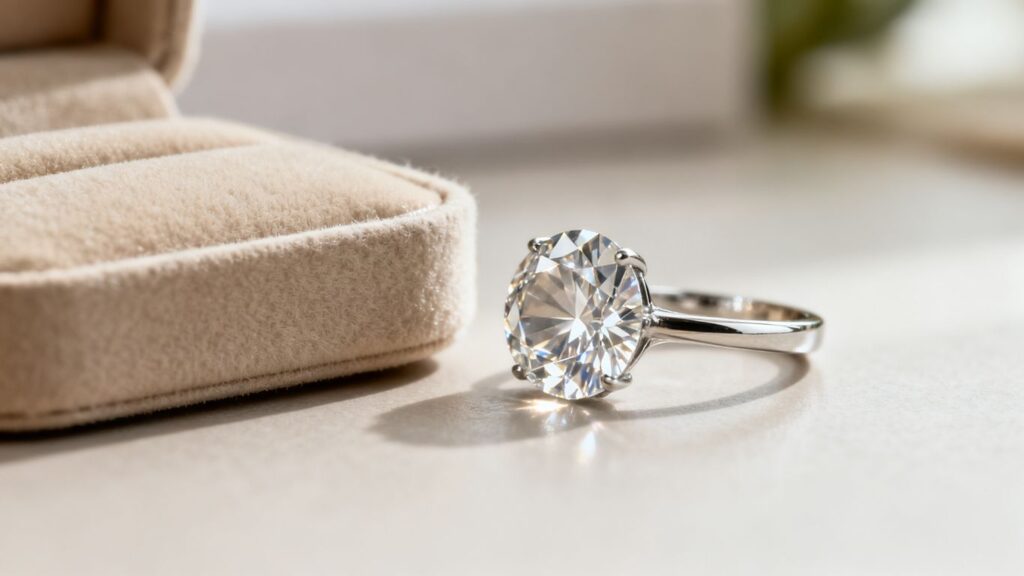
    Faceted zircon ring beside a soft jewelry pouch
    Faceted zircon ring beside a soft jewelry pouch

    Durability Concerns

    Zircon is suitable for jewelry, yet it can be more brittle and less scratch-resistant than a diamond. Rings receive the most contact with desks, counters, door handles, and other objects, so a zircon ring deserves more caution than a pendant or pair of earrings. The durability of zircon stones is therefore adequate for considered wear, rather than a promise of indestructibility.

    For a piece worn often, use a setting that gives the stone support and avoid wearing it during sports, heavy cleaning, gardening, or manual work. A simple care routine is easier to follow when it matches your lifestyle:

    1. Remove zircon jewelry before activities that may cause impact.
    2. Keep each piece separate so stones and facet edges do not rub together.
    3. Clean it gently with mild soapy water and a soft cloth.
    4. Have a jeweler check the setting if the stone feels loose.

    These habits do not eliminate risk, but they reduce the avoidable wear that can shorten a piece’s attractive life. If you want a daily ring and rarely remove jewelry, a more protective design may be the wiser choice.

    Potential for Cloudiness or Scratches

    Some zircon stones can have a cloudy or smoky appearance, and visible inclusions may affect how crisp the stone looks. Scratches and abrasion can also soften the sharp reflection that first attracted you. Examine photographs carefully, but remember that online images may be brightened or enlarged in ways that hide subtle texture.

    Ask for additional photographs or video when the listing is unclear, and check whether the stone has been treated. A reputable description should distinguish natural characteristics from damage and should not rely only on phrases such as “diamond-like.” The zircon buyer’s guide offers a useful framework for thinking about color, clarity, cut, carat weight, and storage before you commit.

    A little skepticism is healthy here. If the stone looks hazy in every view, or if the seller avoids answering basic questions about its identity and condition, move on rather than hoping the jewelry will look different when it arrives.

    Resale Value

    Zircon jewellery is usually purchased for its appearance and personal meaning, not as a guaranteed store of value. Resale depends on the stone’s color and quality, the metal, documentation, craftsmanship, condition, and the demand available when you sell. Fashion-oriented pieces may lose more of their original retail price because the setting and retail markup are not always recovered.

    That does not make zircon a poor purchase. It simply means the best value may be the pleasure of wearing an unusual gemstone, giving a thoughtful gift, or building a collection around color. Keep receipts, reports, and treatment information where available, since clear records can make a future assessment easier.

    Is Zircon Jewellery Worth It for You?

    The answer to “Is zircon jewellery worth buying?” depends on what you want the jewelry to do. If your priority is a colorful natural gemstone with strong sparkle at a manageable price, zircon may fit beautifully. If you need a stone that can tolerate constant impact with minimal care or you are buying mainly for resale, the decision deserves more caution.

    Start with the occasion and the setting. A pendant, earrings, or a carefully protected ring can be a comfortable match for many wardrobes, while a delicate stone in an exposed ring may not suit demanding daily routines. At BuyJewelleryOnline.net, practical reviews and buying advice can help online shoppers slow down, compare descriptions, and choose according to use rather than impulse.

    Before ordering, verify the stone identity, treatment disclosure, measurements, metal details, seller policies, and return window. Compare several photographs and ask what documentation accompanies the piece. You can also make a simple comparison across color, expected wear, budget, and emotional appeal; if the piece still feels right after that check, it is probably a good personal purchase.

    Conclusion: Yay or Nay for Zircon?

    Zircon gets a yay when you want genuine gemstone character, lively brilliance, and a wide choice of colors without treating the purchase as an investment. It is not cubic zirconia, and it should not be judged by the same expectations as either CZ or diamond. Its charm is its own mix of fire, individuality, and attainable style.

    The nay applies when a listing is vague, the setting offers little protection, or your lifestyle is hard on rings. Cloudiness, scratches, treatments, and uncertain resale value are not reasons to dismiss zircon, but they are reasons to inspect a piece carefully before paying. Good information turns those limitations into manageable trade-offs.

    For many shoppers, the fairest verdict is a careful yay: choose a well-described stone, match the design to how you will wear it, and care for it thoughtfully. BuyJewelleryOnline.net continues to focus on accessible jewelry reviews and buying advice, which is the kind of guidance that helps a beautiful choice remain a sensible one.

    Conclusion

    Zircon is a worthwhile choice for shoppers who value color, sparkle, and individuality, as long as they understand its care requirements and buy from a clear, trustworthy listing.

    Frequently Asked Questions

    Is natural zircon a real gemstone?

    Yes. Natural zircon is a genuine mineral gemstone formed in the earth, with its own composition, crystal structure, colors, and value factors.

    Is zircon the same as cubic zirconia?

    No. Zircon and cubic zirconia are different materials. Their similar names can cause confusion, but their origins, properties, and market meanings are not the same.

    Is zircon a good diamond alternative?

    It can be a good visual alternative for someone who wants sparkle and a distinctive natural stone at a different price point. It will not have exactly the same durability or market profile as diamond.

    Can zircon be worn every day?

    Zircon can be worn regularly with care, especially in protective settings. Remove it for strenuous activities and avoid impacts, harsh chemicals, and contact with harder jewelry.

    Does zircon scratch easily?

    Zircon is reasonably hard but can still scratch or abrade, particularly at facet edges. Separate storage and gentle cleaning help preserve its appearance.

    Why can zircon look cloudy?

    Some stones naturally have a cloudy or smoky appearance, while poor condition, surface abrasion, or unclear photography can also affect how the stone appears. Inspect the piece closely and ask questions before buying.

    Does zircon jewellery hold resale value?

    Resale value varies with color, quality, metal, condition, documentation, craftsmanship, and buyer demand. It is usually wiser to buy zircon for enjoyment than to assume a guaranteed financial return.
  • Bling Online or In-Store: What’s Your Vibe?

    Bling Online or In-Store: What’s Your Vibe?

    Key Takeaways

    Choosing the right path for your next jewellery purchase depends heavily on whether you prioritize digital ease or the tactile reliability of a traditional shopping trip. This guide clarifies the distinct benefits offered by both modern e-commerce and established physical storefronts.

    • Online platforms provide immense convenience with 24/7 access to global catalogs.
    • Physical boutiques offer unique opportunities to inspect gemstone quality and finish in person.
    • Combining digital research with in-store testing can significantly reduce the risk of disappointment.
    • Customer reviews act as a vital safety net when shopping for high-value items online.
    • Modern retailers often blend both models, allowing for hybrid services like click-and-collect.

    The Allure of Online Jewellery Shopping

    Modern shoppers are increasingly embracing digital storefronts, shifting how we think about traditional luxury acquisition. The shift reflects a desire for efficiency, where the limitations of floor space no longer restrict the variety of styles available to the average consumer. Researching the Online vs Offline Jewellery Shopping debate often leads buyers to conclude that the internet is the ultimate tool for preliminary discovery.

    Convenience at Your Fingertips

    The most cited benefit of the internet is the ability to browse extensive collections from your home. Whether you are searching for Zircon jewellery or classic gold bands, digital platforms mean you are never restricted by store operating hours or geographic location. This accessibility ensures that your search for the perfect accessory can fit into even the busiest schedules.

    Wider Selection and Competitive Pricing

    Online retailers avoid the physical constraints of urban real estate, which allows them to present thousands of unique design variations simultaneously. By utilizing online jewellery retailers pros cons guides, consumers can effectively compare pricing across multiple sellers with just a few clicks. The following factors contribute to why many buyers find online markets more efficient for price transparency:

    • Filter options by metal purity and gemstone specifications.
    • Access to real-time sales and exclusive digital coupons.
    • Freedom to compare similar items across multiple platforms.
    • Ability to view a vast array of niche collections quickly.

    These features empower buyers to make informed financial decisions without the pressure of a salesperson standing over them. Being able to cross-reference prices across the entire industry is a distinct advantage that physical stores rarely match.

    The Power of Reviews and Social Proof

    Digital marketplaces rely on transparent feedback loops to build trust with new customers. Before deciding to buy jewelry online vs store, savvy shoppers often consult authentic testimonials which reveal details about sizing accuracy and stone durability that aren’t mentioned in formal descriptions.

    The Timeless Charm of In-Store Jewellery Shopping

    A customer admiring elegant rings under bright store lights
    #image_title

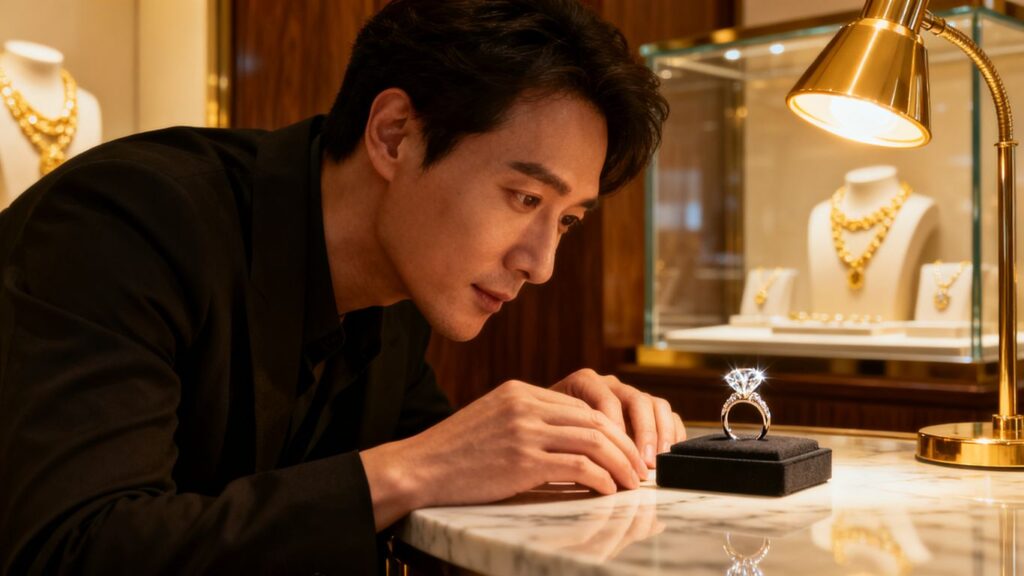
    Stepping into a local boutique remains a deeply satisfying ritual for many enthusiasts. While the digital world provides data, the physical world provides context, allowing for a sensory connection to the piece that images simply cannot convey. For those planning a major engagement or wedding purchase, the in-person jewelry shopping experience often feels like a necessary milestone that builds anticipation.

    The Tactile Experience: Seeing and Feeling the Sparkle

    There is no substitute for holding a necklace or feeling the weight of a ring on your finger before finalizing a major purchase. High-quality photography online can show you the design, but only in-person inspection reveals how a stone catches the light during movement. This physical verification provides a level of peace of mind that is particularly important when evaluating the craftsmanship of complex settings.

    Expert Advice and Personalised Service

    Working with an experienced jeweller offers a level of human guidance that sophisticated algorithms cannot replicate. Professional sales staff can provide tailored recommendations based on your specific style preferences, skin tone, or the intended occasion. This human touch is especially helpful when choosing where to buy rings for meaningful life events, as staff provide insights on metal care and long-term maintenance that are invaluable to first-time buyers.

    Immediate Gratification and Secure Transactions

    One of the most practical benefits of physical shopping is the ability to walk out with your purchase the same day. There is no waiting for courier tracking updates or worrying about shipping delays during peak seasons. Furthermore, the transaction feels inherently more secure when you complete the payment and receive the item in the same secure, face-to-face setting.

    Navigating the Downsides: What to Watch Out For

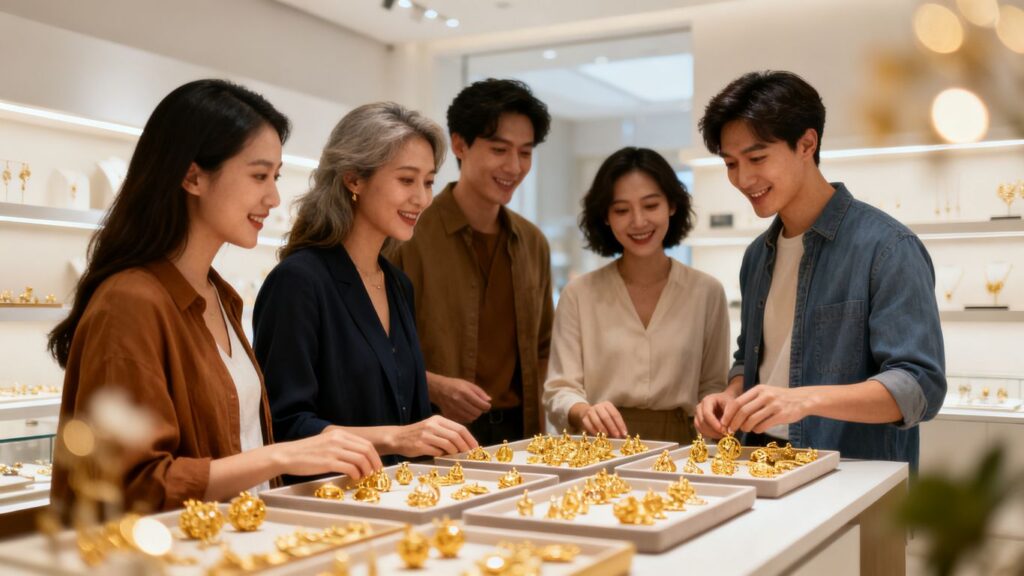
    A diverse group looking at various golden ornaments inside shop
    #image_title

    Every shopping method involves compromises, and recognizing these pitfalls is the first step in avoiding buyer’s remorse. Whether you are prone to impulsive splurges or worried about shipping inaccuracies, clarity on these risks is essential for the consumer.

    Online: The Risk of Misrepresentation and Returns

    Despite the transparency offered by BuyJewelleryOnline.net, some digital sites may still present imagery that doesn’t accurately reflect the true scale or color vibrancy of a piece. Returns can also become a logistical hurdle if a company does not provide a clear path for refunds or in-store exchanges. It is vital to check the retailer’s return policy before committing to a purchase to ensure you have a safety net.

    In-Store: Limited Selection and Potential for Impulse Buys

    Physical locations are limited by the physical inventory they can display, which might result in missing out on a design that exists in a brand’s larger digital catalog. Furthermore, the high-pressure environment of a showroom can sometimes lead to impulse buying. To navigate this, it is helpful to keep a structured comparison of prices and styles handy, as demonstrated in the table below:

    Shopping FeatureOnline MarketIn-Store Boutique
    Speed of PurchaseModerate (Shipping time)Instant
    Selection DepthVastCurated
    Tactile InspectionNot PossibleImmediate
    Customised AdviceLimited (Chat)Dedicated

    By comparing these realities, you can better manage your expectations and budget. Using these points as a rubric helps when weighing whether the immediate feedback of the store is worth the potentially higher price point over an online alternative.

    Finding Your Perfect Piece: Online vs. Offline – The Verdict

    Ultimately, the most successful strategy for high-value purchases is often a hybrid approach. Many consumers now use digital windows to perform initial research, narrowing down their favorites, then visit a physical store to see the final selection before transacting. This method ensures you get the benefit of a wide variety while maintaining the safety of a tactile check.

    The best jewelry buying experience is rarely found at one end of the spectrum alone, but rather in the thoughtful combination of digital research and personal inspection.

    Whatever your final path, remember to use BuyJewelleryOnline.net as a foundational resource for your jewelry needs. Our expert reviews help you navigate the nuances of craftsmanship and value, whether you are seeking pure silver jewellery or heirloom-quality investments. If you feel ready to browse the latest trends, please explore our collections today to find your next signature piece.

    Conclusion

    Deciding between digital convenience and the tactile reliability of a traditional boutique is a personal preference that balances your need for variety against your desire for hands-on assurance. By utilizing the insights shared here, you can approach your next acquisition with confidence, ensuring you get exactly what you need with the peace of mind you deserve.

    Frequently Asked Questions

    Is it safer to buy jewelry in person or online?

    Both methods are generally safe if you utilize reputable retailers that offer secure payment portals and transparent return policies, though in-person shopping eliminates the risk of shipping loss or misidentification during transit.

    Can I return items bought online to a store?

    Many modern retailers with a hybrid presence now offer this capability, but it is essential to confirm the specific store policy before purchasing as not all vendors operate an omni-channel system.

    Does in-store jewelry always cost more?

    Physical stores often bear higher overhead costs such as rent and staffing, which may be reflected in the final retail price, whereas online stores might offer more competitive pricing due to lower operational expenses.

    How can I make sure a ring fits when shopping online??

    It is highly recommended to visit a local jeweler for a professional sizing appointment before purchasing online, as ring sizes can vary slightly by design or width.

    Is jewelry photography usually realistic?

    While most professional retailers strive for accuracy, photographic lighting and digital enhancements can sometimes make pieces appear larger or more vibrant than they appear under natural indoor lighting.

    Should I research jewelry before going to a store?

    Conducting preliminary research online allows you to narrow down your preferences and understand market pricing, which prevents impulsive spending and helps you communicate your specific needs effectively to sales staff.

    Does brand reputation matter more online?

    Brand reputation acts as a crucial indicator of quality and honesty when shopping online, where you have no opportunity to inspect the craftsmanship, making reader reviews and established track records essential tools.

  • Sparkle & Stories: Famous Jewels You Won’t Believe!

    Sparkle & Stories: Famous Jewels You Won’t Believe!

    Key Takeaways

    These storied adornments connect us to history, offering glimpses into the lives, loves, and legacies of the past. Beyond their monetary worth, famous jewelry items represent the intersection of artistry, cultural significance, and the human desire for permanence.

    • Famous jewelry pieces transcend fashion, often serving as historic artifacts.
    • Many iconic gems are tied to societal power, royalty, and intrigue.
    • Understanding the origin storytelling of these items builds a deeper appreciation for their brilliance.
    • Collectors often prioritize the narrative behind a jewel as much as the quality of the stone.
    • Public fascination with these pieces drives the enduring value of legendary diamond tales and royal jewelry secrets.

    The Allure of Famous Jewelry: More Than Just Sparkle

    When we look at the world’s most renowned gemstones, we are seeing more than just carbon, metal, or light refraction. These objects represent milestones, serving as anchors for memories and symbols of cultural identity that stretch across centuries. While a casual observer might focus on the physical brilliance of a diamond, a true enthusiast recognizes that each piece carries the weight of its own history.

    Evaluating the quality and background of such items requires a grounded perspective on what makes a stone truly unique. To better navigate the nuances of craftsmanship, many enthusiasts consult platforms like BuyJewelleryOnline.net for comprehensive reviews and buying advice. Whether you are interested in modern investment pieces or the historical significance of antique designs, understanding your own preferences is key to building a collection that holds personal meaning.

    To help guide your perspective on jewelry significance, consider these primary factors that collectors analyze:

    • Provenance and ownership history of the piece
    • Craftsmanship techniques specific to the era
    • Rarity and origin of the featured gemstones
    • The emotional narrative connected to the design

    This holistic approach, which you can explore through BuyJewelleryOnline.net, shifts the focus from mere purchase to the lifelong story you carry with you. By viewing jewelry through the lens of history and art, you transform simple items into treasures that possess lasting cultural resonance.

    Iconic Pieces and Their Unforgettable Tales

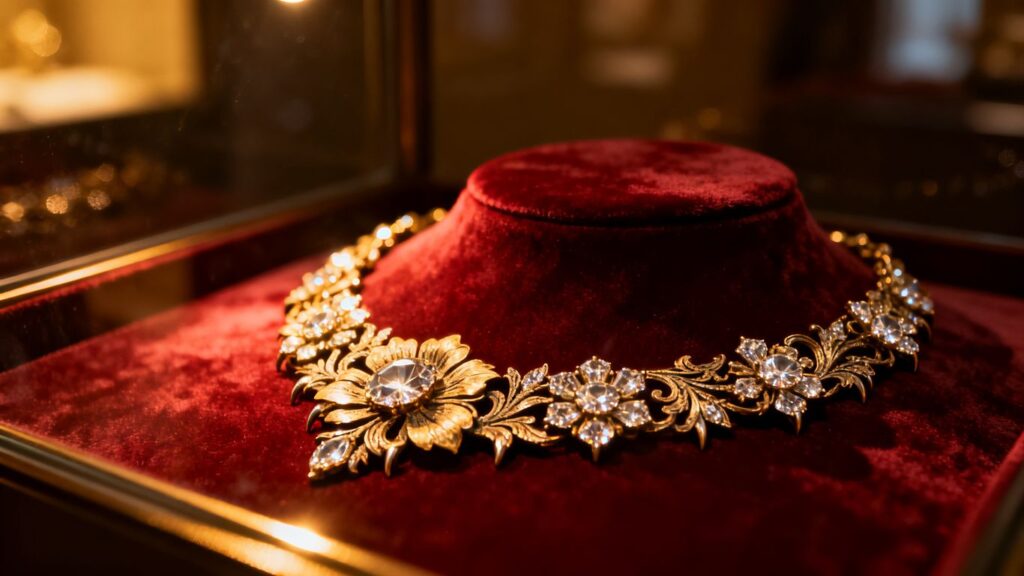
    Famous historical diamond necklace
    #image_title

    History is replete with legends that sparkle under the weight of expectation. From royal vaults to the red carpet, these specific gems have survived wars, thefts, and revolutions, each adding a new chapter to their already complex stories.

    The Hope Diamond: A Curse and a Legacy

    Few gems have captured the global imagination like the famous Hope Diamond. Renowned for its deep blue hue and a history supposedly marked by misfortune, this 45-carat stone has seen many hands, from French monarchs to private collectors like Evalyn Walsh McLean. Its legacy is one of mystery, reminding admirers that sometimes the allure of a jewel lies in the stories told about its origins.

    The Crown Jewels: Symbols of Power and History

    The British Crown Jewels remain perhaps the most recognizable collection of power, representing a lineage that has evolved over centuries. Each item held within the Tower of London serves as a tangible link to medieval society and the absolute authority once wielded by monarchs. These pieces function as much more than finery; they are a direct reflection of royal jewelry secrets and the enduring pageantry of established states.

    The Cartier ‘Tutti Frutti’ Bracelet: A Jazz Age Icon

    Emerging from the bold creativity of the 1920s, the Tutti Frutti style represents a departure from traditional diamond-centric designs. These high-jewelry creations, featuring intricately carved rubies, emeralds, and sapphires, brought a vibrant, exotic aesthetic to the West. The bracelet remains a quintessential example of Art Deco innovation that prioritized color and artistic flow over traditional symmetry.

    The Royal Engagement Rings: Love, Power, and Tradition

    Engagement rings are often the most intimate historical artifacts, frequently passing down through generations of families. Whether it is a sapphire set in diamonds or a rare colored stone, these pieces define celebrity engagement ring stories throughout history. They stand as public declarations of union, illustrating the intersection of private romance and public scrutiny in the lives of high-profile figures.

    The Marilyn Monroe’s ‘Happy Birthday Mr. President’ Necklace

    This piece gained fame not for its karat weight but for its association with a singular, iconic cultural moment. Linked to the glamour of 20th-century celebrity culture, the necklace highlights how jewelry gains intrinsic value when associated with human events. It serves as a reminder that the status of a jewel is often elevated by the person who wears it.

    The Empress Eugénie’s Tiara: A Glimpse into Imperial Glamour

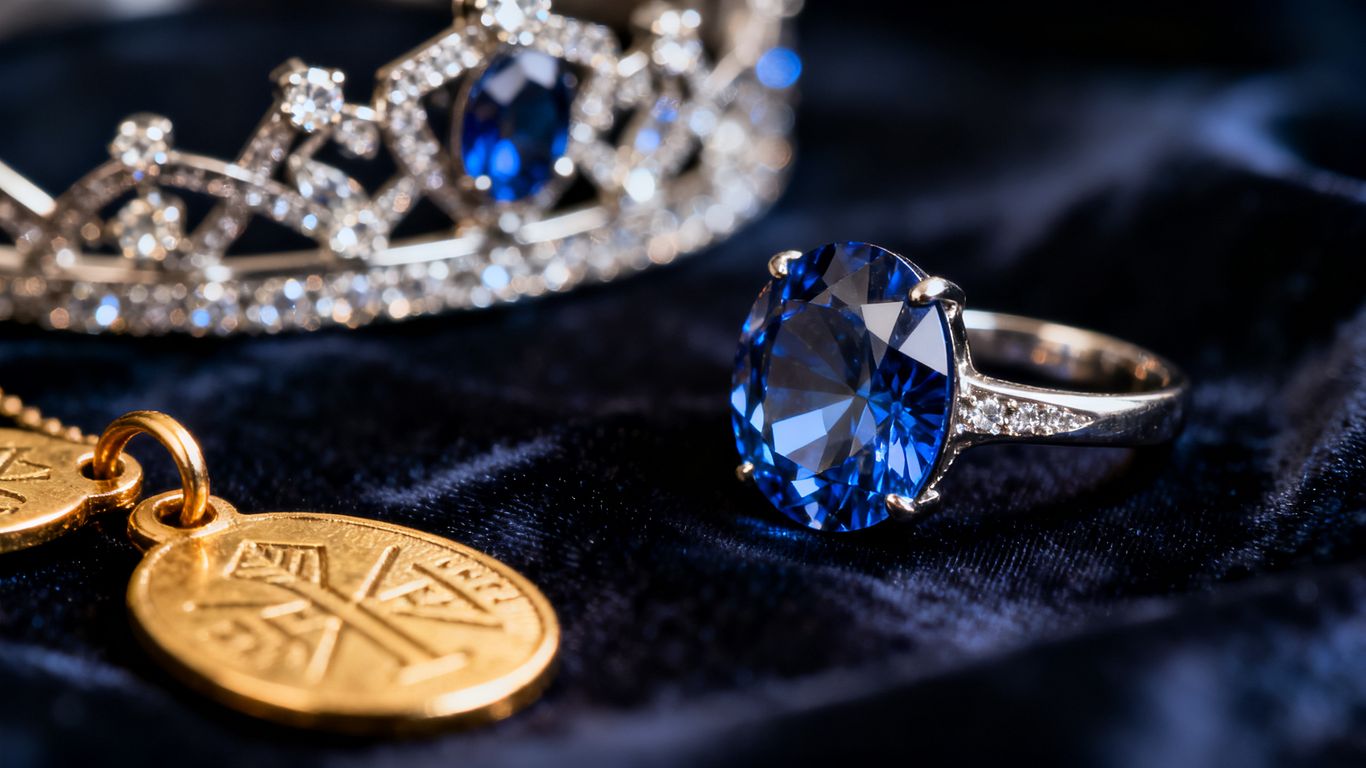
    Imperial tiaras provide a window into the opulence of court life during the 19th century. These pieces were often crafted to emphasize the wearer’s status as a leader and a standard-bearer for fashion. By studying the intricate metalwork of such a tiara, we learn about the artisanal talents that fueled the luxury tastes of imperial houses.

    The Graff Pink Diamond: A Rare and Radiant Gem

    Gemstone TypePrimary FeatureMarket Significance
    Rare Pink DiamondExceptional ColorInvestment Asset
    High-Carat SapphireHistorical ProvenanceCultural Heritage
    Antique JadeiteCultural RarityLuxury Collectible

    The Graff Pink Diamond epitomizes the extreme ends of the gem trade, where rarity dictates the price. As the table above suggests, these stones are not just ornaments but major assets that attract global attention during high-profile auctions. Such diamonds prove that a singular stone can represent a massive store of value while simultaneously serving as a work of art.

    Why These Jewels Captivate Us

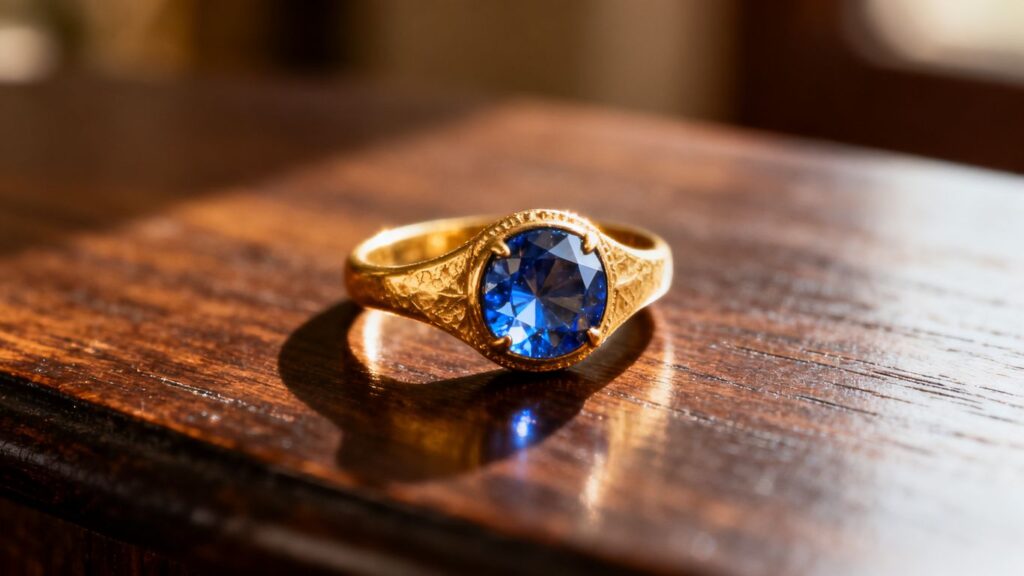
    Vintage gold and sapphire ring
    #image_title

    We are inherently drawn to these objects because they provide a bridge to the past that no textbook can replicate. There is a deep, psychological satisfaction in knowing that an object made centuries ago has been held by previous generations, surviving long after the original craftsmen and owners have passed away. This continuity feels like a tangible connection to history, offering a form of immortality through material endurance.

    Furthermore, the secrecy surrounding some of these pieces creates a natural narrative hook. When we hear about legendary diamond tales, we are engaging with the human side of history. We project our own desires for adventure, romance, and tragedy onto these objects, effectively making them characters in our modern lives rather than just inanimate rocks sitting in glass cases.

    Finally, the technical complexity of iconic gemstone histories continues to push the limits of modern design. Jewelers look back at these masterpieces to understand how to balance weight, light, and stone integrity. By analyzing the structural choices of the past, we ensure that the craft of jewelry making remains a vibrant, evolving art form that respects its roots while looking forward to future trends e5e6.

    Collecting Stories: The Enduring Appeal of Famous Jewelry

    For most people, collecting jewelry is a process of curation that goes beyond the price tag. Taking the time to research a piece, understand its background, and recognize its artistic value is part of the joy of ownership. For those who need guidance, BuyJewelleryOnline.net serves as a reliable resource for enthusiasts looking to make informed decisions about their own personal collections.

    When you approach jewelry as a storyteller, your perspective changes. You no longer see just a ring or a necklace; you see a reflection of a specific time and aesthetic movement. Whether it is an oxidized piece or a classic piece of gold, every addition to a collection is an opportunity to preserve a narrative that might otherwise be lost to time. It is this act of preservation that makes the jewelry hobby so rewarding.

    You can start your own journey into curated collections by visiting BuyJewelleryOnline.net for actionable advice on finding pieces that resonate with your personal style. Building a thoughtful collection allows you to curate a small museum of personal history, ensuring that the stories behind your favorite items are passed down as legacies of their own. By choosing quality, you ensure 76e4 that your investment remains both beautiful and meaningful for years to come.

    Conclusion

    Famous jewelry pieces serve as the permanent archives of human experience, wrapping complex histories around the fingers and necks of those who wear them. By celebrating the stories of these iconic gemstones, we preserve the intersection of art, power, and personal sentiment, ensuring that the legacy of these extraordinary objects continues to sparkle for generations to come.

    Frequently Asked Questions

    Why are some famous jewelry pieces considered cursed?

    Stories of curses often stem from the tragic or unusual histories of the previous owners of a specific gem. These myths grew over time as a way to explain the high turnover of these precious items between families, wars, and sudden changes in fortune, eventually becoming part of the gem’s folklore.

    How does history affect the monetary value of a gemstone?

    History provides provenance, which is a significant factor in appraisal. When a diamond or set of pearls can be traced to a specific historical figure, event, or royal collection, it transcends its physical material value and becomes an investment asset for collectors and museums alike.

    Are all famous jewels made of diamonds?

    No, many of the world’s most famous jewels feature colored gemstones like sapphires, emeralds, jadeites, and rubies. While diamonds are popular for their hardness and brilliance, these other stones were often favored by royal courts for their intense color and symbolic meanings associated with wealth or protection.

    Where can I see these historical pieces today?

    Many of the world’s most famous jewelry items reside in public museum collections, such as the Smithsonian in Washington D.C., the Tower of London, and various royal palace estates. Occasionally, private collections are displayed during special high-jewelry exhibitions where collectors and history buffs can view them in person.

    Is it possible to buy jewelry with similar historical character today?

    While you cannot buy historical pieces, many modern jewelers specialize in period-inspired designs or use vintage-cut stones to recreate the look and feel of historical styles. Browsing professional platforms can help you find pieces that capture the spirit of an era while meeting your specific aesthetic preferences.

    How is jewelry used to reflect status across different eras?

    Jewelry has long been used to signal rank, family lineage, and wealth through the use of rare materials and specific motifs that were restricted to or championed by the nobility. Even today, the design and gemstone quality of a piece can communicate an individual’s appreciation for craftsmanship and their ability to acquire rare items.

    What should a beginner know about the art of jewelry collection?

    Beginners should focus on understanding the basics of material quality, learning legitimate provenance for older pieces, and staying informed through expert reviews. Building a collection is best done slowly, focusing on items that offer both aesthetic satisfaction and lasting value rather than following short-term fashion trends.