Key Takeaways
Birthstones connect a month of the year with a gemstone, but their appeal goes well beyond a simple date-based chart.
- Birthstone traditions draw from religious history, folklore, and modern jewelry customs.
- Modern lists may differ from older or regional traditions.
- The meaning of birthstones is personal rather than a fixed promise.
- Jewelry makes the idea easy to wear or give as a thoughtful present.
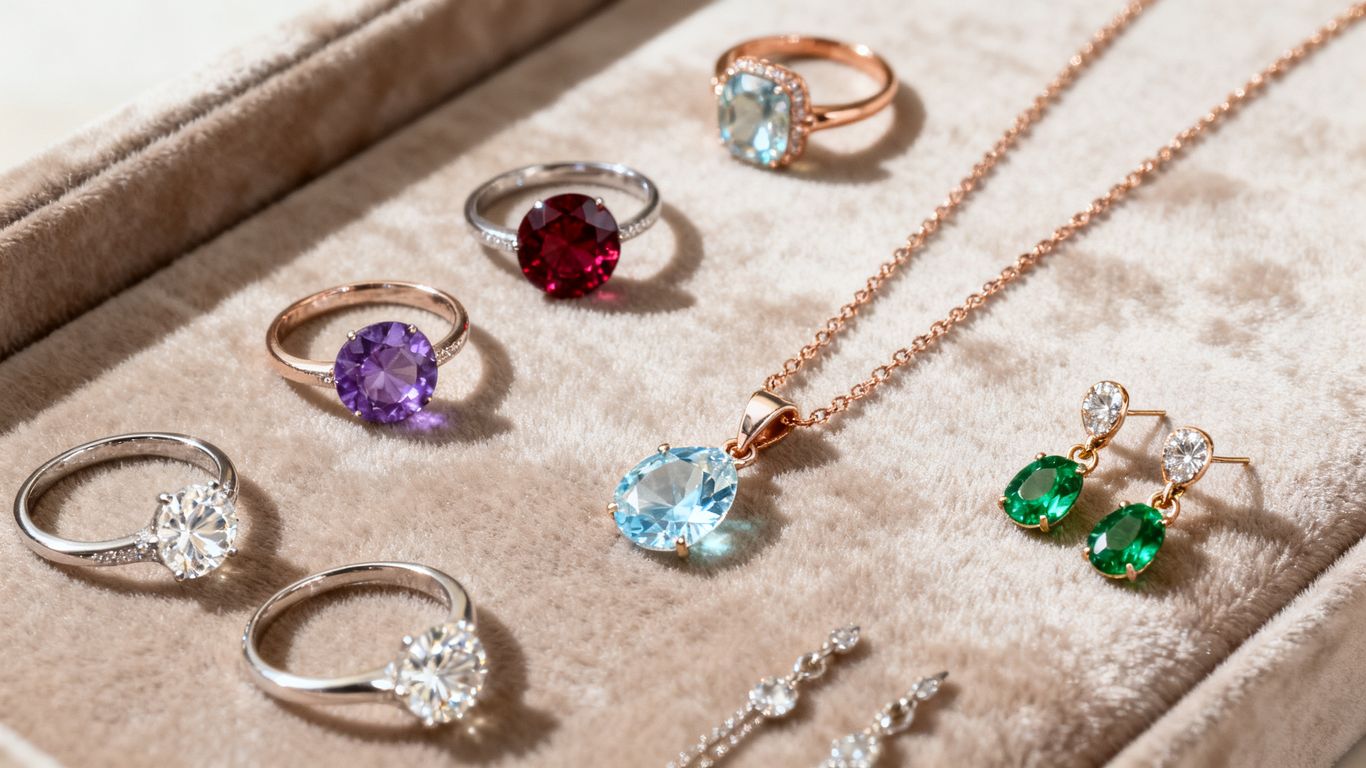
- Garnet, amethyst, aquamarine, diamond, and emerald each bring a distinct look to the first five months.
What Exactly Are Birthstones?
A birthstone is a gemstone associated with a particular month of birth. For some people, it is a small tradition; for others, it becomes a way to mark identity, family, memory, or a meaningful occasion. So, what is birthstone jewelry? In simple terms, it is jewelry that pairs a gemstone with the wearer’s birth month, although many people also choose stones for their color or personal story.
Birthstones can appear in rings, pendants, earrings, bracelets, and charms. The tradition has changed over time, which explains why different birthstone chart and meanings guides may show slightly different stones for the same month.
The History and Origins of Birthstones
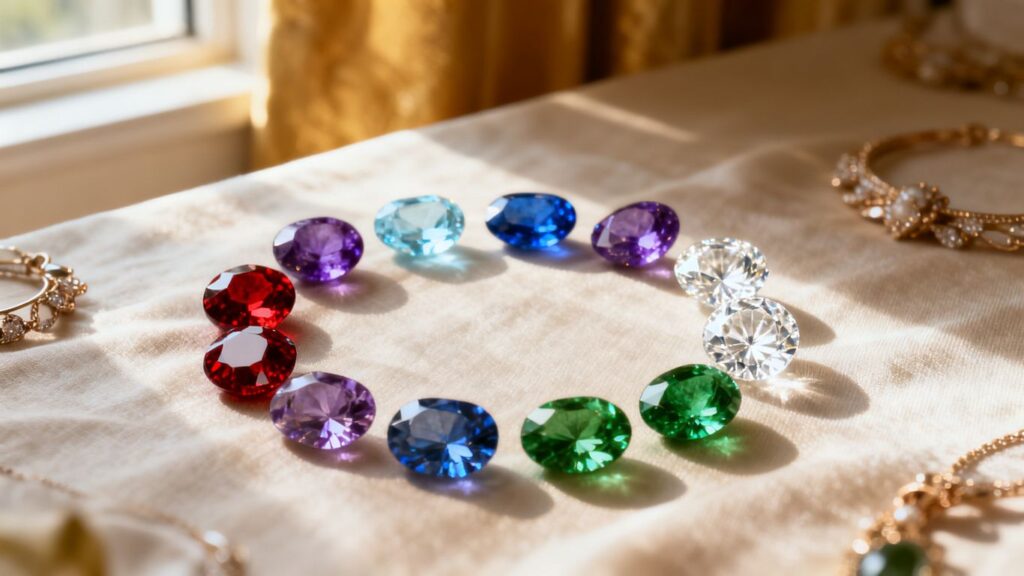
The history of birthstone jewelry is not tied to one single list or one universally agreed starting point. Ancient religious and cultural traditions helped connect gemstones with symbolic qualities, while later customs linked stones to the twelve months. Over generations, jewelers and writers organized these associations into lists that were easier for people to use when choosing a personal ornament or gift.
This background also explains why the meaning of birthstones can feel both old and contemporary. A garnet may carry associations with protection or vitality in one tradition, while someone today may simply love its deep red color. Both interpretations can coexist without turning the stone into a promise or prediction.
The Modern Birthstone List vs. The Traditional List
Traditional birthstone lists often reflect older beliefs, regional preferences, or connections to biblical and historical gemstones. Modern lists tend to be more practical and consistent for jewelry shopping, sometimes including alternatives when a stone is rare, delicate, or difficult to source. Neither approach has to be treated as the only correct one.
When comparing a traditional list with a modern one, these questions help keep the choice grounded:
- Is the stone associated with the month in the tradition you value?
- Do you prefer the classic gemstone or a commonly accepted alternative?
- Will the stone suit the wearer’s everyday style and wardrobe?
- Does the setting provide the care and protection the gemstone needs?
A little flexibility makes the tradition more useful. At BuyJewelleryOnline.net, practical buying advice can help shoppers compare jewelry types and materials without assuming that symbolism alone should decide the purchase.
Why Do Birthstones Matter?
Birthstones matter because they give jewelry a starting point for personal meaning. A gemstone can recall a birthday, a loved one, a new beginning, or simply a color that feels like the wearer. The symbolism is meaningful precisely because people interpret it in their own way.
The tradition also makes gift-giving less abstract. Instead of choosing a piece based only on appearance, a buyer can begin with a month, then consider the recipient’s taste, lifestyle, and the occasion. That combination often makes the final choice feel more considered.
Symbolism and Personal Meaning
Birthstone meanings by month are often described with qualities such as courage, calm, clarity, love, or renewal. These descriptions are best understood as cultural associations rather than guarantees. A person may connect with a stone because of its traditional meaning, while another may choose it for its hue, transparency, texture, or family connection.
The strongest meaning usually comes from the story attached to the piece. A necklace with one stone might mark a birth month, while a design with several stones can bring together the months of children, partners, parents, or close friends. The gemstone becomes a quiet reminder that can be worn without needing an explanation.
Birthstone Jewelry as Gifts
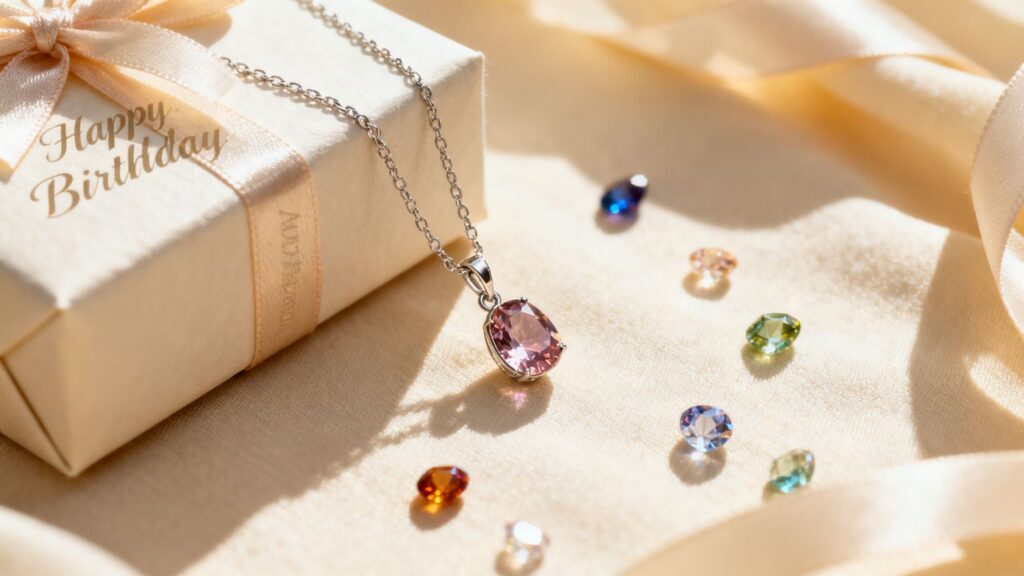
Birthstone jewelry works well as a gift because it can feel personal without requiring an elaborate design. A pendant, ring, bracelet, or pair of earrings can suit different budgets and wardrobes, while an engraved initial or charm may add another layer of thought. Before buying, consider whether the recipient prefers understated everyday pieces or more noticeable jewelry.
A useful gift decision can be organized around the following details:
| Gift consideration | Why it matters | Practical example |
|---|---|---|
| Birth month | Establishes the traditional gemstone | Choose the recipient’s month or a family combination |
| Jewelry style | Affects how often the piece may be worn | Select a necklace for layering or earrings for easy styling |
| Metal and setting | Influences appearance and care | Match the finish to jewelry already in the recipient’s collection |
| Occasion | Sets the emotional tone | Choose a simple token for a birthday or a more lasting piece for a milestone |
This is where personalized jewelry gifts become especially flexible. BuyJewelleryOnline.net offers buying advice and reviews for shoppers comparing jewelry choices online, so the focus can stay on fit, materials, and occasion rather than on symbolism alone.
Exploring the Birthstones by Month
The first five months offer a pleasing range of color, from garnet’s wine-red depth to emerald’s rich green. These stones also vary in appearance, durability, and care needs, so a month-by-month look is more useful than a list of names by itself. Treat the following associations as a starting point for choosing a style that feels right.
For a broader shopping perspective, this birthstone jewelry guide can sit alongside a general comparison of settings, jewelry forms, and personal details. The best piece is not necessarily the most traditional one; it is the one that the wearer will enjoy and care for.
January: Garnet
Garnet is commonly associated with January and is best known for its rich red appearance, although garnets can occur in more than one color. Its depth makes it especially appealing in warm-toned metal settings, vintage-inspired designs, and pieces intended to feel classic rather than fleeting.
In symbolic language, garnet is often connected with energy, commitment, and protection. A garnet ring or pendant can therefore feel appropriate for a birthday, a new chapter, or a gift meant to express steadiness.
February: Amethyst
Amethyst is February’s familiar purple gemstone, ranging from delicate lilac to a much deeper violet. Its color can look soft and understated in a small setting or become the main feature of a larger pendant or cocktail ring.
The stone is frequently associated with calm, clarity, and inner balance. Whether or not those qualities resonate with the wearer, amethyst offers an easy way to add cool color to everyday jewelry without appearing overly formal.
March: Aquamarine
Aquamarine is linked with March and is prized for its clear blue to blue-green color. The watery appearance works naturally in light, open designs, particularly when the setting allows the stone to catch daylight.
Its traditional associations often include serenity, communication, and safe journeys. That makes aquamarine a thoughtful choice for someone beginning a move, trip, study program, or other change, while its fresh color keeps the design wearable beyond the occasion.
April: Diamond
Diamond is the best-known April birthstone and is valued for its bright appearance and strong resistance to scratching. It can serve as a central stone or as a smaller accent, depending on the design and budget.
Diamonds are often associated with clarity, enduring affection, and strength. When choosing one, shoppers should look beyond the birth month and consider the cut, setting, metal, care requirements, and the way the piece will be worn.
A diamond does not have to mean a large or formal jewel. Small studs, delicate pendants, and subtle accent stones can carry the April connection while fitting comfortably into an everyday collection.
May: Emerald
Emerald is May’s vivid green birthstone, recognized for its saturated color and unmistakable presence. It can bring a sense of richness to a simple design, though its appearance and care needs make the quality of the setting worth considering.
The stone is traditionally connected with renewal, growth, and love. For someone born in May, emerald jewelry can feel instantly personal; for someone else, its green color may be the reason it becomes the right choice. The stories behind famous jewelry offer a useful reminder that gemstones often gain lasting appeal from the narratives people attach to them.
Conclusion
Birthstone jewelry is meaningful because it leaves room for interpretation: a month, a color, a family story, or a milestone can all shape the choice. Once you understand the traditions and compare them with the wearer’s taste, selecting a piece becomes less about following a rule and more about finding a gemstone that feels genuinely connected.
Frequently Asked Questions
What is birthstone jewelry?
Birthstone jewelry is a piece that includes a gemstone associated with a person’s birth month. It may be worn as a personal keepsake or given to mark a birthday, relationship, or milestone.
Do birthstone lists vary?
Yes. Traditional, modern, cultural, and regional lists may assign different stones or alternatives to the same month. A shopper can choose the version that best fits their preferences and background.
Does a birthstone have a guaranteed meaning?
No. Birthstone meanings come from tradition, folklore, and popular symbolism rather than a guaranteed effect. The personal story attached to the jewelry is often more important than a fixed definition.
Can I wear a birthstone that is not my own?
Yes. People may choose a stone because they like its color, connect with its symbolism, or want to represent a loved one’s birth month. There is no requirement to wear only the stone assigned to your own month.
What types of birthstone jewelry are available?
Common options include necklaces, rings, earrings, bracelets, pendants, and charms. The best format depends on the wearer’s style, comfort, and how often they want to use the piece.
Can one piece include several birthstones?
Yes. Multiple-stone designs can combine the birth months of family members, partners, or friends. They are often chosen when the jewelry is meant to represent several relationships at once.
How should birthstone jewelry be cared for?
Care depends on the gemstone and the metal. Keep jewelry away from harsh chemicals, store pieces separately to reduce scratching, and follow care guidance suited to the specific stone and setting.