Tag: jewelry

  • GIVA vs. Shaya: Which Sparkles Brighter?

    GIVA vs. Shaya: Which Sparkles Brighter?

    Key Takeaways

    GIVA vs Shaya is best approached as a comparison of design direction, materials, price transparency, and shopping preferences rather than a search for one universal winner.

    • Consider whether you want minimalist everyday jewelry or more varied silver styling.
    • Check the stated metal, finish, dimensions, and care instructions for each piece.
    • Compare the full delivered cost, including shipping, taxes, and return conditions.
    • Read recent customer feedback alongside official product information.
    • Choose the piece that suits your wardrobe, occasion, and comfort level.

    Introduction: The Allure of Fine Jewelry

    Fine jewelry has a curious ability to feel both personal and practical. A small pendant can mark a birthday, a pair of earrings can finish a festive outfit, and a simple ring can become part of someone’s daily routine. That emotional appeal is one reason shoppers continue to explore affordable luxury jewelry online.

    When two recognizable names appear side by side, the decision is rarely just about sparkle. Buyers also want to understand the metal, design language, price, care requirements, and confidence that comes with ordering online. A thoughtful GIVA vs Shaya comparison therefore needs to look beyond polished photographs and consider how each choice fits real life.

    This guide is designed for that quieter part of shopping: narrowing down preferences before placing an order. Whether you are researching GIVA jewelry reviews, browsing the best Indian jewelry brands, or simply choosing between GIVA and Shaya, use the details on each product page as your final reference.

    Understanding GIVA: A Glimpse into Their World

    GIVA is presented in the available source material as a direct-to-consumer fine silver jewelry brand offering contemporary designs and certified 925 sterling silver. That gives shoppers a clear starting point when assessing everyday pieces. The useful question is not whether a brand sounds fashionable, but whether a particular item matches your preferred scale, finish, and wearing habits.
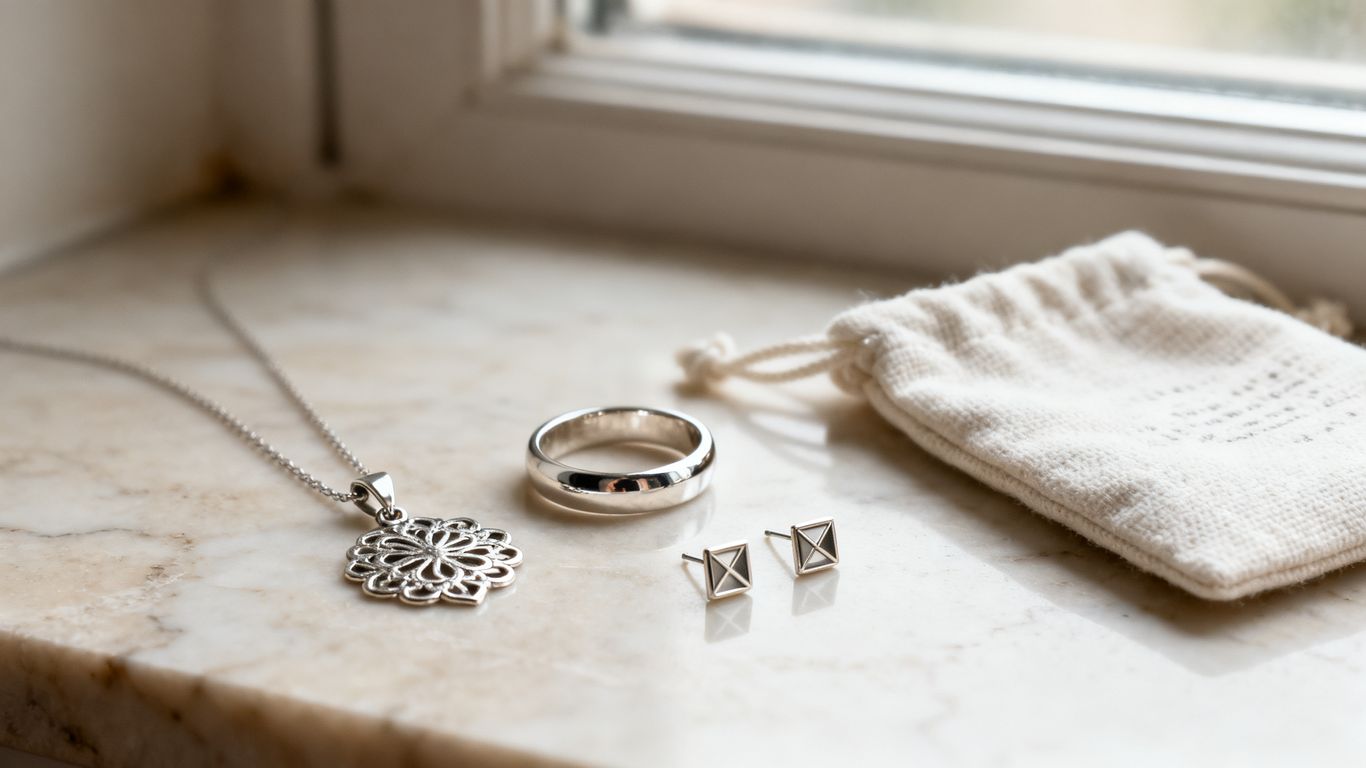
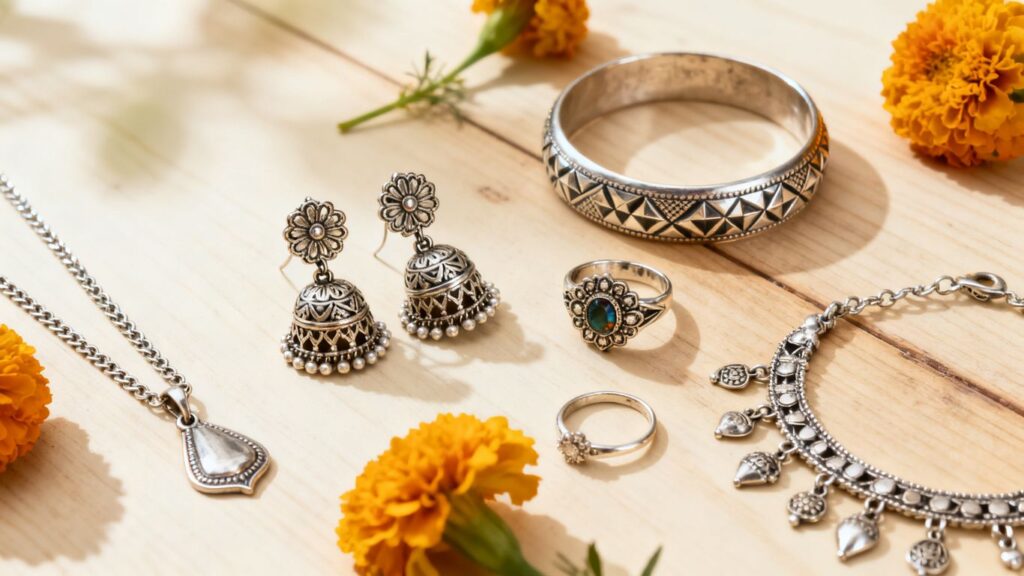
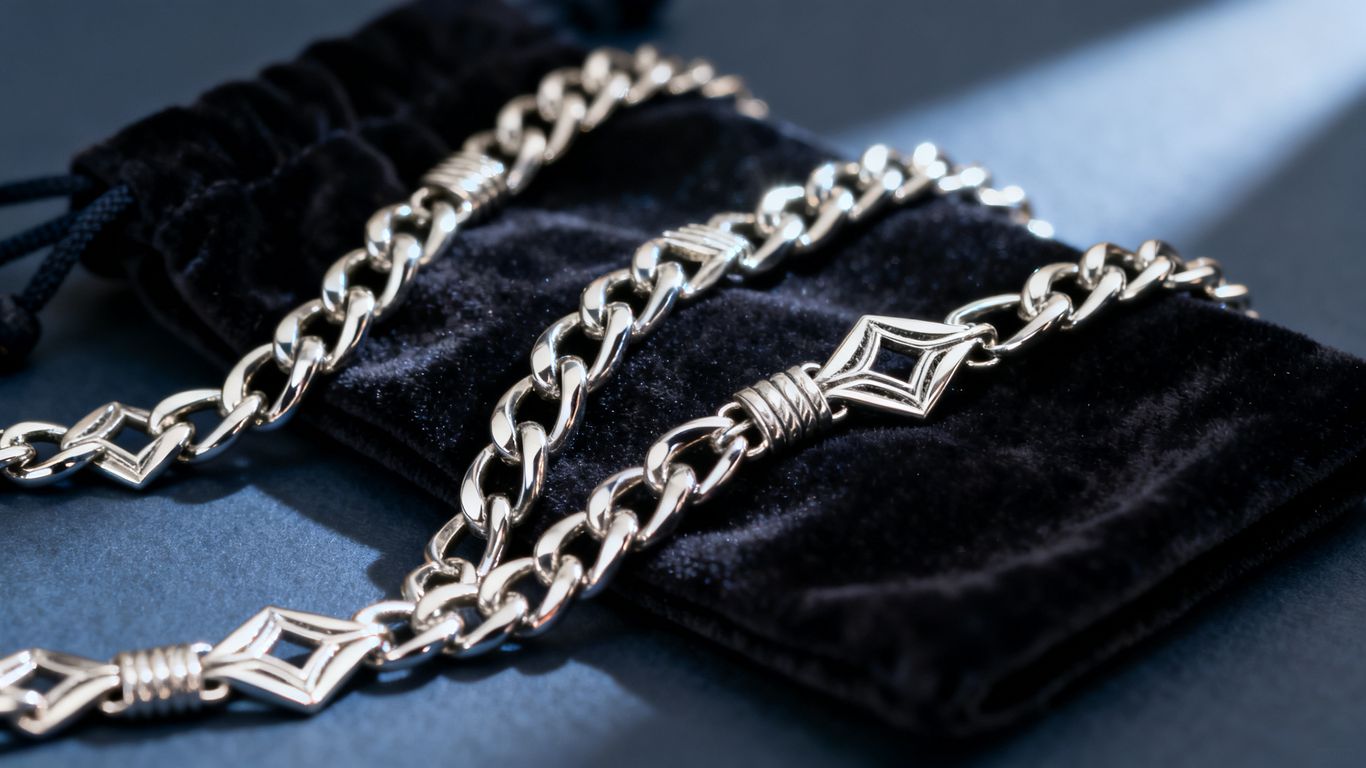
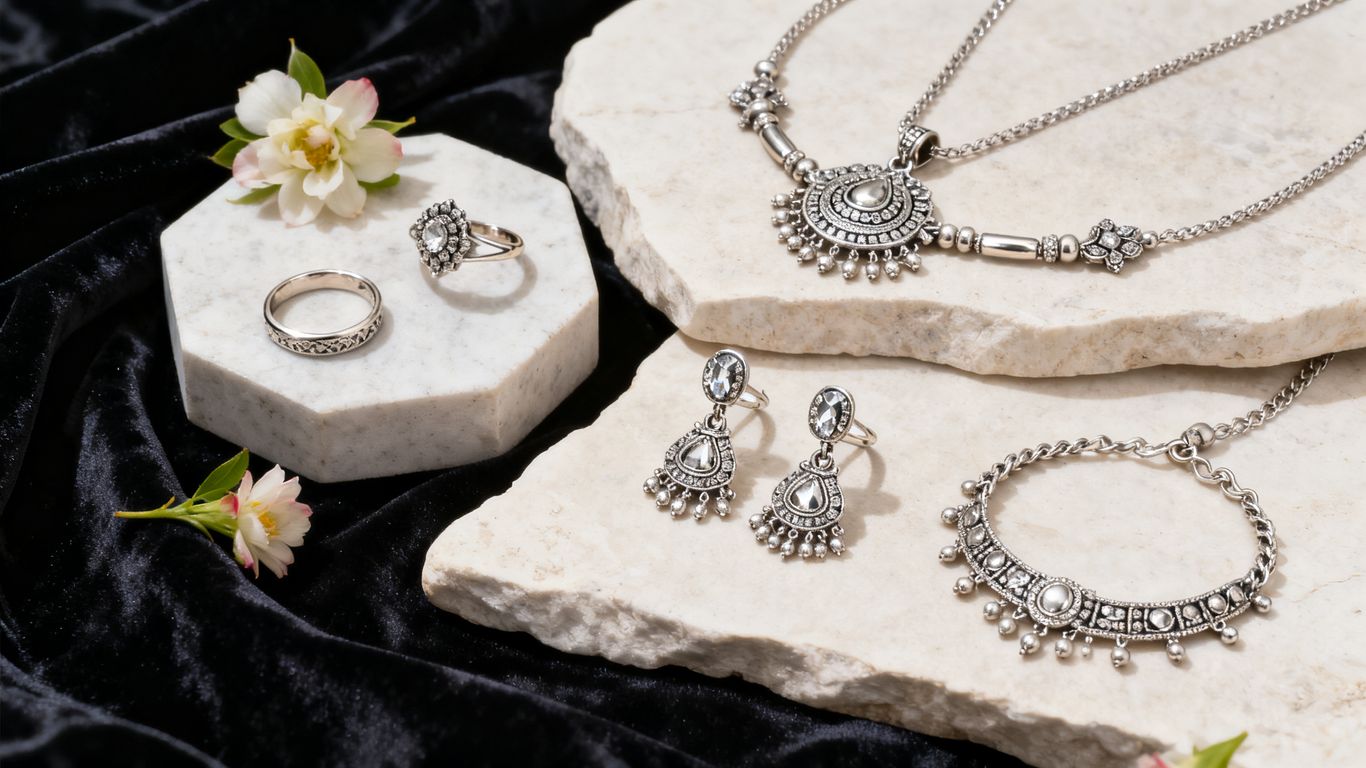
    Contemporary silver jewelry arranged on marble

    GIVA’s Brand Philosophy and Target Audience

    The brand material describes a focus on everyday luxury, contemporary styling, and transparent 925 sterling silver. It also identifies millennials and Gen Z as an important audience, which helps explain the appeal of jewelry intended to work as a frequent fashion accessory rather than only as an occasional heirloom. For readers comparing options, this is a useful lens: consider whether you want a piece that slips easily into an existing wardrobe.

    The strongest part of that positioning is its accessibility of purpose. A lightweight-looking design can be easier to wear repeatedly than an elaborate statement piece, though comfort still depends on the individual item. When reading GIVA jewelry reviews, pay attention to comments about sizing, finish, weight, and how the piece looks after regular wear instead of relying on star ratings alone.

    Product Range and Materials at GIVA

    The source describes 925 sterling silver as a core material and also notes expansion into 14k and 18k gold and lab-grown diamonds. Those categories should not be treated as interchangeable: each has different expectations around price, care, appearance, and occasion. Read the material details for the exact item, especially when comparing plated finishes with the underlying metal.

    A simple checklist can make product research less impressionistic:

    • Confirm the metal and any stated purity or certification.
    • Check measurements against a piece of jewelry you already own.
    • Read care guidance before choosing an everyday-wear item.
    • Review delivery, exchange, and return terms before checkout.

    This approach keeps the decision grounded in the listing rather than in broad assumptions about a whole collection. It is also helpful when browsing online jewelry shopping advice, where convenience needs to be balanced with careful product verification.

    Exploring Shaya: Craftsmanship and Style

    Shaya is described in the available coverage as a silver jewelry destination with contemporary designs. Its listed categories include anklets, earrings, rings, and necklaces, giving shoppers a useful spread of accessories to compare. The appeal here lies in seeing how a silver piece can move between understated daily styling and a more noticeable outfit accent.

    The comparison becomes clearer when you separate what is documented from what is simply suggested by a photograph. Product descriptions, dimensions, material information, and care notes should carry more weight than assumptions about durability or uniqueness. That habit makes a Shaya jewelry comparison more useful and less dependent on promotional language.

    Shaya’s Unique Selling Propositions

    The source coverage points to a mix of contemporary designs and several familiar jewelry categories. That variety can matter to shoppers who want to build a coordinated set rather than buy one isolated piece. You can explore the documented range through Shaya by Caratlane, then compare the construction details of similar earrings, rings, necklaces, or anklets.

    Rather than assigning a fixed personality to every item, look for the practical distinctions between listings. A delicate ring may suit daily layering, while an anklet or more detailed earring may be chosen for a particular outfit. The best choice depends on whether versatility, visual impact, or a specific category is most important to you.

    Design Aesthetics and Collections by Shaya

    The available descriptions characterize the design direction as contemporary, with options spanning more minimal and more expressive styling. That leaves room for personal interpretation, which is part of the pleasure of choosing jewelry. Look at the scale of motifs, the shape of settings, and the contrast between polished and textured surfaces when deciding whether a piece feels like you.

    A useful way to compare the two shopping paths is to record only details that can be verified on the listing. The table below keeps the comparison practical rather than turning broad style impressions into hard brand claims.

    Question to checkWhy it mattersWhat to compare
    What material is stated?It affects care and expectationsMetal, purity, plating, or certification
    Which category is it?Category shapes comfort and stylingRing, earring, necklace, or anklet
    What are the measurements?Photos can distort scaleLength, width, diameter, and fit
    What is included in the purchase?The total value may depend on detailsPackaging, certificates, and accessories

    After using the table, return to the individual product pages and confirm the details. A design that looks almost identical in a photograph can feel very different when its dimensions, finish, or wearing position changes.

    Key Differentiators: GIVA vs. Shaya

    The central difference for many shoppers will be less about a dramatic winner and more about how clearly a piece fits their priorities. Materials, design, budget, and service policies all shape the experience. Since prices and terms can change, comparisons should be made using current listings at the time of purchase.
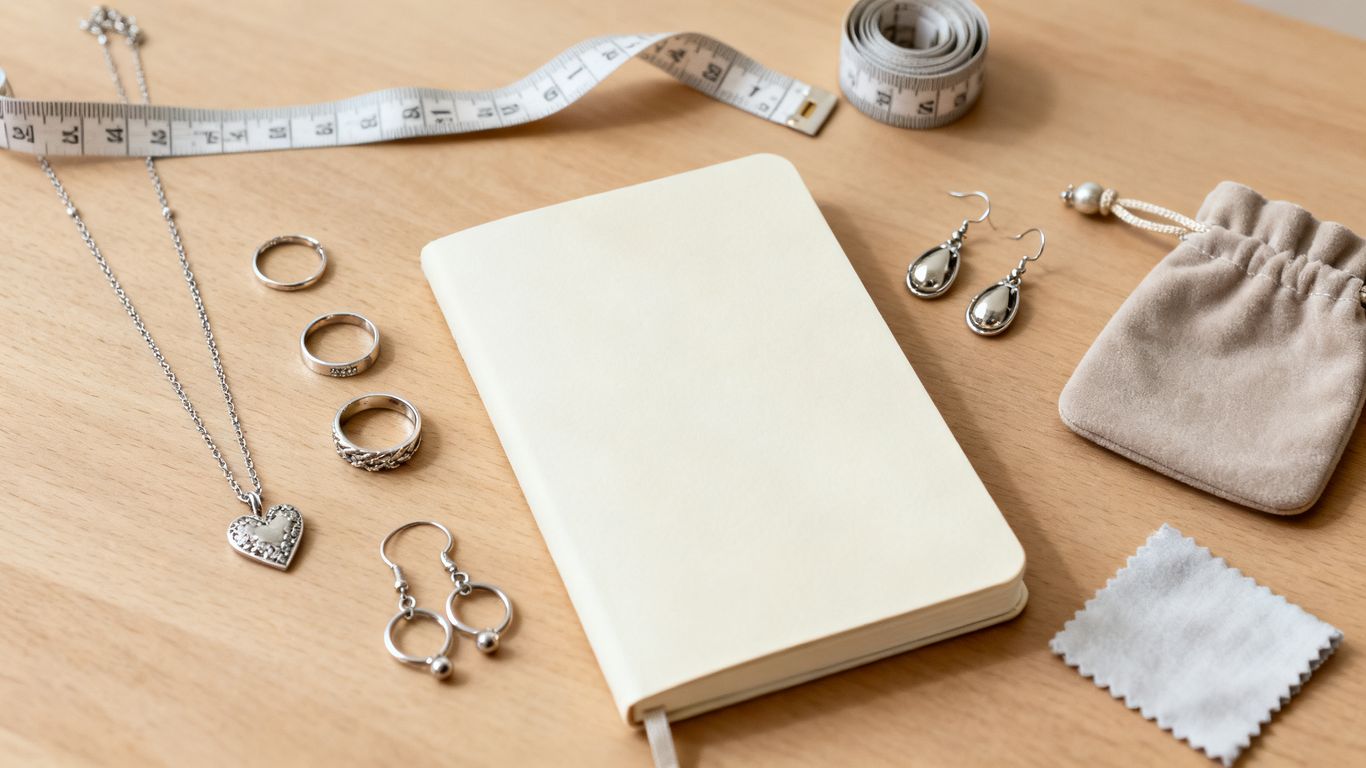
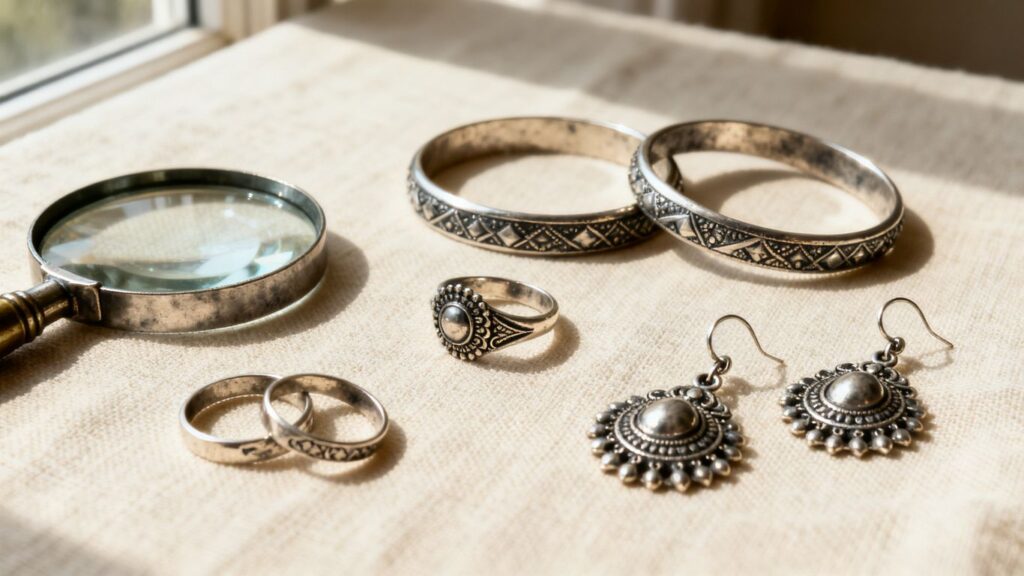
    Silver rings and earrings beside comparison notes

    Price Point and Affordability

    Affordability is personal. One shopper may be seeking a small silver accent, while another may be saving for a gold or diamond piece and wants to understand the longer-term value. Compare like with like: similar materials, similar weights, comparable dimensions, and the same type of finish.

    The displayed price is only one part of the calculation. Check whether taxes, shipping, discounts, or return postage alter the final amount, and avoid treating a lower ticket price as proof of better value. This is especially relevant when searching for the best Indian jewelry brands, because broad lists often combine very different materials and product categories.

    Customer Experience and Service

    Online service is part of the jewelry purchase, not an afterthought. Before ordering, review delivery estimates, exchange rules, return windows, payment security information, and the process for contacting support. These details become particularly important when a ring does not fit or an earring looks different from what you expected.

    A sensible service check can be brief but thorough. Look for the following before committing:

    • A clearly stated return or exchange policy.
    • Product measurements and material information.
    • Recent reviews that discuss fit, packaging, or delivery.
    • A visible customer-support route.

    These checks do not guarantee a perfect transaction, but they reduce avoidable surprises. They also help separate a compelling image from a purchase experience that genuinely suits your needs.

    Making Your Choice: Which Brand is Right for You?

    Start with the piece, not the name. Decide whether you want a ring, earring, necklace, or anklet, then identify the metal, approximate size, and style you would actually wear. This keeps the search focused and prevents a familiar label from overpowering your own preferences.

    Next, make a short comparison of two or three specific listings. Note the price, material, measurements, care instructions, delivery terms, and return policy in one place. If you are choosing between GIVA and Shaya, this simple method is more reliable than trying to rank entire brands from a handful of photographs.

    Finally, allow room for feeling. Jewelry is not only a technical purchase; color, proportion, and the memory attached to a piece matter too. The right decision is the one that balances documented details with a design you can imagine wearing often, whether for a festival, a celebration, or an ordinary day.

    Conclusion: The Final Sparkle

    A useful jewelry comparison should leave you with better questions, not a forced verdict. Check the stated material, study the dimensions, compare the complete cost, and read the service terms before ordering. Once those basics are clear, the final choice can be guided by the design that feels most natural on you.

    The appeal of silver and other fine jewelry lies in its flexibility. A modest piece can become a signature, while a more expressive design can give a familiar outfit a new mood. That is why careful research and personal taste work best together.

    Whether you are shopping for yourself or choosing a thoughtful gift, take a moment to imagine the piece beyond the product photograph. The brightest choice is usually the one that fits your life, your budget, and the occasions you already have in mind.

    Conclusion

    GIVA vs Shaya is ultimately a personal choice shaped by material, design, price, and service details; compare specific listings carefully, then choose the piece you will enjoy wearing.

    Frequently Asked Questions

    Is silver jewelry suitable for everyday wear?

    It can be, provided the item’s care guidance suits your routine. Exposure to moisture, chemicals, sweat, and friction may affect some finishes, so remove pieces when appropriate and store them carefully.

    How should I compare jewelry prices online?

    Compare similar materials, dimensions, finishes, and categories rather than looking only at the headline price. Include shipping, taxes, discounts, and possible return costs in the final calculation.

    What should I check in a jewelry product description?

    Look for the stated metal, purity or certification, dimensions, weight when available, care instructions, included items, delivery details, and return or exchange terms.

    Are product photographs enough to judge jewelry quality?

    No. Photographs help with style and color, but they may not show scale, texture, or construction clearly. Measurements and customer feedback provide useful additional context.

    How can I choose jewelry for a gift?

    Consider the recipient’s usual metal color, preferred level of detail, lifestyle, and likely size. If you are uncertain, choose a versatile category and confirm whether exchanges are available.

    Is minimalist jewelry easier to style?

    Often, simple shapes can work with more outfits and layer easily, but personal style matters more than a general rule. Consider the colors, necklines, and accessories already in the recipient’s wardrobe.

    What is the safest way to store jewelry?

    Keep pieces dry, separate, and protected from tangling or scratching. Soft-lined compartments or individual pouches can help, especially for items with delicate finishes or chains.
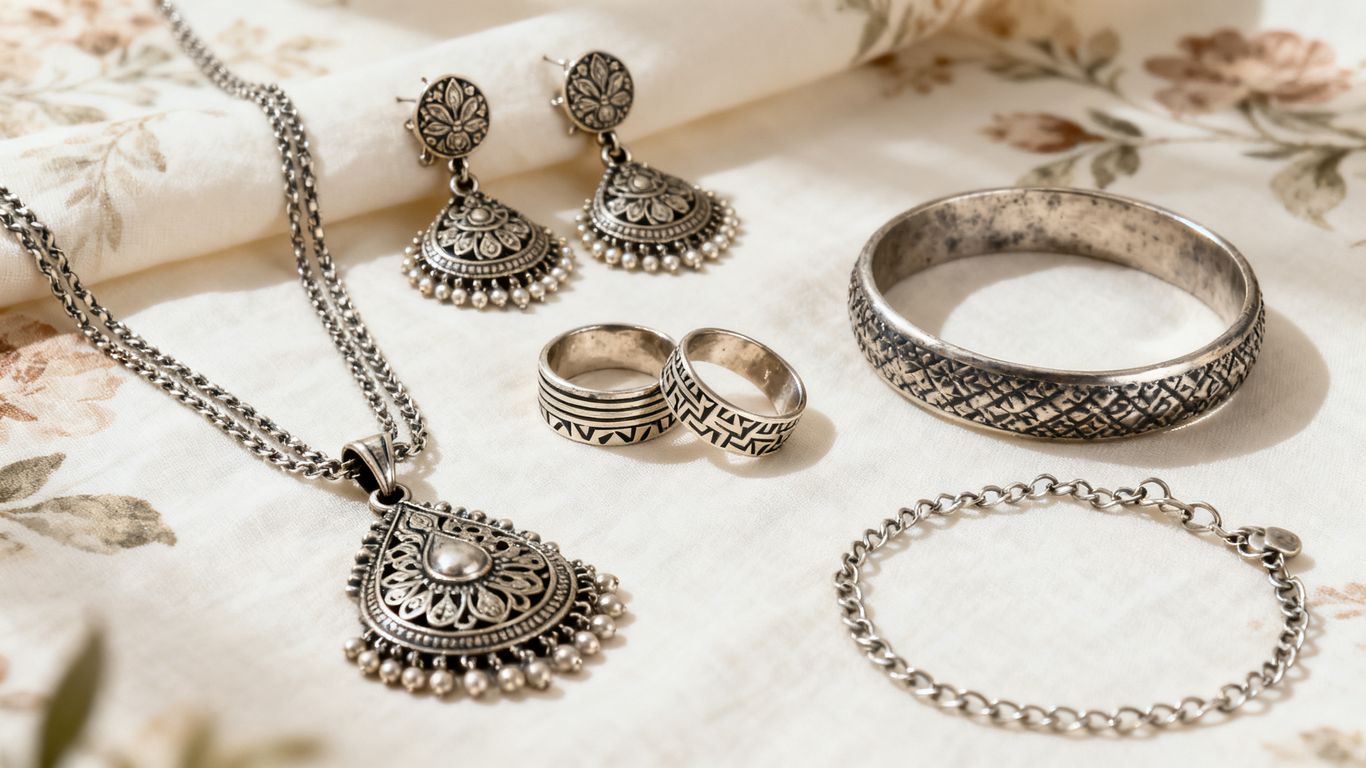
  • Top 925 Silver Jewellery Brands in India You’ll Love

    Top 925 Silver Jewellery Brands in India You’ll Love

    Key Takeaways

    925 sterling silver is a practical choice for jewellery that balances shine, durability, and everyday wear. The right purchase still depends on purity, design, seller transparency, and aftercare.

    • Look for clear 925 purity information and reliable hallmarking details.
    • Compare craftsmanship, finish, sizing, return policies, and customer feedback.
    • Choose designs that suit your wardrobe rather than following every trend.
    • Check the total price, stone details, shipping terms, and care instructions.
    • Store silver jewellery carefully and clean it gently to slow tarnishing.

    Why Choose 925 Sterling Silver Jewellery?

    925 sterling silver contains 92.5% silver, with the remaining portion generally made up of other metals that help improve strength. That combination makes it more suitable for rings, earrings, necklaces, bangles, and other pieces that need to hold their shape. It also has a bright, adaptable finish that works with both traditional Indian clothing and simple everyday outfits.

    For many shoppers, silver offers a more accessible entry point into fine jewellery than gold or platinum. It can be dressed up for weddings and festivals, yet a slim chain or small pair of earrings can feel completely at home with workwear. The phrase “sterling silver jewellery India” covers a wide range of aesthetics, from polished contemporary pieces to oxidized designs with a more artisanal character.

    925 silver is not maintenance-free, but its care is straightforward when handled consistently. Moisture, cosmetics, sweat, and air can gradually darken the surface, which is why storage and gentle cleaning matter. If you are comparing Indian jewellery brands, use the same questions for each one: what is the purity, how is the piece finished, and what happens if the fit is not right?

    Factors to Consider When Buying 925 Silver Jewellery

    Buying silver online is easier when the decision is broken into a few practical checks. Product photographs can be useful, but they do not replace details about metal purity, dimensions, finish, stones, and returns. Whether you are searching for hallmarked silver jewellery brands or affordable 925 silver online India, read beyond the headline price.

    925 silver jewellery displayed on silk
    925 silver jewellery displayed on silk

    Purity and Hallmarking

    Purity information should be easy to find on the product page or accompanying documentation. A 925 mark indicates sterling silver, but shoppers should also look for clarity about hallmarking, plating, embellishments, and whether the stated weight refers to the complete piece. Clear product information matters because it lets you compare like with like instead of judging value from photographs alone.

    A simple comparison can help separate the terms used by different sellers:

    DetailWhat to checkWhy it matters
    925 markWhether sterling silver is clearly statedConfirms the advertised silver standard
    HallmarkingWhether hallmark information is providedAdds useful confidence about the metal claim
    FinishPolished, oxidized, plated, or mixedAffects appearance and future care
    Stone detailsType, setting, and treatmentHelps explain the final price

    After checking these points, look at the product description again and make sure the details match the photographs. A careful listing should leave fewer unanswered questions about what will arrive at your door.

    Craftsmanship and Design

    Craftsmanship shows up in the less glamorous details: smooth edges, even joins, secure clasps, balanced earrings, and a finish that looks consistent from different angles. For rings and bangles, measurements are especially important because an attractive design is of little use if it pinches or slides off. Close-up images and a clear size guide are helpful signs of a considered online listing.

    Style is personal, but versatility can be a sensible starting point. Minimal pieces may work across several outfits, while jhumkas, textured cuffs, and layered necklaces can bring more character to festive dressing. Shoppers exploring 925 sterling silver bangles can compare the width, opening, texture, and fit before choosing a design.

    Brand Reputation and Customer Reviews

    Reviews are most useful when they describe specific, observable details rather than simply calling a piece beautiful. Look for comments about sizing, weight, colour, packaging, delivery, tarnishing over time, and how the seller handled an exchange. A consistent pattern across several reviews is more informative than one enthusiastic or disappointed reaction.

    It is also worth checking whether the seller publishes contact information, delivery timelines, return conditions, and care guidance. Paksha is one example of a source page that describes pure 925 Indian silver jewellery, hallmarked silver, customization, shipping conditions, and a 7-day return or exchange policy. Those are the kinds of concrete details shoppers should seek when comparing sellers, without assuming that one policy applies across the market.

    Price and Value for Money

    The lowest price is not automatically the best value. Silver weight, workmanship, stones, finishing, packaging, taxes, delivery charges, and after-sales terms can all affect the final cost. A lightweight daily-wear piece may be perfectly worthwhile, while a heavier or more detailed design should come with enough information to justify its price.

    Before placing an order, make a short comparison using these checks:

    • Compare the silver purity statement and listed weight.
    • Check whether stones, plating, or personalization change the price.
    • Read shipping, return, exchange, and warranty conditions.
    • Review the size guide and measure an existing comfortable piece.

    This process makes online shopping less impulsive and gives you a clearer idea of what you are paying for. It is particularly useful when a search for “top silver jewellery designers India” produces a mix of handmade, fashion, and fine-jewellery listings.

    The Top 925 Silver Jewellery Brands in India

    There is no single best style for every buyer, so a useful shortlist should cover different preferences rather than rank pieces by appearance alone. Some shoppers want delicate jewellery for frequent wear, while others prefer traditional motifs or customized gifts. The labels below are best read as style and shopping directions, with product details checked at the time of purchase.

    Indian silver jewellery arranged in distinct styles
    Indian silver jewellery arranged in distinct styles

    Paksha: Known for Hallmarked 925 Silver Jewellery with Customization

    Paksha focuses on handcrafted 925 silver jewellery influenced by Indian design traditions. Its official website currently highlights hallmarked 925 silver and customization across its pieces, which gives it a clearer position for shoppers who want traditional styling with personalization options.

    Paksha may suit buyers looking for jewellery that feels more personal than standard ready-made designs. Before ordering, check the individual product for dimensions, weight, customization conditions, delivery time, and return eligibility.

    Shaya by CaratLane: Specializing in Contemporary 925 Silver Jewellery for Everyday Style

    Shaya by CaratLane focuses on handcrafted 925 silver jewellery across earrings, necklaces, bracelets, rings, anklets, and other styles. Its current collection includes plain silver, oxidized silver, and gold-plated 925 silver designs, giving shoppers several finishes within the same brand.

    It is particularly relevant if you want contemporary silver jewellery for everyday wear rather than heavily traditional pieces. Check the exact product description because plating, finish, dimensions, and pricing vary considerably between designs.

    Shyle’s current range includes handcrafted 92.5 sterling silver earrings, necklaces, bangles, kadas, anklets, and other jewellery produced in Jaipur. Its Rakhi collection is a stronger differentiator because it includes 92.5 silver keepsake designs as well as personalized Rakhi options.

    This makes Shyle worth considering when shopping for traditional silver jewellery or a Raksha Bandhan gift with a longer usable life than a conventional Rakhi. Its personalized collection currently includes message-based designs such as “Best Brother Ever” and “Best Sister Ever.”

    GIVA: A Go-To for Shoppers Who Want a Broad Choice of Everyday 925 Silver Jewellery

    GIVA has a large 925 sterling silver range covering rings, earrings, necklaces, bracelets, anklets, men’s jewellery, children’s jewellery, personalized pieces, and other categories. Its website also lets shoppers browse several jewellery categories by price, metal, finish, and intended style, including everyday, office, party, and some wedding options.

    That breadth makes GIVA particularly useful for shoppers who want to compare several types of 925 silver jewellery without moving between multiple specialist sellers. Buyers should still check whether a specific piece is plain silver, gold-plated, rose-gold finished, oxidized, or set with stones before comparing prices.

    Caring for Your 925 Sterling Silver Jewellery

    Sterling silver naturally reacts with substances in its surroundings, so occasional darkening is normal rather than a sign that the piece has lost all value. Keep jewellery away from perfume, hairspray, lotions, swimming pools, and prolonged moisture where possible. After wearing it, a soft, dry cloth can remove surface oils before the piece goes back into storage.

    Store each item separately in a dry pouch or lined compartment to reduce scratches and tangling. Avoid leaving silver loose in a humid bathroom, and be cautious with airtight packaging if moisture is trapped inside. For more practical guidance on silver cleaning methods, use gentle household approaches and check whether a delicate stone or special finish needs professional attention.

    When cleaning, start with the mildest method and stop if the surface, stone, or coating seems vulnerable. Do not scrub aggressively, use abrasive powders, or soak a piece without knowing how its components will react. With steady, gentle care, 925 silver can remain a reliable part of an everyday jewellery collection for years.

    Conclusion

    The best 925 silver jewellery brands in India are not defined by one universal style; they are the sellers and collections that give you enough information to choose with confidence. Check purity, craftsmanship, reviews, price, fit, and care requirements, then select the piece that feels right for your wardrobe or occasion.

    Frequently Asked Questions

    Is 925 silver the same as pure silver?

    No. 925 silver is sterling silver, containing 92.5% silver, while pure silver has a higher silver content and is generally softer. Sterling silver is commonly used for jewellery because it is better suited to regular wear.

    Does 925 sterling silver tarnish?

    Yes, it can darken when exposed to air, moisture, sweat, cosmetics, or household chemicals. Regular gentle cleaning and dry, separate storage can help slow the process.

    How can I check whether silver jewellery is 925?

    Look for a 925 mark and clear product or hallmark information from the seller. For higher-value purchases, ask for supporting documentation and make sure the description explains the metal accurately.

    Is 925 silver jewellery suitable for daily wear?

    Many 925 silver pieces can be worn daily, provided they are protected from water, chemicals, and rough handling. Delicate chains, stones, and special finishes may need more careful use.

    What should I check before buying silver jewellery online?

    Review purity, weight, dimensions, stone details, photographs, customer feedback, delivery terms, and return or exchange conditions. A size guide is particularly useful for rings, bangles, and fitted pieces.

    Why do some silver pieces cost more than others?

    Price can reflect silver weight, workmanship, design complexity, stones, finish, personalization, packaging, and service terms. Comparing these details gives a more useful value assessment than comparing prices alone.

    Can tarnished silver jewellery be cleaned at home?

    Often, light tarnish can be treated with a soft cloth and a gentle cleaning method suitable for silver. Avoid harsh abrasives and seek professional advice for valuable, plated, stone-set, or unusually delicate pieces.

  • Pastel Lehenga? Pretty Jewelry Picks!

    Pastel Lehenga? Pretty Jewelry Picks!

    Key Takeaways

    Pastel lehengas invite a lighter, more considered approach to bridal styling. The right jewelry adds definition without taking away the softness of the outfit.

    • Match jewelry scale to the lehenga’s embroidery and neckline.
    • Use Kundan, Polki, pearls, Meenakari, or diamonds according to the mood you want.
    • Choose warm gold for traditional richness and white metals for a cooler, modern finish.
    • Let one piece lead when the outfit already has heavy detail.
    • Check comfort, proportions, and lighting before finalizing your wedding jewelry.

    Why Jewelry Matters with a Pastel Lehenga

    A pastel lehenga has a naturally gentle presence, so jewelry helps bring structure to the look. It frames the face, draws attention to the neckline, and adds contrast against shades such as blush, mint, powder blue, lavender, peach, and ivory. The goal is not simply to wear more pieces, but to create a pleasing relationship between fabric, embellishment, skin tone, and metal.

    For many brides, jewelry also carries emotional and cultural meaning. A Kundan necklace may feel connected to family tradition, while delicate earrings or a pearl strand can suit a quieter, contemporary ceremony. When researching wedding jewelry for pastel outfits, start with the feeling you want the complete look to convey rather than choosing every piece separately.

    The most useful approach is to build the look around one anchor: perhaps a choker, a pair of earrings, a maang tikka, or a necklace set. BuyJewelleryOnline.net offers reviews and buying advice for online jewelry shoppers, which can be helpful when comparing styles, materials, and practical details before ordering. A little planning keeps the final arrangement graceful instead of crowded.

    Understanding Pastel Lehenga Aesthetics

    Pastel outfits can look romantic, airy, and refined, but they are not all styled in the same way. A heavily embroidered lehenga may need simpler jewelry, while a plain or lightly decorated one can support a stronger necklace or more noticeable earrings. Fabric finish matters too: velvet, silk, tulle, and satin each reflect light differently.

    The best jewelry for light color lehenga styling usually repeats one detail from the outfit without copying it exactly. That might mean picking up a muted pink stone, echoing a silver thread, or using a warm metal against a cool blue. These small connections make the ensemble feel intentional.

    The Softness of Pastels

    Pastels soften the visual effect of traditional bridal dressing, which makes delicate surfaces and controlled sparkle especially attractive. Pearls, pale stones, fine chains, and softly polished gold can preserve that feeling, while antique finishes add depth when the lehenga looks too pale on its own. For an ivory or blush outfit, even a modest necklace can provide definition around the collarbone.

    Consider the wedding setting as well. Daylight tends to reveal subtle color and texture, whereas evening lighting gives reflective stones and polished metal more presence. A bridal lehenga style guide can offer broader color-pairing ideas, but your final choice should still respond to your specific shade, embroidery, and neckline.

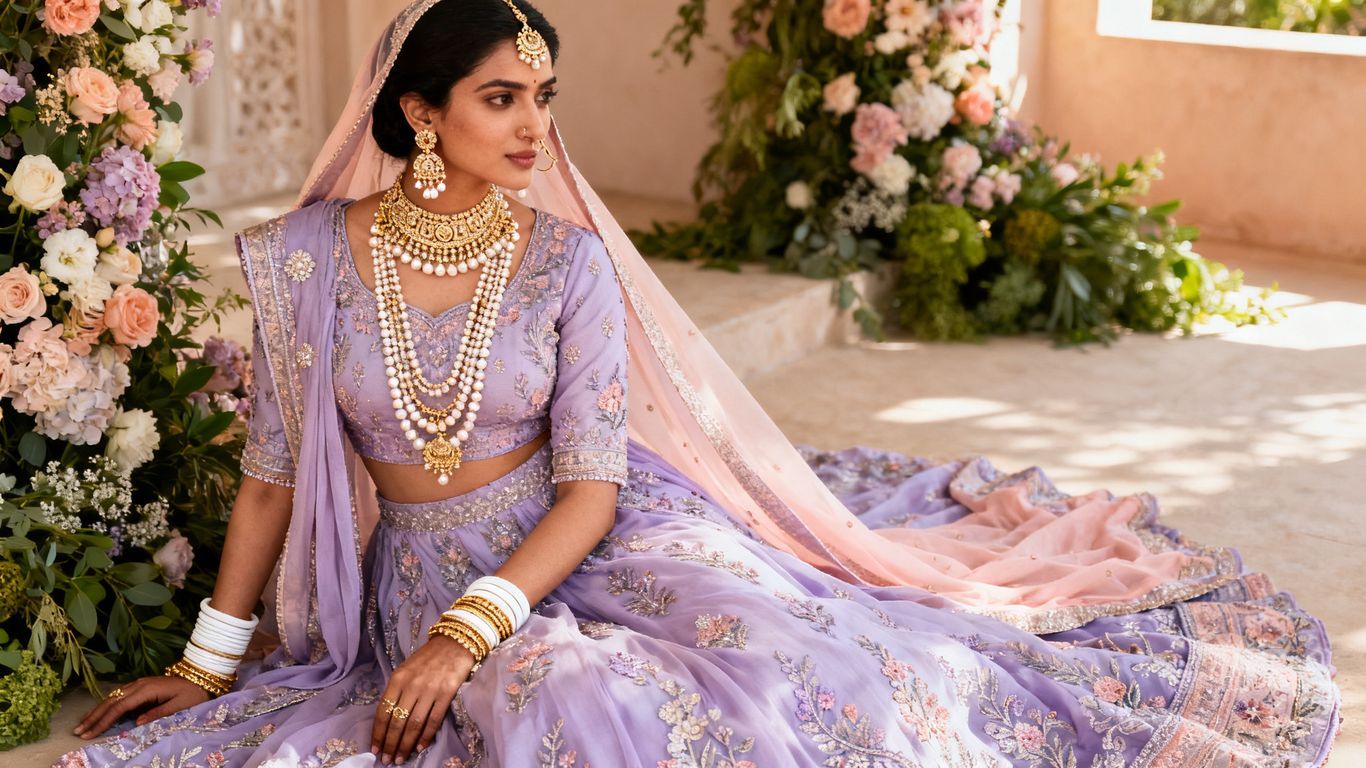
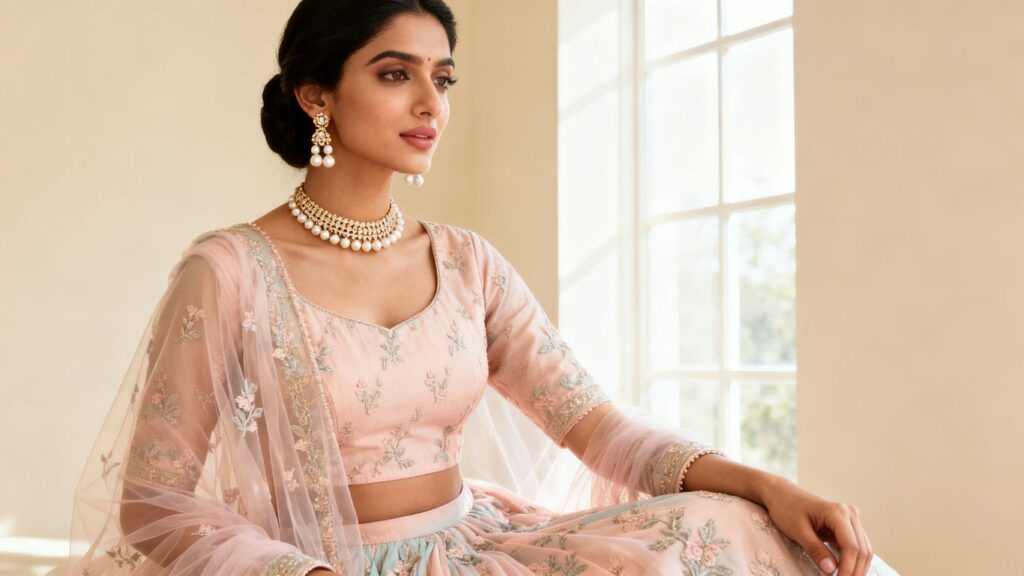
    Pastel bridal lehenga with delicate jewelry
    Pastel bridal lehenga with delicate jewelry

    Balancing the Look: When to Go Bold, When to Be Subtle

    The simplest rule is to compare the visual weight of the outfit with the visual weight of the jewelry. If the lehenga has sequins, dense threadwork, or a dramatic border, a statement earring with a restrained necklace may look more polished than a complete heavy set. If the outfit is clean and minimal, a layered necklace or ornate choker can become the feature that gives it personality.

    Use these checkpoints before choosing matching jewelry for lehenga styling:

    • A deep neckline can support a layered necklace or pendant.
    • A high neckline often works better with earrings and a maang tikka.
    • A detailed dupatta may call for smaller, lighter pieces near the face.
    • A simple blouse can carry a more expressive choker or collar.

    After deciding where the eye should land first, keep the remaining pieces supportive. This approach is particularly useful for brides who want photographs to show both the jewelry and the lehenga rather than one overpowering the other.

    Jewelry Styles That Complement Pastel Lehengas

    There is no single answer to the question of which jewelry suits a pastel bridal outfit. Traditional pieces can look fresh against pale colors, while modern styles can add clarity to a richly embellished lehenga. Think about finish, scale, and color before thinking about quantity.

    Earrings for bridal lehenga looks deserve special attention because they remain visible even when a dupatta covers part of the necklace. Chandelier earrings, jhumkas, studs, and drops can all work, but their length should suit the face shape, hairstyle, and blouse neckline. A coordinated set is useful, though mixing related textures can sometimes create a more relaxed and personal result.

    Kundan and Polki: Timeless Elegance

    Kundan and Polki bring traditional character to pastel clothing without requiring a bright or saturated color palette. Kundan’s polished stones can offer clean points of light, while Polki’s uncut diamond appearance has a softer, more organic surface. Both can pair well with blush, champagne, mint, and ivory when the scale matches the embroidery.

    For a clearer comparison, consider how each style behaves within the complete outfit:

    Jewelry styleVisual effectWorks well withBest styling approach
    KundanPolished and luminousBlush, peach, ivoryCoordinate with a neat choker or pendant
    PolkiTextured and heritage-inspiredChampagne, mint, pale pinkLet one substantial piece lead
    Kundan earringsDefined facial framingLightly embellished blousesPair with a restrained necklace
    Polki necklaceSoft, dimensional sparkleTraditional bridal embroideryRepeat its finish in smaller accents

    The table is a starting point rather than a strict formula. Necklace sets for weddings can help you browse coordinated proportions, but always compare the actual measurements with your blouse neckline and the amount of embroidery around it.

    Meenakari: A Splash of Color

    Meenakari is a lovely way to introduce color when the lehenga itself is intentionally muted. Look for enamel shades that sit beside the outfit rather than competing with it: soft green with peach, powder blue with rose, or a restrained pink against ivory. A small Meenakari detail in the earrings or pendant may be enough to connect the jewelry to the dupatta.

    Because enamel work can be visually lively, balance it with a quieter metal finish or a simpler silhouette. This is also a good choice for wedding jewelry for pastel outfits when you want a traditional note that feels less expected than an all-gold arrangement.

    Pearls: Classic and Delicate

    Pearls suit pastel lehengas because their gentle luster follows the softness of the palette. A short strand can keep a modern blouse looking clean, while layered pearls or pearl drops can add romance to a more traditional ensemble. They are especially graceful with ivory, pale blue, lavender, and blush.

    Choose the size carefully. Tiny pearls feel understated and youthful, while larger pearls become a stronger focal point and may need simpler earrings. Mixing pearls with small diamonds or a fine gold chain can also keep the look bridal without making it feel overly formal.

    Diamond Accents: Subtle Sparkle

    Diamond accents work best when you want light-catching detail without a strong color contrast. Small stones in earrings, a pendant, or a bracelet can brighten a pastel lehenga while allowing the embroidery to remain visible. For a heavily worked outfit, a clean diamond drop may be more effective than several competing statement pieces.

    Pay attention to the shape of the setting and the tone of the metal. A crisp white-metal setting gives a cooler, contemporary impression, whereas diamonds in yellow gold feel warmer and more traditional. A short video search for pastel bridal jewelry styling can also help you observe how different pieces move under ceremony and reception lighting.

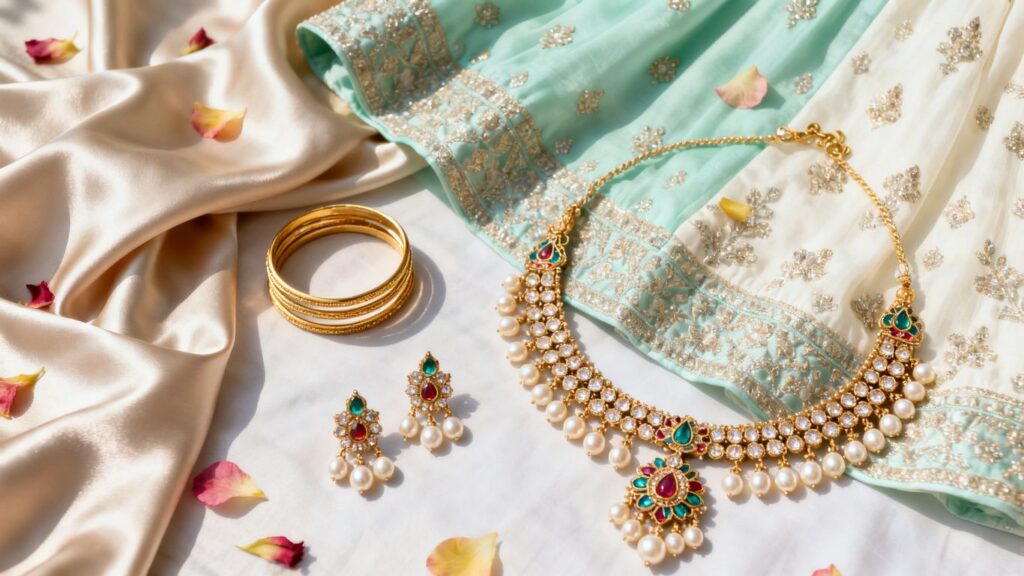
    Pastel lehenga jewelry flat lay with pearls and Kundan
    Pastel lehenga jewelry flat lay with pearls and Kundan

    Choosing the Right Metal for Your Pastel Lehenga Jewelry

    Metal changes the character of jewelry as much as stones do. Yellow gold warms a cool pastel and brings out the ceremonial richness of traditional pieces, while silver and white gold create a cleaner contrast. Rose gold can work beautifully with blush and peach, though it should be tested beside the exact fabric rather than judged from a photograph.

    When comparing jewelry for pastel bridal lehenga styling, place the pieces next to the lehenga in natural light. A metal that looks subtle in a showroom may become very bright under flash, and a pale fabric can reflect nearby tones onto the skin. Comfort, clasp quality, weight, and the return policy deserve attention alongside appearance.

    Gold Tones: Warmth and Tradition

    Yellow gold is a natural choice for brides who want the pastel palette to feel richer and more grounded. It creates pleasing contrast with mint, powder blue, lavender, and ivory, and it supports heritage styles such as Kundan, Polki, and traditional bangles. A softer antique finish can feel less stark than highly polished gold when the lehenga has delicate threadwork.

    Before settling on a gold-toned arrangement, check four practical details:

    • Compare the gold color with the lehenga’s embroidery in daylight.
    • Keep necklace, earrings, and bangles within a similar warmth level.
    • Match the scale of the set to the blouse and dupatta details.
    • Confirm weight and fastening comfort for long wedding events.

    These checks help the jewelry look coordinated from every angle. BuyJewelleryOnline.net provides jewelry reviews and buying advice, so its general guidance can be useful when you are assessing online listings rather than relying only on a styled product photograph.

    Silver and White Gold: Modern Chic

    Silver and white gold give pastel lehengas a cooler, more contemporary finish. They work particularly well with icy blue, lilac, pale grey, and crisp ivory, especially when the blouse has crystal, sequin, or silver-thread details. The effect can be sleek with diamonds, or more distinctive with pearls and carefully chosen colored stones.

    Avoid choosing a cool metal simply because the outfit is pale. Skin tone, lighting, embroidery, and personal taste still matter. Try the jewelry with your hairstyle and dupatta drape, since those elements can change how much metal is visible around the face and neckline.

    Conclusion

    Pastel lehengas leave room for jewelry to express tradition, softness, or modern restraint. Begin with the outfit’s color and detail, choose one focal piece, and let the metal and stones support that decision. With a thoughtful balance of proportion, comfort, and finish, your bridal jewelry can feel distinctive without overwhelming the gentle beauty of the lehenga.

    Frequently Asked Questions

    What jewelry looks best with a pastel bridal lehenga?

    Kundan, Polki, pearls, Meenakari, and diamond accents can all work well. Choose based on the lehenga’s embroidery, neckline, color temperature, and the level of formality you want.

    Can I wear gold with a pastel lehenga?

    Yes. Yellow gold adds warmth and traditional richness to pale colors, while antique or softer finishes can blend more gently with delicate embroidery.

    Is Polki suitable for a light-colored lehenga?

    Polki can look beautiful with ivory, blush, champagne, mint, and other light shades. Keep the rest of the jewelry controlled if the Polki necklace or choker is substantial.

    Are pearls a good choice for bridal jewelry?

    Pearls are a graceful option for brides who prefer a soft, classic finish. They can be worn alone or combined with small diamonds, gold, or white-metal details.

    What earrings should I wear with a pastel lehenga?

    Select earrings according to the hairstyle, neckline, and necklace. Drops, jhumkas, chandbalis, and studs can all work when their scale is balanced with the rest of the outfit.

    Should jewelry match the lehenga exactly?

    Exact matching is not necessary. Repeating one color, finish, or small design detail is usually enough to make the look feel connected while preserving contrast.

    How can I stop pastel bridal styling from looking too plain?

    Add definition through one focal jewelry piece, a contrasting metal, or a small accent color. Good lighting, thoughtful layering, and well-chosen earrings can create richness without adding excessive sparkle.

  • Zircon Jewelry: Yay or Nay?

    Zircon Jewelry: Yay or Nay?

    Key Takeaways

    Zircon can be a beautiful, distinctive choice when you understand what you are buying and how you plan to wear it.

    • Natural zircon is a genuine gemstone, while cubic zirconia is a different lab-created material.
    • Zircon offers lively fire, varied colors, and accessible pricing.
    • Its durability is respectable but calls for more care than diamond.
    • Cloudiness, scratches, treatments, and setting quality affect the buying decision.
    • Zircon is most worthwhile when personal style matters more than investment value.

    What Exactly is Zircon Jewellery?

    Zircon jewellery uses zircon, a natural gemstone that occurs in several colors, including blue, yellow, green, red, and brown. Its bright luster and strong dispersion can create flashes of color as it moves in the light. Because the name sounds close to another popular stone, shoppers sometimes assume zircon is simply a diamond substitute or a type of imitation. Knowing the difference is the first step toward judging zircon gemstone quality fairly.

    Natural Zircon vs. Cubic Zirconia (CZ)

    Natural zircon forms in the earth and has its own mineral composition and crystal structure. Cubic zirconia, usually called CZ, is a separate lab-created material made to resemble diamond. They may both appear bright in a ring or pendant, but they are not interchangeable stones, and zircon vs cubic zirconia value depends on different considerations.

    A natural stone may carry interest because of its color, clarity, cut, origin, and rarity. CZ is generally chosen for an affordable look rather than for the characteristics of a mined gemstone. For a useful visual overview of colors, cuts, and setting considerations, this natural zircon guide is a helpful starting point.

    The label on a product listing deserves close attention. Ask whether the description means natural zircon, cubic zirconia, or simply a clear decorative stone, and check whether any treatment is disclosed. That small bit of care prevents disappointment later, especially when comparing a stone’s appearance with its price.

    The Pros of Buying Zircon Jewellery

    The appeal of zircon is not limited to its low price. A well-cut stone can look animated and rich, while its colors give shoppers more room to choose something personal than a conventional colorless stone. For buyers who want jewelry that feels distinctive without stretching the budget, zircon can be a sensible option.

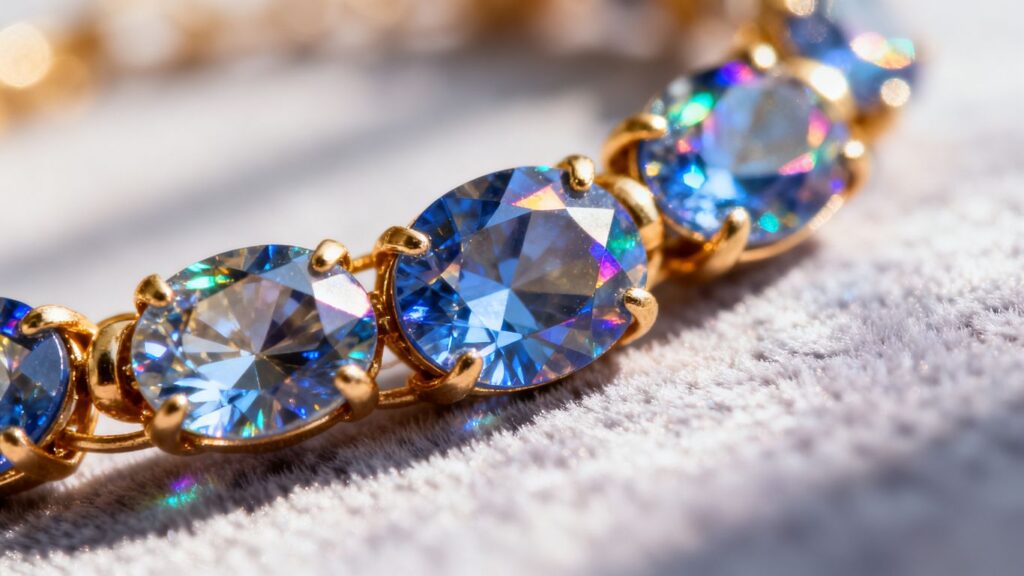
    Blue and golden zircon jewelry in sunlight
    Blue and golden zircon jewelry in sunlight

    Affordability and Accessibility

    One of zircon’s clearest advantages is that it can offer a gemstone appearance at a more approachable price than many high-demand alternatives. The final cost still depends on color, size, clarity, cut, treatment, metal, and workmanship, so “zircon” alone does not establish a fixed price. A careful shopper compares the full piece rather than judging value from carat weight alone.

    At BuyJewelleryOnline.net, buying advice and jewelry reviews are designed to help online shoppers compare pieces before purchasing. A zircon buying guide can also be useful when you are weighing natural stones against CZ listings and checking what a seller has actually described.

    Sparkle and Brilliance

    Zircon is known for lively brilliance and noticeable flashes of spectral color, particularly when it has been cut to make good use of its luster. This gives it a look that can feel bright and lively rather than flat. Whether it is a good diamond alternative depends on your expectations: it can provide impressive sparkle, but it remains a different gemstone with different care needs.

    Cut quality matters more than a generic promise of shine. Look at the stone in several kinds of light, paying attention to whether the center looks bright or dark and whether the facets return light evenly. A lively cut changes everything about how a modestly priced stone looks on the hand.

    Variety in Styles and Designs

    Zircon’s range of natural colors makes it adaptable to everyday jewelry, occasion pieces, and birthstone gifts. Blue is especially familiar, but warmer tones and unusual colors can create a more individual look. It works in rings, earrings, pendants, and bracelets, provided the setting suits the stone and the intended wear.

    When comparing designs, these practical details make the choice easier:

    • Choose a protective setting for a ring that may receive frequent knocks.
    • Consider earrings or pendants if you want lower-contact everyday wear.
    • Check whether the metal color complements the zircon’s natural or treated color.
    • Look for clear disclosure of stone type, treatment, dimensions, and return terms.

    That short list keeps style and practicality together. A dramatic color may be the reason you notice a piece, but the setting and wearing habits determine whether you continue enjoying it.

    The Cons of Buying Zircon Jewellery

    Zircon is attractive, but it is not a completely carefree stone. Its relative hardness does not make it immune to abrasion, and its faceted edges can be vulnerable when a piece is worn roughly or stored with harder jewelry. The pros and cons of zircon jewelry become clearer when you consider daily routine, not just the first impression in a product photograph.

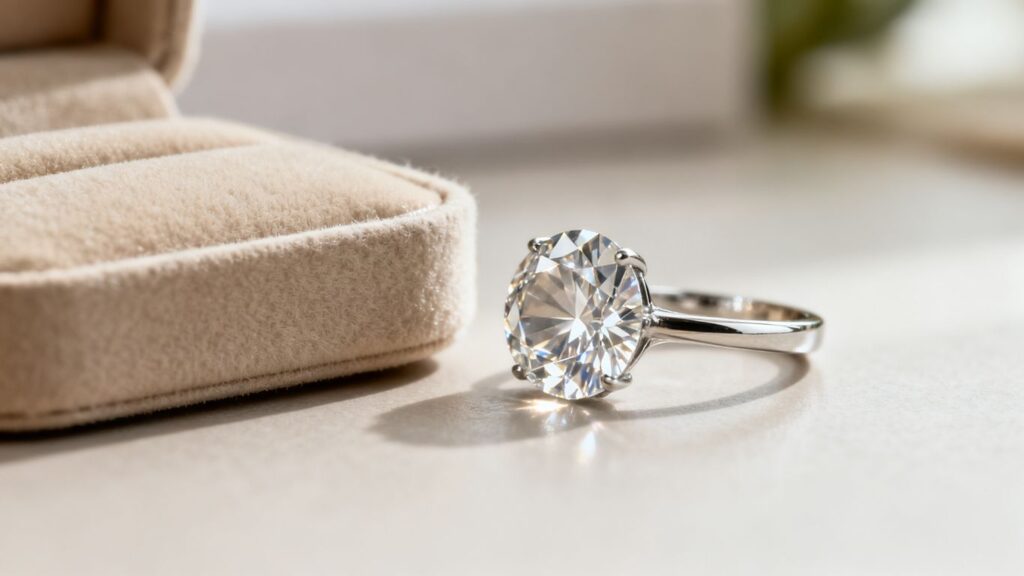
    Faceted zircon ring beside a soft jewelry pouch
    Faceted zircon ring beside a soft jewelry pouch

    Durability Concerns

    Zircon is suitable for jewelry, yet it can be more brittle and less scratch-resistant than a diamond. Rings receive the most contact with desks, counters, door handles, and other objects, so a zircon ring deserves more caution than a pendant or pair of earrings. The durability of zircon stones is therefore adequate for considered wear, rather than a promise of indestructibility.

    For a piece worn often, use a setting that gives the stone support and avoid wearing it during sports, heavy cleaning, gardening, or manual work. A simple care routine is easier to follow when it matches your lifestyle:

    1. Remove zircon jewelry before activities that may cause impact.
    2. Keep each piece separate so stones and facet edges do not rub together.
    3. Clean it gently with mild soapy water and a soft cloth.
    4. Have a jeweler check the setting if the stone feels loose.

    These habits do not eliminate risk, but they reduce the avoidable wear that can shorten a piece’s attractive life. If you want a daily ring and rarely remove jewelry, a more protective design may be the wiser choice.

    Potential for Cloudiness or Scratches

    Some zircon stones can have a cloudy or smoky appearance, and visible inclusions may affect how crisp the stone looks. Scratches and abrasion can also soften the sharp reflection that first attracted you. Examine photographs carefully, but remember that online images may be brightened or enlarged in ways that hide subtle texture.

    Ask for additional photographs or video when the listing is unclear, and check whether the stone has been treated. A reputable description should distinguish natural characteristics from damage and should not rely only on phrases such as “diamond-like.” The zircon buyer’s guide offers a useful framework for thinking about color, clarity, cut, carat weight, and storage before you commit.

    A little skepticism is healthy here. If the stone looks hazy in every view, or if the seller avoids answering basic questions about its identity and condition, move on rather than hoping the jewelry will look different when it arrives.

    Resale Value

    Zircon jewellery is usually purchased for its appearance and personal meaning, not as a guaranteed store of value. Resale depends on the stone’s color and quality, the metal, documentation, craftsmanship, condition, and the demand available when you sell. Fashion-oriented pieces may lose more of their original retail price because the setting and retail markup are not always recovered.

    That does not make zircon a poor purchase. It simply means the best value may be the pleasure of wearing an unusual gemstone, giving a thoughtful gift, or building a collection around color. Keep receipts, reports, and treatment information where available, since clear records can make a future assessment easier.

    Is Zircon Jewellery Worth It for You?

    The answer to “Is zircon jewellery worth buying?” depends on what you want the jewelry to do. If your priority is a colorful natural gemstone with strong sparkle at a manageable price, zircon may fit beautifully. If you need a stone that can tolerate constant impact with minimal care or you are buying mainly for resale, the decision deserves more caution.

    Start with the occasion and the setting. A pendant, earrings, or a carefully protected ring can be a comfortable match for many wardrobes, while a delicate stone in an exposed ring may not suit demanding daily routines. At BuyJewelleryOnline.net, practical reviews and buying advice can help online shoppers slow down, compare descriptions, and choose according to use rather than impulse.

    Before ordering, verify the stone identity, treatment disclosure, measurements, metal details, seller policies, and return window. Compare several photographs and ask what documentation accompanies the piece. You can also make a simple comparison across color, expected wear, budget, and emotional appeal; if the piece still feels right after that check, it is probably a good personal purchase.

    Conclusion: Yay or Nay for Zircon?

    Zircon gets a yay when you want genuine gemstone character, lively brilliance, and a wide choice of colors without treating the purchase as an investment. It is not cubic zirconia, and it should not be judged by the same expectations as either CZ or diamond. Its charm is its own mix of fire, individuality, and attainable style.

    The nay applies when a listing is vague, the setting offers little protection, or your lifestyle is hard on rings. Cloudiness, scratches, treatments, and uncertain resale value are not reasons to dismiss zircon, but they are reasons to inspect a piece carefully before paying. Good information turns those limitations into manageable trade-offs.

    For many shoppers, the fairest verdict is a careful yay: choose a well-described stone, match the design to how you will wear it, and care for it thoughtfully. BuyJewelleryOnline.net continues to focus on accessible jewelry reviews and buying advice, which is the kind of guidance that helps a beautiful choice remain a sensible one.

    Conclusion

    Zircon is a worthwhile choice for shoppers who value color, sparkle, and individuality, as long as they understand its care requirements and buy from a clear, trustworthy listing.

    Frequently Asked Questions

    Is natural zircon a real gemstone?

    Yes. Natural zircon is a genuine mineral gemstone formed in the earth, with its own composition, crystal structure, colors, and value factors.

    Is zircon the same as cubic zirconia?

    No. Zircon and cubic zirconia are different materials. Their similar names can cause confusion, but their origins, properties, and market meanings are not the same.

    Is zircon a good diamond alternative?

    It can be a good visual alternative for someone who wants sparkle and a distinctive natural stone at a different price point. It will not have exactly the same durability or market profile as diamond.

    Can zircon be worn every day?

    Zircon can be worn regularly with care, especially in protective settings. Remove it for strenuous activities and avoid impacts, harsh chemicals, and contact with harder jewelry.

    Does zircon scratch easily?

    Zircon is reasonably hard but can still scratch or abrade, particularly at facet edges. Separate storage and gentle cleaning help preserve its appearance.

    Why can zircon look cloudy?

    Some stones naturally have a cloudy or smoky appearance, while poor condition, surface abrasion, or unclear photography can also affect how the stone appears. Inspect the piece closely and ask questions before buying.

    Does zircon jewellery hold resale value?

    Resale value varies with color, quality, metal, condition, documentation, craftsmanship, and buyer demand. It is usually wiser to buy zircon for enjoyment than to assume a guaranteed financial return.

  • Your Birthstone: What’s the Big Deal?

    Your Birthstone: What’s the Big Deal?

    Key Takeaways

    Birthstones connect a month of the year with a gemstone, but their appeal goes well beyond a simple date-based chart.

    • Birthstone traditions draw from religious history, folklore, and modern jewelry customs.
    • Modern lists may differ from older or regional traditions.
    • The meaning of birthstones is personal rather than a fixed promise.
    • Jewelry makes the idea easy to wear or give as a thoughtful present.
    • Garnet, amethyst, aquamarine, diamond, and emerald each bring a distinct look to the first five months.

    What Exactly Are Birthstones?

    A birthstone is a gemstone associated with a particular month of birth. For some people, it is a small tradition; for others, it becomes a way to mark identity, family, memory, or a meaningful occasion. So, what is birthstone jewelry? In simple terms, it is jewelry that pairs a gemstone with the wearer’s birth month, although many people also choose stones for their color or personal story.

    Birthstones can appear in rings, pendants, earrings, bracelets, and charms. The tradition has changed over time, which explains why different birthstone chart and meanings guides may show slightly different stones for the same month.

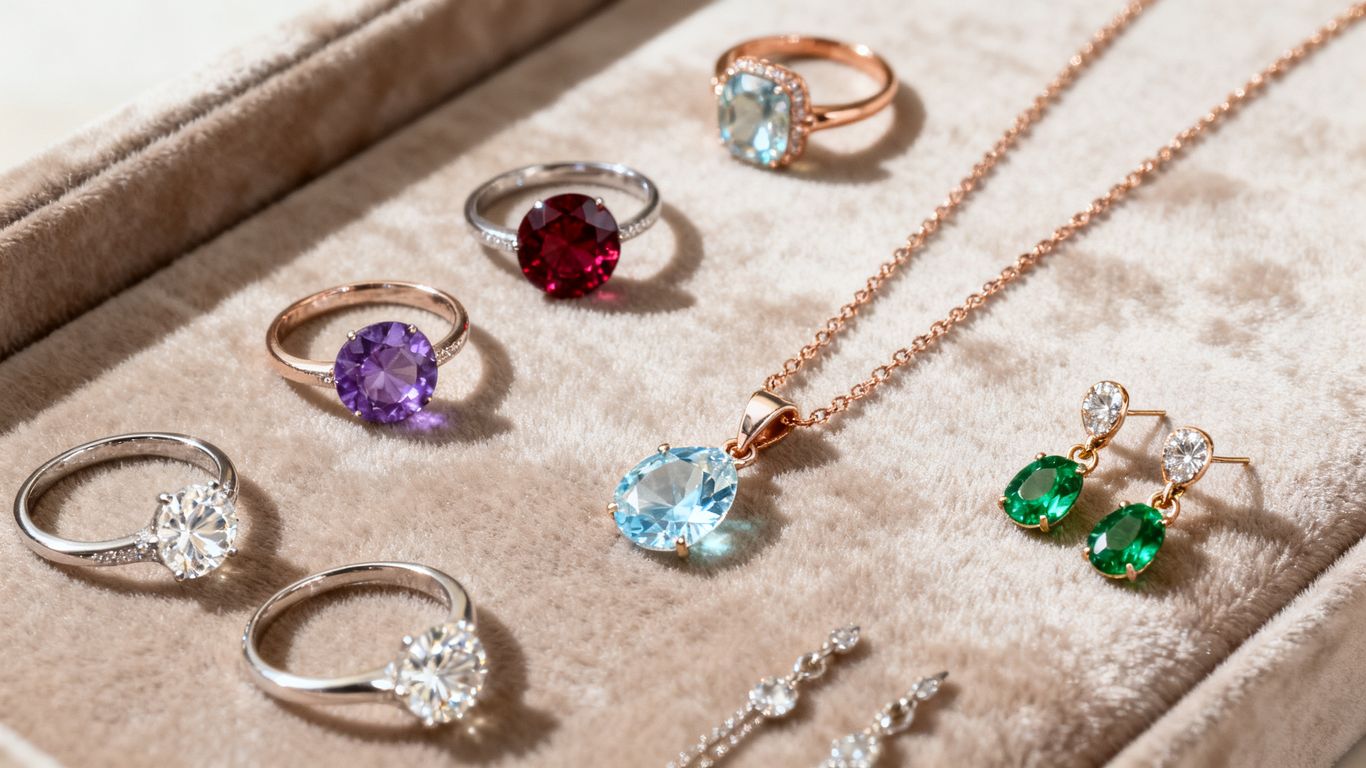
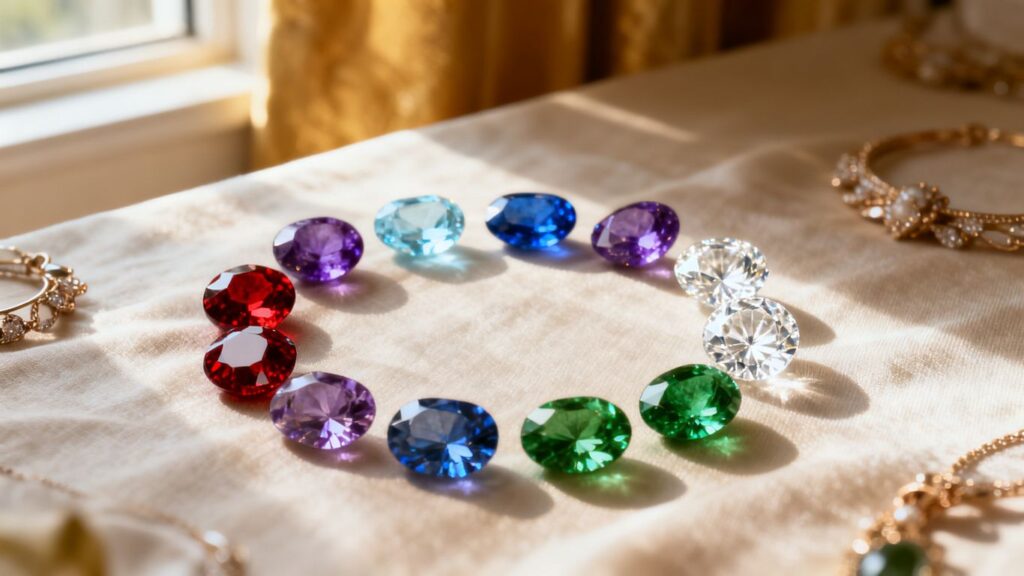
    A collection of colorful birthstone gemstones
    A collection of colorful birthstone gemstones

    The History and Origins of Birthstones

    The history of birthstone jewelry is not tied to one single list or one universally agreed starting point. Ancient religious and cultural traditions helped connect gemstones with symbolic qualities, while later customs linked stones to the twelve months. Over generations, jewelers and writers organized these associations into lists that were easier for people to use when choosing a personal ornament or gift.

    This background also explains why the meaning of birthstones can feel both old and contemporary. A garnet may carry associations with protection or vitality in one tradition, while someone today may simply love its deep red color. Both interpretations can coexist without turning the stone into a promise or prediction.

    The Modern Birthstone List vs. The Traditional List

    Traditional birthstone lists often reflect older beliefs, regional preferences, or connections to biblical and historical gemstones. Modern lists tend to be more practical and consistent for jewelry shopping, sometimes including alternatives when a stone is rare, delicate, or difficult to source. Neither approach has to be treated as the only correct one.

    When comparing a traditional list with a modern one, these questions help keep the choice grounded:

    • Is the stone associated with the month in the tradition you value?
    • Do you prefer the classic gemstone or a commonly accepted alternative?
    • Will the stone suit the wearer’s everyday style and wardrobe?
    • Does the setting provide the care and protection the gemstone needs?

    A little flexibility makes the tradition more useful. At BuyJewelleryOnline.net, practical buying advice can help shoppers compare jewelry types and materials without assuming that symbolism alone should decide the purchase.

    Why Do Birthstones Matter?

    Birthstones matter because they give jewelry a starting point for personal meaning. A gemstone can recall a birthday, a loved one, a new beginning, or simply a color that feels like the wearer. The symbolism is meaningful precisely because people interpret it in their own way.

    The tradition also makes gift-giving less abstract. Instead of choosing a piece based only on appearance, a buyer can begin with a month, then consider the recipient’s taste, lifestyle, and the occasion. That combination often makes the final choice feel more considered.

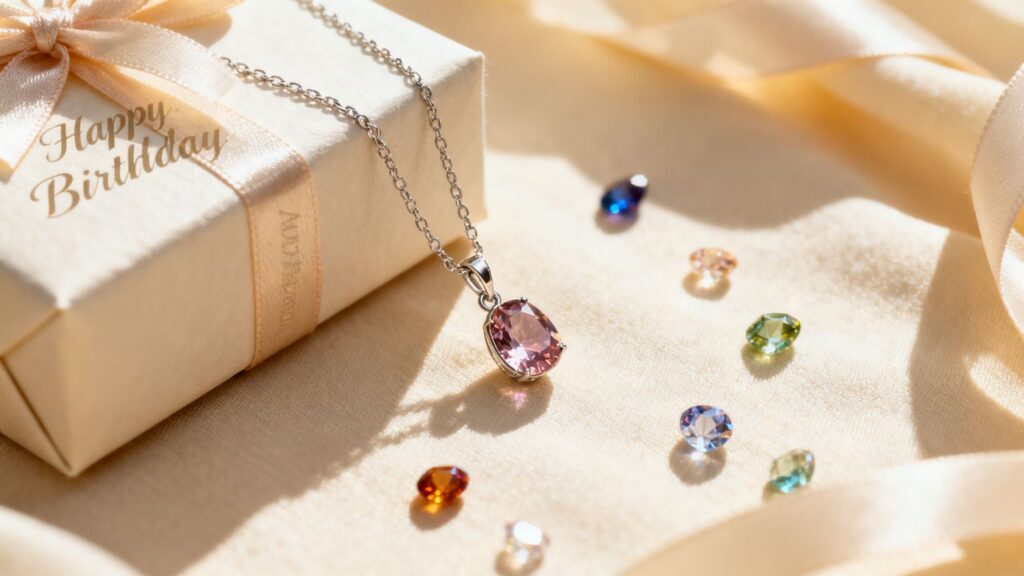
    Birthstone necklace beside wrapped birthday gift
    Birthstone necklace beside wrapped birthday gift

    Symbolism and Personal Meaning

    Birthstone meanings by month are often described with qualities such as courage, calm, clarity, love, or renewal. These descriptions are best understood as cultural associations rather than guarantees. A person may connect with a stone because of its traditional meaning, while another may choose it for its hue, transparency, texture, or family connection.

    The strongest meaning usually comes from the story attached to the piece. A necklace with one stone might mark a birth month, while a design with several stones can bring together the months of children, partners, parents, or close friends. The gemstone becomes a quiet reminder that can be worn without needing an explanation.

    Birthstone Jewelry as Gifts

    Birthstone jewelry works well as a gift because it can feel personal without requiring an elaborate design. A pendant, ring, bracelet, or pair of earrings can suit different budgets and wardrobes, while an engraved initial or charm may add another layer of thought. Before buying, consider whether the recipient prefers understated everyday pieces or more noticeable jewelry.

    A useful gift decision can be organized around the following details:

    Gift considerationWhy it mattersPractical example
    Birth monthEstablishes the traditional gemstoneChoose the recipient’s month or a family combination
    Jewelry styleAffects how often the piece may be wornSelect a necklace for layering or earrings for easy styling
    Metal and settingInfluences appearance and careMatch the finish to jewelry already in the recipient’s collection
    OccasionSets the emotional toneChoose a simple token for a birthday or a more lasting piece for a milestone

    This is where personalized jewelry gifts become especially flexible. BuyJewelleryOnline.net offers buying advice and reviews for shoppers comparing jewelry choices online, so the focus can stay on fit, materials, and occasion rather than on symbolism alone.

    Exploring the Birthstones by Month

    The first five months offer a pleasing range of color, from garnet’s wine-red depth to emerald’s rich green. These stones also vary in appearance, durability, and care needs, so a month-by-month look is more useful than a list of names by itself. Treat the following associations as a starting point for choosing a style that feels right.

    For a broader shopping perspective, this birthstone jewelry guide can sit alongside a general comparison of settings, jewelry forms, and personal details. The best piece is not necessarily the most traditional one; it is the one that the wearer will enjoy and care for.

    January: Garnet

    Garnet is commonly associated with January and is best known for its rich red appearance, although garnets can occur in more than one color. Its depth makes it especially appealing in warm-toned metal settings, vintage-inspired designs, and pieces intended to feel classic rather than fleeting.

    In symbolic language, garnet is often connected with energy, commitment, and protection. A garnet ring or pendant can therefore feel appropriate for a birthday, a new chapter, or a gift meant to express steadiness.

    February: Amethyst

    Amethyst is February’s familiar purple gemstone, ranging from delicate lilac to a much deeper violet. Its color can look soft and understated in a small setting or become the main feature of a larger pendant or cocktail ring.

    The stone is frequently associated with calm, clarity, and inner balance. Whether or not those qualities resonate with the wearer, amethyst offers an easy way to add cool color to everyday jewelry without appearing overly formal.

    March: Aquamarine

    Aquamarine is linked with March and is prized for its clear blue to blue-green color. The watery appearance works naturally in light, open designs, particularly when the setting allows the stone to catch daylight.

    Its traditional associations often include serenity, communication, and safe journeys. That makes aquamarine a thoughtful choice for someone beginning a move, trip, study program, or other change, while its fresh color keeps the design wearable beyond the occasion.

    April: Diamond

    Diamond is the best-known April birthstone and is valued for its bright appearance and strong resistance to scratching. It can serve as a central stone or as a smaller accent, depending on the design and budget.

    Diamonds are often associated with clarity, enduring affection, and strength. When choosing one, shoppers should look beyond the birth month and consider the cut, setting, metal, care requirements, and the way the piece will be worn.

    A diamond does not have to mean a large or formal jewel. Small studs, delicate pendants, and subtle accent stones can carry the April connection while fitting comfortably into an everyday collection.

    May: Emerald

    Emerald is May’s vivid green birthstone, recognized for its saturated color and unmistakable presence. It can bring a sense of richness to a simple design, though its appearance and care needs make the quality of the setting worth considering.

    The stone is traditionally connected with renewal, growth, and love. For someone born in May, emerald jewelry can feel instantly personal; for someone else, its green color may be the reason it becomes the right choice. The stories behind famous jewelry offer a useful reminder that gemstones often gain lasting appeal from the narratives people attach to them.

    Conclusion

    Birthstone jewelry is meaningful because it leaves room for interpretation: a month, a color, a family story, or a milestone can all shape the choice. Once you understand the traditions and compare them with the wearer’s taste, selecting a piece becomes less about following a rule and more about finding a gemstone that feels genuinely connected.

    Frequently Asked Questions

    What is birthstone jewelry?

    Birthstone jewelry is a piece that includes a gemstone associated with a person’s birth month. It may be worn as a personal keepsake or given to mark a birthday, relationship, or milestone.

    Do birthstone lists vary?

    Yes. Traditional, modern, cultural, and regional lists may assign different stones or alternatives to the same month. A shopper can choose the version that best fits their preferences and background.

    Does a birthstone have a guaranteed meaning?

    No. Birthstone meanings come from tradition, folklore, and popular symbolism rather than a guaranteed effect. The personal story attached to the jewelry is often more important than a fixed definition.

    Can I wear a birthstone that is not my own?

    Yes. People may choose a stone because they like its color, connect with its symbolism, or want to represent a loved one’s birth month. There is no requirement to wear only the stone assigned to your own month.

    What types of birthstone jewelry are available?

    Common options include necklaces, rings, earrings, bracelets, pendants, and charms. The best format depends on the wearer’s style, comfort, and how often they want to use the piece.

    Can one piece include several birthstones?

    Yes. Multiple-stone designs can combine the birth months of family members, partners, or friends. They are often chosen when the jewelry is meant to represent several relationships at once.

    How should birthstone jewelry be cared for?

    Care depends on the gemstone and the metal. Keep jewelry away from harsh chemicals, store pieces separately to reduce scratching, and follow care guidance suited to the specific stone and setting.

  • Jewelry Buyers Online: Where to Find Them

    Jewelry Buyers Online: Where to Find Them

    Key Takeaways

    Finding jewelry buyers online starts with understanding what they value, not simply placing products in front of as many people as possible.

    • Define audiences by both life stage and personal style.
    • Match visual content to the platform and the buying mood.
    • Use specific, useful search phrases instead of broad terms alone.
    • Build trust with clear product information and helpful guidance.
    • Measure campaigns by meaningful actions, not impressions only.

    Understanding Your Ideal Jewelry Buyer

    Before choosing a channel, decide who you are trying to reach and what they need from a jewelry purchase. A wedding shopper, a festival gift buyer, and someone seeking everyday silver pieces may all respond to different imagery and language. The first step in learning how to target jewelry buyers online is replacing a vague audience with a few practical customer profiles.

    Jewelry shopper comparing pieces online
    Jewelry shopper comparing pieces online

    Demographics and Psychographics

    Demographics give you a starting frame: location, age range, income, household situation, and the occasions that bring someone to your store. Psychographics add the more revealing details, such as whether a shopper prefers traditional designs, follows fashion closely, values craftsmanship, or wants a practical price comparison. A useful audience profile might describe a customer preparing for a wedding in India, an expatriate looking for a culturally familiar gift, or a fashion-conscious buyer seeking oxidized jewelry for everyday wear.

    Research should also include the questions people ask before buying. Read comments, customer messages, search suggestions, and reviews to see where uncertainty appears. The target jewelry audience guide offers a useful reminder that interests, values, and lifestyle can be as relevant as age or income when shaping a marketing message. For a store serving several countries, keep location-specific shipping, currency, and cultural expectations in separate audience segments rather than placing everyone in one group.

    Motivations for Buying Jewelry

    Jewelry is often connected to a moment, a relationship, or a personal expression of style. Someone buying a gold necklace for a festival may care about cultural meaning and longevity, while someone buying zircon earrings may prioritize appearance, affordability, and versatility. Gift buyers usually need reassurance about presentation, delivery, and returns; self-purchasers may respond more strongly to styling ideas and care guidance.

    For finding customers for jewelry business, map each motivation to a useful message. Ask what prompted the search, what could stop the purchase, and what evidence would make the buyer comfortable. BuyJewelleryOnline.net can support this research-led approach through reviews and buying advice for jewelry shoppers, including guidance across gold, zircon, and oxidized pieces.

    Leveraging Social Media Platforms

    Social platforms work best when jewelry is treated as something people imagine wearing, gifting, or keeping, rather than as a static catalog item. Each channel has its own rhythm, so a single image and caption should not be copied everywhere without adjustment. Plan a mix of product detail, styling context, education, and conversation.

    Instagram and Pinterest: Visual Storytelling

    Instagram is suited to close-up photography, short videos, carousels, and creator-style demonstrations. Show scale on a person, the way a clasp works, the texture of a finish, and how one piece looks with more than one outfit. Pinterest content can take a longer planning view, with collections organized around wedding jewelry, festival dressing, gift ideas, storage, or everyday accessories.

    A strong visual post answers a small question before asking for a click. Use captions to explain materials, care, sizing, or occasion rather than relying on decorative language. This is a practical part of online marketing for jewelry stores: make the feed attractive, but also make it useful enough to save and revisit.

    Facebook is useful for conversations, product previews, live demonstrations, seasonal reminders, and local or interest-based communities. TikTok tends to reward a more immediate, informal style: quick styling changes, close-up inspection, packing videos, or a simple explanation of how to choose a piece. The format can be casual without becoming careless about product details.

    Before building a weekly schedule, choose a few repeatable content themes so the work remains manageable. A simple set might include:

    • One educational post about materials or jewelry care.
    • One occasion-based styling idea.
    • One customer question answered on camera.
    • One behind-the-scenes or product-detail video.

    This sequence gives followers several reasons to return and helps a small team avoid posting only promotional images. It also creates natural openings for comments, which can reveal new language and objections to use in future content.

    Search Engine Optimization (SEO) Strategies

    Search traffic can bring in shoppers who are already comparing styles, prices, materials, or sellers. SEO becomes more useful when it reflects the real stages of a jewelry decision, from broad inspiration to detailed purchase checks. Pages should answer the query clearly and lead readers toward the next sensible step.

    Jewelry SEO planning beside product photography

    Keyword Research for Jewelry Niches

    Start with broad phrases such as “where to sell jewelry online” or “jewelry stores online,” then add details that reveal intent: material, occasion, style, location, or budget. A person searching for gold jewelry in India has a different need from someone searching for oxidized earrings for a wedding. Review search suggestions and your own site data, then group related phrases by the page that should answer them.

    A simple planning table can keep keyword research connected to useful content rather than isolated rankings:

    Search intentExample phraseHelpful page angleNext step
    Inspirationjewelry styling ideasOutfit and occasion suggestionsBrowse related styles
    Comparisongold vs. zircon jewelryMaterials, value, and careRead buying guidance
    Product researchoxidized earrings onlineDesign, finish, and sizing checksView product options
    Purchase reassurancesafe online jewelry shoppingReturns, seller details, and reviewsCheck seller information

    The wording will vary by market, but the principle stays the same: give each search intent a page with a clear purpose. BuyJewelleryOnline.net uses reviews and buying advice as a foundation for helping online shoppers compare jewelry choices, so its content can meet readers while they are still researching.

    Content Marketing for Jewelry Brands

    Content should reduce uncertainty and help readers make a decision they will feel good about later. Explain how to assess product photos, read material descriptions, compare stone details, understand return policies, and care for a finished piece. Seasonal guides can address weddings and festivals, while evergreen articles can cover sizing, storage, cleaning, and gift selection.

    Attracting jewelry enthusiasts does not require every article to be a sales page. A well-made guide may bring in a reader who is only gathering ideas today, then earn trust when that reader returns with a more specific question. Practical topics such as starting an online jewelry business can also reach sellers and enthusiasts who are researching the wider online jewelry market.

    Use internal links to connect related advice, and keep product claims tied to information you can verify. Photos should support the words with accurate scale and detail, especially for small pieces where shoppers cannot handle the item in person.

    Paid Advertising Channels

    Paid campaigns can shorten the path between a buyer’s search and a relevant product page, but only when the audience, offer, and landing page agree. Start with one clear objective, such as qualified visits, email sign-ups, or completed purchases. Set a modest test budget and compare results by audience and creative rather than changing everything at once.

    Google Ads and Shopping Campaigns

    Search advertising is most helpful when the wording signals a specific need. Separate campaigns for branded, category, occasion, and high-intent searches can make performance easier to read. Product pages should then match the promise in the ad, with clear photos, material information, price, shipping details, and return terms visible without unnecessary hunting.

    Shopping-style campaigns depend on accurate product data. Keep titles descriptive, use consistent availability and pricing, and send each click to the closest relevant page. Someone searching for a particular type of necklace should not land on a general homepage and have to begin the search again.

    Social Media Advertising Targeting

    Social advertising can be organized around interests, life events, location, past site activity, or engagement with earlier content, depending on the platform and the permissions available. Build separate creative for gift buyers, occasion shoppers, and people browsing for personal style. Avoid assuming that every person in a broad age or income group wants the same jewelry.

    Test one meaningful change at a time: the opening image, the audience definition, the offer, or the landing page. Watch click quality, product-page engagement, add-to-cart activity, and purchases together. BuyJewelleryOnline.net remains a useful reference point for shoppers who need accessible reviews and buying advice, while paid media can help more of those readers discover relevant guidance.

    Conclusion

    The best strategies to reach jewelry shoppers connect audience understanding with helpful content, strong imagery, and careful measurement. Define the occasion and motivation behind the search, choose channels that fit the way people browse, and make every landing page answer the questions that stand between interest and trust.

    Frequently Asked Questions

    How do I identify jewelry buyers online?

    Study customer questions, purchase occasions, search behavior, location, style preferences, and budget signals. Turn these patterns into a few audience profiles that can guide content and advertising.

    Which social platform is best for jewelry marketing?

    Instagram and Pinterest are strong choices for visual discovery, while Facebook can support community conversations and events. TikTok may suit informal styling and short educational videos; the best choice depends on your audience and content resources.

    What should jewelry ads show?

    Use clear product photography, accurate scale, useful details, and a direct reason to click. Include information that reduces hesitation, such as materials, sizing, delivery, returns, or care requirements.

    Which keywords attract jewelry shoppers?

    Use a mixture of broad category terms and specific phrases containing material, style, occasion, location, or buying intent. More specific searches often reveal what the shopper is trying to decide.

    How can a jewelry website build trust?

    Provide detailed product descriptions, visible policies, clear photos, seller information, and helpful buying guidance. Reviews and consistent answers to common questions can also make online research feel safer.

    Should jewelry businesses use paid advertising?

    Paid advertising can be worthwhile when the campaign has a clear objective, a defined audience, and a relevant landing page. Begin with controlled tests and evaluate meaningful actions rather than reach alone.

    How often should a jewelry business post online?

    Choose a schedule the team can maintain without sacrificing quality. A dependable mix of educational posts, styling ideas, product details, and responses to customer questions is usually more useful than frequent posts with little substance.

  • Imitation Jewelry: The Real Deal (Without the Real Price!)

    Imitation Jewelry: The Real Deal (Without the Real Price!)

    Key Takeaways

    Imitation jewelry offers an accessible way to enjoy changing styles without treating every accessory as a major investment.

    • Imitation jewelry uses non-precious metals, glass, plastics, crystals, and simulated stones.
    • It can copy the appearance of fine jewelry while allowing more freedom with color and design.
    • Base metals and plated finishes need gentler care than solid precious metals.
    • Cubic zirconia and other simulants can provide sparkle without being diamonds.
    • Thoughtful buying and storage help affordable fashion accessories last longer.

    What Exactly is Imitation Jewelry?

    Imitation jewelry is decorative jewelry made to resemble pieces crafted from precious metals or gemstones, usually at a lower cost. The phrase is often used interchangeably with costume jewelry or fashion jewelry, although sellers may use these terms a little differently. If you have wondered, “What is imitation jewelry?” the simplest answer is jewelry designed to recreate a familiar fine-jewelry look with less expensive materials. This costume jewelry guide offers another useful starting point for understanding its history, materials, and place in personal style.

    Defining Imitation Jewelry: Beyond the Basics

    Imitation jewelry is not necessarily trying to deceive anyone; the name describes its visual relationship to fine jewelry. A pair of crystal earrings may echo the shape of diamond studs, while a plated necklace may borrow the warm appearance of gold. Some pieces are close copies of classic designs, and others simply use familiar jewelry details in a more playful form. The appeal lies in the freedom to wear a look for an occasion without committing to the cost, care, or permanence of a fine-jewelry purchase.

    The category includes everyday earrings, layered chains, cocktail rings, bracelets, brooches, and elaborate necklace sets. A piece can be inexpensive yet carefully designed, especially when its proportions, finish, and setting are well considered. That is why “fake jewelry” can be a misleading phrase: it often sounds dismissive, while imitation jewelry may be a practical style choice with its own character.

    Common Materials Used in Imitation Jewelry

    The materials used in imitation jewelry determine much of its appearance, weight, comfort, and lifespan. Brass, copper, zinc alloys, stainless steel, and other base metals may be polished or covered with a thin plated finish. Decorative elements can include glass, resin, plastic, rhinestones, crystals, cubic zirconia, and synthetic stones. The result ranges from light, colorful pieces for occasional wear to more substantial accessories intended for frequent styling.

    When comparing types of costume jewelry, look beyond the photograph. Check the listed metal, plating, stone material, dimensions, and fastening method. On BuyJewelleryOnline.net, readers can find reviews and buying advice covering fashion jewelry alongside gold, zircon, oxidized pieces, and storage solutions, which can make those comparisons easier.

    The Allure of Imitation Jewelry: Why Choose It?

    The strongest case for imitation jewelry is not that it replaces every fine-jewelry purchase. It is that it gives a wardrobe room to change. A bright pair of earrings, a layered chain, or a dramatic necklace can alter an outfit quickly, and the lower price makes that experimentation feel manageable. For shoppers comparing the best fake jewelry online, finish, comfort, and seller information still matter as much as the initial price.

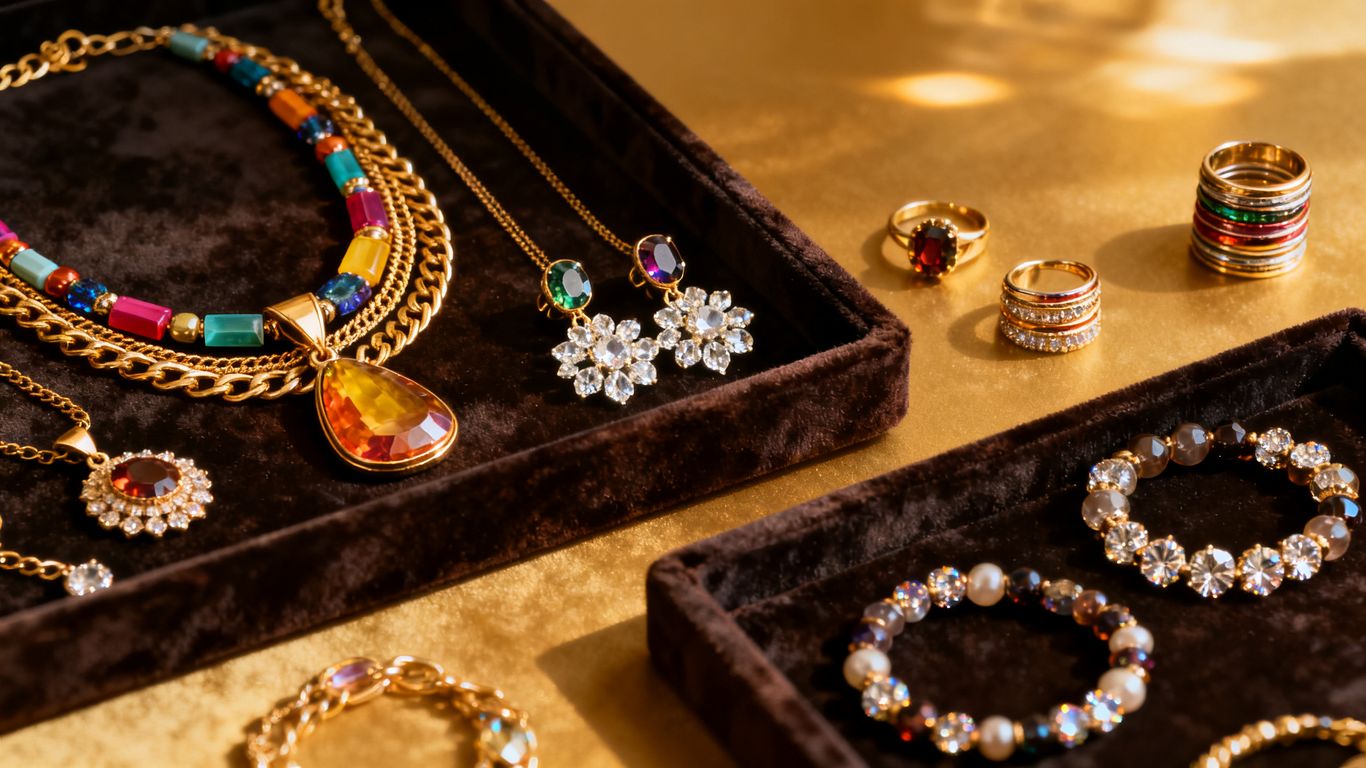
    Colorful imitation jewelry arranged on velvet
    Colorful imitation jewelry arranged on velvet

    That balance of variety and practicality explains why fashion jewelry trends move so quickly. The imitation jewelry overview also helps clarify the difference between pieces that imitate fine jewelry and the broader category of artificial jewelry.

    Fine jewelry can be meaningful, durable, and valuable, but it is not the only way to build a thoughtful collection. Imitation pieces let shoppers try a new silhouette or color before deciding whether it deserves a long-term place in their wardrobe. They can also make occasion dressing less repetitive, since one necklace does not have to serve every wedding, festival, dinner, or casual outfit. A smaller financial commitment can make personal style feel more exploratory.

    Affordability does not mean every inexpensive piece is a good buy. Compare measurements, read material details, and look for clear photographs of clasps and stone settings. BuyJewelleryOnline.net is positioned as a platform for reviews and buying advice, so it can be useful when a shopper wants context before purchasing jewelry online rather than relying on a single product image.

    Variety and Versatility: Endless Style Options

    Imitation jewelry is available in understated and highly decorative forms. A slim chain can sit quietly beneath a shirt collar, while a colorful necklace set can carry a festive outfit on its own. Because the category covers so many finishes and shapes, it is easy to mix metals visually, build a layered look, or keep a few occasion-specific pieces ready for sudden plans.

    The easiest way to use that variety is to shop by outfit needs instead of by trend alone. Consider whether you need small daily earrings, a work-friendly pendant, a statement piece for celebrations, or coordinated accessories for traditional clothing. A collection built around those uses tends to feel more personal and less cluttered.

    Experimentation and Fashion Forwardness

    Imitation jewelry makes fashion experimentation feel less permanent. You can test oversized hoops, sculptural rings, colored stones, or an oxidized finish without asking whether the style will remain relevant for years. That flexibility is one of the central costume jewelry benefits: the accessory can be treated as part of an outfit, not only as an heirloom.

    A small rotation can keep experimentation intentional. Try a few directions rather than buying every passing trend:

    • One bold shape that changes a simple outfit.
    • One neutral piece for frequent wear.
    • One colorful design for celebrations or travel.
    • One layered option that works with existing jewelry.

    After a trial period, keep the pieces you reach for and store the rest carefully. That simple habit turns trend-following into a more useful, personal wardrobe practice.

    Distinguishing Imitation Jewelry from Fine Jewelry

    The visual difference between imitation and fine jewelry is not always obvious in a photograph. Both may use polished surfaces, carefully arranged stones, and classic silhouettes. The more useful distinction is usually found in the underlying materials, construction, documentation, and expected longevity. Understanding those differences helps shoppers choose based on purpose rather than assuming that one category is automatically right for every occasion.

    Fine and imitation jewelry beside material samples
    Fine and imitation jewelry beside material samples

    For online shoppers, BuyJewelleryOnline.net provides a broader jewelry-buying context through reviews and advice, including guidance around gold, zircon, oxidized jewelry, and related purchasing decisions. That kind of comparison is helpful when an accessory needs to satisfy more than a visual preference.

    Precious Metals vs. Base Metals

    Fine jewelry commonly uses precious metals such as gold, platinum, or silver, with the exact value affected by purity, weight, craftsmanship, and design. Imitation jewelry more often uses base metals, including brass, copper, zinc alloys, or steel, sometimes with gold-tone or silver-tone plating. Plating can create an attractive surface, but it is a finish rather than the same thing as a solid precious-metal composition.

    A simple comparison can make product descriptions easier to read:

    FeatureImitation jewelryFine jewelry
    Main metalBase metal or alloyPrecious metal or documented sterling silver
    SurfaceOften plated, polished, or coatedMay be solid, alloyed, or plated depending on the piece
    Typical priceLower and style-orientedHigher, with material value often included
    Long-term careKeep dry and handle gentlyCare varies, but materials may better withstand regular wear

    The table is a guide rather than a promise about every item. Always check the specific listing, because sterling silver, vermeil, and plated pieces can sit between simplistic definitions and may have very different care needs.

    Genuine Gemstones vs. Cubic Zirconia and Other Simulants

    A genuine gemstone is a naturally occurring mineral or organic material used for adornment, though it may be cut, polished, treated, or enhanced. Simulants are different materials chosen because they resemble another stone visually. Cubic zirconia, glass, crystals, resin, and synthetic stones can all appear in imitation jewelry, each with different optical qualities, weight, and durability.

    Zircon deserves particular care in conversation because it is a natural gemstone, while cubic zirconia is a separate simulant. Readers comparing the two can explore this zircon jewelry guide for information about zircon’s colors, pricing, authenticity, and care. Whatever the stone, a trustworthy listing should name it clearly instead of relying only on broad words such as “diamond look” or “crystal finish.”

    Caring for Your Imitation Jewelry

    Imitation jewelry usually rewards simple, consistent care. Perfume, lotion, sweat, moisture, and household chemicals can affect plating, adhesives, and some decorative stones. Put pieces on after beauty products have dried, and remove them before bathing, swimming, exercising, or sleeping. These small changes reduce the wear that tends to make affordable pieces look tired before their time.

    After wearing a piece, wipe it gently with a soft, dry cloth. Avoid soaking jewelry unless the maker specifically says it is safe, since water can reach clasps, settings, or layered finishes. Do not use abrasive toothpaste, rough brushes, or strong chemical cleaners on an unknown material. For additional practical guidance, readers can browse jewelry cleaning advice, especially when a piece includes silver-colored finishes or delicate components.

    Storage matters just as much as cleaning. Keep items dry and separated in a lined box or soft pouches so chains do not knot and surfaces do not rub against one another. If a clasp loosens, a stone shifts, or plating begins to lift, stop wearing the piece until it has been checked or repaired. Care cannot turn base metal into fine jewelry, but it can preserve the appearance and usefulness of a favorite accessory.

    Fashion jewelry continues to benefit from faster design cycles and easier online discovery. Shoppers can see more shapes, finishes, and styling ideas than they once could, while smaller sellers can reach customers beyond a local storefront. The expanding market also includes interest in stainless steel, resin, nickel-free options, and other materials chosen for comfort or specific wearing preferences. Claims about durability or skin suitability should still be checked item by item.

    A second shift is toward more considered purchasing. Buyers increasingly ask where materials come from, how long plating may last, whether packaging is wasteful, and what happens when a piece needs repair. Those questions do not make imitation jewelry less affordable; they encourage people to buy fewer pieces that fit their wardrobes better. Reviews and clear product information can help shoppers weigh appearance against practical use.

    Technology will likely make online selection more informative through better close-up photography, measurement guides, virtual try-on tools, and clearer material descriptions. None of these replaces checking a seller’s policies or reading the listing carefully. The most useful future for imitation jewelry is one where attractive design, honest labeling, comfort, and sensible care advice appear together.

    Conclusion

    Imitation jewelry offers a flexible way to enjoy color, sparkle, and changing fashion without paying fine-jewelry prices for every look. Choose pieces with clear material information, care for them gently, and let your collection reflect the occasions and outfits you actually enjoy wearing.

    Frequently Asked Questions

    What is imitation jewelry?

    Imitation jewelry is jewelry made from less expensive materials to resemble the appearance of fine jewelry or precious gemstones. It is also commonly called costume jewelry or fashion jewelry.

    Is imitation jewelry the same as artificial jewelry?

    The terms overlap, but artificial jewelry can be a broader category of non-precious jewelry. Imitation jewelry usually suggests that a piece is designed to echo the look of a precious-metal or gemstone item.

    What metals are used in imitation jewelry?

    Common choices include brass, copper, zinc alloys, stainless steel, and other base metals. Some pieces receive gold-tone, silver-tone, or other plated finishes.

    Does imitation jewelry contain real gemstones?

    It can, but many pieces use glass, crystals, resin, plastic, cubic zirconia, synthetic stones, or other simulants. Read the product description to identify the actual stone material.

    How long does imitation jewelry last?

    Its lifespan depends on the base material, plating, construction, frequency of wear, and exposure to moisture or chemicals. Gentle handling and dry storage can help preserve its appearance.

    Can imitation jewelry cause skin irritation?

    Some people may react to particular metals or finishes. If your skin is sensitive, look for clear information about the metal composition and stop wearing a piece if irritation develops.

    How should imitation jewelry be stored?

    Store it in a cool, dry place away from direct sunlight, ideally in separate pouches or compartments. Keeping chains apart and wiping pieces after wear helps reduce tangling, scratching, and surface wear.

  • Sparkle Up Your Anklets: A Quick Silver Cleaning Guide

    Sparkle Up Your Anklets: A Quick Silver Cleaning Guide

    Key Takeaways

    Cleaning your favorite accessories at home is a simple process that helps maintain their luster and value over time. By understanding why tarnish forms, you can better protect your collection and reduce the need for harsh, frequent cleanings.

    • Tarnish occurs as a natural reaction between silver and airborne sulfur compounds.
    • Avoid exposing your jewelry to harsh chemicals like bleach or chlorine during daily activities.
    • Simple household ingredients like baking soda effectively restore shine to metal accessories.
    • Proper storage in airtight containers prevents dust accumulation and moisture-induced dullness.
    • Regular, gentle maintenance is the most effective way to keep your pieces looking new.

    Why Do Silver Anklets Tarnish?

    Understanding the science behind dull jewelry is the first step toward better maintenance. Tarnish is a thin layer of corrosion that naturally develops on the surface of silver, resulting from a chemical reaction between the metal and sulfur compounds present in the atmosphere. Contrary to some myths, it isn’t caused by simple oxidation through water, but rather by the presence of these specific environmental pollutants that bond with the silver alloy.

    Your daily habits play a significant role in how quickly this dull coating develops. Body oils, perfumes, lotions, and even sweat can accelerate the reaction, especially on items like anklets that remain against the skin throughout the day. When these substances combine with the humidity of the surrounding air, they create an environment that encourages tarnish, leaving your once-bright jewelry looking dark or gray.

    Proper storage is essential to slowing this process down. Since most standard jewelry boxes are not perfectly airtight, silver will still tarnish even if it spends most of its time packed away. Finding a spacious jewellery box can help protect your pieces from dust and extreme moisture, ensuring your collection remains protected when you are not wearing your anklets. The goal is to minimize exposure to open air, which is the primary actor in the tarnishing cycle.

    Gather Your Silver Cleaning Supplies

    Common Household Items for Cleaning Silver

    Cleaning your silver jewelry at home
    Cleaning your silver jewelry at home

    Most people unknowingly possess everything they need to restore their jewelry in their own kitchen cabinets. You likely have basic items that serve as an excellent diy silver cleaner for accessories, such as simple baking soda, warm water, and mild dish soap. These elements are non-abrasive when used correctly, making them safe for many types of silver ornaments. You should also gather soft, lint-free cloths for drying and polishing once the cleaning process is complete.

    Specialized Silver Cleaning Products

    If you prefer a more tailored approach, consider investing in dedicated silver cleaning solutions formulated to treat metal gently. While DIY methods are fantastic for light maintenance, these products are often designed to reach into tight crevices or intricate link patterns where a cloth might struggle to reach. When using these, always check the manufacturer’s directions to confirm they are safe for your specific type of alloy, ensuring you restore shine to silver ornaments without using harsh abrasives that could lead to scratches.

    Method 1: The Baking Soda and Aluminum Foil Trick

    Step-by-Step Instructions

    This classic chemistry-based approach is often cited as the best way to shine metal anklets because it uses an ion exchange process to physically pull the tarnish away. Start by lining a small glass bowl with a sheet of aluminum foil, making sure the shiny side faces up. Place your tarnished silver jewelry directly onto the foil and sprinkle one or two tablespoons of baking soda over it. Carefully pour boiling water into the bowl and watch for the chemical reaction, which often features harmless bubbles that signal the tarnish is moving from the jewelry to the foil.

    To ensure consistent results, follow this simple breakdown for the materials and timings required during the process:

    ItemImportanceTiming
    Aluminum FoilChemical catalyst5 minutes
    Baking SodaCleaning agent5 minutes
    Boiling WaterSolvent heat5 minutes
    1. Prepare the bowl by lining it entirely with the foil.
    2. Add the baking soda as the primary cleaning agent.
    3. Pour the hot water and let the pieces sit undisturbed to let the chemical transfer complete.
    4. Rinse the items thoroughly in cool water afterward to remove residue.

    Once finished, lift the anklets out of the water and use a soft cloth to gently pat them dry until they sparkle. This method is highly effective for heavy buildup that standard water washes cannot remove, and it remains one of the most reliable ways to polish tarnished silver jewelry effectively.

    Method 2: Gentle Soap and Water Wash

    When to Use This Method

    A girl wearing silver anklets
    A girl wearing silver anklets

    This method is perfect for routine maintenance rather than deep restoration. If your jewelry has only minor dullness or has been exposed to dust after a long period of storage, a simple soapy soak is the safest route. It is particularly gentle for pieces with delicate hinges or small beads, as it avoids the vigorous scrubbing sometimes needed with harsher acidic cleaners. You should use this approach if you are looking to keep your anklets shiny without the need for intensive chemical reactions.

    How to Perform the Wash

    Start by mixing a small amount of mild, non-phosphate dish soap into a bowl of warm water until a light lather forms. Submerge your silver pieces and let them sit for about five to ten minutes, which allows the soapy water to loosen any surface oils. If there appears to be stubborn dirt in the links, take a soft-bristled toothbrush and use very light circular motions to brush the area. After rinsing with clear water to ensure no soap residue remains, dry the piece completely with a soft cloth to prevent water spots.

    When dealing with everyday wear, using customizable jewellery options can often lead you to select designs that are easier to clean and manage. Sometimes, knowing exactly what to do helps immensely, and you can always check our comprehensive jewellery portal for more advice on keeping your accessories in pristine condition. Always remember that thorough drying is just as important as the washing step, as residual moisture can actually trap dust and cause the metal to dull faster than if you had left it alone.

    Method 3: Using Commercial Silver Polish

    Using a professional polish is a great middle ground between DIY methods and expert intervention. These products are manufactured specifically to strip away layers of oxidation without causing microscopic abrasions to the silver surface. Many modern polishes also include a protective agent that creates a microscopic film, which helps keep the jewelry shiny for a significantly longer period after use.

    When applying these polishes, it is essential to use a clean, dedicated microfiber cloth. Apply a small amount of the solution to the cloth, not directly to the anklet, to maintain better control and prevent over-saturation. Gently buff the piece in long, steady strokes, working the product into the intricate design of the ankle chain, then wipe away any excess to reveal the brand-new luster beneath.

    It is beneficial to read the back of the bottle before you begin, as some harsher industrial polishes are meant strictly for heavy silverware rather than sensitive personal jewelry. If the tag mentions it is for fine jewelry items, you can proceed with confidence, knowing the formula is safe for delicate metals. Keeping a high-quality jewellery box nearby will allow you to store the piece immediately after polishing, ensuring the protective coating stays intact for as long as possible.

    Tips for Maintaining Your Silver Anklets

    Daily habits are the biggest factor in how often you will need to clean your jewelry. Try to apply your lotions, perfumes, and hairsprays before putting on your anklets, as the chemicals in these products can react poorly with silver and lead to accelerated tarnishing. By waiting for your skin products to dry completely, you ensure that the metal encounters only clean skin rather than a cocktail of substances that may dull the finish.

    Proper storage is another critical aspect of maintenance that many people ignore. When you are active, such as going to the gym or doing deep household cleaning, it is often best to set your jewelry aside in a secure, dry location. Keeping your collection organized in a dedicated jewelry keeper ensures that each piece remains separate, preventing tangling and potential scratches, which can invite tarnish into the surface texture over time.

    Finally, make it a habit to wipe your anklets down with a soft, clean cloth after every use. A few seconds of care before placing them back into your storage container removes the oils from your skin before they have a chance to settle into the metal. This consistent and gentle care is the surest way to preserve the original shine of your silver, meaning you will spend less time cleaning and more time enjoying your favorite pieces.

    When to Seek Professional Cleaning

    There are situations where home remedies might fall short or potentially cause damage to a beloved piece. If your anklet features delicate gemstones, intricate filigree, or vintage solder points, DIY methods can sometimes cause as much harm as good. A professional jeweller has the right equipment, such as ultrasonic cleaners, that vibrate dirt and tarnish out of even the smallest gaps without any abrasive physical contact.

    If you find that your jewelry remains discolored despite your best scrubbing, it may indicate a chemical or structural issue that requires an expert’s eye. Sometimes, silver plated items may appear tarnished when, in reality, the top layer has begun to wear away completely through constant friction against the skin. A jeweler can determine if the piece needs a simple professional polish or a full re-plating to bring back that original look you fell in love with.

    Ultimately, if a piece holds high sentimental or financial value, consult a professional rather than experimenting with an unknown solution. They can also offer personalized storage advice based on the unique alloys and stone settings in your collection. Relying on an expert ensures that your jewelry remains intact and beautiful for years to come, and buying jewellery online from reputable sources often gives you direct access to these types of post-purchase support services.

    Conclusion

    Bringing the sparkle back to your anklets is a rewarding project that transforms dull, stored items into vibrant accessories ready to wear again. By choosing the right method for your specific piece and focusing on consistent, gentle maintenance, you can keep your silver collection brilliant and beautiful for a lifetime.

    Frequently Asked Questions

    Can toothpaste be used to clean silver anklets?

    While some sources suggest toothpaste, it is often too abrasive for fine silver and can leave permanent micro-scratches on the surface of your jewelry.

    How often should I clean my silver anklets?

    Cleaning is only necessary when you notice a visible dullness; for most, this means a quick wipe-down every few weeks and a deeper clean once every few months.

    Does swimming in a pool affect silver jewelry?

    Yes, the chlorine present in pool water is highly reactive with silver and can cause rapid, severe tarnishing that is difficult to remove without professional help.

    Are there any natural ways to prevent tarnish?

    Storing your silver with a silica gel packet or a small piece of chalk inside your jewelry box helps absorb moisture and sulfur in the air, slowing down the tarnish process.

    Can I use vinegar to clean my silver?

    Vinegar can be used in combination with baking soda to form a foam that cleans effectively, but you must be careful not to let the soak time become too long due to the acidity.

    Why does my silver tarnishes faster than someone else’s?

    Everyone has a unique body chemistry, and factors like your diet, medications, or skin acidity levels can influence how quickly the silver on your skin reacts with the environment.

    Should I use paper towels to dry my silver?

    Avoid using paper towels, as they often contain wood fibers that can be slightly abrasive to silver; instead, always opt for a soft, clean cotton or microfiber cloth.

  • Costume Jewelry 101: The Sparkle Without the Splurge!

    Costume Jewelry 101: The Sparkle Without the Splurge!

    Key Takeaways

    Exploring the realm of fashion accessories reveals how you can elevate your style affordably through smart, fashionable choices. Here are the core insights into this versatile category:

    • Costume jewelry is crafted from non-precious materials to mirror high-end fashion trends.
    • History shows these pieces were designed to be both accessible and stylish alternatives to collectibles.
    • Common materials include base metals like brass and various glass-based stones or synthetic crystals.
    • Versatility allows for constant style updates without the investment cost associated with fine metals.
    • Proper storage and gentle cleaning are essential to extend the life of your collection.

    What Exactly is Costume Jewelry?

    Costume jewelry refers to decorative items manufactured as affordable ornamentation to complement specific outfits. Unlike fine jewelry, which often serves as a long-term investment or keepsake, these pieces prioritize aesthetic variety and current fashion appeal over intrinsic metal or gemstone value. Understanding what is costume jewelry? helps shoppers navigate the market with clearer expectations regarding their purchases.

    The Key Difference: Precious vs. Costume

    The fundamental distinction lies in the materials used for construction and their intended longevity. Fine jewelry typically utilizes precious metals like gold or platinum, making it durable enough for everyday wear across decades. In contrast, costume options allow for more experimental designs at a lower price point, acting as affordable fashion accessories that cycle with changing trends.

    A Brief History of Fashionable Fakes

    The story of costume jewelry is one of democratization and design ingenuity, moving from aristocratic finery to accessible beauty. Designers began creating these pieces in the early 20th century to match the rapid evolution of seasonal wardrobes, effectively bridging the gap between luxury and daily life. As these types of imitation jewelry became more popular, they challenged the notion that high fashion required extravagant budgets.

    Vintage inspired ornate jewelry
    Vintage inspired ornate jewelry

    The Rise of the ‘Bijoux de Mode’

    This shift empowered women to treat accessories as an extension of their clothing rather than rigid status symbols. Factories produced detailed replicas that felt substantial yet remained light enough for elaborate styling. Over time, the concept evolved into a staple category within the fashionable costume necklaces market, allowing designers to push creative boundaries without the constraints of prohibitive material costs.

    Materials That Make Costume Jewelry Shine

    Crafting affordable beauty requires a blend of clever engineering and material selection. Manufacturers look for finishes that provide maximum visual impact, often creating layers that mimic the shine of luxury pieces while maintaining a lightweight feel. This art of simulation allows the benefits of buying costume jewelry to shine through in every season’s new collection.

    Metals: Brass, Copper, and Plated Wonders

    Most durable pieces start with a core of base metals like brass, copper, or steel, which are then treated with a thin metallic finish to achieve a gold or silver look. These materials allow you to experiment with where to find trendy costume earrings that keep their luster through careful handling. Some popular composition methods include:

    MaterialPrimary UseCharacteristic
    BrassBase StructureHigh Durability
    CopperStructural CoreWarm Undertone
    RhodiumOuter PlatingMirror Finish

    Stones: Glass, Rhinestones, and Imitations

    The sparkle in costume jewelry usually comes from synthetic stones, cut glass, or high-quality rhinestones rather than mined precious gems. These stones are specifically designed to catch the light in a similar fashion to diamonds, providing high-drama effects for gala events or everyday office wear. By selecting pieces with precision-cut stones, you can achieve a sophisticated glow, such as that found in Zircon jewellery, without the heavy price tag associated with rare minerals.

    Why Choose Costume Jewelry?

    Costume jewelry offers an invitation to participate in fashion evolution at a scale that traditional precious jewelry cannot match. The primary attraction lies in the balance of cost and visual reward, enabling you to build a broad collection that matches every garment in your closet. Choosing these pieces is not about finding an investment but about celebrating personal creativity and style updates.

    Affordability and Accessibility

    Accessibility is perhaps the greatest strength of the costume market, as it removes the financial barrier to owning stylish accessories. You can easily buy jewellery online and refresh your look whenever a new micro-trend appears, ensuring that your collection never feels outdated or static compared to your wardrobe.

    Trend Following and Versatility

    Because production is leaner and faster, designers can respond to runway aesthetics much quicker than the fine jewelry sector. This agility creates a playground where you can test bold shapes, clashing colors, and oversized silhouettes. Many people find they can explore oxidized jewellery styles or modern minimalist trends with equal ease, treating each acquisition as a fun stylistic venture.

    Expressing Personal Style

    Ultimately, the freedom to rotate your accessories allows you to define your identity through your choices. Whether you prefer delicate layering or massive statement pieces, the range in this category is vast enough to satisfy any preference. This diversity ensures that your jewellery accessories act as a genuine, evolving reflection of your personal taste.

    Caring for Your Costume Jewelry Collection

    The longevity of your collection depends heavily on how you handle your pieces between wears. Because these items often use plated metals, it is critical to avoid exposing them to moisture, perfumes, and heavy lotions, which can cause the finish to peel or dull over time. Storing them in a cool, dry place prevents common tarnishing issues that often affect base metals.

    When cleaning your pieces, skip harsh chemicals or abrasive cloths that might scratch the delicate plating or loosen embedded stones. A simple swipe with a soft, lint-free cloth after wear is typically enough to remove natural oils and dust buildup. Maintaining this habit keeps your items looking crisp and vibrant for much longer periods.

    Finally, keeping your items organized in a dedicated holder helps you manage your collection effectively and prevents mechanical damage. Avoid stacking heavy items on top of fragile ones, which can cause crushing or bending. By investing time in proper upkeep, you ensure that your selected pieces stay ready for any future occasion.

    Conclusion

    Embracing costume jewelry opens up a world of fashionable possibilities, allowing you to curate an expressive and dynamic collection that keeps pace with your evolving style. By understanding the materials and care required to keep your pieces looking their best, you can enjoy a versatile wardrobe that brings you joy and confidence every day.

    Frequently Asked Questions

    Can costume jewelry cause skin irritation?

    Yes, some individuals may experience skin sensitivity if the jewelry contains base metals like nickel. If you have sensitive skin, look for pieces labeled as hypoallergenic or those with anti-tarnish protective coatings.

    Is it possible to clean costume jewelry with soap and water?

    It is generally best to avoid soaking these items, as moisture can infiltrate the settings and cause damage or oxidation. A lightly dampened cloth is safer for routine cleaning than a full wash.

    How do I store costume jewelry to prevent tangling?

    Using specialized jewelry boxes with individual compartments or hanging displays for necklaces can prevent tangling. Storing each piece separately is the most effective way to avoid scratches and surface damage.

    Are rhinestones considered precious stones?

    No, rhinestones are essentially glass or acrylic crystals designed to mimic the sparkle of precious gems. They are a staple of costume jewelry because they are cost-effective but provide significant visual appeal.

    Can professional jewelers repair costume pieces?

    While some jewelers may offer repair services, it is often more cost-effective to replace the piece due to the materials used. Complex repairs are usually impractical on base-metal settings.

    How often should I update my costume jewelry collection?

    There is no strict rule, as it depends entirely on your personal style and local fashion trends. Many people choose to refresh their collection seasonally to stay aligned with current color palettes and design styles.

    Does high price always indicate better quality costume jewelry?

    Not necessarily, as many factors like brand design and marketing contribute to the final price tag. Focusing on the durability of the plating and the security of the stone settings will often lead you to a better-quality piece, regardless of the brand prestige.

  • Sparkle Up Your Gold: Easy Home Cleaning Tips

    Sparkle Up Your Gold: Easy Home Cleaning Tips

    Key Takeaways

    Regular care is essential for maintaining the lasting beauty of your gold pieces in the comfort of your own home.

    • Use only mild soaps to prevent chemical damage.
    • Gentle manual scrubbing removes daily buildup.
    • Storage solutions like an appropriate jewelry box prevent accumulation.
    • Cleaning frequency depends on your daily wear patterns.
    • Professional checks are recommended for complex settings.

    Why Cleaning Your Gold Jewelry Matters

    Keeping your precious items in peak condition is more than just an aesthetic preference; it is a vital part of caring for your personal investments. Throughout the day, gold accessories interact with environmental pollutants, skin oils, lotions, and perspiration that gradually create a dull, filmy layer. Without intervention, this thin film can obscure the natural luster that makes gold pieces so visually captivating to the wearer.

    Addressing this buildup is crucial because neglect can eventually lead to more significant issues such as surface tarnishing or microscopic corrosion. When you learn how to clean gold jewelry at home, you actively protect the structural integrity of your items. Regular maintenance ensures that your gold remains bright, preserving its market value and sentimental importance for future generations to enjoy.

    Furthermore, investing a little time in maintenance allows you to inspect your items closely for any potential damage. Whether you use a luxury jewelry box or a simple pouch, having clean pieces prevents the transfer of accumulated dirt to other jewelry during storage. If you prioritize consistent care, you will find that your favorite necklaces, rings, and earrings retain their original sparkle far longer.

    Gather Your Cleaning Supplies

    Essential items for DIY cleaning
    #image_title

    Gentle Soap or Detergent

    Choosing the right cleaning agent is the most critical step in your process, as harsh chemicals can ruin the finish of delicate pieces. A few drops of mild dish soap mixed into your container will effectively lift away oils and debris without stripping the metal of its natural properties. It is essential to avoid using heavy-duty cleansers, as these often contain abrasive ingredients that can scratch gold surfaces over time.

    Warm Water

    Pure warm water serves as the gentle foundation for your cleaning solution, providing the necessary temperature to soften stubborn grime. You want to ensure the water is lukewarm to the touch rather than boiling, which protects delicate gemstones or fragile settings from thermal shock. Once mixed with your soap, this solution creates a safe, bubbling bath that penetrates hard-to-reach areas of your jewelry.

    Soft Brush (like a toothbrush)

    Having a soft-bristled brush is vital for dislodging particles stuck within intricate designs, such as behind prongs or inside twisted chains. Utilize this tool with light, circular motions to lift away debris, ensuring you do not apply excessive pressure that could mar the gold surface. By carefully cleaning these crevices, you ensure the brilliance of your treasure is restored to its full potential.

    Soft, Lint-Free Cloths

    After washing, using a dry, soft cloth is the safest way to remove moisture without introducing new scratches. These materials gently wick away water from the surface, preventing hard water stains that can occur if pieces are left to air dry completely. A clean, microfiber cloth or professional polishing cloth is perfect for providing that final buffing touch for a radiant finish.

    The Simple Soap and Water Method

    Step-by-Step Cleaning Process

    Following a structured routine ensures that every piece receives thorough care without the risk of accidental damage. By adhering to these steps, you can safely rejuvenate your collection through simple home cleaning methods.

    1. Prepare a bowl with lukewarm water and a small amount of mild soap.
    2. Submerge your gold items, letting them soak for approximately 15 to 20 minutes to loosen debris.
    3. Gently scrub each piece using your soft-bristle brush, paying attention to hidden crevices.
    4. Rinse your items under a gentle stream of lukewarm water until all soap residue vanishes.
    5. Pat dry thoroughly using your lint-free cloth and inspect for any remaining spots.

    Once finished, you should store your clean pieces in a dedicated jewelry box to maintain their pristine condition after the process.

    Item TypeCleaning FrequencyRecommended Method
    Solid Gold RingsEvery two weeksSoap and water soak
    Gold Chain NecklacesMonthlyGentle light scrubbing
    Gem-Set Gold PiecesQuarterlySpecialized mild solution

    Dealing with Stubborn Grime and Tarnish

    Detailed look at polishing gold
    #image_title

    Baking Soda Paste (Use with Caution)

    For instances where simple soap is insufficient, you might consider a mild baking soda paste to gently abrade away dull spots. You should create a paste by mixing a tiny amount of baking soda with water until it reaches a consistency similar to thin toothpaste, then apply it sparingly to the affected area. It is important to remember that this technique must be used cautiously, as excessive scrubbing on thinner gold plating could lead to unwanted wear.

    For those who prefer not to DIY, sometimes the best way to shine gold involves visiting a professional for specialized services. If you feel hesitant about manual polishing, you might consult a reliable online retailer to see if they offer professional restoration. Using the paste occasionally helps keep the surface bright, but regular, light maintenance is almost always a safer long-term choice.

    Important Precautions for Cleaning Gold Jewelry

    Before you begin the cleaning process, verify that your gold is indeed solid and not significantly worn gold plating. Plated jewelry effectively features a very thin layer of metal, meaning that aggressive scrubbing or strong cleaning mixtures will likely strip away the gold finish. By identifying the material composition upfront, you protect your items from permanent aesthetic damage encountered during maintenance.

    Another safety point involves removing any gemstones, particularly porous ones like pearls or delicate opals, that might react poorly to immersion in soap and water. You should prioritize learning about the specific care needs for your stone settings, as some adhesives or structural components can soften when submerged in liquid. Always err on the side of caution to avoid accidentally loosening a stone during your cleaning session.

    Finally, avoid using store-bought cleaners that claim to work on all metals, as these are often too harsh for the specific needs of fine gold. Instead, stick to the simple, gentle methods that prioritize preserving the long-lasting luster of your gold pieces without compromising their integrity. Careful attention ensures your collection stays beautiful for many years, even with frequent wear.

    How Often Should You Clean Your Gold Jewelry?

    Setting a consistent schedule is the most effective way to prevent the cumulative buildup of oils and everyday debris that drains a piece of its character. For gold pieces worn daily, such as wedding bands or gold earrings, a thorough cleansing every two weeks is generally recommended to keep them at their best. This habit minimizes the chance of deep-seated grime becoming impossible to remove without professional assistance.

    If you find yourself wearing your pieces only for special occasions, you can adjust your schedule accordingly to reflect lighter use. A monthly cleaning session is often sufficient for items that sit in a beautiful storage solution for most of the month, helping them stay ready for your next event. This balanced approach protects your assets without the need for constant, laborious maintenance.

    Ultimately, pay attention to the environment in which you wear your gold, as specific factors like daily exposure to chemical lotions or perfumes may necessitate more frequent attention. Whenever you notice a significant decline in sparkle, it is time to perform a quick cleaning session to restore the original brilliance. By staying proactive and attentive, you ensure your fine jewelry investments remain radiant and pristine throughout their life.

    Conclusion

    Caring for your gold jewelry at home is a manageable and rewarding practice that keeps your collection looking stunning for years to come. By following these gentle cleaning methods, you can remove dulling films and maintain the brilliance of every piece without needing expensive professional equipment. Remember that consistency is the key to preserving the value and beauty of your cherished gold, allowing it to shine just as brightly as the day you brought it home.

    Frequently Asked Questions

    Can I use toothpaste to clean gold jewelry?

    Toothpaste is generally too abrasive for gold and can leave fine scratches on the surface, so it is best to avoid it in favor of mild, soap-based cleaners.

    Is it safe to soak gold jewelry overnight?

    Soaking jewelry for an extended period, especially overnight, is not recommended because the liquid can seep into settings or stone mountings and cause damage over time.

    What should I do if my gold jewelry has gemstones?

    If your jewelry contains gemstones, be extra cautious with soaking times and avoid using any harsh brushes directly on the stones to prevent loosening or cracking.

    Can I safely clean gold-plated jewelry?

    Gold-plated items require much gentler handling than solid gold; you should avoid scrubbing entirely and focus on a very soft, damp cloth to wipe the surface.

    Does chlorine damage gold jewelry?

    Chlorine is extremely harsh on gold and can cause structural damage or discoloration, so you should always remove your gold jewelry before swimming in pools or hot tubs.

    Can I use vinegar to clean my gold jewelry?

    Vinegar is acidic and can potentially harm certain alloys or porous gemstones, so it is safer to stick to mild dish soap mixed with warm water for cleaning.

    Should I dry my jewelry after washing it?

    Yes, thorough drying is essential to prevent water spots and moisture buildup, so always finish the cleaning process by gently buffing your pieces dry with a lint-free cloth.