Tag: jewellery

  • USA’s Hottest Bling: Top 10 Brands You Need to Know

    USA’s Hottest Bling: Top 10 Brands You Need to Know

    Key Takeaways

    Jewelry serves as a primary mode of self-expression and heritage in America, blending historical craftsmanship with modern innovation to define luxury and daily style.

    • The US jewelry market thrives on a balance between iconic legacy houses and accessible, modern retail giants.
    • Ethical sourcing and lab-grown alternatives are becoming standard expectations for the contemporary American consumer.
    • Personalization is a growing trend, with brands shifting focus toward charms and bespoke design experiences.
    • Online shopping is revolutionizing reach, allowing consumers to compare diamonds and gemstones from the comfort of their homes.
    • American jewelry culture is increasingly defined by the intersection of high-fashion artistic vision and everyday wearable accessibility.

    Why Jewelry Matters in the USA

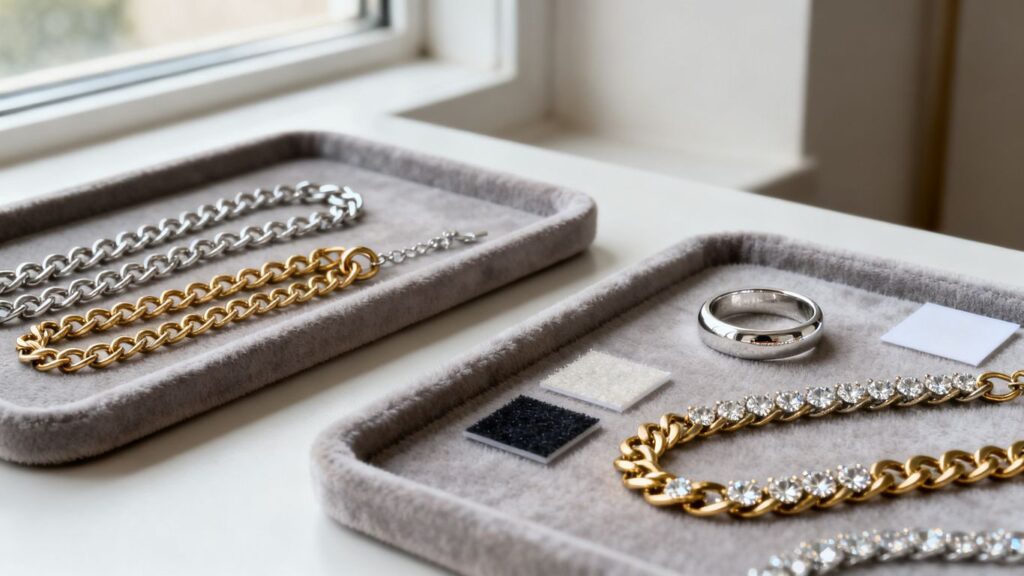
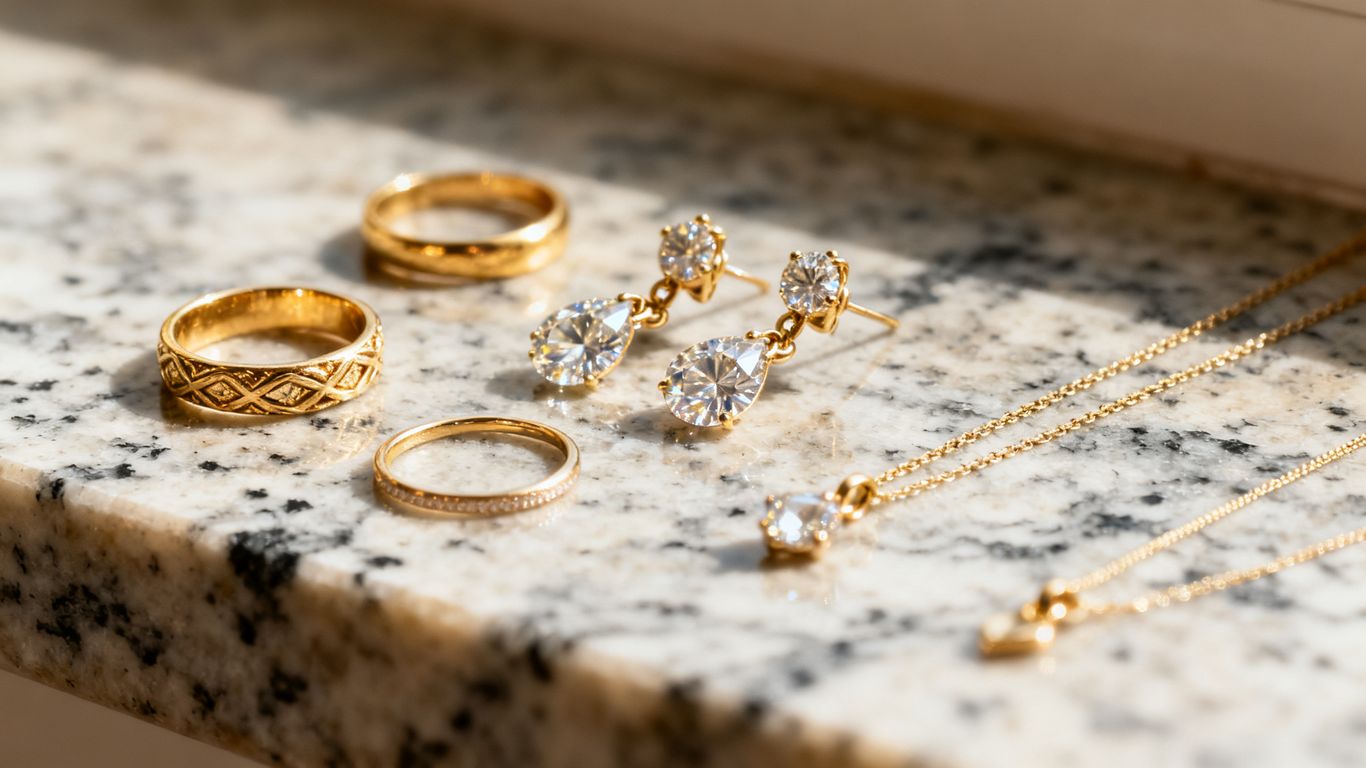
    American style jewelry aesthetic
    #image_title

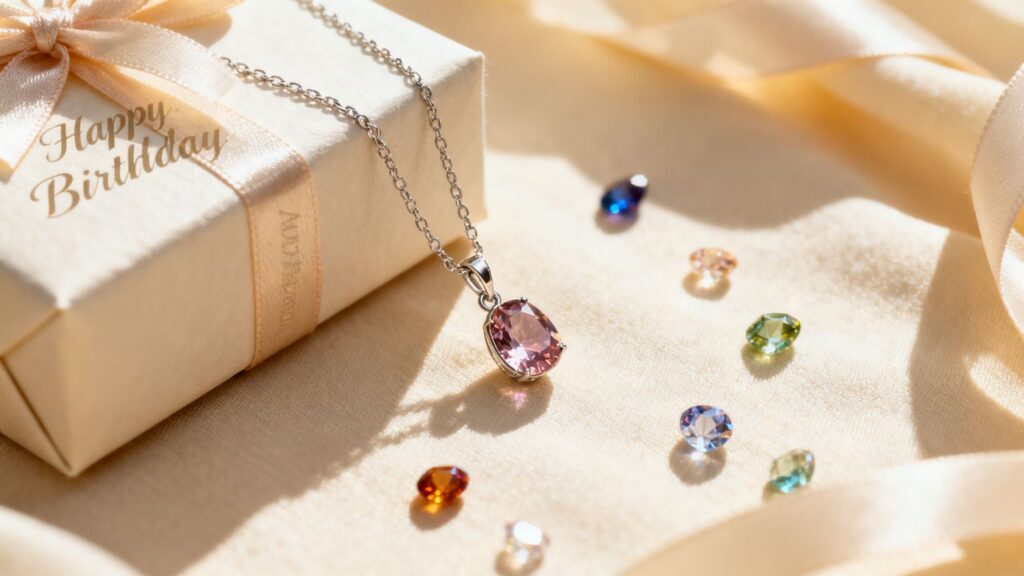
    Jewelry in the United States functions as far more than mere decoration; it acts as an essential component of personal identity and milestones. From engagements to professional achievements, the desire to commemorate life events through precious metals and gemstones drives a multi-billion dollar sector. Americans often look for popular US jewelry companies that mirror their own values, whether through sustainable practices or a commitment to timeless aesthetic legacy.

    Retailers have adapted to this landscape by offering diverse price points that bridge the gap between high-end collectibles and everyday essentials. People often seek advice on how to elevate your style and manage their collections, ensuring that their investments in gold or diamond pieces remain protected and relevant to their personal narrative. In recent years, the market has seen a rapid shift toward transparency, where buyers prioritize understanding the origins of their stones and the craftsmanship behind their settings.

    Beyond personal use, jewelry remains a profound cultural signifier in the American social fabric. It represents the merging of traditional craftsmanship with modern innovation, often influenced by a mix of diverse backgrounds. As consumers navigate the vast array of luxury jewelry brands USA options, they find that what makes a brand successful is often its ability to communicate a distinct, personal story while maintaining a high level of physical quality.

    The Top 10 Jewellery Brands Dominating the US Market

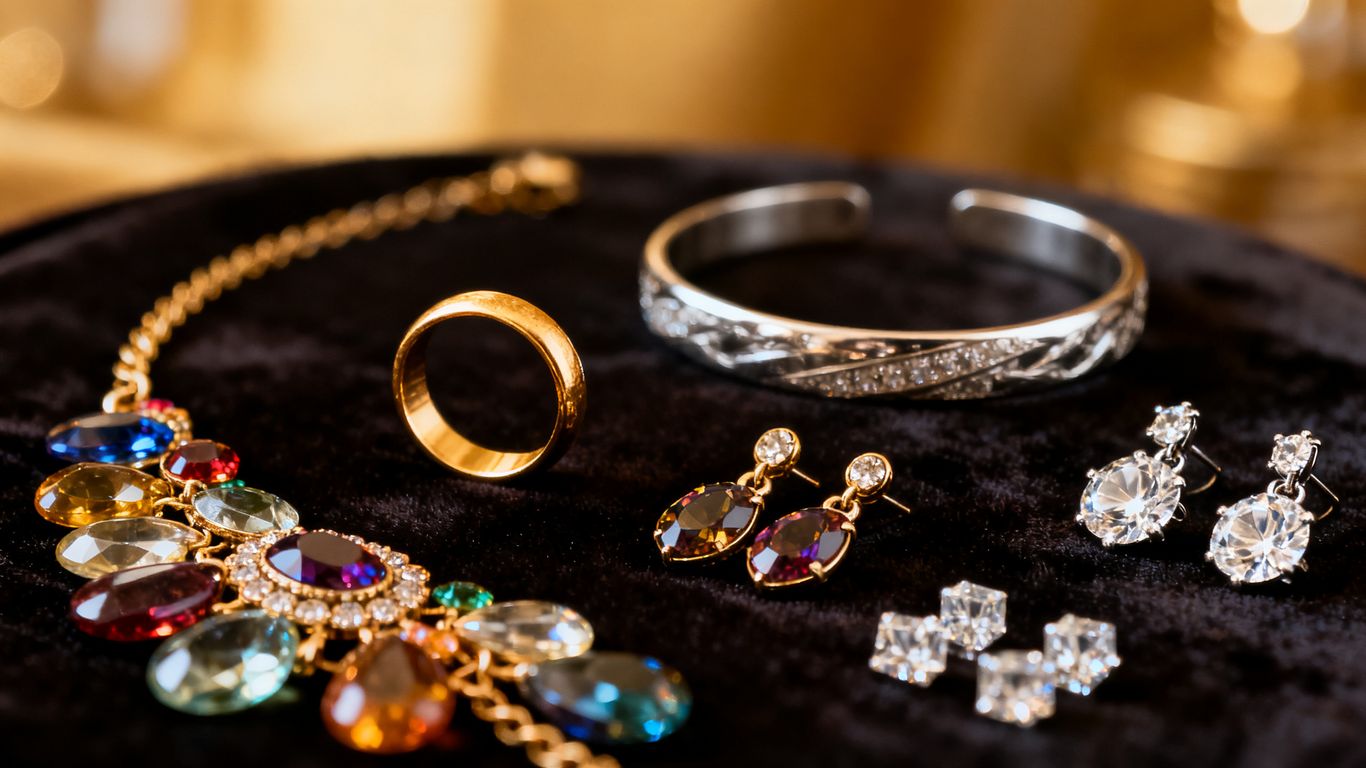
    Iconic jewelry displays in display case
    #image_title

    1. Tiffany & Co.: The Icon of American Luxury

    Long recognized as a cornerstone of the industry, this brand sets the global standard for silver craftsmanship and quality engagement rings. Its iconic blue box has become a cultural symbol of romance and distinction within the United States.

    2. Cartier: Timeless Elegance and Parisian Flair

    Known for its bold jewelry designs, this house excels in blending historic Parisian artistry with global trends. Their collections are frequently sought after for their longevity and status as quintessential pieces in any luxury collection.

    3. Pandora: Charm Bracelets and Personal Expression

    This brand has mastered the art of modular jewelry, allowing individuals to curate pieces that track their specific life experiences. Their rise highlights the popularity of accessible products that prioritize emotional connection and storytelling.

    4. Kay Jewelers: Accessible Sparkle for Every Occasion

    Serving as a national go-to for special events, this brand offers a wide range of products that make fine jewelry available for common milestones. It plays a critical role in the market by offering variety in affordability.

    Item CategoryTarget AudienceKey Strength
    Engagement RingsCouplesBroad Variety
    Everyday GoldGeneral ConsumersAccessibility
    Fashion PiecesYoung ProfessionalsPrice Point

    Customers frequently rely on this retailer for its vast inventory, which simplifies the selection process during busy gift-giving holiday seasons.

    5. Zales: The Diamond Store for Life’s Milestones

    Deeply integrated into the American retail landscape, this store focuses on high-traffic locations that capture the attention of everyday shoppers. Their emphasis on accessible diamonds helps keep luxury feel attainable for many consumers.

    6. Blue Nile: Revolutionizing Online Diamond Shopping

    By moving the high-end diamond marketplace into a digital-first model, this company changed how consumers weigh quality and price. Their tools for inspecting gemstone clarity and cut provide a level of data that was previously reserved for industry insiders.

    1. Enhanced transparency in grading and pricing.
    2. Vast collection of loose, certified stones.
    3. User-friendly tools for custom ring design.
    4. Secure delivery and reliable return policies.

    These features demonstrate the best of modern convenience, proving that significant purchases can now be made with confidence without ever stepping into a traditional brick-and-mortar storefront.

    7. Brilliant Earth: Ethical Sourcing and Sustainable Sparkle

    As the industry faces increased scrutiny, this brand distinguishes itself through its commitment to social and environmental responsibility. They lead the conversation on where materials are sourced and how the supply chain impacts mining communities, making them a preferred choice for the modern, conscious buyer.

    8. David Yurman: Bold Designs and Artistic Craftsmanship

    Famous for their signature cable design, this brand creates pieces that feel as much like art as they do jewelry. Their aesthetic is distinctively modern yet grounded in heavy, durable textures that appeal to those seeking a statement accessory.

    9. Kendra Scott: Vibrant Colors and Modern Bohemian Style

    This brand captures the hearts of many by using vibrant colors and approachable materials that define the modern bohemian look. Their business model relies on a strong community focus and designs that fit perfectly into everyday work and play scenarios.

    10. VRAI: Lab-Grown Diamonds with a Conscience

    Representing the future of the industry, this brand produces stunning pieces with laboratory-created stones that possess the exact chemical properties of mined gems. This sustainable approach has rapidly gained traction among buyers who want high quality without the associated mining footprint.

    Conclusion

    Navigating the world of American jewelry involves balancing the desire for iconic designs with the need for ethical sourcing and long-term value. Whether you are shopping for a signature piece or a lasting investment, the current famous jewelry makers USA landscape ensures that there is a range of options suitable for every personal preference and budget.

    Frequently Asked Questions

    What should a first-time buyer look for in fine jewelry?

    Look for clear documentation regarding precious metal content and stone quality, such as certifications from reputable laboratories for diamonds or gem-grade items.

    How has the demand for sustainable options changed the market?

    Increased consumer awareness regarding environmental and ethical impacts has pushed many major companies to adopt recycled materials and laboratory-grown alternatives as standard offerings.

    Is online jewelry shopping safer today than in the past?

    Digital retail platforms have significantly improved security features, virtual try-on technology, and transparent return policies, making modern online purchases highly reliable.

    How often should jewelry be professionally cleaned?

    Experts generally recommend a professional inspection and cleaning every six months to ensure that prongs are secure and metal surfaces haven’t sustained damage.

    What is the advantage of buying from a known designer brand?

    Iconic houses often provide superior craftsmanship, long-term warranties, and brand heritage, which can help maintain the value of the heirloom over many years.

    How do I determine the value of vintage jewelry pieces?

    Value is typically established by assessing the rarity of the materials, the historical significance of the design, and the condition of the piece relative to its era.

  • 15 Smart Advantages of Buying Jewellery Online (Plus FAQs & Expert Tips)

    15 Smart Advantages of Buying Jewellery Online (Plus FAQs & Expert Tips)

    Since 2020, jewellery e‑commerce has rocketed. In India alone, online jewellery sales grew at a CAGR of over 18% through 2023, and in 2025, digital sales now account for nearly 30% of total jewellery retail (source: Statista, India Brand Equity Foundation) — a huge shift from traditional shopping. This updated article goes beyond basic benefits to help you shop smarter.

    Why Buy Jewellery Online: Top 15 Benefits

    1. Ultimate Convenience

    You can explore, compare, customize and order jewellery any time—even late at night—with delivery to your door. No need to travel or deal with store timings.

    2. Greater Selection & Customization

    Online stores offer global access to styles—vintage, ethnic, minimalist—often supporting bespoke design services, not always available in physical outlets.

    3. Competitive Pricing & Transparent Costs

    Without store rent or middle‑men, online sellers pass savings to customers. Many sites display full cost breakdowns: metal price, making charges, taxes—right up front.

    4. Detailed Product Information & Certifications

    Listings typically include 4C details for diamonds, hallmark codes, metal purity, GIA/IGI certificates, and high-definition images or videos.

    5. Virtual Try‑On & AR Tools

    Use augmented reality or image-based try‑on features to visualize rings or necklaces realistically, helping reduce size and style uncertainty.

    6. Secure Payments & Buyer Protection

    Reputable platforms support secure payment gateways, EMI flexibility, and escrow services that release funds only after product approval.

    7. Easy Returns & Clear Policies

    Transparent return, exchange and refund policies (usually 7–30 days) mitigate purchase risk, unlike opaque terms in some physical stores.

    8. Customer Reviews & Social Proof

    Trustworthy platforms show user reviews, star ratings, and often customer-uploaded images of the jewellery in real-life settings.

    9. Expert Advice & Chat Support

    Instant access to certified gemologists or customer support via chatbots or live chat helps resolve doubts quickly—even on weekends.

    10. Ethical & Sustainable Sourcing

    Top online jewellers increasingly source conflict-free diamonds and recycled metals, with supply chain transparency rarely seen in traditional shops.

    11. Faster Launches & Trend Access

    Trends from global events or influencer styles appear on e‑commerce sites swiftly—whereas store stock updates lag behind.

    12. Discounts, Loyalty Rewards & Flash Deals

    Online-exclusive offers, festive discounts, cashback deals and loyalty reward points offer substantial savings.

    13. Gift-Wrapping & Personalization Services

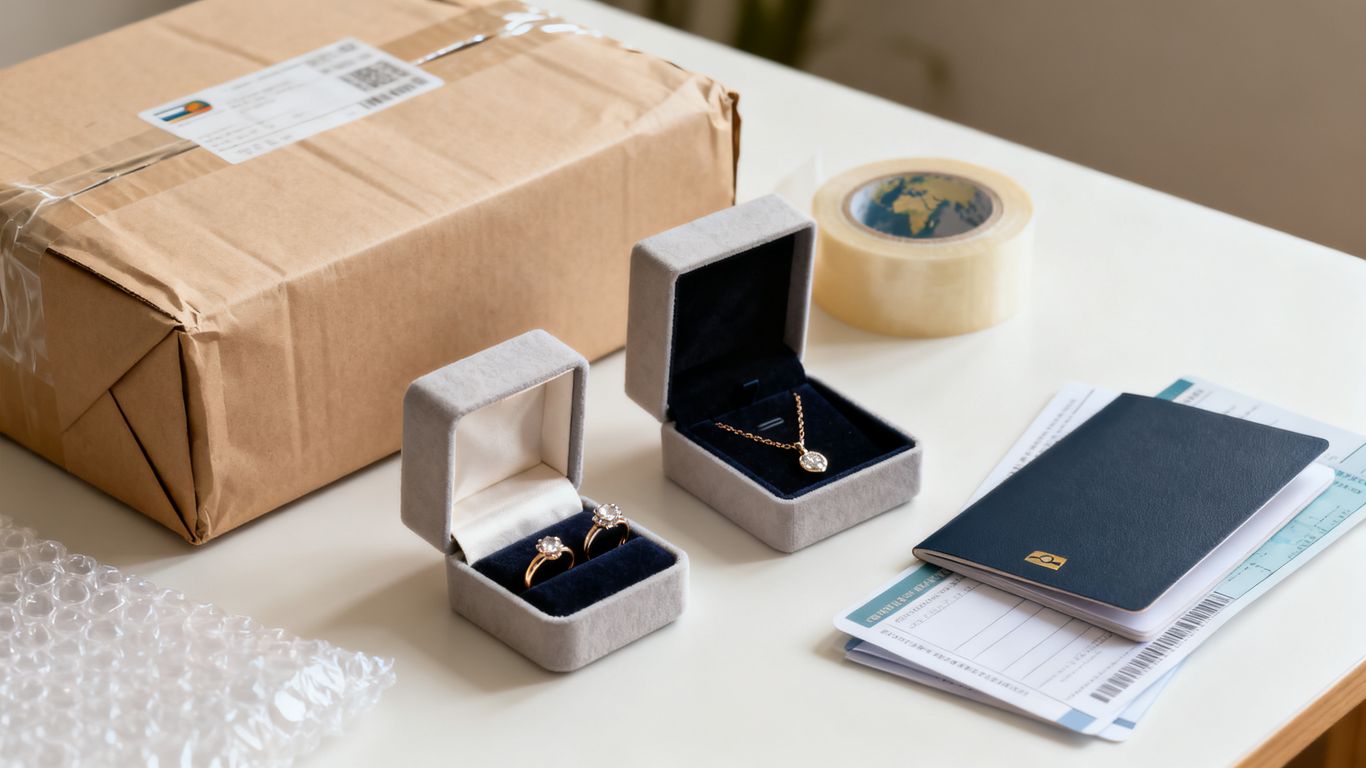
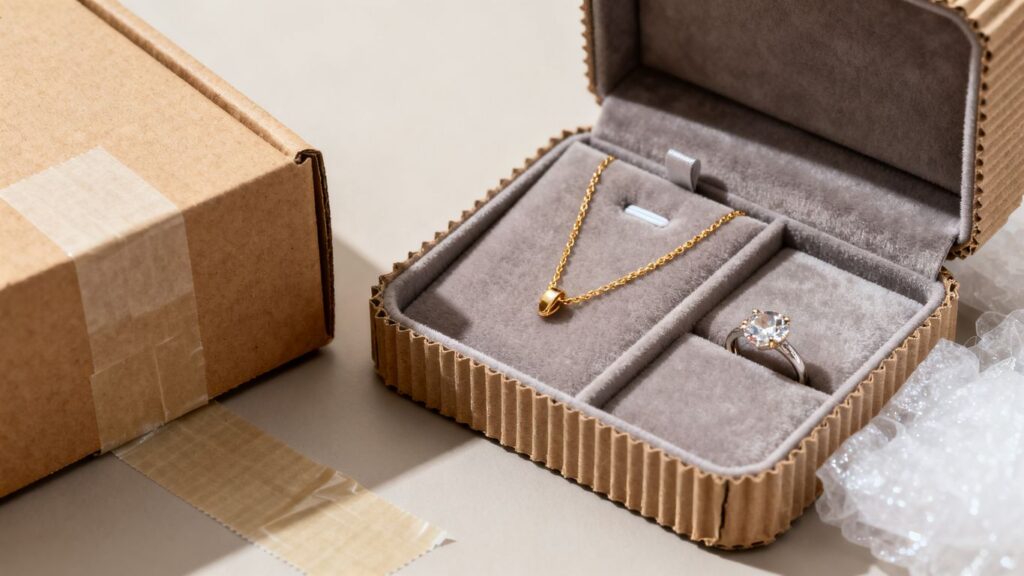
    Most sellers offer free gift-wrapping, engraving, personalized messages and certificate packaging—ideal for special occasions.

    14. Warranty, Resizing & After-Sales Support

    Online brands typically include return policies, resizing services, polishing and warranty certificates to ensure satisfaction over time.

    15. Fast Price Comparisons & Market Insights

    Use aggregator or review sites to compare similar products across multiple trusted sellers in minutes—an impossible feat offline.

    2025 Jewellery Market Trends in India & Globally

    • India’s online jewellery sector is projected to cross ₹10,000 crore in annual sales by end‑2025 (source: IBEF)
    • Globally, more than 55% of millennials and Gen Z buyers prefer online jewellery purchase over in-store (source: McKinsey 2024 report)
    • Increased preference for lab-grown diamonds and personalized lifestyle pieces.

    How to Choose a Reliable Online Jeweller

    Use this checklist:

    • Certifications displayed: hallmark, GIA/IGI for diamonds, BIS standard for gold.
    • Clear return/refund terms: look for 7–30 day policy, free returns.
    • Verified customer reviews and social media presence.
    • Contact options: live chat, phone, showroom address.
    • Transparent shipping and insurance policies.

    Real‑Life Example: BlueStone vs CaratLane

    FeatureBlueStoneCaratLane
    Diamond CertificationGIA/IGI includedIGI or BGD certified
    Virtual Try-on ToolYes (AR rings/earrings)Yes (AR try‑on)
    Return Period30 days14 days
    CustomizationBespoke design availableDesign your own ring
    Payment OptionsEMI, net banking, walletsEMI, UPI, cash on delivery

    Frequently Asked Questions (FAQs)

    Is online purchase as safe as retail?

    Yes, if the platform uses certified gems, secure payment, and clear return policies—with escrow or COD options enhancing safety.

    The jewellery didn’t look like photos—now what?

    Use the return or exchange policy within the specified period. Always keep original packaging and certification.

    What about shipping insurance?

    Many top sellers offer fully insured door‑to‑door shipping, requiring signature on delivery.

    Can I customize or resize online?

    Most platforms let you customize design, select sizes, and offer resizing after delivery at minimal cost.

    GST refunds when returning items?

    Refunds usually include GST, but check the seller’s liquidation policy clearly.

    Actionable Tips Before You Buy

    1. Verify hallmark and gem certificate before confirming purchase.
    2. Use virtual try‑on tools to assess fit and look.
    3. Look out for EMI, cashback, and festival offers.
    4. Keep packaging, appraisal, and certificates secure.
    5. Bookmark after‑sales pages for resizing or warranty claims.

    Conclusion

    Today’s online jewellery ecosystem offers unmatched convenience, selection, transparency, and savings. With the right checks—certification, return policy, credible reviews—you can shop confidently, custom-design with experts, and enjoy post-purchase support. Armed with this guide and actionable tips, you’re now ready to make an informed jewellery purchase that rivals retail—if not outshines it.

  • Indian Jewelry Brands: Top 10 for Everyday Style & All Budgets

    Indian Jewelry Brands: Top 10 for Everyday Style & All Budgets

    Jewellery in India is not just an accessory – it’s a cultural symbol, an investment and an expression of personal style. With so many players in the market, choosing a reliable jewellery brand is crucial. Whether you’re looking for gold, diamonds or traditional pieces, this comprehensive list of top jewellery brands in India will help you make an informed decision in 2025.

    1. Tanishq (A Tata Product)

    Why It’s Special:

    Tanishq from the house of Tata is known for trust, purity and design innovation. With BIS hallmarked gold and internationally certified diamonds, Tanishq leads in quality and customer service.

    Popular Collections:

    • Mia by Tanishq (for women)
    • Rivaah (wedding collection)
    • Aveer (men’s collection)

    Headquarters: Bengaluru
    Website: Tanishq

    2. Malabar Gold and Diamonds

    Why It’s Special:
    With over 320 showrooms globally, Malabar is one of the largest jewellery retailers in the world. Their transparent pricing and wide variety caters to all tastes.

    Unique Features:

    • Fair price policy
    • Exclusive bridal collections
    • Ethical sourcing initiatives

    Headquarters: Kozhikode, Kerala
    Website: https://www.malabargoldanddiamonds.com

    3. Kalyan Jewellers

    Why It’s Special:
    With deep roots in tradition and over 150 showrooms across India and Middle East, Kalyan is a household name for wedding jewellery.

    Strengths:

    • Regional heritage collections
    • Celebrity brand ambassadors
    • Gold insurance and buyback offers

    Headquarters: Thrissur, Kerala
    Website: https://www.kalyanjewellers.net

    4. PC Jeweller

    Why It’s Special:
    PC Jeweller has grown fast with its mix of traditional and contemporary jewellery. It offers lifetime return policy and free jewellery insurance on selected items.

    USP:

    • Customization options
    • Trusted for wedding and festival shopping
    • Pan India presence

    Headquarters: New Delhi
    Website: https://www.pcjeweller.com

    5. Joyalukkas

    Why It’s Special:
    Joyalukkas has a global presence serving over 10 million customers across 11 countries. It’s one of the few Indian jewellers with ISO 9001:2008 certification.

    Popular For:

    • Temple jewellery
    • Diamond bangles and earrings
    • Festive and bridal designs

    Headquarters: Thrissur, Kerala
    Website: https://www.joyalukkas.in

    6. Senco Gold & Diamonds

    Why It’s Special:
    With roots in Bengal craftsmanship, Senco combines heritage with affordability. Their D’Signia and Everlite collections offer trendy and lightweight options.

    What’s Special:

    • BIS hallmarked gold
    • Monthly gold savings schemes
    • Strong online presence

    Headquarters: Kolkata
    Website: https://www.sencogoldanddiamonds.com

    7. Tribhovandas Bhimji Zaveri (TBZ)

    Why It’s Special:
    A legacy brand since 1864, TBZ is known for intricate craftsmanship and timeless bridal jewellery.

    Popular For:

    • Bridal sets with heritage motifs
    • High quality diamonds
    • Elegant gold jewellery designs

    Headquarters: Mumbai
    Website: https://www.tbztheoriginal.com

    8. CaratLane (A Tanishq Partnership)

    Why It’s Special:
    CaratLane revolutionized online jewellery shopping in India. It combines the convenience of e-commerce with quality assurance from Tanishq.

    Highlights:

    • Try-at-home service
    • Budget friendly options
    • Strong digital presence

    Headquarters: Chennai
    Website: https://www.caratlane.com

    9. Bluestone

    Why It’s Special:
    Bluestone offers modern and daily wear jewellery with flexible purchase plans. They’re perfect for millennials.

    Features:

    • 48 hour delivery in metros
    • Easy EMI options
    • Contemporary minimalist designs

    Headquarters: Bengaluru
    Website: https://www.bluestone.com

    10. ORRA

    Why It’s Special:
    ORRA is known for Belgian cut diamonds and bridal jewellery. It’s the go-to for luxury with a touch of elegance.Specialities:

    • Platinum jewellery
    • Designer solitaire rings
    • Customization for wedding sets

    Headquarters: Mumbai
    Website: https://www.orra.co.in

    How to Select the Best Jewellery Brand?

    When selecting a brand consider:

    • Hallmark: BIS hallmark and IGI/GIA certification
    • Return/Exchange: Clear return policy
    • Design: Traditional, modern or fusion
    • Location: Online presence and offline stores
    • After sales: Cleaning, resizing, insurance, buyback options

    India Jewellery Market Size in 2025

    As per Statista, the Indian jewellery market is expected to reach USD 100 billion by 2027 due to:

    • Increasing disposable income
    • Growing demand for branded jewellery
    • Rise in online purchases
    • Millennials preferring light weight designs

    Source: Statista Jewellery Market Outlook

  • Sparkle Up Your Sales: Jewelry Ad Tips

    Sparkle Up Your Sales: Jewelry Ad Tips

    Thinking about how to get your beautiful jewelry noticed online? It’s a crowded space, for sure. People are looking for that special something, whether it’s for a big moment or just a treat for themselves. We’re going to break down some solid jewelry advertisement ideas to help your pieces stand out and actually connect with buyers. It’s not just about showing off the sparkle; it’s about telling a story and making a connection. Let’s get your sales shining!

    Key Takeaways

    • Know who you’re talking to: Figure out who buys jewelry and what they’re looking for. This helps you tailor your ads better.
    • Make it look amazing: Use really good photos and videos. Show off the details and how the jewelry looks when worn.
    • Tell a story with words: Instead of just listing features, talk about how the jewelry makes people feel or the special moments it represents.
    • Show up where people are looking: Use social media like Instagram and Pinterest, and also search engines, to get your ads seen.
    • Keep testing and tweaking: See what works best with your ads and change things up to get better results. This is key for any jewelry advertisement ideas.

    Understanding Your Target Audience for Jewelry Ads

    Sparkling diamond necklace on blue velvet
    #image_title

    Before you even think about shiny diamonds or intricate gold chains, you need to know who you’re talking to. Selling jewelry isn’t a one-size-fits-all game. Think about it: someone buying an engagement ring has a totally different mindset than someone looking for a fun, everyday necklace. Getting to know your ideal customer is the first step to making ads that actually work.

    Demographics and Psychographics of Jewelry Buyers

    Let’s break down who’s buying and why. We’re not just talking about age and location here, though that’s part of it. We need to dig a bit deeper.

    • Age & Life Stage: Are you targeting young adults looking for their first piece of fine jewelry, or perhaps people celebrating major milestones like anniversaries or graduations? A 25-year-old buying a promise ring is different from a 50-year-old looking for a statement necklace.
    • Income Level: Jewelry can range from affordable fashion pieces to luxury investments. Your pricing and the type of jewelry you sell will naturally attract certain income brackets.
    • Occasion: Is it a gift for a loved one, a personal treat, or an investment piece? People buy jewelry for all sorts of reasons. Understanding the occasion helps shape your message.
    • Values & Interests: What’s important to them? Are they into sustainable and ethically sourced gems? Do they appreciate unique, handcrafted designs over mass-produced items? Are they trendsetters or do they prefer classic styles?

    Consider this breakdown:

    Buyer TypeKey MotivationsPotential Ad Focus
    Gift GiverExpressing love, celebrating milestones, showing appreciation“The perfect gift for her,” “Anniversary surprise,” “Make her smile”
    Self-PurchaserSelf-expression, reward, personal style, investment“Treat yourself,” “Your new favorite accessory,” “Timeless elegance”
    Engagement ShopperCommitment, symbol of love, future plans“Say ‘yes’ with confidence,” “Forever starts here,” “Custom engagement rings”

    Identifying Pain Points and Desires

    What problems are your potential customers trying to solve, or what dreams are they trying to fulfill with a jewelry purchase? Sometimes, it’s not just about owning a beautiful object.

    • Desire for Connection: Jewelry often symbolizes relationships – love, friendship, family bonds. Ads can tap into this by showing pieces that represent shared moments or lasting connections.
    • Need for Self-Expression: For many, jewelry is a way to show off their personality, style, or status. Highlighting unique designs or customizable options can appeal to this desire.
    • Seeking Quality & Trust: Especially for higher-priced items, customers want assurance. They worry about authenticity, durability, and getting good value. Ads that emphasize craftsmanship, certifications, or offer clear return policies can ease these concerns. You want them to feel confident buying from you, especially if they’re looking at online options like those found on BuyJewelleryOnline.net.
    • The “Wow” Factor: Let’s be honest, jewelry is often about feeling special, beautiful, or luxurious. Ads that evoke a sense of wonder and aspiration can be very effective.

    People aren’t just buying metal and stones; they’re buying a feeling, a memory, or a symbol. Your advertising needs to connect with that emotional core. Think about what your jewelry represents to the wearer, not just what it is.

    By understanding these deeper motivations, you can create ad campaigns that speak directly to what your audience truly wants and needs, making your marketing efforts much more successful.

    Crafting Compelling Visuals for Jewelry Advertisements

    When it comes to selling jewelry, people need to see it to believe it, and more importantly, to desire it. This is where your visuals really need to shine. Think about it: you’re selling something beautiful, something often tied to big moments or personal expression. Your ads need to capture that sparkle and emotion.

    High-Quality Photography and Videography

    This is non-negotiable. Blurry or poorly lit photos just won’t cut it. You need crisp, high-resolution images and videos that show off every facet and detail of your pieces. Consider different types of shots:

    • Product Shots: Clean, clear images on a plain background (like white or a subtle gradient) to focus on the item itself. This is great for showing off craftsmanship.
    • Lifestyle Shots: Show the jewelry being worn by models. This helps potential buyers imagine themselves wearing it and understand the scale and how it looks in real life. It’s a big part of creative jewelry marketing.
    • Macro Shots: Get up close to highlight intricate details, the cut of a stone, or unique textures. These can be really captivating.
    • Video: Short videos, especially for social media, can show how a piece moves, how light hits it, and give a dynamic feel. Think about short, scroll-stopping clips.

    Remember, the goal is to make the viewer feel like they can almost reach out and touch the jewelry. If your images look professional and appealing, people are more likely to trust your brand and consider buying online, which offers a wider selection and convenience.

    Showcasing the Sparkle: Lighting and Styling

    Getting the lighting and styling right is key to making your jewelry pop. It’s not just about taking a picture; it’s about creating a mood and highlighting the best features.

    • Lighting: Natural light is often best, but controlled studio lighting can also work wonders. You want to capture the brilliance of gemstones and the luster of metals without harsh glare or dark shadows. Experiment with different angles and light sources to see what makes each piece look its best.
    • Styling: Think about the context. If you’re selling an engagement ring, maybe show it with a subtle hint of a wedding dress or a romantic background. For everyday wear, perhaps a more casual, chic setting. The styling should complement the jewelry, not overpower it. Keep the background clean and uncluttered so the focus stays on the piece. This is where effective visual merchandising comes into play.
    Shot TypeBest For
    White BackgroundProduct detail, clarity, consistency
    LifestyleContext, aspiration, scale, wearability
    MacroIntricate details, gemstone facets, texture
    VideoMovement, sparkle, dynamic appeal

    Writing Persuasive Ad Copy for Jewelry

    Highlighting Unique Selling Propositions (USPs)

    When you’re trying to sell jewelry online, just saying “beautiful necklace” isn’t going to cut it. You need to tell people what makes your piece special. Is it ethically sourced? Handcrafted by a local artisan? Does it have a unique gemstone or a special engraving option? These are the things that make a buyer stop scrolling. Think about what makes your brand stand out. Maybe it’s a lifetime warranty, or perhaps you offer custom design services. Clearly stating these unique selling propositions, or USPs, helps your ad cut through the noise. It gives potential customers a solid reason to choose you over a competitor. It’s all about showing them the value beyond just the metal and stones. For example, instead of just saying “gold earrings,” you could say “Hand-finished 14k gold hoops, designed for everyday elegance.” That tells a much better story.

    Evoking Emotion and Telling a Story

    Jewelry isn’t just an accessory; it’s often tied to big moments and feelings. Your ad copy should tap into that. Think about the emotions you want to evoke: love, celebration, confidence, or even a sense of personal achievement. Instead of listing specs like “0.5 carat diamond,” try something that paints a picture, like “The perfect symbol of your enduring love.” This approach is one of the most effective jewelry advertising strategies. People buy based on how something makes them feel, not just what it is. Telling a story, even a short one, can make your ad memorable. Consider a piece that’s passed down through generations, or a ring bought to celebrate a personal milestone. These narratives connect with buyers on a deeper level. It’s about selling the dream, the memory, the feeling, not just the product itself. This is key for successful jewelry promotion ideas.

    • Celebrate Milestones: Connect your jewelry to anniversaries, birthdays, graduations, or personal achievements.
    • Express Individuality: Highlight how a piece allows the wearer to express their unique style or personality.
    • Gift of Love: Position jewelry as the ultimate expression of affection and care for a loved one.

    The right words can transform a simple product description into a powerful invitation. They bridge the gap between seeing an item and feeling a connection to it, making the purchase feel less like a transaction and more like fulfilling a desire or marking an important moment.

    When you’re crafting your message, remember that clarity is king. A confusing ad won’t sell anything. Make sure your call to action is clear, too. What do you want people to do next? “Shop Now,” “Explore the Collection,” or “Design Your Own” are all good options. These jewelry sales campaign tips help guide the customer journey. It’s about making it easy for them to take the next step towards owning that special piece. For more on making your headlines grab attention, check out writing effective headlines.

    Leveraging Different Advertising Platforms

    Sparkling diamond necklace on velvet cushion.
    #image_title

    Okay, so you’ve got killer photos and copy that sings. Now, where do you actually put all that amazing stuff so people see it? That’s where picking the right platforms comes in. It’s not just about being everywhere; it’s about being where your potential customers are actually hanging out and looking for jewelry.

    Social Media Campaigns (Instagram, Pinterest, Facebook)

    Social media is practically made for jewelry. Think about it: it’s visual, it’s aspirational, and people love to share beautiful things. Instagram and Pinterest are your best friends here. They’re all about stunning visuals, which is exactly what jewelry needs.

    • Instagram: Great for showing off your pieces in action. Use Stories for behind-the-scenes looks or quick product highlights. Reels can be fun for showing off sparkle or how a piece moves. Don’t forget carousels to show different angles or a whole collection.
    • Pinterest: People go here to plan and get inspired. If someone’s pinning engagement rings, they’re likely in the market. Make sure your pins are high-quality and link directly to the product page.
    • Facebook: Still a powerhouse for reaching a broad audience. You can get pretty specific with targeting here, based on interests, life events (like engagements!), and even behaviors. Retargeting ads are super effective on Facebook – showing someone an ad for the necklace they looked at yesterday? That works.

    When you’re running ads on social, think about what people are doing on that platform. On Instagram, it’s scrolling through beautiful feeds. On Pinterest, it’s planning a dream wedding. Tailor your message and visuals to fit that mindset. It makes a huge difference.

    Search Engine Marketing (SEM) and Google Ads

    While social media is great for discovery, SEM, especially Google Ads, is where you catch people who are actively looking to buy. They’re typing specific things into Google, like “buy gold hoop earrings” or “custom engagement rings.” You want to be right there when they search.

    • Search Ads: These are the text ads you see at the top of Google search results. You bid on keywords, so when someone searches for those terms, your ad pops up. This is prime real estate for capturing purchase intent.
    • Shopping Ads: These show up with product images and prices right in the search results. They’re super visual and great for getting clicks from shoppers ready to buy. You’ll need to set up a product feed for this.
    • Display Ads: These are the banner ads you see on other websites. They’re good for building brand awareness and reminding people about your jewelry if they’ve visited your site before (that’s retargeting).

    The key with Google Ads is targeting the right keywords and making sure your ad copy matches what people are searching for. If someone searches for “silver necklaces,” your ad should clearly mention silver necklaces. It sounds simple, but getting it right means more clicks from genuinely interested buyers. You can also explore online marketplaces to expand your reach even further.

    Remember, both social media and SEM have their strengths. Using them together, with ads that make sense for each platform, is usually the winning strategy. It’s about meeting your customers wherever they are in their buying journey.

    Keep Shining Bright

    So, we’ve gone over a bunch of ways to make your jewelry ads really pop. It’s not just about pretty pictures, though those are super important. You’ve got to think about what people are actually looking for, tell a bit of a story, and make it easy for them to buy. Remember to test things out, see what works best for your specific pieces, and don’t be afraid to try different approaches. The online jewelry world moves fast, so staying on top of your game with fresh ideas and smart strategies is key to keeping those sales sparkling.

    Frequently Asked Questions

    Why are good pictures so important for selling jewelry online?

    Imagine trying to buy something shiny and beautiful without seeing it clearly! Great photos and videos are like a salesperson for your jewelry. They show off all the tiny details, the sparkle, and how it looks when someone wears it. Clear, attractive pictures make people want to click and buy, while blurry ones make them click away.

    What’s the best way to describe jewelry in an ad?

    Instead of just listing what the jewelry is made of (like ’14k gold’), it’s much better to talk about how it makes people feel. Think about happy moments, love, or feeling special. For example, instead of ‘gold necklace with diamond,’ try ‘The necklace that makes you feel like a star.’ Stories and feelings sell more than just facts.

    Should I use videos in my jewelry ads?

    Absolutely! Videos can show off how a piece of jewelry moves, catches the light, and looks from every angle. Short videos, especially those showing people wearing the jewelry in real life, can be super effective at grabbing attention and making people imagine themselves wearing it too.

    How can I make people want to buy my jewelry right away?

    You can create a sense of excitement by mentioning limited-time offers, like ‘Sale ends Sunday!’ or ‘Only a few left in stock.’ This little nudge can encourage people who are thinking about buying to act fast before it’s too late.

    What social media platforms are best for selling jewelry?

    Platforms that are very visual are usually the best. Instagram and Pinterest are great because people go there to see beautiful pictures and get inspired. Facebook is also good for reaching a wide audience and sharing stories about your brand.

    How do I know who to show my jewelry ads to?

    It’s important to think about who would love to buy your jewelry. Are they young and trendy, or looking for something classic and elegant? You can tell ad platforms things like age, interests (like fashion or luxury goods), and even where they live to make sure your ads are seen by the right people who are more likely to buy.

  • Shine Bright: Your Guide to a Jewellery Design Career

    Shine Bright: Your Guide to a Jewellery Design Career

    Dreaming of a career surrounded by sparkle and design? A career in jewellery design might be just the thing for you. It’s a field where creativity meets craftsmanship, turning raw materials into wearable art. This guide will walk you through what it takes to make your mark in the dazzling world of jewellery.

    Key Takeaways

    • A career in jewellery design blends artistic flair with technical skill, focusing on creating beautiful adornments.
    • Success in this field requires a keen eye for detail, creativity, and a genuine passion for aesthetics and how things are made.
    • Formal education, building a strong portfolio, and gaining practical experience are vital steps to becoming a jewellery designer.
    • Various roles exist, from designing and crafting to appraising and managing jewellery stores.
    • Staying updated with trends and continuously learning are important for a thriving career in jewellery design.

    What is Jewellery Design?

    So, what exactly is jewellery design? At its heart, it’s the art and science of creating adornments, from simple rings to elaborate necklaces. It’s about taking raw materials like metals and gemstones and transforming them into wearable pieces of art. A jewellery designer is someone who conceptualizes and creates these pieces, often blending artistic vision with technical skill. This isn’t just about making things look pretty, though. It involves understanding how different materials behave, how to work with them safely and effectively, and how to make sure the final product is both beautiful and durable.

    Think about your favorite piece of jewelry. What makes it special? Is it the unique shape, the way the stones are set, or the overall feel of it? That’s the designer’s touch at work. They consider everything from the initial sketch to the final polish. This field requires a blend of creativity, a good eye for detail, and a solid grasp of the practicalities involved in making jewelry. It’s a profession that allows you to work with stunning materials and bring imaginative ideas to life. If you’re fascinated by how things are made and have a knack for aesthetics, this could be your path. You can explore various courses in jewelry design to get a better sense of the training involved.

    Jewellery design can be broken down into a few key areas:

    • Conceptualization: Coming up with the initial idea for a piece, sketching it out, and refining the design.
    • Material Selection: Choosing the right metals, gemstones, and other components.
    • Technical Execution: Working with tools and techniques to actually create the piece, whether by hand or using computer-aided design (CAD) software.
    • Finishing: Polishing, setting stones, and ensuring the piece is ready for wear.

    It’s a field where you can really express yourself and create something tangible that people will cherish. Learning about the different aspects of this craft is the first step towards a rewarding career. You can find more information on how to become a jewelry designer to understand the journey ahead.

    Is a Jewellery Design Career Right for You?

    So, you’re thinking about a career making shiny things? That’s awesome! But before you dive headfirst into a world of precious metals and sparkling gems, let’s figure out if this path is really your jam. It’s not just about liking pretty necklaces; it’s a whole different ballgame.

    Passion for Aesthetics and Craftsmanship

    Do you find yourself staring at a ring or a bracelet, not just admiring its beauty, but also wondering how it was put together? Do you appreciate the tiny details, the way a clasp works, or the specific cut of a stone? A genuine love for how things look and how they’re made is super important. It’s about more than just trends; it’s about understanding form, balance, and the sheer skill that goes into creating something beautiful and lasting. You’ll be spending hours sketching, refining, and maybe even getting your hands dirty with materials, so that deep appreciation for both the art and the craft has to be there.

    Creativity and Innovation

    This field is all about bringing new ideas to life. Can you look at a simple piece of metal and imagine it transformed into something unique? Are you constantly doodling new shapes or thinking of different ways to combine materials? The jewellery world is always changing, and designers need to stay ahead of the curve. You’ll need to be able to come up with fresh concepts that not only look good but also appeal to people. It’s a constant cycle of imagining, designing, and sometimes, even reinventing.

    Attention to Detail

    This is where things get serious. Jewellery design isn’t for the faint of heart when it comes to precision. We’re talking about working with tiny components, intricate settings, and materials that can be unforgiving. A single slip of the hand can ruin hours of work. You need to be someone who notices the little things – the perfect polish, the exact placement of a stone, the smooth finish of a chain. It requires patience and a steady hand. Think about it: even the smallest imperfection can be glaringly obvious on a piece of jewellery. You’ll be working with tools that require a lot of control, and your ability to focus on these minute details will make or break your designs. It’s a skill that gets honed over time, but a natural inclination towards precision is a huge plus. You might even find yourself looking at existing pieces and thinking about how they could be improved, down to the smallest element. This meticulous approach is what separates a good designer from a great one, and it’s something you’ll need to cultivate if you want to succeed in making beautiful jewellery.

    Being a jewellery designer means you’re not just an artist; you’re also a problem-solver and a craftsperson. You’ll need to balance your creative vision with the practicalities of making the piece, considering everything from material costs to wearability. It’s a blend of imagination and technical know-how that makes the magic happen.

    The Path to Becoming a Jewellery Designer

    So, you’re thinking about a career making shiny things? Awesome. But how do you actually get there? It’s not just about doodling pretty necklaces, though that’s a good start. Becoming a jewellery designer involves a few key steps, and it’s good to know what you’re getting into.

    Education and Training

    First off, you’ll want some formal jewellery design education. While some folks learn on the job, a structured course gives you a solid foundation. Think of it like learning to cook; you can wing it, but knowing techniques makes a big difference. Many institutes offer programs that cover everything from the basics of metals and stones to advanced design software. These courses often blend theory with hands-on practice, which is super important.

    • Formal Courses: Look into Bachelor’s degrees (like a B.Des or BA in Jewelry Design) or diploma programs. These usually cover gemology, metalworking, and computer-aided design (CAD).
    • Workshops and Short Courses: If a full degree isn’t feasible, shorter workshops can still teach you specific skills, like stone setting or wax carving.
    • Apprenticeships: Learning directly from an experienced jeweler can provide invaluable practical knowledge. This is a great way to understand the day-to-day realities of the craft.

    Getting professional training isn’t just about learning skills; it’s about building confidence and understanding the industry. It helps you know what materials work best and how to actually make your designs a reality.

    Building a Portfolio

    Once you’ve got some skills, you need to show them off. Your portfolio is your visual resume. It’s where you showcase your best work, demonstrating your style, technical ability, and creativity. This is what potential employers or clients will look at. Make sure it includes a variety of pieces, from sketches to finished products. If you’re taking a course, your projects will be a great starting point for this.

    Gaining Experience

    Education and a portfolio are great, but real-world experience is where you really learn how to become a jewellery designer. This could mean:

    • Internships: Working with established designers or brands gives you insight into the professional workflow.
    • Entry-Level Positions: Starting as a design assistant or even in a production role can teach you a lot about the business side and manufacturing processes.
    • Freelancing: Taking on small projects for friends, family, or local clients helps you build experience and get feedback. You might even find yourself designing custom pieces for special occasions, which can be really rewarding.

    Don’t be afraid to start small. Every bit of experience helps you refine your skills and understand what you enjoy most about designing. You might even find yourself looking at buying jewelry online with a new appreciation for the craftsmanship involved.

    Types of Jewellery Design Roles

    Jewelry designer crafting a necklace with diamonds and gold.
    #image_title

    So, you’re thinking about a career in jewellery design? That’s awesome! It’s not just about sketching pretty things, though. There are actually quite a few different paths you can take within this field, each with its own focus. You’ve got your classic Jewellery Designer, who’s all about creating new concepts and bringing them to life, often working with brands or for manufacturers to develop collections. Then there’s the Bench Jeweler, sometimes called a goldsmith. These folks are the hands-on craftspeople who actually build the pieces, setting stones, polishing metal, and doing all the intricate work. They’re the ones who turn a design into something tangible.

    Beyond the direct creation, you also find roles like CAD Jewellery Designers. They use specialized software to create 3D models of jewelry, which can then be used for manufacturing. This is a big one these days, blending artistic vision with technical skill. You might also encounter roles focused on quality assurance, making sure every piece meets high standards, or even roles in sales and customer service where your design knowledge helps clients find or create the perfect piece. It’s a diverse field, offering plenty of creative jobs in fashion for people with different talents.

    Here’s a quick look at some common roles:

    • Jewellery Designer: Conceptualizes and creates new jewelry designs.
    • Bench Jeweler/Goldsmith: Crafts, assembles, and repairs jewelry pieces.
    • CAD Jewellery Designer: Uses computer software to create 3D models for jewelry.
    • Quality Assurance Technician: Inspects jewelry for defects and ensures it meets standards.
    • Jewellery Sales Professional: Assists customers in selecting or designing jewelry.

    The jewellery industry is more than just the final sparkle; it’s a whole ecosystem of skills and talents working together. From the initial spark of an idea to the final polish, each role plays a part in bringing beautiful adornments into the world. It’s a field where artistry meets meticulous craftsmanship.

    The Future of Jewellery Design

    The world of jewelry design is always changing, and the future looks pretty exciting. We’re seeing a big push towards designs that tell a story, kind of like personal narratives you can wear. Think pieces that reflect your unique journey or significant life moments. This trend is all about making jewelry more meaningful.

    Another thing to watch is the blend of old and new. Vintage styles are making a comeback, but with a fresh, modern spin. So, you might see classic filigree patterns on a contemporary cuff or Art Deco influences in a minimalist pendant. It’s about respecting tradition while keeping things current.

    We’re also going to see more organic and sculptural shapes. Designers are playing with flowing lines and interesting forms, moving away from just geometric patterns. This gives jewelry a more artistic, almost free-flowing feel.

    And get this: maximalism is on the rise! People are ready for bolder, statement-making pieces. It’s not just about subtle elegance anymore; it’s about expressing yourself with eye-catching designs. This shift means designers need to be bold and innovative.

    Here’s a quick look at what’s shaping up:

    • Personal Storytelling: Jewelry as a way to share your life.
    • Vintage Revival: Old aesthetics meet new design.
    • Organic Forms: Flowing, sculptural shapes take center stage.
    • Maximalist Appeal: Bold, statement pieces are in.

    Technology is also playing a bigger role. Computer-Aided Design (CAD) software is becoming standard, allowing for incredibly intricate details and rapid prototyping. 3D printing is opening up new possibilities for complex structures that were once impossible to create. This tech integration means designers can bring even more ambitious ideas to life, pushing the boundaries of what’s possible in jewelry creation. It’s a really interesting time to be getting into this field, especially with how fast things are moving in the jewelry market.

    The future isn’t just about new styles; it’s about how jewelry connects with people on a deeper level. It’s about sustainability, ethical sourcing, and creating pieces that not only look good but also feel good to own and wear. Designers who can balance creativity with these values will really stand out.

    Tips for Aspiring Jewellery Designers

    Sparkling handcrafted jewelry with gemstones and polished metals.
    #image_title

    So, you’re thinking about a career making shiny things? That’s awesome. It’s a field that really rewards creativity and a good eye for detail. If you’re serious about this, here are a few things to keep in mind.

    First off, get your hands dirty. Seriously, the more you practice, the better you’ll get. Try sketching out designs, even if they’re just doodles. Then, try to actually make them. You don’t need fancy tools to start; even basic pliers and wire can teach you a lot about how metal behaves. Learning about gemstone cutting and setting is also a big plus, as it’s a core skill many designers need. Don’t be afraid to experiment with different materials and techniques. You might discover something totally new.

    Here’s a quick rundown of things to focus on:

    • Master the basics: Understand different metals, their properties, and how to work with them. Learn about common gemstones, their cuts, and how they’re set.
    • Build a solid portfolio: This is your visual resume. Include your best work, showing a range of styles and techniques. Make sure your photos are clear and professional.
    • Network like crazy: Go to industry events, connect with other designers, jewelers, and even suppliers. You never know where your next opportunity will come from.
    • Stay current: Keep up with fashion trends, new technologies, and what’s happening in the art world. Inspiration can come from anywhere.

    Don’t be discouraged if your first few attempts aren’t perfect. Every designer started somewhere. The key is persistence and a genuine love for what you do. If you’re thinking about starting a jewellery business down the line, these early steps are super important for building your foundation.

    Learning the craft takes time and patience. It’s not just about having a cool idea; it’s about knowing how to bring that idea to life in a way that’s both beautiful and durable. Think of it like learning a language – you start with simple words and sentences before you can write a novel.

    Consider taking courses or workshops to learn specific skills. Places like G.I.A. offer great programs that can really boost your knowledge and credibility. Getting some practical experience, maybe working at a small jewelry store, can also give you a real feel for the industry and what customers are looking for. Gain practical experience is invaluable.

    Ready to Sparkle?

    So, you’ve learned a bit about what it takes to make a career in jewelry design. It’s not just about pretty things, you know? There’s a lot of skill, learning, and hard work involved. Whether you dream of sketching out new styles, carefully setting stones, or helping customers find that perfect piece, there’s a spot for you. Getting the right training is a big step, and don’t forget to keep learning as you go. This industry is always changing, so staying curious and practicing your craft will really help you shine. Go ahead and take that first step – your dazzling future in jewelry awaits!

    Frequently Asked Questions

    What exactly does a jewelry designer do?

    A jewelry designer is like an artist for shiny things! They dream up and sketch new ideas for jewelry, like necklaces, rings, and bracelets. They also figure out what materials to use, like gold, silver, or sparkly gems, and make sure the final piece looks amazing and is well-made.

    Do I need a special degree to become a jewelry designer?

    While not always a must for every job, getting training from a good design school really helps. These courses teach you about different gems, how to work with metals, and how to use design software. It’s like getting a special toolkit to help you create awesome jewelry.

    What’s more important: creativity or technical skills?

    It’s a bit of both! You need a big imagination to come up with cool designs, but you also need to know how to actually make them. This means understanding how metals bend, how gems are set, and maybe even how to use computers to help with designs. Both are super important!

    How can I show off my jewelry design skills?

    The best way is to build a portfolio. This is like a book or a digital collection of your best work. Include sketches, photos of pieces you’ve made, and maybe even 3D models if you’ve made them. This shows potential employers or clients what you can do.

    What kind of jobs can I get after becoming a jewelry designer?

    You could work for a big jewelry company designing new collections, create custom pieces for people who want something unique, or even design jewelry for movies or fashion shows. Some designers even start their own businesses!

    Is it hard to get a job as a jewelry designer?

    Like any career, it takes effort! You need to keep learning, practice your skills, and show off your best work. Networking with people in the jewelry world and getting some experience, maybe through an internship, can really help you land your dream job.

  • Bling Online or In-Store: What’s Your Vibe?

    Bling Online or In-Store: What’s Your Vibe?

    Key Takeaways

    Choosing the right path for your next jewellery purchase depends heavily on whether you prioritize digital ease or the tactile reliability of a traditional shopping trip. This guide clarifies the distinct benefits offered by both modern e-commerce and established physical storefronts.

    • Online platforms provide immense convenience with 24/7 access to global catalogs.
    • Physical boutiques offer unique opportunities to inspect gemstone quality and finish in person.
    • Combining digital research with in-store testing can significantly reduce the risk of disappointment.
    • Customer reviews act as a vital safety net when shopping for high-value items online.
    • Modern retailers often blend both models, allowing for hybrid services like click-and-collect.

    The Allure of Online Jewellery Shopping

    Modern shoppers are increasingly embracing digital storefronts, shifting how we think about traditional luxury acquisition. The shift reflects a desire for efficiency, where the limitations of floor space no longer restrict the variety of styles available to the average consumer. Researching the Online vs Offline Jewellery Shopping debate often leads buyers to conclude that the internet is the ultimate tool for preliminary discovery.

    Convenience at Your Fingertips

    The most cited benefit of the internet is the ability to browse extensive collections from your home. Whether you are searching for Zircon jewellery or classic gold bands, digital platforms mean you are never restricted by store operating hours or geographic location. This accessibility ensures that your search for the perfect accessory can fit into even the busiest schedules.

    Wider Selection and Competitive Pricing

    Online retailers avoid the physical constraints of urban real estate, which allows them to present thousands of unique design variations simultaneously. By utilizing online jewellery retailers pros cons guides, consumers can effectively compare pricing across multiple sellers with just a few clicks. The following factors contribute to why many buyers find online markets more efficient for price transparency:

    • Filter options by metal purity and gemstone specifications.
    • Access to real-time sales and exclusive digital coupons.
    • Freedom to compare similar items across multiple platforms.
    • Ability to view a vast array of niche collections quickly.

    These features empower buyers to make informed financial decisions without the pressure of a salesperson standing over them. Being able to cross-reference prices across the entire industry is a distinct advantage that physical stores rarely match.

    The Power of Reviews and Social Proof

    Digital marketplaces rely on transparent feedback loops to build trust with new customers. Before deciding to buy jewelry online vs store, savvy shoppers often consult authentic testimonials which reveal details about sizing accuracy and stone durability that aren’t mentioned in formal descriptions.

    The Timeless Charm of In-Store Jewellery Shopping

    A customer admiring elegant rings under bright store lights
    #image_title

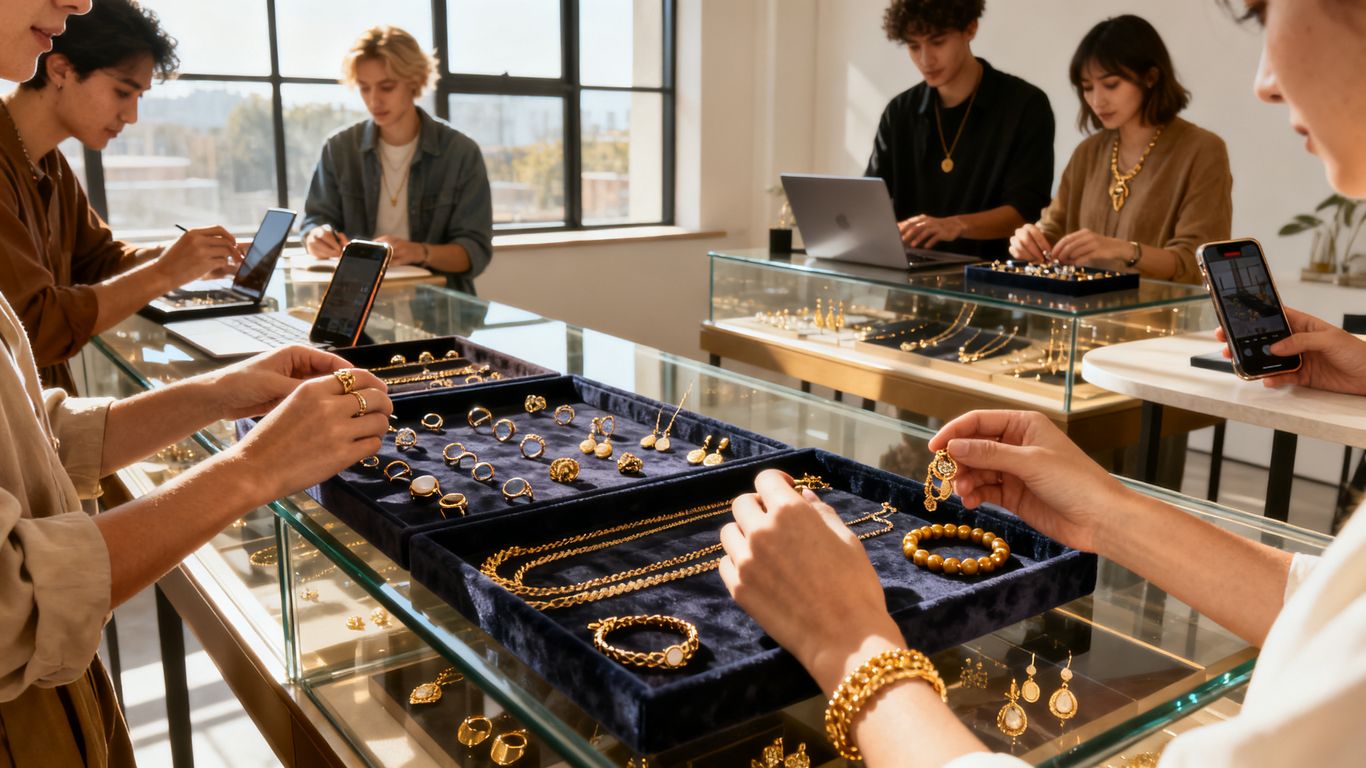
    Stepping into a local boutique remains a deeply satisfying ritual for many enthusiasts. While the digital world provides data, the physical world provides context, allowing for a sensory connection to the piece that images simply cannot convey. For those planning a major engagement or wedding purchase, the in-person jewelry shopping experience often feels like a necessary milestone that builds anticipation.

    The Tactile Experience: Seeing and Feeling the Sparkle

    There is no substitute for holding a necklace or feeling the weight of a ring on your finger before finalizing a major purchase. High-quality photography online can show you the design, but only in-person inspection reveals how a stone catches the light during movement. This physical verification provides a level of peace of mind that is particularly important when evaluating the craftsmanship of complex settings.

    Expert Advice and Personalised Service

    Working with an experienced jeweller offers a level of human guidance that sophisticated algorithms cannot replicate. Professional sales staff can provide tailored recommendations based on your specific style preferences, skin tone, or the intended occasion. This human touch is especially helpful when choosing where to buy rings for meaningful life events, as staff provide insights on metal care and long-term maintenance that are invaluable to first-time buyers.

    Immediate Gratification and Secure Transactions

    One of the most practical benefits of physical shopping is the ability to walk out with your purchase the same day. There is no waiting for courier tracking updates or worrying about shipping delays during peak seasons. Furthermore, the transaction feels inherently more secure when you complete the payment and receive the item in the same secure, face-to-face setting.

    Navigating the Downsides: What to Watch Out For

    A diverse group looking at various golden ornaments inside shop
    #image_title

    Every shopping method involves compromises, and recognizing these pitfalls is the first step in avoiding buyer’s remorse. Whether you are prone to impulsive splurges or worried about shipping inaccuracies, clarity on these risks is essential for the consumer.

    Online: The Risk of Misrepresentation and Returns

    Despite the transparency offered by BuyJewelleryOnline.net, some digital sites may still present imagery that doesn’t accurately reflect the true scale or color vibrancy of a piece. Returns can also become a logistical hurdle if a company does not provide a clear path for refunds or in-store exchanges. It is vital to check the retailer’s return policy before committing to a purchase to ensure you have a safety net.

    In-Store: Limited Selection and Potential for Impulse Buys

    Physical locations are limited by the physical inventory they can display, which might result in missing out on a design that exists in a brand’s larger digital catalog. Furthermore, the high-pressure environment of a showroom can sometimes lead to impulse buying. To navigate this, it is helpful to keep a structured comparison of prices and styles handy, as demonstrated in the table below:

    Shopping FeatureOnline MarketIn-Store Boutique
    Speed of PurchaseModerate (Shipping time)Instant
    Selection DepthVastCurated
    Tactile InspectionNot PossibleImmediate
    Customised AdviceLimited (Chat)Dedicated

    By comparing these realities, you can better manage your expectations and budget. Using these points as a rubric helps when weighing whether the immediate feedback of the store is worth the potentially higher price point over an online alternative.

    Finding Your Perfect Piece: Online vs. Offline – The Verdict

    Ultimately, the most successful strategy for high-value purchases is often a hybrid approach. Many consumers now use digital windows to perform initial research, narrowing down their favorites, then visit a physical store to see the final selection before transacting. This method ensures you get the benefit of a wide variety while maintaining the safety of a tactile check.

    The best jewelry buying experience is rarely found at one end of the spectrum alone, but rather in the thoughtful combination of digital research and personal inspection.

    Whatever your final path, remember to use BuyJewelleryOnline.net as a foundational resource for your jewelry needs. Our expert reviews help you navigate the nuances of craftsmanship and value, whether you are seeking pure silver jewellery or heirloom-quality investments. If you feel ready to browse the latest trends, please explore our collections today to find your next signature piece.

    Conclusion

    Deciding between digital convenience and the tactile reliability of a traditional boutique is a personal preference that balances your need for variety against your desire for hands-on assurance. By utilizing the insights shared here, you can approach your next acquisition with confidence, ensuring you get exactly what you need with the peace of mind you deserve.

    Frequently Asked Questions

    Is it safer to buy jewelry in person or online?

    Both methods are generally safe if you utilize reputable retailers that offer secure payment portals and transparent return policies, though in-person shopping eliminates the risk of shipping loss or misidentification during transit.

    Can I return items bought online to a store?

    Many modern retailers with a hybrid presence now offer this capability, but it is essential to confirm the specific store policy before purchasing as not all vendors operate an omni-channel system.

    Does in-store jewelry always cost more?

    Physical stores often bear higher overhead costs such as rent and staffing, which may be reflected in the final retail price, whereas online stores might offer more competitive pricing due to lower operational expenses.

    How can I make sure a ring fits when shopping online??

    It is highly recommended to visit a local jeweler for a professional sizing appointment before purchasing online, as ring sizes can vary slightly by design or width.

    Is jewelry photography usually realistic?

    While most professional retailers strive for accuracy, photographic lighting and digital enhancements can sometimes make pieces appear larger or more vibrant than they appear under natural indoor lighting.

    Should I research jewelry before going to a store?

    Conducting preliminary research online allows you to narrow down your preferences and understand market pricing, which prevents impulsive spending and helps you communicate your specific needs effectively to sales staff.

    Does brand reputation matter more online?

    Brand reputation acts as a crucial indicator of quality and honesty when shopping online, where you have no opportunity to inspect the craftsmanship, making reader reviews and established track records essential tools.