Tag: Jewelers

  • Your Birthstone: What’s the Big Deal?

    Your Birthstone: What’s the Big Deal?

    Key Takeaways

    Birthstones connect a month of the year with a gemstone, but their appeal goes well beyond a simple date-based chart.

    • Birthstone traditions draw from religious history, folklore, and modern jewelry customs.
    • Modern lists may differ from older or regional traditions.
    • The meaning of birthstones is personal rather than a fixed promise.
    • Jewelry makes the idea easy to wear or give as a thoughtful present.
    • Garnet, amethyst, aquamarine, diamond, and emerald each bring a distinct look to the first five months.

    What Exactly Are Birthstones?

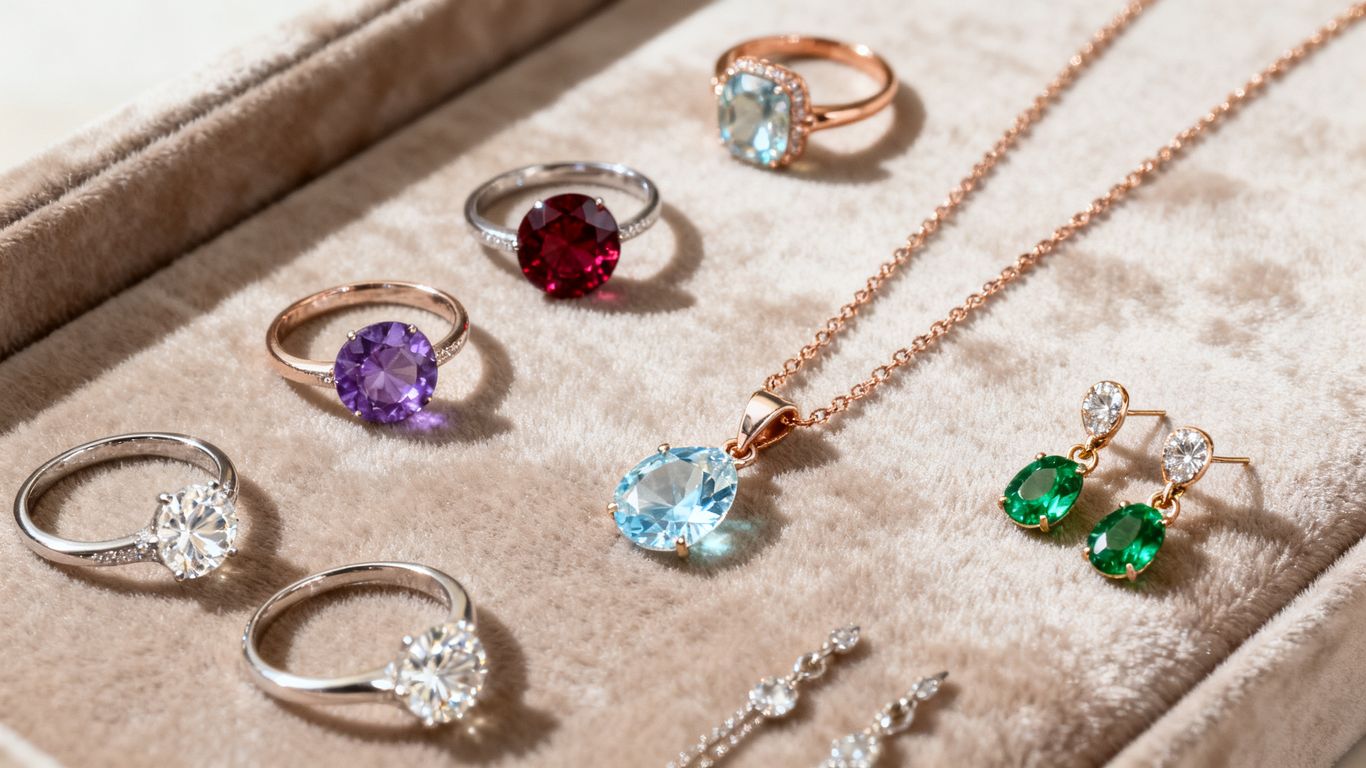
    A birthstone is a gemstone associated with a particular month of birth. For some people, it is a small tradition; for others, it becomes a way to mark identity, family, memory, or a meaningful occasion. So, what is birthstone jewelry? In simple terms, it is jewelry that pairs a gemstone with the wearer’s birth month, although many people also choose stones for their color or personal story.

    Birthstones can appear in rings, pendants, earrings, bracelets, and charms. The tradition has changed over time, which explains why different birthstone chart and meanings guides may show slightly different stones for the same month.
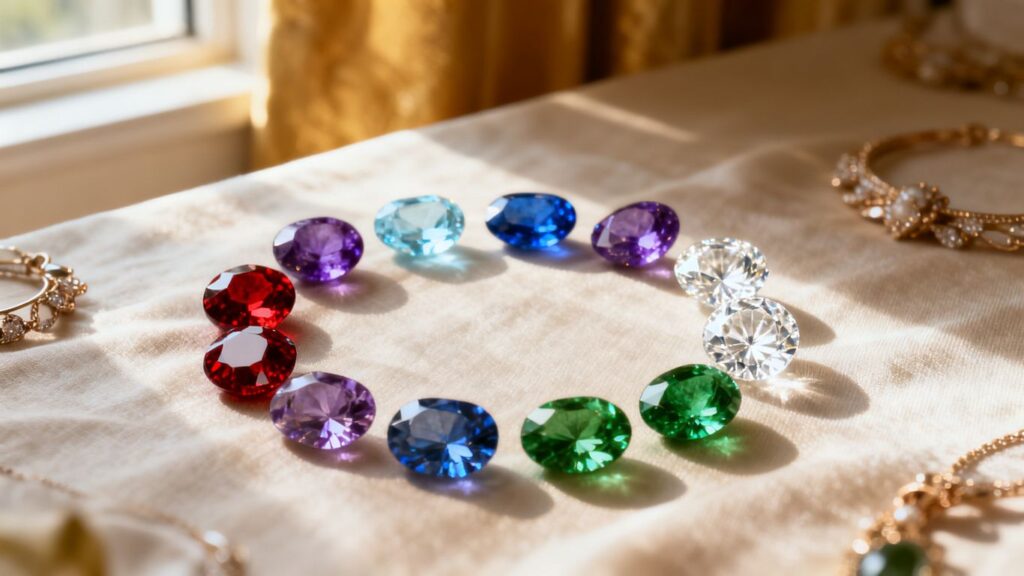
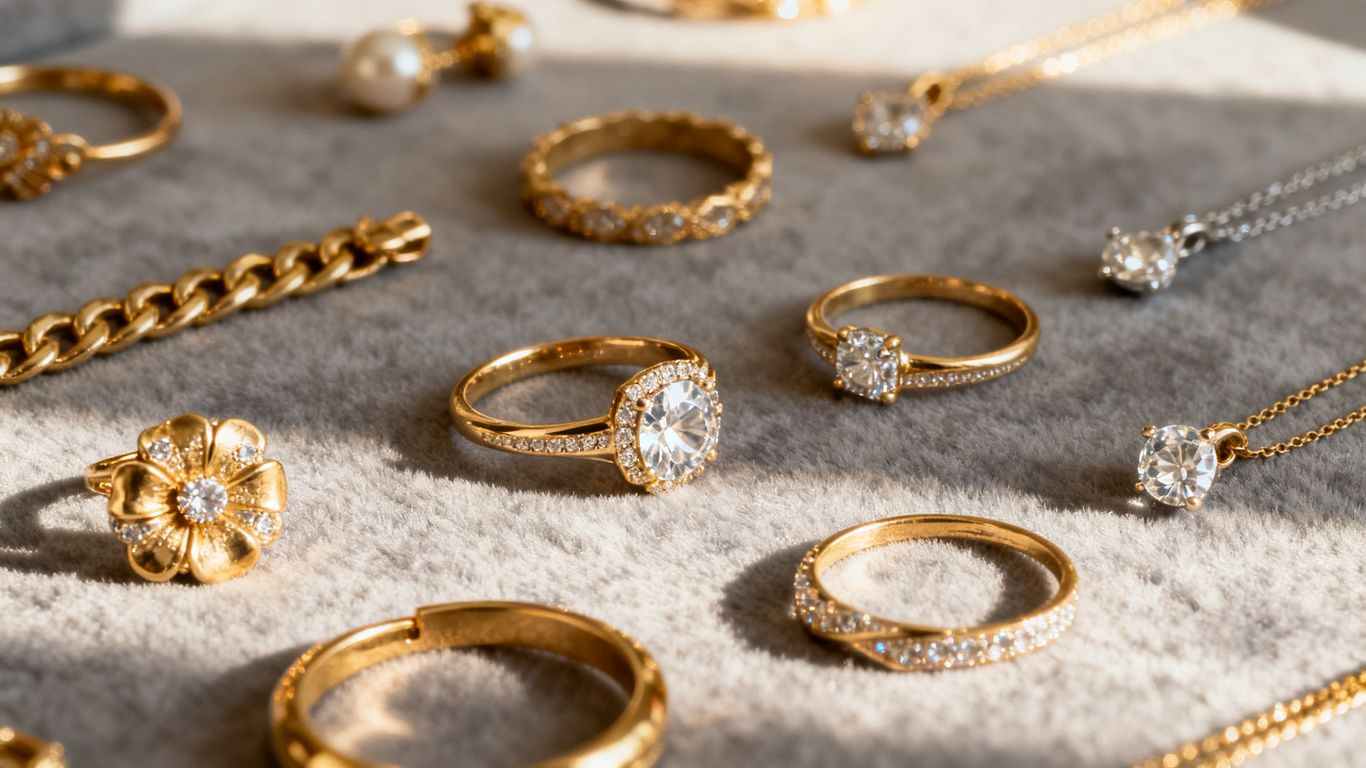
    A collection of colorful birthstone gemstones
    A collection of colorful birthstone gemstones

    The History and Origins of Birthstones

    The history of birthstone jewelry is not tied to one single list or one universally agreed starting point. Ancient religious and cultural traditions helped connect gemstones with symbolic qualities, while later customs linked stones to the twelve months. Over generations, jewelers and writers organized these associations into lists that were easier for people to use when choosing a personal ornament or gift.

    This background also explains why the meaning of birthstones can feel both old and contemporary. A garnet may carry associations with protection or vitality in one tradition, while someone today may simply love its deep red color. Both interpretations can coexist without turning the stone into a promise or prediction.

    The Modern Birthstone List vs. The Traditional List

    Traditional birthstone lists often reflect older beliefs, regional preferences, or connections to biblical and historical gemstones. Modern lists tend to be more practical and consistent for jewelry shopping, sometimes including alternatives when a stone is rare, delicate, or difficult to source. Neither approach has to be treated as the only correct one.

    When comparing a traditional list with a modern one, these questions help keep the choice grounded:

    • Is the stone associated with the month in the tradition you value?
    • Do you prefer the classic gemstone or a commonly accepted alternative?
    • Will the stone suit the wearer’s everyday style and wardrobe?
    • Does the setting provide the care and protection the gemstone needs?

    A little flexibility makes the tradition more useful. At BuyJewelleryOnline.net, practical buying advice can help shoppers compare jewelry types and materials without assuming that symbolism alone should decide the purchase.

    Why Do Birthstones Matter?

    Birthstones matter because they give jewelry a starting point for personal meaning. A gemstone can recall a birthday, a loved one, a new beginning, or simply a color that feels like the wearer. The symbolism is meaningful precisely because people interpret it in their own way.

    The tradition also makes gift-giving less abstract. Instead of choosing a piece based only on appearance, a buyer can begin with a month, then consider the recipient’s taste, lifestyle, and the occasion. That combination often makes the final choice feel more considered.
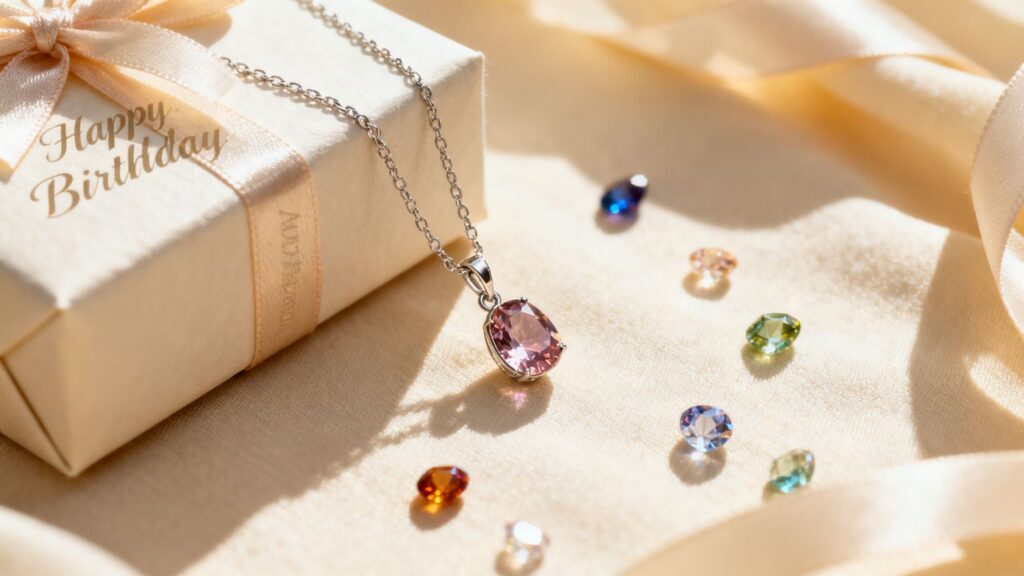
    Birthstone necklace beside wrapped birthday gift
    Birthstone necklace beside wrapped birthday gift

    Symbolism and Personal Meaning

    Birthstone meanings by month are often described with qualities such as courage, calm, clarity, love, or renewal. These descriptions are best understood as cultural associations rather than guarantees. A person may connect with a stone because of its traditional meaning, while another may choose it for its hue, transparency, texture, or family connection.

    The strongest meaning usually comes from the story attached to the piece. A necklace with one stone might mark a birth month, while a design with several stones can bring together the months of children, partners, parents, or close friends. The gemstone becomes a quiet reminder that can be worn without needing an explanation.

    Birthstone Jewelry as Gifts

    Birthstone jewelry works well as a gift because it can feel personal without requiring an elaborate design. A pendant, ring, bracelet, or pair of earrings can suit different budgets and wardrobes, while an engraved initial or charm may add another layer of thought. Before buying, consider whether the recipient prefers understated everyday pieces or more noticeable jewelry.

    A useful gift decision can be organized around the following details:

    Gift considerationWhy it mattersPractical example
    Birth monthEstablishes the traditional gemstoneChoose the recipient’s month or a family combination
    Jewelry styleAffects how often the piece may be wornSelect a necklace for layering or earrings for easy styling
    Metal and settingInfluences appearance and careMatch the finish to jewelry already in the recipient’s collection
    OccasionSets the emotional toneChoose a simple token for a birthday or a more lasting piece for a milestone

    This is where personalized jewelry gifts become especially flexible. BuyJewelleryOnline.net offers buying advice and reviews for shoppers comparing jewelry choices online, so the focus can stay on fit, materials, and occasion rather than on symbolism alone.

    Exploring the Birthstones by Month

    The first five months offer a pleasing range of color, from garnet’s wine-red depth to emerald’s rich green. These stones also vary in appearance, durability, and care needs, so a month-by-month look is more useful than a list of names by itself. Treat the following associations as a starting point for choosing a style that feels right.

    For a broader shopping perspective, this birthstone jewelry guide can sit alongside a general comparison of settings, jewelry forms, and personal details. The best piece is not necessarily the most traditional one; it is the one that the wearer will enjoy and care for.

    January: Garnet

    Garnet is commonly associated with January and is best known for its rich red appearance, although garnets can occur in more than one color. Its depth makes it especially appealing in warm-toned metal settings, vintage-inspired designs, and pieces intended to feel classic rather than fleeting.

    In symbolic language, garnet is often connected with energy, commitment, and protection. A garnet ring or pendant can therefore feel appropriate for a birthday, a new chapter, or a gift meant to express steadiness.

    February: Amethyst

    Amethyst is February’s familiar purple gemstone, ranging from delicate lilac to a much deeper violet. Its color can look soft and understated in a small setting or become the main feature of a larger pendant or cocktail ring.

    The stone is frequently associated with calm, clarity, and inner balance. Whether or not those qualities resonate with the wearer, amethyst offers an easy way to add cool color to everyday jewelry without appearing overly formal.

    March: Aquamarine

    Aquamarine is linked with March and is prized for its clear blue to blue-green color. The watery appearance works naturally in light, open designs, particularly when the setting allows the stone to catch daylight.

    Its traditional associations often include serenity, communication, and safe journeys. That makes aquamarine a thoughtful choice for someone beginning a move, trip, study program, or other change, while its fresh color keeps the design wearable beyond the occasion.

    April: Diamond

    Diamond is the best-known April birthstone and is valued for its bright appearance and strong resistance to scratching. It can serve as a central stone or as a smaller accent, depending on the design and budget.

    Diamonds are often associated with clarity, enduring affection, and strength. When choosing one, shoppers should look beyond the birth month and consider the cut, setting, metal, care requirements, and the way the piece will be worn.

    A diamond does not have to mean a large or formal jewel. Small studs, delicate pendants, and subtle accent stones can carry the April connection while fitting comfortably into an everyday collection.

    May: Emerald

    Emerald is May’s vivid green birthstone, recognized for its saturated color and unmistakable presence. It can bring a sense of richness to a simple design, though its appearance and care needs make the quality of the setting worth considering.

    The stone is traditionally connected with renewal, growth, and love. For someone born in May, emerald jewelry can feel instantly personal; for someone else, its green color may be the reason it becomes the right choice. The stories behind famous jewelry offer a useful reminder that gemstones often gain lasting appeal from the narratives people attach to them.

    Conclusion

    Birthstone jewelry is meaningful because it leaves room for interpretation: a month, a color, a family story, or a milestone can all shape the choice. Once you understand the traditions and compare them with the wearer’s taste, selecting a piece becomes less about following a rule and more about finding a gemstone that feels genuinely connected.

    Frequently Asked Questions

    What is birthstone jewelry?

    Birthstone jewelry is a piece that includes a gemstone associated with a person’s birth month. It may be worn as a personal keepsake or given to mark a birthday, relationship, or milestone.

    Do birthstone lists vary?

    Yes. Traditional, modern, cultural, and regional lists may assign different stones or alternatives to the same month. A shopper can choose the version that best fits their preferences and background.

    Does a birthstone have a guaranteed meaning?

    No. Birthstone meanings come from tradition, folklore, and popular symbolism rather than a guaranteed effect. The personal story attached to the jewelry is often more important than a fixed definition.

    Can I wear a birthstone that is not my own?

    Yes. People may choose a stone because they like its color, connect with its symbolism, or want to represent a loved one’s birth month. There is no requirement to wear only the stone assigned to your own month.

    What types of birthstone jewelry are available?

    Common options include necklaces, rings, earrings, bracelets, pendants, and charms. The best format depends on the wearer’s style, comfort, and how often they want to use the piece.

    Can one piece include several birthstones?

    Yes. Multiple-stone designs can combine the birth months of family members, partners, or friends. They are often chosen when the jewelry is meant to represent several relationships at once.

    How should birthstone jewelry be cared for?

    Care depends on the gemstone and the metal. Keep jewelry away from harsh chemicals, store pieces separately to reduce scratching, and follow care guidance suited to the specific stone and setting.
  • Jewelry Shipping: Your Global Guide

    Jewelry Shipping: Your Global Guide

    Key Takeaways

    International jewelry shipping becomes much easier when you treat compliance, protection, and customer communication as one process.

    • Check destination-country rules before accepting an order.
    • Describe the item accurately on customs forms and keep supporting records.
    • Use discreet, layered packaging that prevents movement and damage.
    • Confirm insurance limits, exclusions, duties, and taxes before dispatch.
    • Offer tracking and delivery confirmation for every valuable shipment.

    Understanding International Jewelry Shipping Regulations

    The first step in learning How to ship jewelry internationally is understanding that rules vary by origin, destination, material, and declared value. Gold, silver, gemstones, watches, plated pieces, and costume jewelry may be treated differently by customs authorities. Sellers should check the destination’s official import guidance before promising a delivery date or accepting payment. BuyJewelleryOnline.net provides buying advice for jewelry shoppers, but the final responsibility for an international shipment rests with the sender and recipient.

    Customs Declarations and Documentation

    A customs declaration should describe the item plainly and accurately, including its material, type, quantity, country of origin, and sale value where requested. Avoid vague wording such as “gift” when the package contains a commercial order. A clear invoice, proof of purchase, and any available gemstone or metal documentation can help explain the shipment if customs asks questions.

    For customs for jewelry exports, consistency matters. The product description, invoice, declared value, and order record should agree rather than offering several different versions of what is inside the parcel. The following overview can help you organize the basic information before checking the destination’s exact requirements.

    InformationWhat to prepareWhy it matters
    Item descriptionType of jewelry and primary materialHelps customs classify the shipment
    QuantityNumber of pieces in the parcelSupports accurate assessment
    ValueTransaction value and currencyMay affect duties, taxes, and insurance
    OriginCountry where the item was madeCan influence tariff treatment

    After preparing the paperwork, review every field before sealing the package. Keep digital copies of the declaration and invoice, along with photographs of the item and packaging. That small recordkeeping habit can make a delayed or questioned shipment much easier to resolve.

    Prohibited and Restricted Items

    Some destinations restrict precious metals, loose stones, antiques, pearls, animal-derived materials, or jewelry containing protected natural elements. Even when an item is legal to sell at home, importing it may require a permit, special wording, or a particular shipping service. Sending precious metals overseas therefore calls for more than choosing an international postage option; it requires a destination-specific check.

    Do not assume that a carrier’s general parcel rules cover every type of jewelry. Review both the carrier’s terms and the importing country’s customs guidance, especially for diamonds, colored gemstones, cultural artifacts, and pieces with unusual materials. When the rules are unclear, pause the order and ask the relevant customs office or carrier for written guidance.

    A practical store policy should explain which destinations are excluded, who pays duties, and what happens if customs rejects or returns a parcel. Clear terms protect the customer from surprise and help the seller avoid dispatching an item that cannot legally enter its destination.

    Choosing the Right Shipping Carrier for Your Jewelry

    The best carrier depends on the item’s value, destination, delivery window, insurance needs, and the carrier’s published restrictions. A fast service is not automatically the safest choice, and a low quoted rate may exclude important protection or destination fees. Compare the complete service rather than judging it by postage alone.

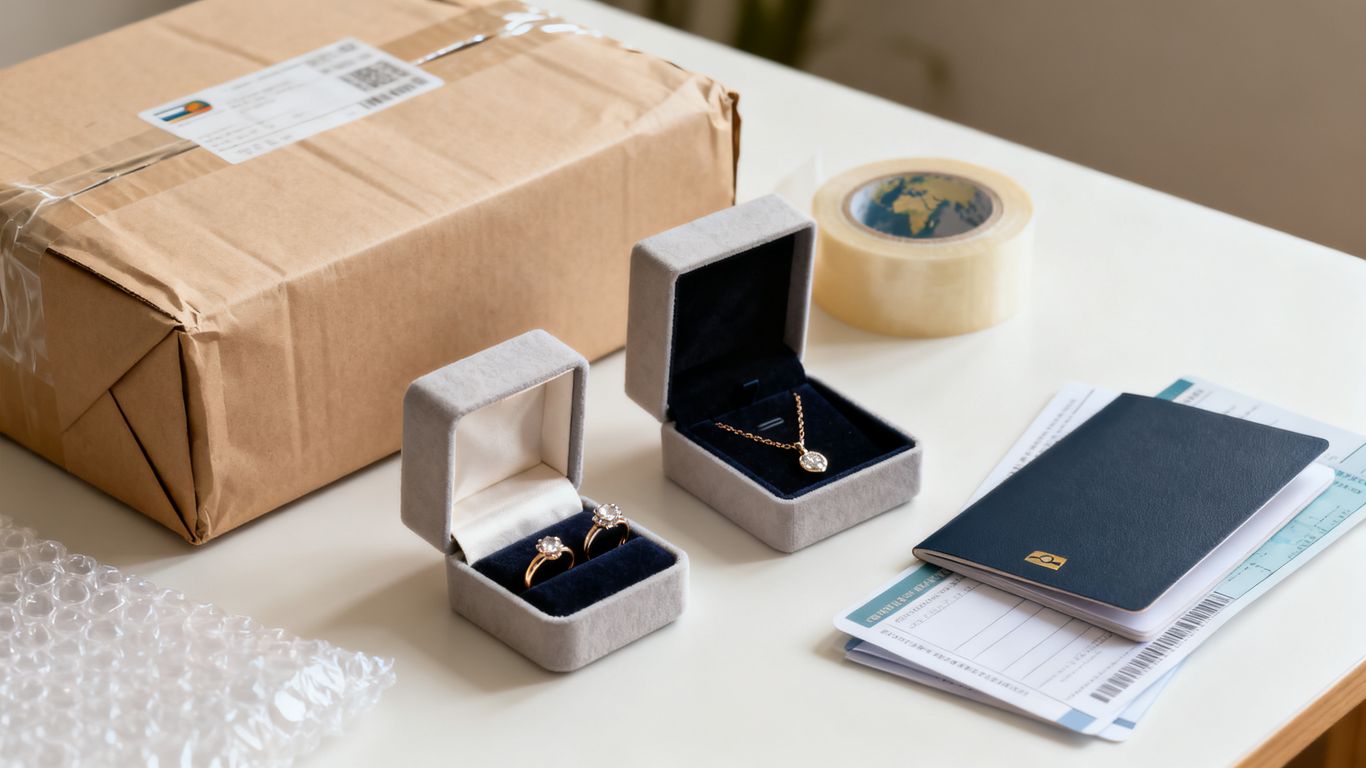
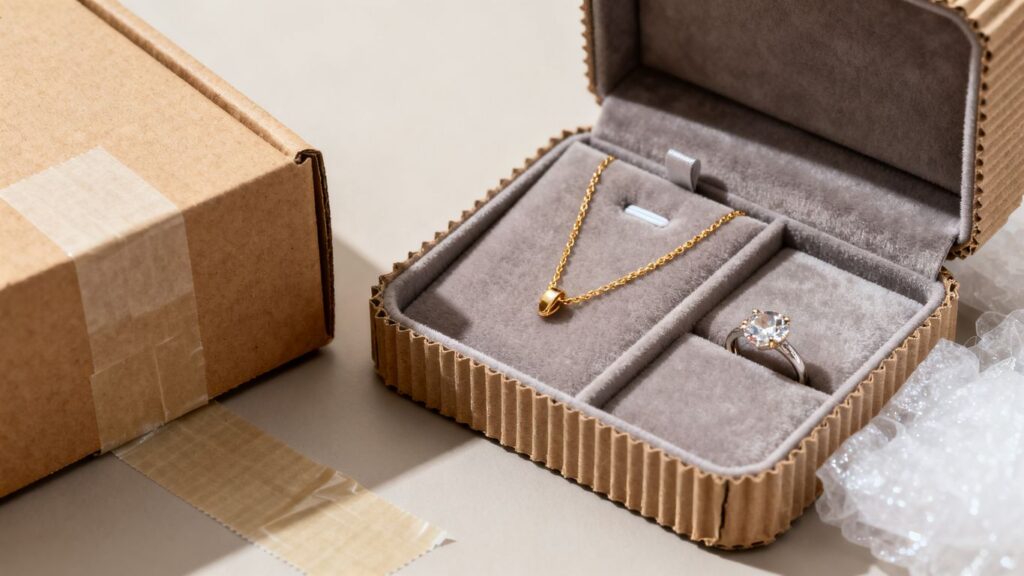
    Secure international parcel beside jewelry box
    Secure international parcel beside jewelry box

    BuyJewelleryOnline.net discusses online jewelry purchasing for an international audience, and shipping is one practical part of that buying journey. Sellers should also consider whether the carrier offers reliable scans, customs support, delivery attempts, and a signature option. These details matter particularly when a customer is receiving a small, valuable parcel at a private address.

    Major International Carriers: Pros and Cons

    Large postal and express networks can be convenient because they cover many countries and offer familiar tracking systems. Express operators may provide quicker customs handling, while postal services can be useful for lower-value pieces or destinations where their local delivery partnerships are strong. The trade-off is that service levels, declared-value limits, and jewelry exclusions differ by route and product.

    Compare services using the same questions rather than relying on reputation alone. Ask whether jewelry is accepted, what value can be declared, which losses are excluded, and whether a signature is available at delivery. Also check how claims are handled if the parcel arrives damaged or the tracking record stops updating.

    Specialty Jewelry Shippers

    Specialty shippers may be worth considering for unusually valuable, delicate, or time-sensitive pieces. Their value is often found in procedures designed for high-value goods, such as controlled handoffs, specialized insurance arrangements, or delivery coordination. Those services can cost more, so the extra protection should be weighed against the item’s value and the customer’s expectations.

    Before booking, request the current terms in writing and confirm that the precise item is covered. Ask about packaging requirements, claim evidence, destination exclusions, and whether the shipment must use a particular service level. A carrier comparison is most useful when it ends with a documented choice, not simply a familiar name.

    Packaging Your Jewelry for Safe International Transit

    Packaging has to protect the piece from impact, abrasion, moisture, and unwanted movement while keeping the contents discreet. It also creates the customer’s first physical impression, so security should not mean careless presentation. The safest approach is a compact inner package placed inside a stronger, plain outer box with cushioning between the two.

    Inner Packaging: Protection and Presentation

    Start by separating pieces that could scratch one another or catch on chains and settings. Use a soft pouch, anti-tarnish material where appropriate, or individual wrapping, then place each item in a rigid compartment or jewelry box. Rings should be held firmly, necklaces should be secured against tangling, and earrings should not be allowed to rattle loose.

    A small amount of thoughtful preparation prevents many avoidable problems. Before closing the inner box, check the following points:

    • Fasten clasps and secure loose chains.
    • Cushion stones, prongs, and delicate settings.
    • Keep each piece in its own compartment or wrap.
    • Photograph the item and its packed condition.

    Once the inner package is closed, gently shake it near your ear. Any movement deserves attention before the parcel goes farther. BuyJewelleryOnline.net’s practical buying guidance often focuses on choosing and caring for jewelry; the same care in packing helps preserve the condition the customer expected to receive.

    Outer Packaging: Durability and Security

    Use a sturdy outer box that leaves enough room for protective material on every side. A double-box arrangement can reduce the force reaching the inner package, provided the inner box cannot shift inside the outer one. Avoid decorative branding, product names, or words that reveal the contents to anyone handling the parcel.

    Seal all openings with durable packing tape and inspect the corners, seams, and closure before handing the shipment over. The box should look ordinary, remain dry, and have a label that is complete without exposing unnecessary details. A packing slip can go inside, but the outside should carry only the information needed for transport and delivery.

    Record the sealed parcel’s weight, dimensions, and condition. Those details help with quoting, customs paperwork, and any later claim. A plain, well-cushioned box is not excessive for delicate goods; it is a simple way to reduce preventable risk.

    Insurance and Value Protection for High-Value Items

    Standard carrier liability is not the same as full protection for an expensive piece. Before dispatch, read the insurance terms for jewelry, precious metals, gemstones, and watches, including exclusions for unattended delivery, inadequate packaging, or missing documentation. For insured shipping for valuable items globally, the declared value should be accurate rather than deliberately reduced to lower the quoted price.

    Photograph the jewelry from several angles and keep the invoice, appraisal, certificates, and packing record together. If a claim becomes necessary, the insurer may ask for evidence of ownership, value, packaging, and the shipment’s chain of custody. Accurate records protect value because they give the claim reviewer something concrete to assess.

    Insurance may also require specific handling, a signature, or an approved shipping service. Confirm whether duties and return transport are covered, and check whether the policy applies in the destination country. Tell the customer what protection is included, what is excluded, and what they should do if the parcel appears opened or damaged.

    Calculating Shipping Costs and Duties for Your Customers

    A useful quote includes more than the carrier’s base rate. Weigh the packed parcel, measure its outer dimensions, and account for fuel surcharges, remote-area fees, signature services, insurance, and any packaging cost passed to the customer. Express delivery may be worthwhile for a high-value order, but the customer should see the reason for the higher price.

    Duties and import taxes are normally determined by the destination country, the item’s classification, origin, and declared value. They may be collected before delivery or requested by the carrier at the border. Do not promise that a package will be tax-free unless an official rule clearly supports that outcome, and explain whether the recipient or seller is responsible for payment.

    Build a destination check into checkout or order review. If a buyer is comparing jewelry purchases across countries, a guide such as international online jewelry shopping can help them think about seller reliability and product information, while the shipping quote should still state its own assumptions. Recheck rates and rules regularly because carrier charges and customs policies can change.

    Tracking and Delivery Confirmation

    Tracking is most useful when it begins at acceptance and continues through customs, local handoff, and delivery. Send the tracking number promptly, but explain that international scans may pause while a parcel is being inspected or transferred between networks. A quiet tracking period does not always mean the shipment has stopped moving.

    For valuable jewelry, choose delivery confirmation and require a signature when the service and destination allow it. Ask the customer to use an address where someone can receive the parcel safely, and make sure the name and phone details match the carrier’s requirements. If a delivery attempt fails, quick communication can prevent a parcel from being returned or left in an unsuitable place.

    Keep a simple shipment log with the order number, tracking history, declared value, dispatch date, and delivery result. If a scan suggests an exception, contact the carrier early and tell the customer what is known without guessing. Guidance on shipping jewelry safely can complement this process, but the seller should always follow the current terms for the selected service.

    Conclusion

    Successful international jewelry shipping comes down to careful checks, honest documentation, protective packaging, suitable insurance, and clear delivery communication. When each step is planned before dispatch, customers receive fewer surprises and valuable pieces have a better chance of arriving safely.

    Frequently Asked Questions

    How should jewelry be described on a customs form?

    Use a plain, accurate description that states what the item is, its main material, quantity, value, and origin when requested. Avoid vague wording or a description that does not match the invoice.

    Can I send gold or silver jewelry internationally?

    Possibly, but rules vary by destination and service. Check import restrictions, carrier terms, permits, documentation requirements, and insurance conditions before accepting the shipment.

    Is regular carrier insurance enough for valuable jewelry?

    Not always. Review the carrier’s jewelry exclusions and declared-value limits, then consider separate coverage if the item’s full value is not protected.

    Should jewelry be shipped in a padded mailer?

    A rigid inner package and sturdy outer box generally provide better protection from crushing and movement. Confirm the selected carrier’s current packaging rules before dispatch.

    Who pays customs duties on an international jewelry order?

    The answer depends on the sale terms and destination rules. State clearly whether the seller or recipient pays, and warn the customer that the carrier may collect charges before delivery.

    Is a signature required when shipping jewelry?

    A signature is not required for every service, but it is a sensible option for valuable shipments when available. It creates a clearer handoff and reduces the chance of an unattended delivery.

    What should I do if tracking stops updating?

    Allow for normal customs or network delays, then contact the carrier if the pause exceeds the expected window. Keep the customer informed and retain invoices, photographs, and tracking records in case an investigation is needed.

  • Jewelry Buyers Online: Where to Find Them

    Jewelry Buyers Online: Where to Find Them

    Key Takeaways

    Finding jewelry buyers online starts with understanding what they value, not simply placing products in front of as many people as possible.

    • Define audiences by both life stage and personal style.
    • Match visual content to the platform and the buying mood.
    • Use specific, useful search phrases instead of broad terms alone.
    • Build trust with clear product information and helpful guidance.
    • Measure campaigns by meaningful actions, not impressions only.

    Understanding Your Ideal Jewelry Buyer

    Before choosing a channel, decide who you are trying to reach and what they need from a jewelry purchase. A wedding shopper, a festival gift buyer, and someone seeking everyday silver pieces may all respond to different imagery and language. The first step in learning how to target jewelry buyers online is replacing a vague audience with a few practical customer profiles.

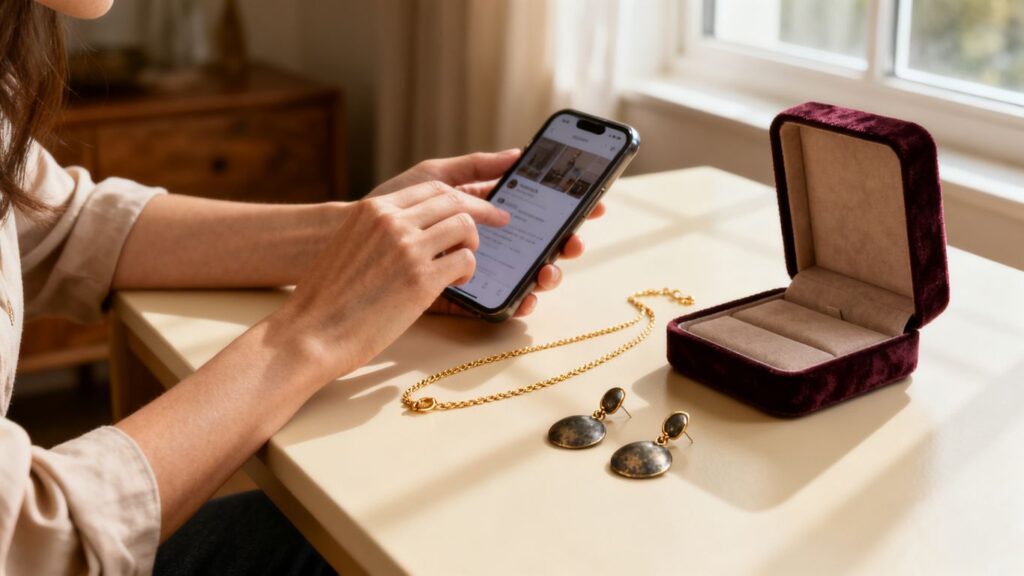
    Jewelry shopper comparing pieces online
    Jewelry shopper comparing pieces online

    Demographics and Psychographics

    Demographics give you a starting frame: location, age range, income, household situation, and the occasions that bring someone to your store. Psychographics add the more revealing details, such as whether a shopper prefers traditional designs, follows fashion closely, values craftsmanship, or wants a practical price comparison. A useful audience profile might describe a customer preparing for a wedding in India, an expatriate looking for a culturally familiar gift, or a fashion-conscious buyer seeking oxidized jewelry for everyday wear.

    Research should also include the questions people ask before buying. Read comments, customer messages, search suggestions, and reviews to see where uncertainty appears. The target jewelry audience guide offers a useful reminder that interests, values, and lifestyle can be as relevant as age or income when shaping a marketing message. For a store serving several countries, keep location-specific shipping, currency, and cultural expectations in separate audience segments rather than placing everyone in one group.

    Motivations for Buying Jewelry

    Jewelry is often connected to a moment, a relationship, or a personal expression of style. Someone buying a gold necklace for a festival may care about cultural meaning and longevity, while someone buying zircon earrings may prioritize appearance, affordability, and versatility. Gift buyers usually need reassurance about presentation, delivery, and returns; self-purchasers may respond more strongly to styling ideas and care guidance.

    For finding customers for jewelry business, map each motivation to a useful message. Ask what prompted the search, what could stop the purchase, and what evidence would make the buyer comfortable. BuyJewelleryOnline.net can support this research-led approach through reviews and buying advice for jewelry shoppers, including guidance across gold, zircon, and oxidized pieces.

    Leveraging Social Media Platforms

    Social platforms work best when jewelry is treated as something people imagine wearing, gifting, or keeping, rather than as a static catalog item. Each channel has its own rhythm, so a single image and caption should not be copied everywhere without adjustment. Plan a mix of product detail, styling context, education, and conversation.

    Instagram and Pinterest: Visual Storytelling

    Instagram is suited to close-up photography, short videos, carousels, and creator-style demonstrations. Show scale on a person, the way a clasp works, the texture of a finish, and how one piece looks with more than one outfit. Pinterest content can take a longer planning view, with collections organized around wedding jewelry, festival dressing, gift ideas, storage, or everyday accessories.

    A strong visual post answers a small question before asking for a click. Use captions to explain materials, care, sizing, or occasion rather than relying on decorative language. This is a practical part of online marketing for jewelry stores: make the feed attractive, but also make it useful enough to save and revisit.

    Facebook is useful for conversations, product previews, live demonstrations, seasonal reminders, and local or interest-based communities. TikTok tends to reward a more immediate, informal style: quick styling changes, close-up inspection, packing videos, or a simple explanation of how to choose a piece. The format can be casual without becoming careless about product details.

    Before building a weekly schedule, choose a few repeatable content themes so the work remains manageable. A simple set might include:

    • One educational post about materials or jewelry care.
    • One occasion-based styling idea.
    • One customer question answered on camera.
    • One behind-the-scenes or product-detail video.

    This sequence gives followers several reasons to return and helps a small team avoid posting only promotional images. It also creates natural openings for comments, which can reveal new language and objections to use in future content.

    Search Engine Optimization (SEO) Strategies

    Search traffic can bring in shoppers who are already comparing styles, prices, materials, or sellers. SEO becomes more useful when it reflects the real stages of a jewelry decision, from broad inspiration to detailed purchase checks. Pages should answer the query clearly and lead readers toward the next sensible step.

    Jewelry SEO planning beside product photography

    Keyword Research for Jewelry Niches

    Start with broad phrases such as “where to sell jewelry online” or “jewelry stores online,” then add details that reveal intent: material, occasion, style, location, or budget. A person searching for gold jewelry in India has a different need from someone searching for oxidized earrings for a wedding. Review search suggestions and your own site data, then group related phrases by the page that should answer them.

    A simple planning table can keep keyword research connected to useful content rather than isolated rankings:

    Search intentExample phraseHelpful page angleNext step
    Inspirationjewelry styling ideasOutfit and occasion suggestionsBrowse related styles
    Comparisongold vs. zircon jewelryMaterials, value, and careRead buying guidance
    Product researchoxidized earrings onlineDesign, finish, and sizing checksView product options
    Purchase reassurancesafe online jewelry shoppingReturns, seller details, and reviewsCheck seller information

    The wording will vary by market, but the principle stays the same: give each search intent a page with a clear purpose. BuyJewelleryOnline.net uses reviews and buying advice as a foundation for helping online shoppers compare jewelry choices, so its content can meet readers while they are still researching.

    Content Marketing for Jewelry Brands

    Content should reduce uncertainty and help readers make a decision they will feel good about later. Explain how to assess product photos, read material descriptions, compare stone details, understand return policies, and care for a finished piece. Seasonal guides can address weddings and festivals, while evergreen articles can cover sizing, storage, cleaning, and gift selection.

    Attracting jewelry enthusiasts does not require every article to be a sales page. A well-made guide may bring in a reader who is only gathering ideas today, then earn trust when that reader returns with a more specific question. Practical topics such as starting an online jewelry business can also reach sellers and enthusiasts who are researching the wider online jewelry market.

    Use internal links to connect related advice, and keep product claims tied to information you can verify. Photos should support the words with accurate scale and detail, especially for small pieces where shoppers cannot handle the item in person.

    Paid Advertising Channels

    Paid campaigns can shorten the path between a buyer’s search and a relevant product page, but only when the audience, offer, and landing page agree. Start with one clear objective, such as qualified visits, email sign-ups, or completed purchases. Set a modest test budget and compare results by audience and creative rather than changing everything at once.

    Google Ads and Shopping Campaigns

    Search advertising is most helpful when the wording signals a specific need. Separate campaigns for branded, category, occasion, and high-intent searches can make performance easier to read. Product pages should then match the promise in the ad, with clear photos, material information, price, shipping details, and return terms visible without unnecessary hunting.

    Shopping-style campaigns depend on accurate product data. Keep titles descriptive, use consistent availability and pricing, and send each click to the closest relevant page. Someone searching for a particular type of necklace should not land on a general homepage and have to begin the search again.

    Social Media Advertising Targeting

    Social advertising can be organized around interests, life events, location, past site activity, or engagement with earlier content, depending on the platform and the permissions available. Build separate creative for gift buyers, occasion shoppers, and people browsing for personal style. Avoid assuming that every person in a broad age or income group wants the same jewelry.

    Test one meaningful change at a time: the opening image, the audience definition, the offer, or the landing page. Watch click quality, product-page engagement, add-to-cart activity, and purchases together. BuyJewelleryOnline.net remains a useful reference point for shoppers who need accessible reviews and buying advice, while paid media can help more of those readers discover relevant guidance.

    Conclusion

    The best strategies to reach jewelry shoppers connect audience understanding with helpful content, strong imagery, and careful measurement. Define the occasion and motivation behind the search, choose channels that fit the way people browse, and make every landing page answer the questions that stand between interest and trust.

    Frequently Asked Questions

    How do I identify jewelry buyers online?

    Study customer questions, purchase occasions, search behavior, location, style preferences, and budget signals. Turn these patterns into a few audience profiles that can guide content and advertising.

    Which social platform is best for jewelry marketing?

    Instagram and Pinterest are strong choices for visual discovery, while Facebook can support community conversations and events. TikTok may suit informal styling and short educational videos; the best choice depends on your audience and content resources.

    What should jewelry ads show?

    Use clear product photography, accurate scale, useful details, and a direct reason to click. Include information that reduces hesitation, such as materials, sizing, delivery, returns, or care requirements.

    Which keywords attract jewelry shoppers?

    Use a mixture of broad category terms and specific phrases containing material, style, occasion, location, or buying intent. More specific searches often reveal what the shopper is trying to decide.

    How can a jewelry website build trust?

    Provide detailed product descriptions, visible policies, clear photos, seller information, and helpful buying guidance. Reviews and consistent answers to common questions can also make online research feel safer.

    Should jewelry businesses use paid advertising?

    Paid advertising can be worthwhile when the campaign has a clear objective, a defined audience, and a relevant landing page. Begin with controlled tests and evaluate meaningful actions rather than reach alone.

    How often should a jewelry business post online?

    Choose a schedule the team can maintain without sacrificing quality. A dependable mix of educational posts, styling ideas, product details, and responses to customer questions is usually more useful than frequent posts with little substance.

  • USA’s Hottest Bling: Top 10 Brands You Need to Know

    USA’s Hottest Bling: Top 10 Brands You Need to Know

    Key Takeaways

    Jewelry serves as a primary mode of self-expression and heritage in America, blending historical craftsmanship with modern innovation to define luxury and daily style.

    • The US jewelry market thrives on a balance between iconic legacy houses and accessible, modern retail giants.
    • Ethical sourcing and lab-grown alternatives are becoming standard expectations for the contemporary American consumer.
    • Personalization is a growing trend, with brands shifting focus toward charms and bespoke design experiences.
    • Online shopping is revolutionizing reach, allowing consumers to compare diamonds and gemstones from the comfort of their homes.
    • American jewelry culture is increasingly defined by the intersection of high-fashion artistic vision and everyday wearable accessibility.

    Why Jewelry Matters in the USA

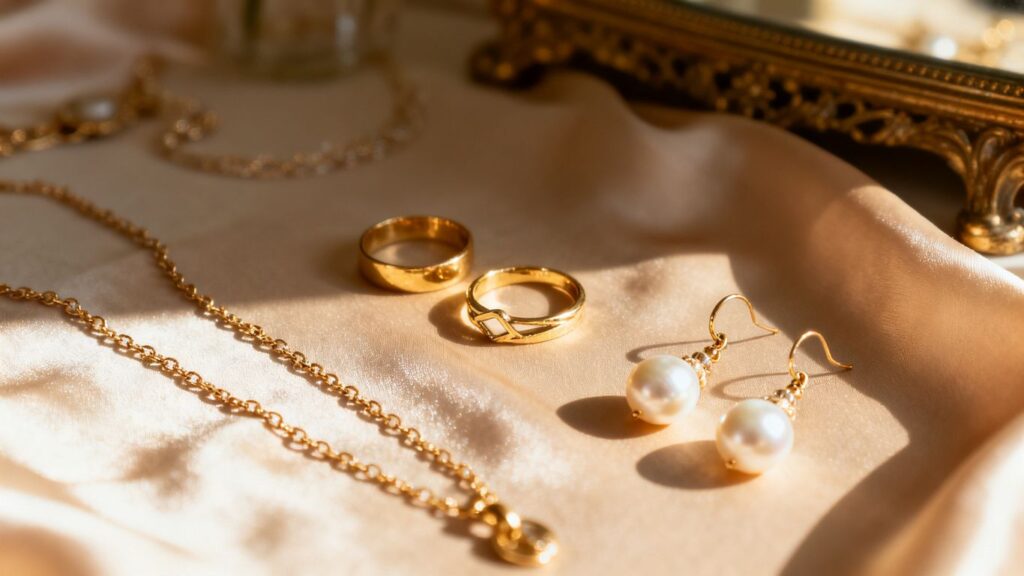
    American style jewelry aesthetic
    #image_title

    Jewelry in the United States functions as far more than mere decoration; it acts as an essential component of personal identity and milestones. From engagements to professional achievements, the desire to commemorate life events through precious metals and gemstones drives a multi-billion dollar sector. Americans often look for popular US jewelry companies that mirror their own values, whether through sustainable practices or a commitment to timeless aesthetic legacy.

    Retailers have adapted to this landscape by offering diverse price points that bridge the gap between high-end collectibles and everyday essentials. People often seek advice on how to elevate your style and manage their collections, ensuring that their investments in gold or diamond pieces remain protected and relevant to their personal narrative. In recent years, the market has seen a rapid shift toward transparency, where buyers prioritize understanding the origins of their stones and the craftsmanship behind their settings.

    Beyond personal use, jewelry remains a profound cultural signifier in the American social fabric. It represents the merging of traditional craftsmanship with modern innovation, often influenced by a mix of diverse backgrounds. As consumers navigate the vast array of luxury jewelry brands USA options, they find that what makes a brand successful is often its ability to communicate a distinct, personal story while maintaining a high level of physical quality.

    The Top 10 Jewellery Brands Dominating the US Market

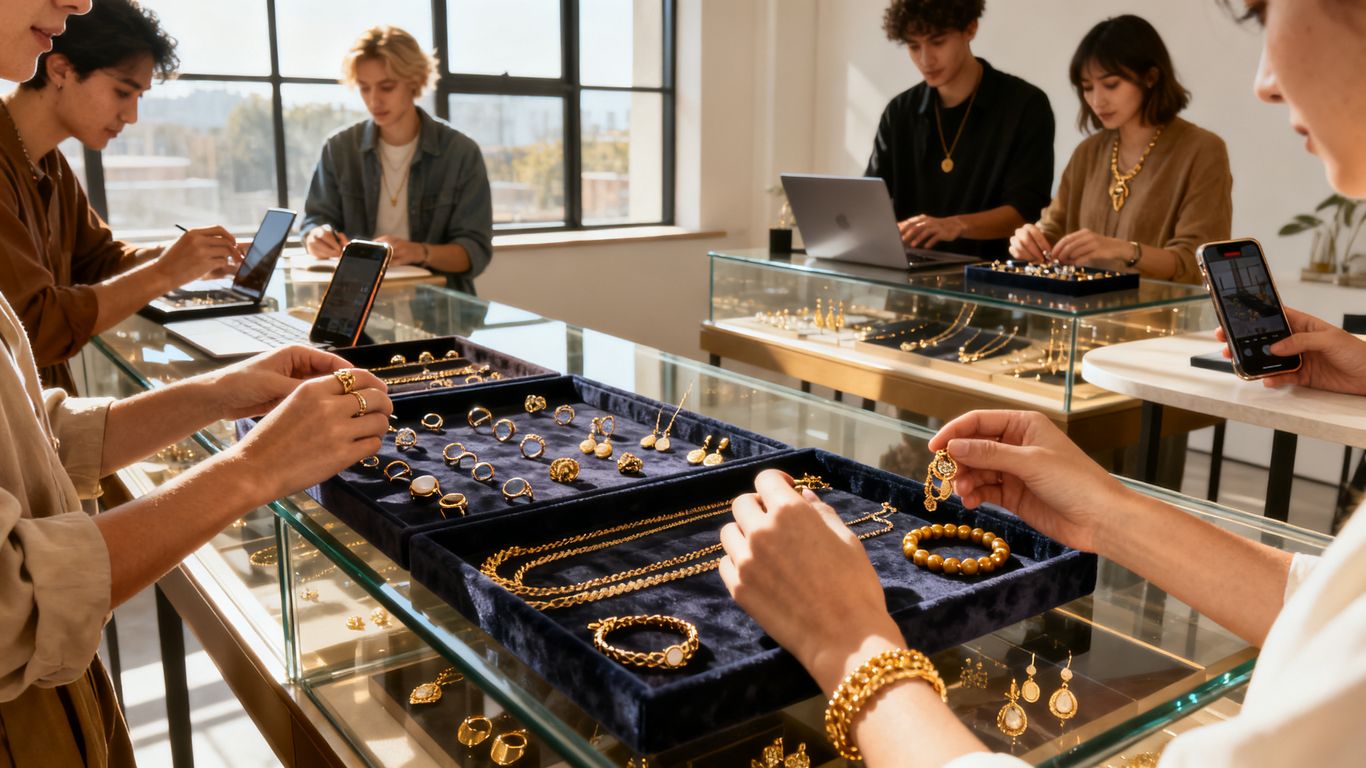
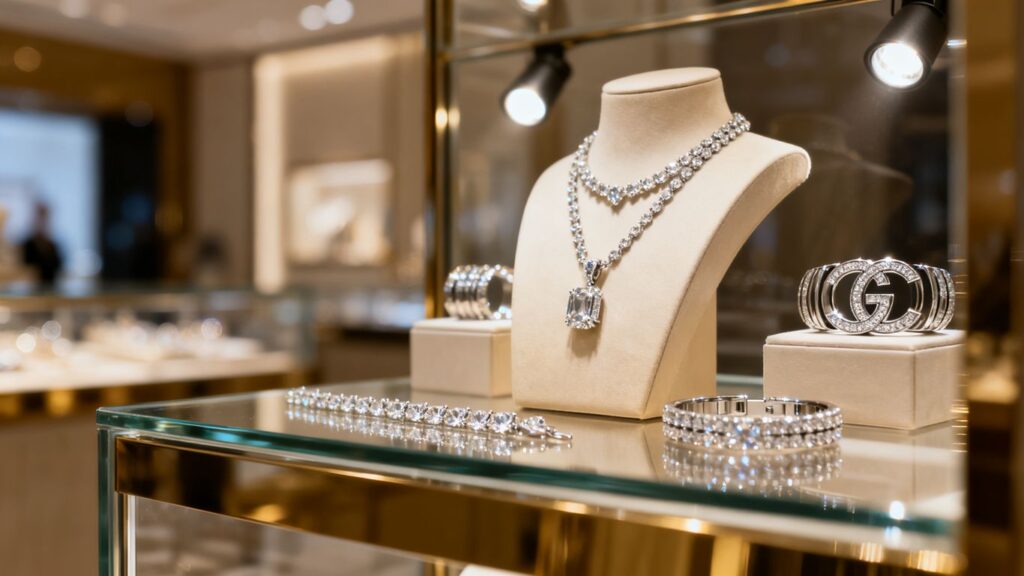
    Iconic jewelry displays in display case
    #image_title

    1. Tiffany & Co.: The Icon of American Luxury

    Long recognized as a cornerstone of the industry, this brand sets the global standard for silver craftsmanship and quality engagement rings. Its iconic blue box has become a cultural symbol of romance and distinction within the United States.

    2. Cartier: Timeless Elegance and Parisian Flair

    Known for its bold jewelry designs, this house excels in blending historic Parisian artistry with global trends. Their collections are frequently sought after for their longevity and status as quintessential pieces in any luxury collection.

    3. Pandora: Charm Bracelets and Personal Expression

    This brand has mastered the art of modular jewelry, allowing individuals to curate pieces that track their specific life experiences. Their rise highlights the popularity of accessible products that prioritize emotional connection and storytelling.

    4. Kay Jewelers: Accessible Sparkle for Every Occasion

    Serving as a national go-to for special events, this brand offers a wide range of products that make fine jewelry available for common milestones. It plays a critical role in the market by offering variety in affordability.

    Item CategoryTarget AudienceKey Strength
    Engagement RingsCouplesBroad Variety
    Everyday GoldGeneral ConsumersAccessibility
    Fashion PiecesYoung ProfessionalsPrice Point

    Customers frequently rely on this retailer for its vast inventory, which simplifies the selection process during busy gift-giving holiday seasons.

    5. Zales: The Diamond Store for Life’s Milestones

    Deeply integrated into the American retail landscape, this store focuses on high-traffic locations that capture the attention of everyday shoppers. Their emphasis on accessible diamonds helps keep luxury feel attainable for many consumers.

    6. Blue Nile: Revolutionizing Online Diamond Shopping

    By moving the high-end diamond marketplace into a digital-first model, this company changed how consumers weigh quality and price. Their tools for inspecting gemstone clarity and cut provide a level of data that was previously reserved for industry insiders.

    1. Enhanced transparency in grading and pricing.
    2. Vast collection of loose, certified stones.
    3. User-friendly tools for custom ring design.
    4. Secure delivery and reliable return policies.

    These features demonstrate the best of modern convenience, proving that significant purchases can now be made with confidence without ever stepping into a traditional brick-and-mortar storefront.

    7. Brilliant Earth: Ethical Sourcing and Sustainable Sparkle

    As the industry faces increased scrutiny, this brand distinguishes itself through its commitment to social and environmental responsibility. They lead the conversation on where materials are sourced and how the supply chain impacts mining communities, making them a preferred choice for the modern, conscious buyer.

    8. David Yurman: Bold Designs and Artistic Craftsmanship

    Famous for their signature cable design, this brand creates pieces that feel as much like art as they do jewelry. Their aesthetic is distinctively modern yet grounded in heavy, durable textures that appeal to those seeking a statement accessory.

    9. Kendra Scott: Vibrant Colors and Modern Bohemian Style

    This brand captures the hearts of many by using vibrant colors and approachable materials that define the modern bohemian look. Their business model relies on a strong community focus and designs that fit perfectly into everyday work and play scenarios.

    10. VRAI: Lab-Grown Diamonds with a Conscience

    Representing the future of the industry, this brand produces stunning pieces with laboratory-created stones that possess the exact chemical properties of mined gems. This sustainable approach has rapidly gained traction among buyers who want high quality without the associated mining footprint.

    Conclusion

    Navigating the world of American jewelry involves balancing the desire for iconic designs with the need for ethical sourcing and long-term value. Whether you are shopping for a signature piece or a lasting investment, the current famous jewelry makers USA landscape ensures that there is a range of options suitable for every personal preference and budget.

    Frequently Asked Questions

    What should a first-time buyer look for in fine jewelry?

    Look for clear documentation regarding precious metal content and stone quality, such as certifications from reputable laboratories for diamonds or gem-grade items.

    How has the demand for sustainable options changed the market?

    Increased consumer awareness regarding environmental and ethical impacts has pushed many major companies to adopt recycled materials and laboratory-grown alternatives as standard offerings.

    Is online jewelry shopping safer today than in the past?

    Digital retail platforms have significantly improved security features, virtual try-on technology, and transparent return policies, making modern online purchases highly reliable.

    How often should jewelry be professionally cleaned?

    Experts generally recommend a professional inspection and cleaning every six months to ensure that prongs are secure and metal surfaces haven’t sustained damage.

    What is the advantage of buying from a known designer brand?

    Iconic houses often provide superior craftsmanship, long-term warranties, and brand heritage, which can help maintain the value of the heirloom over many years.

    How do I determine the value of vintage jewelry pieces?

    Value is typically established by assessing the rarity of the materials, the historical significance of the design, and the condition of the piece relative to its era.