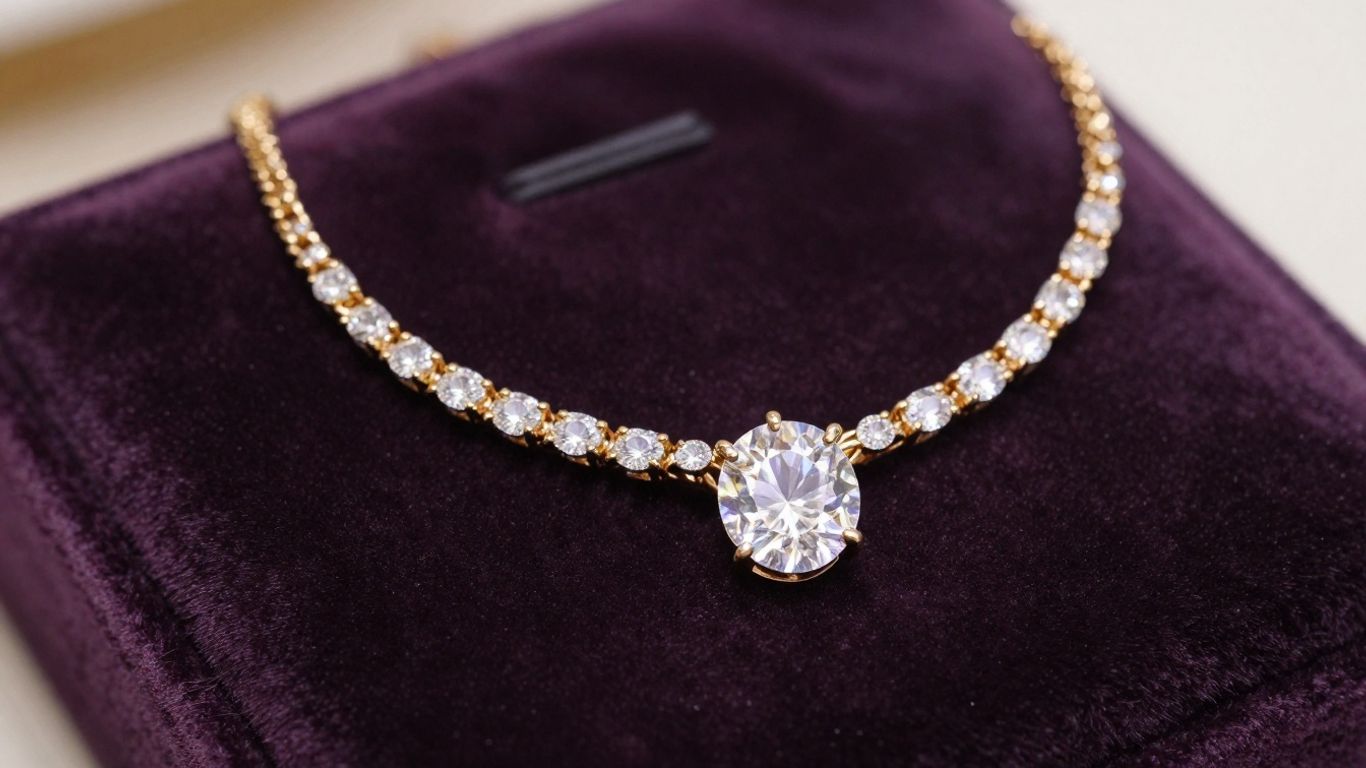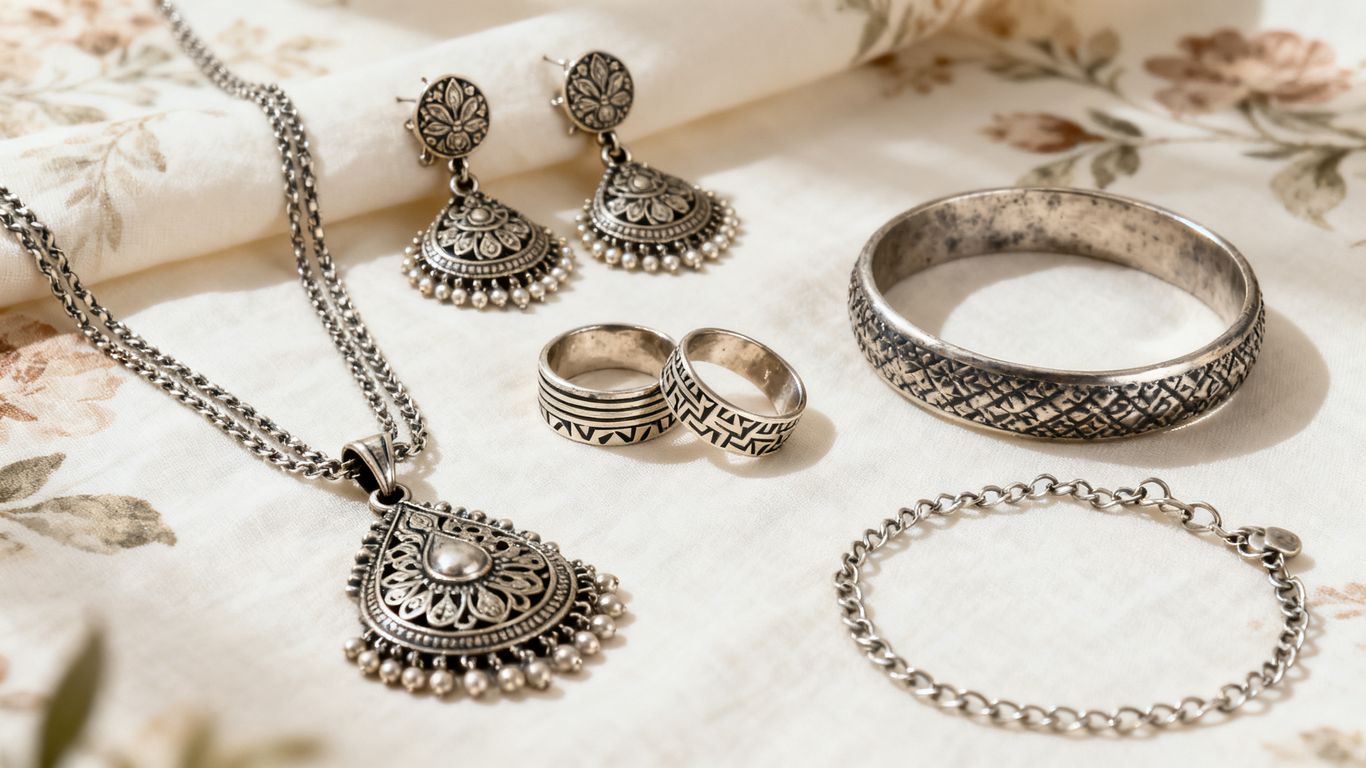
Zircon jewelry offers clear shine, strong value, and wide design choice. Many buyers search for reliable platforms that offer certified stones, simple pricing, fast delivery, and fair return policies. This guide lists the best online stores to buy zircon jewelry in India with practical notes for each platform.
Use this list to compare prices, check quality, and find the right store for your budget and style.
Tanishq ranks high among stores to buy zircon jewelry in India. It offers a large catalogue of zircon rings, earrings, and pendants. You get clear product details and transparent pricing.
Why Tanishq works well
Clear product photos
Simple filtering
Dedicated customer support
Practical tip Check the product description for stone weight and metal purity. Tanishq states these details clearly, which helps you compare items.
2. Bluestone
Bluestone has a strong presence among online stores to buy zircon jewelry in India. It provides a home try on service in many cities.
Why Bluestone is a good pick
Detailed images
Easy financing options
Try at home in select locations
Practical tip Use the size guide for rings. Zircon settings need a perfect fit because loose rings may cause scratches.
3. CaratLane
CaratLane offers light and modern zircon designs. Their filtering system saves time when you want clear colour, specific shapes, or compact styles.
Why CaratLane suits zircon buyers
Modern designs
Strong customer reviews
Accurate delivery timelines
Practical tip Sort by “stone type” to avoid confusion with cubic zirconia. CaratLane lists natural zircon separately in most cases.
4. Voylla
Voylla offers budget focused zircon jewellery. You get large collections at simple prices. It attracts buyers who want fashionable pieces without high cost.
Why Voylla is useful
Wide catalogue
Frequent offers
Trend based designs
Practical tip Check user photos before buying. They show how zircon pieces look in real conditions.
5. Giva
Giva focuses on silver based jewellery with clean finishing. Their zircon pieces match fashion jewellery needs and work well for daily wear.
Why Giva stands out
Lightweight styles
Secure silver plating
Clear return policy
Practical tip Compare weights across items. Lighter designs sit well on sensitive skin.
6. PC Jeweller (PCJ)
PC Jeweller has a strong online presence and lists many zircon rings and earrings. Their platform provides certification on select items.
Why PCJ is a stable choice
Clear metal quality
Strong trust value
Good packaging
Practical tip Sort by “new arrivals” to see recent designs. PCJ updates this section regularly.
7. Melorra
Melorra targets modern buyers who want light jewellery for office and daily wear. Their zircon pieces have clean lines and simple styling.
Why Melorra is helpful
Very light items
Strong product filters
Fast shipping in many cities
Practical tip Check the product dimensions. Melorra often lists exact width and height, which helps you check scale before buying.
8. Mia by Tanishq
Mia offers small and stylish zircon jewellery aimed at young buyers. Prices stay moderate.
Why Mia works well
Compact styles
Simple pricing
Clear design categories
Practical tip Review metal purity for each item. Zircon shines more when paired with high quality metal.
9. Amazon India
Amazon offers a large range of zircon jewellery from multiple sellers. It works for buyers who want variety in one place. Prices change often and offer many options.
Why Amazon is useful
Wide variety
Verified seller ratings
Fast delivery options
Practical tip Check “fulfilled by Amazon” to reduce delivery issues. Also check user photos for real appearance.
10. Ajio
Ajio lists many fashion focused zircon jewellery pieces at budget prices. Designs often follow current fashion trends.
Why Ajio appears in this list
Clear product photos
Good size range
Easy return window
Practical tip Compare items across sellers. Some designs have small changes in stone size or metal finish.
How to Choose a Trusted Online Store for Zircon Jewelry
Use these steps to select the right store when searching for the best online stores to buy zircon jewelry in India.
1. Check clear product photos
Avoid stores that show blurred or over-edited images. Clear photos help confirm stone colour and clarity.
2. Review return and exchange policies
A safe return policy protects you from sizing errors or mismatched colours.
3. Look for stone details
Check if the website mentions:
Stone type
Stone weight
Stone colour
Metal purity
If the listing does not mention these points, skip the item.
4. Compare prices across platforms
Zircon prices vary widely. Compare prices on at least three stores before buying.
5. Check customer reviews
User reviews reveal finishing quality, stone shine, and metal tone.
6. Avoid confusion with cubic zirconia
Many stores sell cubic zirconia. Look for “natural zircon”, “jarkan”, or “blue zircon” to filter the right pieces.
Types of Zircon Jewelry You Can Buy Online
Here are the most common zircon jewellery categories available on leading platforms.
1. Rings
Zircon rings are popular due to clear shine. They work well as everyday rings or party wear.
2. Earrings
Zircon studs and drops offer strong light performance. They suit both traditional and western outfits.
3. Pendants
Zircon pendants keep a clean look and work well on thin chains.
4. Bracelet designs
Many stores list lightweight zircon bracelets in silver and gold finish.
5. Fashion sets
Some platforms offer matching sets with zircon earrings and pendants.
Price Range for Zircon Jewelry in India
Prices vary based on metal, stone size, and design style.
Here is a simple guide.
Budget range: ₹300 to ₹2,000
Mid range: ₹2,000 to ₹10,000
Higher range: ₹10,000 to ₹50,000
Premium range: Above ₹50,000
Fashion jewellery stores usually sit in the budget and mid categories.
Care Tips for Zircon Jewelry
Zircon jewellery needs simple care. You can follow these steps.
Clean with mild soap and warm water
Dry with a soft cloth
Store pieces in soft pouches
Keep items away from harsh chemicals
Avoid knocking the stone on hard surfaces
Which Store Should You Choose
The best platform depends on your needs.
Choose Tanishq, Bluestone, or CaratLane for higher quality
Choose Giva, Voylla, or Ajio for fashion focused designs
Choose Amazon for wide variety
Choose Melorra or Mia for modern and light pieces
Check prices, return policies, and real customer reviews before you buy.
FAQs
Which is the best online store to buy zircon jewelry in India?
Top stores include Tanishq, Bluestone, CaratLane, Voylla, Giva, PC Jeweller, Melorra, Mia, Amazon India, and Ajio. These stores offer clear prices, wide designs, and reliable delivery.
Are zircon jewelry pieces good for daily wear?
Yes. Zircon jewelry suits daily wear with basic care. Keep it away from chemicals and store it in soft pouches.
What should I check before buying zircon jewelry online?
Check product photos, stone type, metal purity, return policy, and customer reviews. Confirm that the item lists natural zircon and not cubic zirconia.
How much does zircon jewelry cost in India?
Zircon jewelry ranges from ₹300 to ₹50,000 and above. Prices depend on design, stone size, and metal quality.
Do all stores sell natural zircon?
No. Some stores list cubic zirconia. Look for terms such as natural zircon or jarkan to confirm the stone type.
Summary
The best online stores to buy zircon jewelry in India offer clear product details, clean design choices, and simple return options. This list covers both premium and budget stores, giving you many choices across styles and price points.
Jewellery in India is not just an accessory – it’s a cultural symbol, an investment and an expression of personal style. With so many players in the market, choosing a reliable jewellery brand is crucial. Whether you’re looking for gold, diamonds or traditional pieces, this comprehensive list of top jewellery brands in India will help you make an informed decision in 2025.
1. Tanishq (A Tata Product)
Why It’s Special:
Tanishq from the house of Tata is known for trust, purity and design innovation. With BIS hallmarked gold and internationally certified diamonds, Tanishq leads in quality and customer service.
Why It’s Special: With over 320 showrooms globally, Malabar is one of the largest jewellery retailers in the world. Their transparent pricing and wide variety caters to all tastes.
Unique Features:
Fair price policy
Exclusive bridal collections
Ethical sourcing initiatives
Headquarters: Kozhikode, Kerala Website: https://www.malabargoldanddiamonds.com
3. Kalyan Jewellers
Why It’s Special: With deep roots in tradition and over 150 showrooms across India and Middle East, Kalyan is a household name for wedding jewellery.
Strengths:
Regional heritage collections
Celebrity brand ambassadors
Gold insurance and buyback offers
Headquarters: Thrissur, Kerala Website: https://www.kalyanjewellers.net
4. PC Jeweller
Why It’s Special: PC Jeweller has grown fast with its mix of traditional and contemporary jewellery. It offers lifetime return policy and free jewellery insurance on selected items.
USP:
Customization options
Trusted for wedding and festival shopping
Pan India presence
Headquarters: New Delhi Website: https://www.pcjeweller.com
5. Joyalukkas
Why It’s Special: Joyalukkas has a global presence serving over 10 million customers across 11 countries. It’s one of the few Indian jewellers with ISO 9001:2008 certification.
Popular For:
Temple jewellery
Diamond bangles and earrings
Festive and bridal designs
Headquarters: Thrissur, Kerala Website: https://www.joyalukkas.in
6. Senco Gold & Diamonds
Why It’s Special: With roots in Bengal craftsmanship, Senco combines heritage with affordability. Their D’Signia and Everlite collections offer trendy and lightweight options.
Why It’s Special: CaratLane revolutionized online jewellery shopping in India. It combines the convenience of e-commerce with quality assurance from Tanishq.
Highlights:
Try-at-home service
Budget friendly options
Strong digital presence
Headquarters: Chennai Website: https://www.caratlane.com
9. Bluestone
Why It’s Special: Bluestone offers modern and daily wear jewellery with flexible purchase plans. They’re perfect for millennials.
Dreaming of a career surrounded by sparkle and design? A career in jewellery design might be just the thing for you. It’s a field where creativity meets craftsmanship, turning raw materials into wearable art. This guide will walk you through what it takes to make your mark in the dazzling world of jewellery.
Key Takeaways
A career in jewellery design blends artistic flair with technical skill, focusing on creating beautiful adornments.
Success in this field requires a keen eye for detail, creativity, and a genuine passion for aesthetics and how things are made.
Formal education, building a strong portfolio, and gaining practical experience are vital steps to becoming a jewellery designer.
Various roles exist, from designing and crafting to appraising and managing jewellery stores.
Staying updated with trends and continuously learning are important for a thriving career in jewellery design.
So, what exactly is jewellery design? At its heart, it’s the art and science of creating adornments, from simple rings to elaborate necklaces. It’s about taking raw materials like metals and gemstones and transforming them into wearable pieces of art. A jewellery designer is someone who conceptualizes and creates these pieces, often blending artistic vision with technical skill. This isn’t just about making things look pretty, though. It involves understanding how different materials behave, how to work with them safely and effectively, and how to make sure the final product is both beautiful and durable.
Think about your favorite piece of jewelry. What makes it special? Is it the unique shape, the way the stones are set, or the overall feel of it? That’s the designer’s touch at work. They consider everything from the initial sketch to the final polish. This field requires a blend of creativity, a good eye for detail, and a solid grasp of the practicalities involved in making jewelry. It’s a profession that allows you to work with stunning materials and bring imaginative ideas to life. If you’re fascinated by how things are made and have a knack for aesthetics, this could be your path. You can explore various courses in jewelry design to get a better sense of the training involved.
Jewellery design can be broken down into a few key areas:
Conceptualization: Coming up with the initial idea for a piece, sketching it out, and refining the design.
Material Selection: Choosing the right metals, gemstones, and other components.
Technical Execution: Working with tools and techniques to actually create the piece, whether by hand or using computer-aided design (CAD) software.
Finishing: Polishing, setting stones, and ensuring the piece is ready for wear.
It’s a field where you can really express yourself and create something tangible that people will cherish. Learning about the different aspects of this craft is the first step towards a rewarding career. You can find more information on how to become a jewelry designer to understand the journey ahead.
Is a Jewellery Design Career Right for You?
So, you’re thinking about a career making shiny things? That’s awesome! But before you dive headfirst into a world of precious metals and sparkling gems, let’s figure out if this path is really your jam. It’s not just about liking pretty necklaces; it’s a whole different ballgame.
Passion for Aesthetics and Craftsmanship
Do you find yourself staring at a ring or a bracelet, not just admiring its beauty, but also wondering how it was put together? Do you appreciate the tiny details, the way a clasp works, or the specific cut of a stone? A genuine love for how things look and how they’re made is super important. It’s about more than just trends; it’s about understanding form, balance, and the sheer skill that goes into creating something beautiful and lasting. You’ll be spending hours sketching, refining, and maybe even getting your hands dirty with materials, so that deep appreciation for both the art and the craft has to be there.
Creativity and Innovation
This field is all about bringing new ideas to life. Can you look at a simple piece of metal and imagine it transformed into something unique? Are you constantly doodling new shapes or thinking of different ways to combine materials? The jewellery world is always changing, and designers need to stay ahead of the curve. You’ll need to be able to come up with fresh concepts that not only look good but also appeal to people. It’s a constant cycle of imagining, designing, and sometimes, even reinventing.
Attention to Detail
This is where things get serious. Jewellery design isn’t for the faint of heart when it comes to precision. We’re talking about working with tiny components, intricate settings, and materials that can be unforgiving. A single slip of the hand can ruin hours of work. You need to be someone who notices the little things – the perfect polish, the exact placement of a stone, the smooth finish of a chain. It requires patience and a steady hand. Think about it: even the smallest imperfection can be glaringly obvious on a piece of jewellery. You’ll be working with tools that require a lot of control, and your ability to focus on these minute details will make or break your designs. It’s a skill that gets honed over time, but a natural inclination towards precision is a huge plus. You might even find yourself looking at existing pieces and thinking about how they could be improved, down to the smallest element. This meticulous approach is what separates a good designer from a great one, and it’s something you’ll need to cultivate if you want to succeed in making beautiful jewellery.
“Being a jewellery designer means you’re not just an artist; you’re also a problem-solver and a craftsperson. You’ll need to balance your creative vision with the practicalities of making the piece, considering everything from material costs to wearability. It’s a blend of imagination and technical know-how that makes the magic happen.“
The Path to Becoming a Jewellery Designer
So, you’re thinking about a career making shiny things? Awesome. But how do you actually get there? It’s not just about doodling pretty necklaces, though that’s a good start. Becoming a jewellery designer involves a few key steps, and it’s good to know what you’re getting into.
Education and Training
First off, you’ll want some formal jewellery design education. While some folks learn on the job, a structured course gives you a solid foundation. Think of it like learning to cook; you can wing it, but knowing techniques makes a big difference. Many institutes offer programs that cover everything from the basics of metals and stones to advanced design software. These courses often blend theory with hands-on practice, which is super important.
Formal Courses: Look into Bachelor’s degrees (like a B.Des or BA in Jewelry Design) or diploma programs. These usually cover gemology, metalworking, and computer-aided design (CAD).
Workshops and Short Courses: If a full degree isn’t feasible, shorter workshops can still teach you specific skills, like stone setting or wax carving.
Apprenticeships: Learning directly from an experienced jeweler can provide invaluable practical knowledge. This is a great way to understand the day-to-day realities of the craft.
“Getting professional training isn’t just about learning skills; it’s about building confidence and understanding the industry. It helps you know what materials work best and how to actually make your designs a reality.“
Building a Portfolio
Once you’ve got some skills, you need to show them off. Your portfolio is your visual resume. It’s where you showcase your best work, demonstrating your style, technical ability, and creativity. This is what potential employers or clients will look at. Make sure it includes a variety of pieces, from sketches to finished products. If you’re taking a course, your projects will be a great starting point for this.
Gaining Experience
Education and a portfolio are great, but real-world experience is where you really learn how to become a jewellery designer. This could mean:
Internships: Working with established designers or brands gives you insight into the professional workflow.
Entry-Level Positions: Starting as a design assistant or even in a production role can teach you a lot about the business side and manufacturing processes.
Freelancing: Taking on small projects for friends, family, or local clients helps you build experience and get feedback. You might even find yourself designing custom pieces for special occasions, which can be really rewarding.
Don’t be afraid to start small. Every bit of experience helps you refine your skills and understand what you enjoy most about designing. You might even find yourself looking at buying jewelry online with a new appreciation for the craftsmanship involved.
Types of Jewellery Design Roles
#image_title
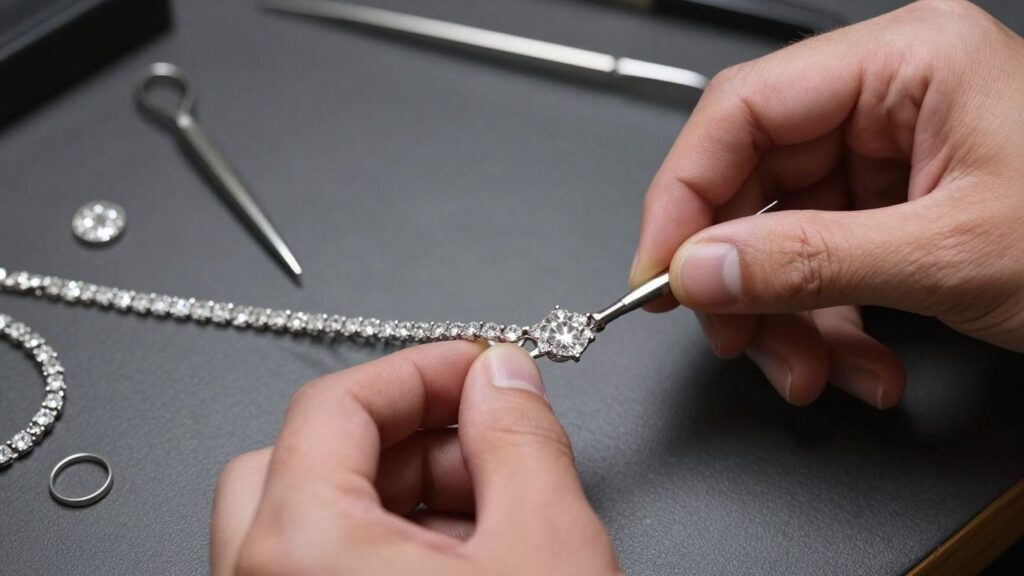
So, you’re thinking about a career in jewellery design? That’s awesome! It’s not just about sketching pretty things, though. There are actually quite a few different paths you can take within this field, each with its own focus. You’ve got your classic Jewellery Designer, who’s all about creating new concepts and bringing them to life, often working with brands or for manufacturers to develop collections. Then there’s the Bench Jeweler, sometimes called a goldsmith. These folks are the hands-on craftspeople who actually build the pieces, setting stones, polishing metal, and doing all the intricate work. They’re the ones who turn a design into something tangible.
Beyond the direct creation, you also find roles like CAD Jewellery Designers. They use specialized software to create 3D models of jewelry, which can then be used for manufacturing. This is a big one these days, blending artistic vision with technical skill. You might also encounter roles focused on quality assurance, making sure every piece meets high standards, or even roles in sales and customer service where your design knowledge helps clients find or create the perfect piece. It’s a diverse field, offering plenty of creative jobs in fashion for people with different talents.
Here’s a quick look at some common roles:
Jewellery Designer: Conceptualizes and creates new jewelry designs.
Bench Jeweler/Goldsmith: Crafts, assembles, and repairs jewelry pieces.
CAD Jewellery Designer: Uses computer software to create 3D models for jewelry.
Quality Assurance Technician: Inspects jewelry for defects and ensures it meets standards.
Jewellery Sales Professional: Assists customers in selecting or designing jewelry.
“The jewellery industry is more than just the final sparkle; it’s a whole ecosystem of skills and talents working together. From the initial spark of an idea to the final polish, each role plays a part in bringing beautiful adornments into the world. It’s a field where artistry meets meticulous craftsmanship.“
The Future of Jewellery Design
The world of jewelry design is always changing, and the future looks pretty exciting. We’re seeing a big push towards designs that tell a story, kind of like personal narratives you can wear. Think pieces that reflect your unique journey or significant life moments. This trend is all about making jewelry more meaningful.
Another thing to watch is the blend of old and new. Vintage styles are making a comeback, but with a fresh, modern spin. So, you might see classic filigree patterns on a contemporary cuff or Art Deco influences in a minimalist pendant. It’s about respecting tradition while keeping things current.
We’re also going to see more organic and sculptural shapes. Designers are playing with flowing lines and interesting forms, moving away from just geometric patterns. This gives jewelry a more artistic, almost free-flowing feel.
And get this: maximalism is on the rise! People are ready for bolder, statement-making pieces. It’s not just about subtle elegance anymore; it’s about expressing yourself with eye-catching designs. This shift means designers need to be bold and innovative.
Here’s a quick look at what’s shaping up:
Personal Storytelling: Jewelry as a way to share your life.
Vintage Revival: Old aesthetics meet new design.
Organic Forms: Flowing, sculptural shapes take center stage.
Maximalist Appeal: Bold, statement pieces are in.
Technology is also playing a bigger role. Computer-Aided Design (CAD) software is becoming standard, allowing for incredibly intricate details and rapid prototyping. 3D printing is opening up new possibilities for complex structures that were once impossible to create. This tech integration means designers can bring even more ambitious ideas to life, pushing the boundaries of what’s possible in jewelry creation. It’s a really interesting time to be getting into this field, especially with how fast things are moving in the jewelry market.
“The future isn’t just about new styles; it’s about how jewelry connects with people on a deeper level. It’s about sustainability, ethical sourcing, and creating pieces that not only look good but also feel good to own and wear. Designers who can balance creativity with these values will really stand out.“
Tips for Aspiring Jewellery Designers
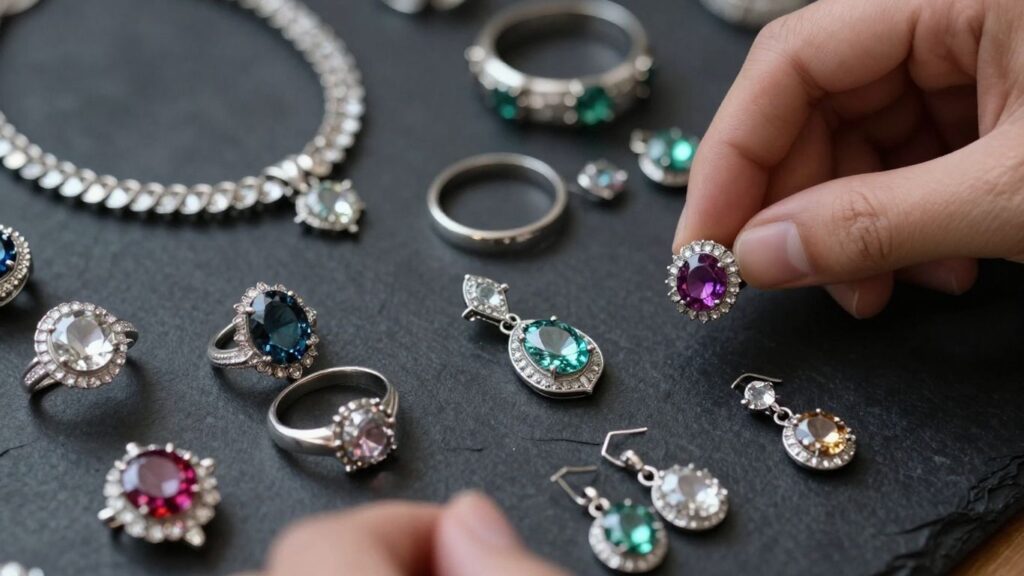
#image_title
So, you’re thinking about a career making shiny things? That’s awesome. It’s a field that really rewards creativity and a good eye for detail. If you’re serious about this, here are a few things to keep in mind.
First off, get your hands dirty. Seriously, the more you practice, the better you’ll get. Try sketching out designs, even if they’re just doodles. Then, try to actually make them. You don’t need fancy tools to start; even basic pliers and wire can teach you a lot about how metal behaves. Learning about gemstone cutting and setting is also a big plus, as it’s a core skill many designers need. Don’t be afraid to experiment with different materials and techniques. You might discover something totally new.
Here’s a quick rundown of things to focus on:
Master the basics: Understand different metals, their properties, and how to work with them. Learn about common gemstones, their cuts, and how they’re set.
Build a solid portfolio: This is your visual resume. Include your best work, showing a range of styles and techniques. Make sure your photos are clear and professional.
Network like crazy: Go to industry events, connect with other designers, jewelers, and even suppliers. You never know where your next opportunity will come from.
Stay current: Keep up with fashion trends, new technologies, and what’s happening in the art world. Inspiration can come from anywhere.
Don’t be discouraged if your first few attempts aren’t perfect. Every designer started somewhere. The key is persistence and a genuine love for what you do. If you’re thinking about starting a jewellery business down the line, these early steps are super important for building your foundation.
“Learning the craft takes time and patience. It’s not just about having a cool idea; it’s about knowing how to bring that idea to life in a way that’s both beautiful and durable. Think of it like learning a language – you start with simple words and sentences before you can write a novel.“
Consider taking courses or workshops to learn specific skills. Places like G.I.A. offer great programs that can really boost your knowledge and credibility. Getting some practical experience, maybe working at a small jewelry store, can also give you a real feel for the industry and what customers are looking for. Gain practical experience is invaluable.
Ready to Sparkle?
So, you’ve learned a bit about what it takes to make a career in jewelry design. It’s not just about pretty things, you know? There’s a lot of skill, learning, and hard work involved. Whether you dream of sketching out new styles, carefully setting stones, or helping customers find that perfect piece, there’s a spot for you. Getting the right training is a big step, and don’t forget to keep learning as you go. This industry is always changing, so staying curious and practicing your craft will really help you shine. Go ahead and take that first step – your dazzling future in jewelry awaits!
Frequently Asked Questions
What exactly does a jewelry designer do?
A jewelry designer is like an artist for shiny things! They dream up and sketch new ideas for jewelry, like necklaces, rings, and bracelets. They also figure out what materials to use, like gold, silver, or sparkly gems, and make sure the final piece looks amazing and is well-made.
Do I need a special degree to become a jewelry designer?
While not always a must for every job, getting training from a good design school really helps. These courses teach you about different gems, how to work with metals, and how to use design software. It’s like getting a special toolkit to help you create awesome jewelry.
What’s more important: creativity or technical skills?
It’s a bit of both! You need a big imagination to come up with cool designs, but you also need to know how to actually make them. This means understanding how metals bend, how gems are set, and maybe even how to use computers to help with designs. Both are super important!
How can I show off my jewelry design skills?
The best way is to build a portfolio. This is like a book or a digital collection of your best work. Include sketches, photos of pieces you’ve made, and maybe even 3D models if you’ve made them. This shows potential employers or clients what you can do.
What kind of jobs can I get after becoming a jewelry designer?
You could work for a big jewelry company designing new collections, create custom pieces for people who want something unique, or even design jewelry for movies or fashion shows. Some designers even start their own businesses!
Is it hard to get a job as a jewelry designer?
Like any career, it takes effort! You need to keep learning, practice your skills, and show off your best work. Networking with people in the jewelry world and getting some experience, maybe through an internship, can really help you land your dream job.