Tag: gold

  • Pastel Lehenga? Pretty Jewelry Picks!

    Pastel Lehenga? Pretty Jewelry Picks!

    Key Takeaways

    Pastel lehengas invite a lighter, more considered approach to bridal styling. The right jewelry adds definition without taking away the softness of the outfit.

    • Match jewelry scale to the lehenga’s embroidery and neckline.
    • Use Kundan, Polki, pearls, Meenakari, or diamonds according to the mood you want.
    • Choose warm gold for traditional richness and white metals for a cooler, modern finish.
    • Let one piece lead when the outfit already has heavy detail.
    • Check comfort, proportions, and lighting before finalizing your wedding jewelry.

    Why Jewelry Matters with a Pastel Lehenga

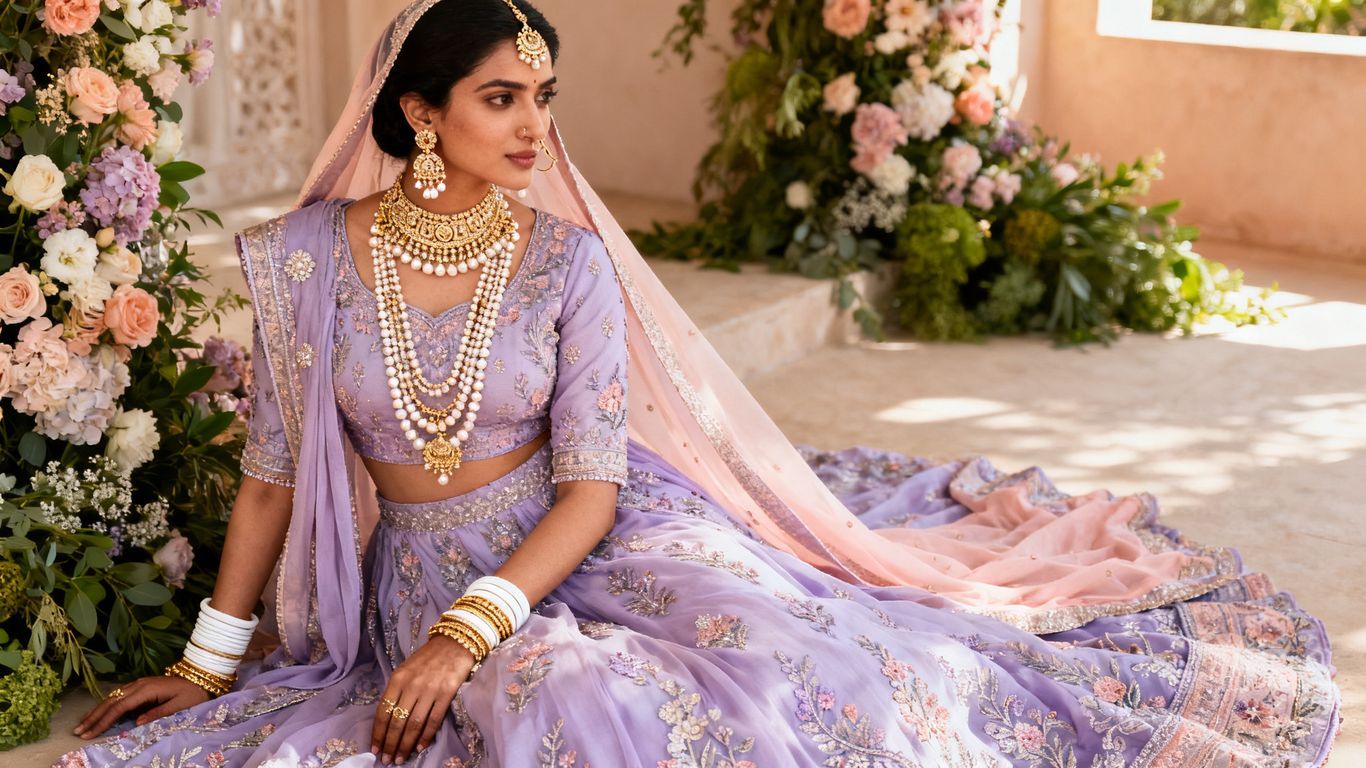
    A pastel lehenga has a naturally gentle presence, so jewelry helps bring structure to the look. It frames the face, draws attention to the neckline, and adds contrast against shades such as blush, mint, powder blue, lavender, peach, and ivory. The goal is not simply to wear more pieces, but to create a pleasing relationship between fabric, embellishment, skin tone, and metal.

    For many brides, jewelry also carries emotional and cultural meaning. A Kundan necklace may feel connected to family tradition, while delicate earrings or a pearl strand can suit a quieter, contemporary ceremony. When researching wedding jewelry for pastel outfits, start with the feeling you want the complete look to convey rather than choosing every piece separately.

    The most useful approach is to build the look around one anchor: perhaps a choker, a pair of earrings, a maang tikka, or a necklace set. BuyJewelleryOnline.net offers reviews and buying advice for online jewelry shoppers, which can be helpful when comparing styles, materials, and practical details before ordering. A little planning keeps the final arrangement graceful instead of crowded.

    Understanding Pastel Lehenga Aesthetics

    Pastel outfits can look romantic, airy, and refined, but they are not all styled in the same way. A heavily embroidered lehenga may need simpler jewelry, while a plain or lightly decorated one can support a stronger necklace or more noticeable earrings. Fabric finish matters too: velvet, silk, tulle, and satin each reflect light differently.

    The best jewelry for light color lehenga styling usually repeats one detail from the outfit without copying it exactly. That might mean picking up a muted pink stone, echoing a silver thread, or using a warm metal against a cool blue. These small connections make the ensemble feel intentional.

    The Softness of Pastels

    Pastels soften the visual effect of traditional bridal dressing, which makes delicate surfaces and controlled sparkle especially attractive. Pearls, pale stones, fine chains, and softly polished gold can preserve that feeling, while antique finishes add depth when the lehenga looks too pale on its own. For an ivory or blush outfit, even a modest necklace can provide definition around the collarbone.

    Consider the wedding setting as well. Daylight tends to reveal subtle color and texture, whereas evening lighting gives reflective stones and polished metal more presence. A bridal lehenga style guide can offer broader color-pairing ideas, but your final choice should still respond to your specific shade, embroidery, and neckline.
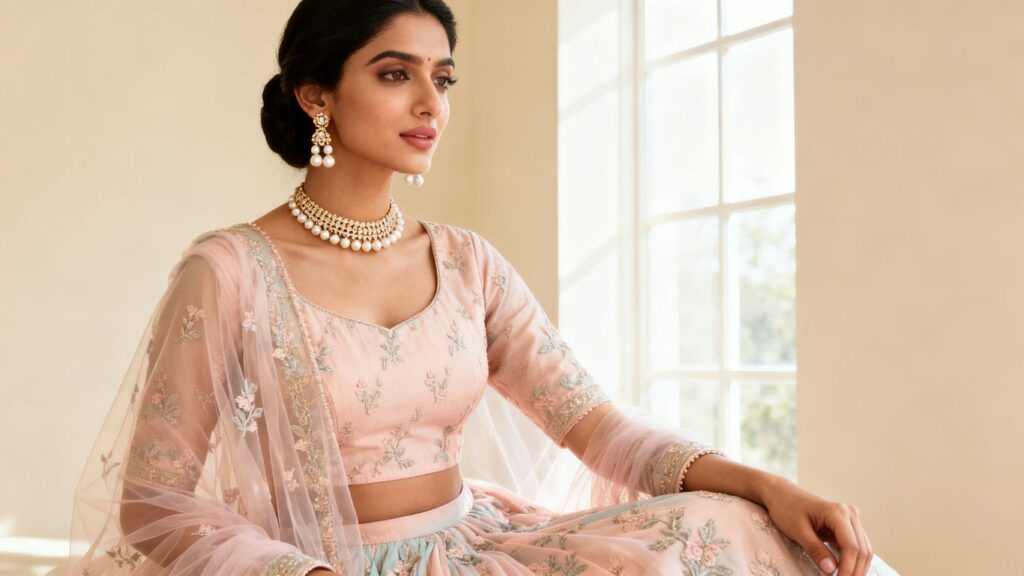
    Pastel bridal lehenga with delicate jewelry
    Pastel bridal lehenga with delicate jewelry

    Balancing the Look: When to Go Bold, When to Be Subtle

    The simplest rule is to compare the visual weight of the outfit with the visual weight of the jewelry. If the lehenga has sequins, dense threadwork, or a dramatic border, a statement earring with a restrained necklace may look more polished than a complete heavy set. If the outfit is clean and minimal, a layered necklace or ornate choker can become the feature that gives it personality.

    Use these checkpoints before choosing matching jewelry for lehenga styling:

    • A deep neckline can support a layered necklace or pendant.
    • A high neckline often works better with earrings and a maang tikka.
    • A detailed dupatta may call for smaller, lighter pieces near the face.
    • A simple blouse can carry a more expressive choker or collar.

    After deciding where the eye should land first, keep the remaining pieces supportive. This approach is particularly useful for brides who want photographs to show both the jewelry and the lehenga rather than one overpowering the other.

    Jewelry Styles That Complement Pastel Lehengas

    There is no single answer to the question of which jewelry suits a pastel bridal outfit. Traditional pieces can look fresh against pale colors, while modern styles can add clarity to a richly embellished lehenga. Think about finish, scale, and color before thinking about quantity.

    Earrings for bridal lehenga looks deserve special attention because they remain visible even when a dupatta covers part of the necklace. Chandelier earrings, jhumkas, studs, and drops can all work, but their length should suit the face shape, hairstyle, and blouse neckline. A coordinated set is useful, though mixing related textures can sometimes create a more relaxed and personal result.

    Kundan and Polki: Timeless Elegance

    Kundan and Polki bring traditional character to pastel clothing without requiring a bright or saturated color palette. Kundan’s polished stones can offer clean points of light, while Polki’s uncut diamond appearance has a softer, more organic surface. Both can pair well with blush, champagne, mint, and ivory when the scale matches the embroidery.

    For a clearer comparison, consider how each style behaves within the complete outfit:

    Jewelry styleVisual effectWorks well withBest styling approach
    KundanPolished and luminousBlush, peach, ivoryCoordinate with a neat choker or pendant
    PolkiTextured and heritage-inspiredChampagne, mint, pale pinkLet one substantial piece lead
    Kundan earringsDefined facial framingLightly embellished blousesPair with a restrained necklace
    Polki necklaceSoft, dimensional sparkleTraditional bridal embroideryRepeat its finish in smaller accents

    The table is a starting point rather than a strict formula. Necklace sets for weddings can help you browse coordinated proportions, but always compare the actual measurements with your blouse neckline and the amount of embroidery around it.

    Meenakari: A Splash of Color

    Meenakari is a lovely way to introduce color when the lehenga itself is intentionally muted. Look for enamel shades that sit beside the outfit rather than competing with it: soft green with peach, powder blue with rose, or a restrained pink against ivory. A small Meenakari detail in the earrings or pendant may be enough to connect the jewelry to the dupatta.

    Because enamel work can be visually lively, balance it with a quieter metal finish or a simpler silhouette. This is also a good choice for wedding jewelry for pastel outfits when you want a traditional note that feels less expected than an all-gold arrangement.

    Pearls: Classic and Delicate

    Pearls suit pastel lehengas because their gentle luster follows the softness of the palette. A short strand can keep a modern blouse looking clean, while layered pearls or pearl drops can add romance to a more traditional ensemble. They are especially graceful with ivory, pale blue, lavender, and blush.

    Choose the size carefully. Tiny pearls feel understated and youthful, while larger pearls become a stronger focal point and may need simpler earrings. Mixing pearls with small diamonds or a fine gold chain can also keep the look bridal without making it feel overly formal.

    Diamond Accents: Subtle Sparkle

    Diamond accents work best when you want light-catching detail without a strong color contrast. Small stones in earrings, a pendant, or a bracelet can brighten a pastel lehenga while allowing the embroidery to remain visible. For a heavily worked outfit, a clean diamond drop may be more effective than several competing statement pieces.

    Pay attention to the shape of the setting and the tone of the metal. A crisp white-metal setting gives a cooler, contemporary impression, whereas diamonds in yellow gold feel warmer and more traditional. A short video search for pastel bridal jewelry styling can also help you observe how different pieces move under ceremony and reception lighting.
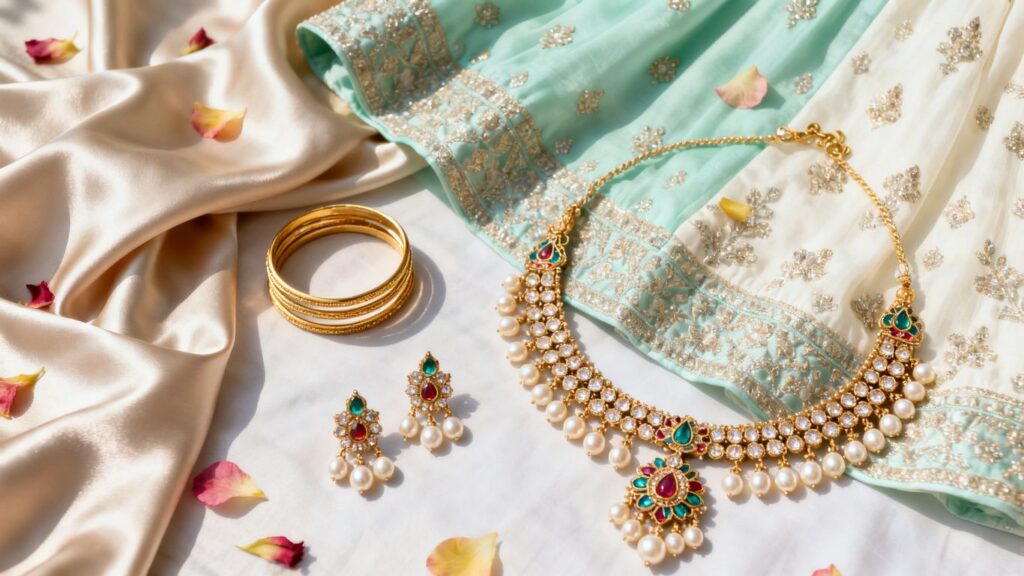
    Pastel lehenga jewelry flat lay with pearls and Kundan
    Pastel lehenga jewelry flat lay with pearls and Kundan

    Choosing the Right Metal for Your Pastel Lehenga Jewelry

    Metal changes the character of jewelry as much as stones do. Yellow gold warms a cool pastel and brings out the ceremonial richness of traditional pieces, while silver and white gold create a cleaner contrast. Rose gold can work beautifully with blush and peach, though it should be tested beside the exact fabric rather than judged from a photograph.

    When comparing jewelry for pastel bridal lehenga styling, place the pieces next to the lehenga in natural light. A metal that looks subtle in a showroom may become very bright under flash, and a pale fabric can reflect nearby tones onto the skin. Comfort, clasp quality, weight, and the return policy deserve attention alongside appearance.

    Gold Tones: Warmth and Tradition

    Yellow gold is a natural choice for brides who want the pastel palette to feel richer and more grounded. It creates pleasing contrast with mint, powder blue, lavender, and ivory, and it supports heritage styles such as Kundan, Polki, and traditional bangles. A softer antique finish can feel less stark than highly polished gold when the lehenga has delicate threadwork.

    Before settling on a gold-toned arrangement, check four practical details:

    • Compare the gold color with the lehenga’s embroidery in daylight.
    • Keep necklace, earrings, and bangles within a similar warmth level.
    • Match the scale of the set to the blouse and dupatta details.
    • Confirm weight and fastening comfort for long wedding events.

    These checks help the jewelry look coordinated from every angle. BuyJewelleryOnline.net provides jewelry reviews and buying advice, so its general guidance can be useful when you are assessing online listings rather than relying only on a styled product photograph.

    Silver and White Gold: Modern Chic

    Silver and white gold give pastel lehengas a cooler, more contemporary finish. They work particularly well with icy blue, lilac, pale grey, and crisp ivory, especially when the blouse has crystal, sequin, or silver-thread details. The effect can be sleek with diamonds, or more distinctive with pearls and carefully chosen colored stones.

    Avoid choosing a cool metal simply because the outfit is pale. Skin tone, lighting, embroidery, and personal taste still matter. Try the jewelry with your hairstyle and dupatta drape, since those elements can change how much metal is visible around the face and neckline.

    Conclusion

    Pastel lehengas leave room for jewelry to express tradition, softness, or modern restraint. Begin with the outfit’s color and detail, choose one focal piece, and let the metal and stones support that decision. With a thoughtful balance of proportion, comfort, and finish, your bridal jewelry can feel distinctive without overwhelming the gentle beauty of the lehenga.

    Frequently Asked Questions

    What jewelry looks best with a pastel bridal lehenga?

    Kundan, Polki, pearls, Meenakari, and diamond accents can all work well. Choose based on the lehenga’s embroidery, neckline, color temperature, and the level of formality you want.

    Can I wear gold with a pastel lehenga?

    Yes. Yellow gold adds warmth and traditional richness to pale colors, while antique or softer finishes can blend more gently with delicate embroidery.

    Is Polki suitable for a light-colored lehenga?

    Polki can look beautiful with ivory, blush, champagne, mint, and other light shades. Keep the rest of the jewelry controlled if the Polki necklace or choker is substantial.

    Are pearls a good choice for bridal jewelry?

    Pearls are a graceful option for brides who prefer a soft, classic finish. They can be worn alone or combined with small diamonds, gold, or white-metal details.

    What earrings should I wear with a pastel lehenga?

    Select earrings according to the hairstyle, neckline, and necklace. Drops, jhumkas, chandbalis, and studs can all work when their scale is balanced with the rest of the outfit.

    Should jewelry match the lehenga exactly?

    Exact matching is not necessary. Repeating one color, finish, or small design detail is usually enough to make the look feel connected while preserving contrast.

    How can I stop pastel bridal styling from looking too plain?

    Add definition through one focal jewelry piece, a contrasting metal, or a small accent color. Good lighting, thoughtful layering, and well-chosen earrings can create richness without adding excessive sparkle.
  • Real vs. Fake Bling: What’s the Diff?

    Real vs. Fake Bling: What’s the Diff?

    Key Takeaways

    Real jewellery is made with precious metals and genuine gemstones, while imitation jewellery uses affordable materials to recreate a similar look.

    • Real jewellery generally offers greater durability, longevity, and resale potential.
    • Imitation jewellery makes changing trends and statement styles more accessible.
    • Plating, stone setting, and finishing affect the quality of an imitation piece.
    • Hallmarks, certifications, and careful inspection help when learning how to tell fake gold.
    • The right choice depends on your budget, occasion, styling habits, and care routine.

    Understanding the Basics: What is Real Jewellery?

    Real jewellery usually contains precious metals or genuine gemstones, although quality and value can still vary widely within those categories. A gold ring, for example, may have different purity levels, while a natural gemstone can differ in colour, clarity, and treatment. The word “real” does not automatically mean flawless or exceptionally valuable. It means the central materials are not merely designed to imitate a precious alternative.

    Precious Metals: Gold, Silver, Platinum

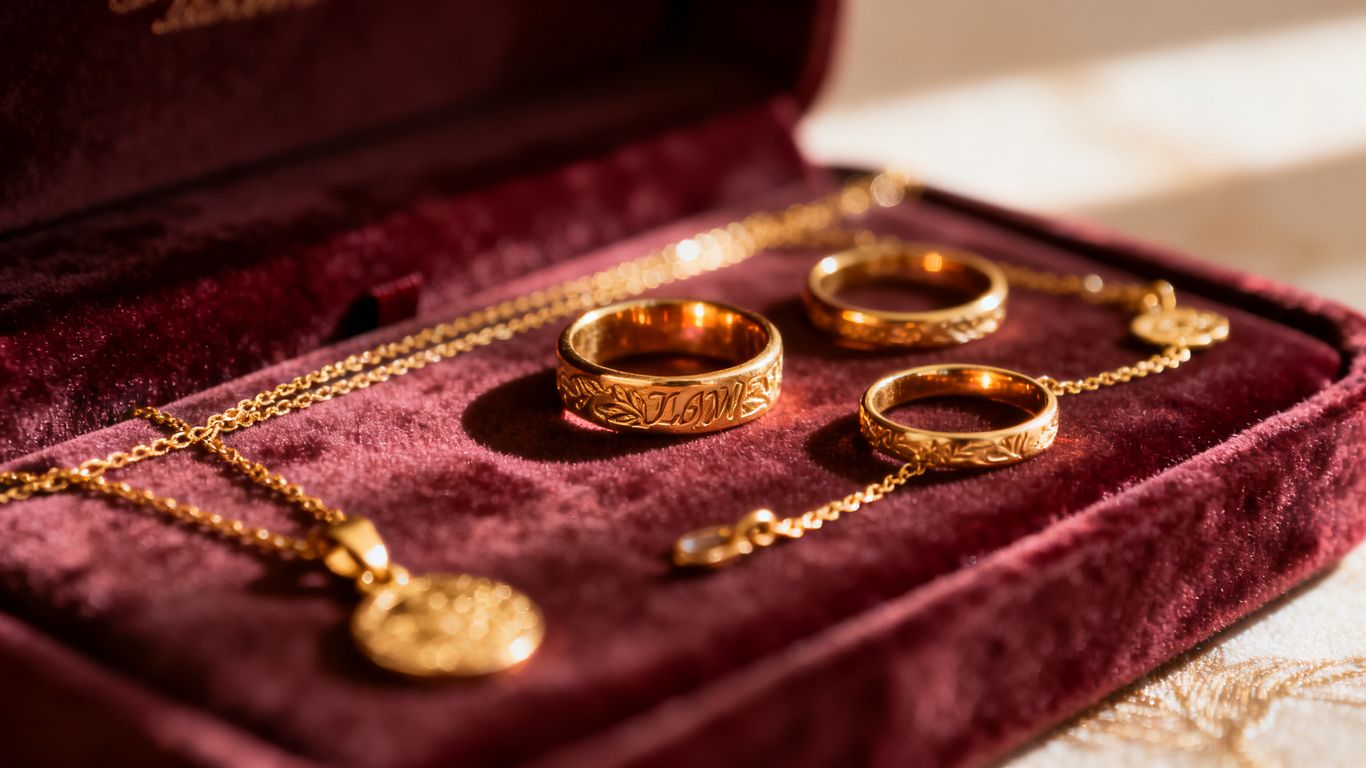
    Gold, silver, and platinum are the metals most commonly associated with fine jewellery. Gold is often mixed with other metals to make it harder and more practical for daily use; its purity is expressed in karats. Silver is bright and versatile but can tarnish, while platinum is dense, naturally white, and often chosen for pieces expected to withstand regular wear.

    When shopping, look for clear information about metal purity rather than relying only on colour or weight. A yellow finish can come from solid gold, gold plating, or a coloured alloy, so appearance alone is not enough. For readers comparing options in India and elsewhere, BuyJewelleryOnline.net provides reviews and buying advice that can help frame questions about materials, pricing, and care.

    Genuine Gemstones: Diamonds, Rubies, Emeralds

    Genuine diamonds, rubies, and emeralds form naturally, though some may receive treatments and many modern jewellery pieces use laboratory-grown stones. Their price depends on factors such as size, colour, clarity, cut, origin, and documented treatment. A genuine stone is therefore not defined by a single visual trait, and even experienced buyers may need professional assessment.

    Natural zircon is another gemstone worth distinguishing from cubic zirconia. It has its own colour range, sparkle, and care considerations, while cubic zirconia is a manufactured diamond lookalike commonly used in fashion pieces. A stone report from a reputable gem laboratory can provide more useful evidence than a seller’s description alone.

    The World of Imitation Jewellery

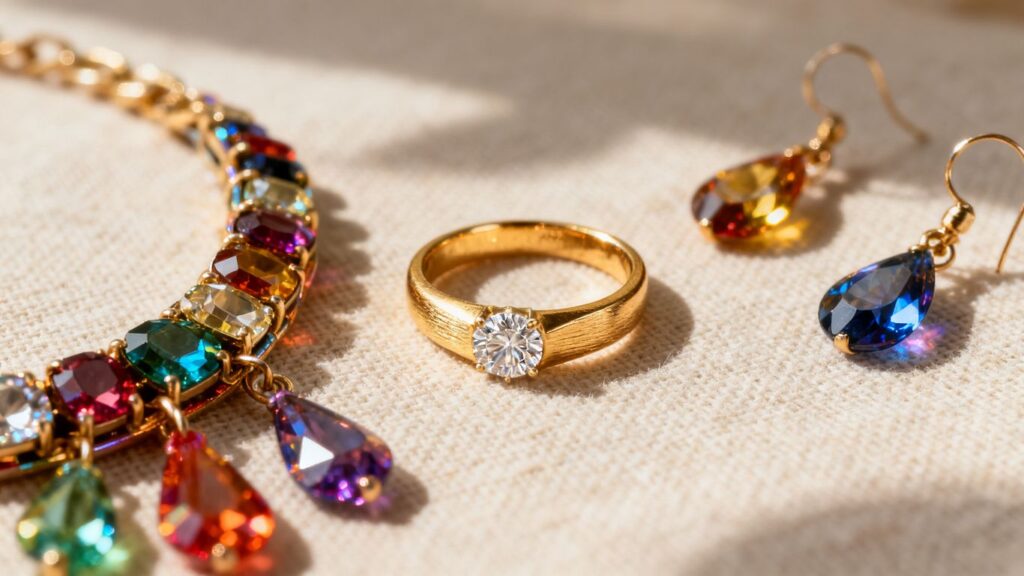
    Imitation jewellery is made to resemble fine jewellery, usually through affordable metals, synthetic stones, glass, or decorative finishes. Artificial vs imitation jewellery is a useful distinction: artificial jewellery is the broader category, while imitation jewellery specifically aims to copy the appearance of precious pieces. Both can be stylish choices, but neither should be assessed by shine alone.

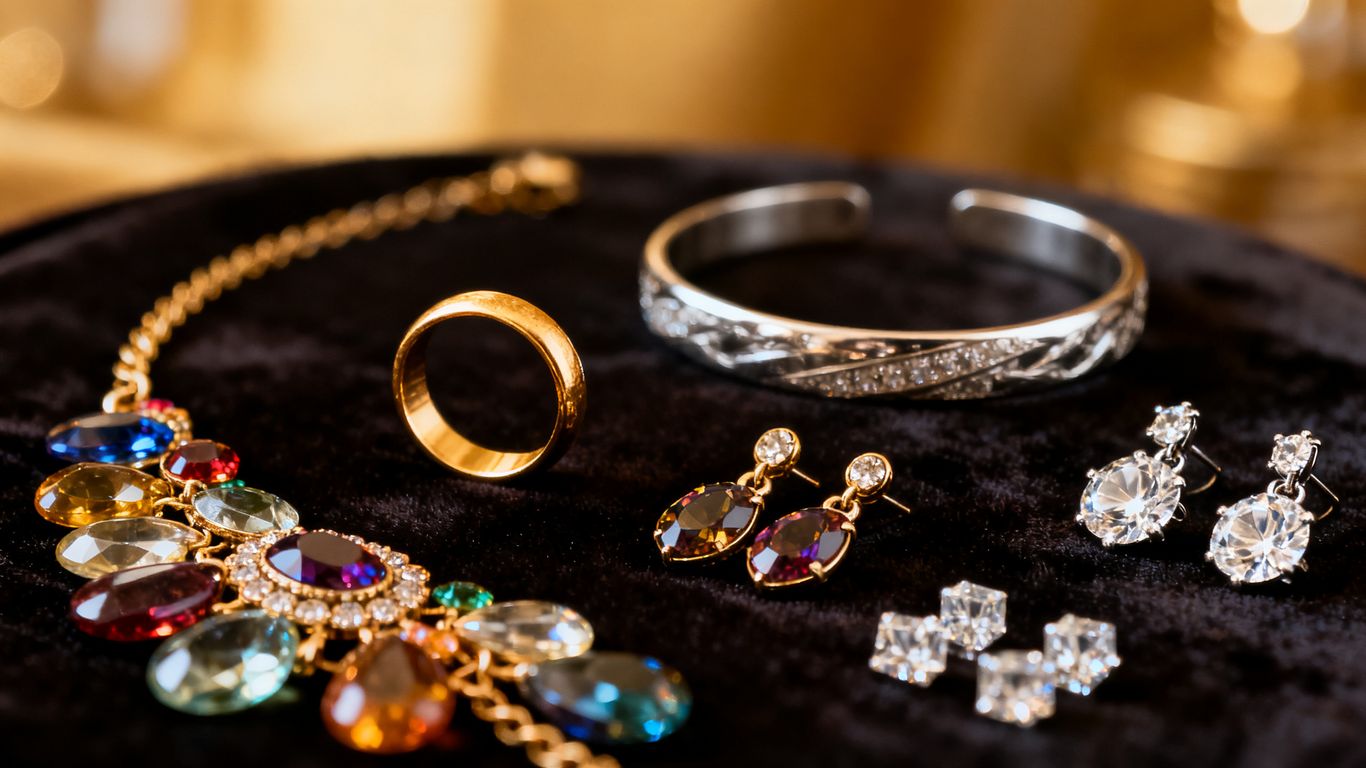
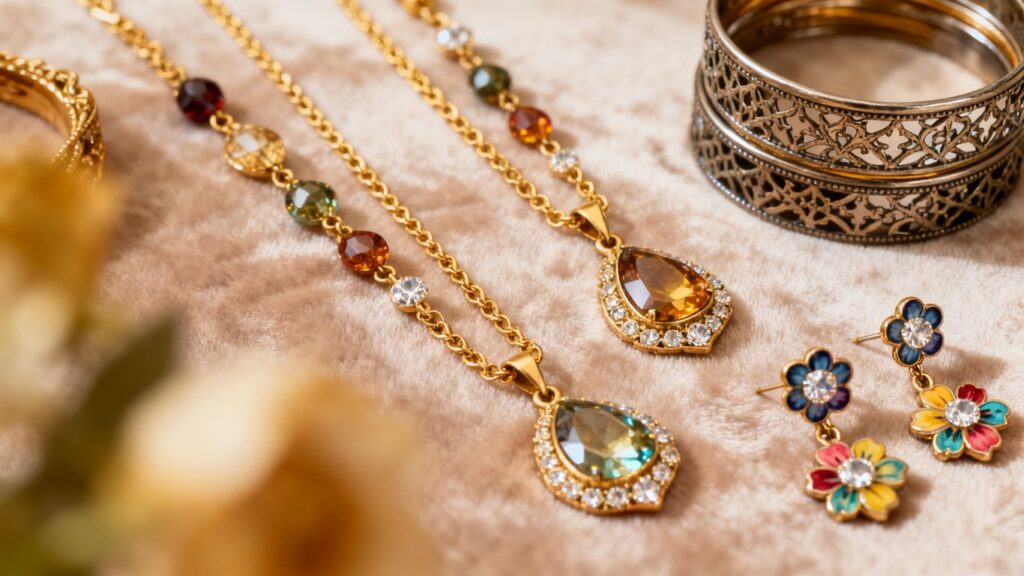
    Close-up of colourful imitation jewellery pieces
    Close-up of colourful imitation jewellery pieces

    The appeal is straightforward. A lower price can make it easier to try bold shapes, wear coordinated sets, or choose a different accessory for each outfit without treating every purchase as a long-term investment.

    Materials Used: Alloys, Glass, Cubic Zirconia

    Base metals such as brass, copper, stainless steel, and mixed alloys are common in fashion jewellery. Glass and synthetic stones can create colour and sparkle, while cubic zirconia is often cut to resemble a diamond. Beads, enamel, resin, and wood also appear in artificial designs that may be expressive without pretending to be fine jewellery.

    These choices are not automatically a sign of poor workmanship. The feel of the piece depends on the alloy, the accuracy of the setting, the smoothness of edges, and how securely components are joined. Anyone researching fashion jewelry materials should also check whether the item may cause skin irritation and whether the seller explains its care requirements.

    A useful starting point is this costume jewelry guide, which places base metals, glass, and decorative stones in the wider context of accessible jewellery. That context makes it easier to judge a piece for what it is, rather than comparing it unfairly with solid gold or natural gemstones.

    Plating and Finishes: The Illusion of Value

    Plating places a thin decorative layer over another material, creating the colour of gold, silver, or another finish at a lower cost. The result can look convincing when new, but the thickness of the plating, the quality of the base, and the way the item is worn all affect how long that appearance lasts. Polished surfaces, antique finishes, enamel, and textured details can also change how a piece catches the light.

    A well-finished imitation piece may look refined without having investment value. Check the clasp, back of the pendant, stone seats, and connecting points, since these areas often reveal whether production was careful. In discussions of replica jewelry quality, construction details usually tell you more than a dramatic product photograph.

    Key Differences: Durability and Longevity

    Fine jewellery generally handles repeated wear better because precious metals and securely set genuine stones can be repaired, polished, or restored. That does not make every real piece indestructible: gold can scratch, silver can tarnish, and gemstones can chip. Regular contact with perfume, sweat, chemicals, and rough surfaces affects all jewellery.

    Imitation jewellery tends to be more vulnerable to fading, tarnishing, loose stones, and surface wear, especially when plating is thin or the item is worn constantly. Moisture and friction can speed up these changes. Storing pieces separately, wiping them after use, and keeping them away from sprays can extend their attractive appearance.

    The difference is best understood as a matter of expected service and repairability, not as a simple divide between good and bad. Real jewellery may justify a higher price when you want a piece to pass through generations, while imitation jewellery may be perfectly sensible for occasional wear and fast-changing styles. BuyJewelleryOnline.net focuses on reviews and buying advice, which is useful when comparing care needs alongside appearance.

    Cost Comparison: Investment vs. Affordability

    The price of real jewellery reflects material value, craftsmanship, gemstone characteristics, labour, design, and sometimes brand or provenance. Precious metal prices can move over time, but a purchase is not automatically a profitable investment. Resale depends on purity, condition, demand, documentation, and the difference between a shop’s selling and buying prices.

    Imitation jewellery has a much lower material cost, so more of the price may relate to design, labour, finishing, packaging, and retail overhead. This makes it one of the most practical affordable jewelry alternatives for wedding guests, festival outfits, travel, and experimental styling. However, low price alone does not confirm good quality; two pieces with similar designs can differ in plating and construction.

    Here is a broad comparison rather than a promise of fixed pricing:

    FeatureReal jewelleryImitation jewellery
    Main materialsPrecious metals and genuine gemstonesAlloys, plating, glass, and synthetic stones
    Typical purposeLong-term ownership and special milestonesTrend-led styling and occasional wear
    Repair potentialOften polishable, repairable, or resettableUsually more limited and material-dependent
    Resale potentialMay retain some material or market valueUsually limited once worn or damaged

    The practical choice comes down to what you want the purchase to do. BuyJewelleryOnline.net offers buying advice and reviews for shoppers weighing fashion, budget, and long-term value rather than treating every jewellery purchase as an investment.

    Gold ring beside colourful fashion jewellery
    Gold ring beside colourful fashion jewellery

    Identifying Real vs. Fake: Tips and Tricks

    No single home test can prove that a piece is genuine, and some popular tests can scratch or damage jewellery. A careful buyer combines seller information, physical markings, construction clues, and independent documentation. When a purchase is expensive, professional testing is safer than relying on an internet trick.

    Hallmarks and Certifications

    Hallmarks can indicate metal purity, a maker, or an official testing standard, depending on the country. They should be small, clear, and consistent with the seller’s description, but a stamp by itself is not absolute proof because counterfeit marks exist. For diamonds and other valuable gemstones, an independent laboratory report can describe characteristics that are difficult to judge by eye.

    Ask for an invoice that states the metal type, purity, stone details, weight, and treatment information where relevant. If the seller avoids basic questions or offers a price that seems disconnected from the material, pause before buying. BuyJewelleryOnline.net provides reviews and buying advice, but the final verification of a high-value item should come from recognised testing or appraisal services.

    Visual and Tactile Clues

    Colour that looks unnaturally uniform, rough edges, weak clasps, uneven plating, and poorly aligned stones can suggest rushed construction. Yet polished imitation pieces may avoid many of these clues, and genuine jewellery can also show wear or imperfect handmade details. Use these observations to raise questions, not to make a definitive diagnosis.

    A simple inspection routine is more reliable than a quick glance:

    • Check the description for metal purity and stone details.
    • Inspect clasps, solder points, backs, and prongs under good light.
    • Compare the item’s weight and finish with the seller’s stated materials.
    • Look for a clear return policy and an itemised invoice.

    After that check, consider whether the evidence matches the price and the setting in which you plan to wear it. The imitation and artificial jewellery comparison also helps clarify why a non-precious piece can copy a fine-jewellery look without being made from the same materials.

    When to Choose Which: Occasion and Style

    Real jewellery makes sense for milestones, heirlooms, engagement pieces, and purchases where material value or long-term repair matters. It can also carry cultural meaning, particularly when gold is given for weddings, festivals, or family occasions. Choose based on verified purity and a design you will genuinely wear, not only on the promise of future appreciation.

    Imitation jewellery suits occasions where variety matters more than permanence. A statement necklace for a single celebration, colourful earrings for a seasonal wardrobe, or a coordinated set for a costume can all be sensible choices. The comparison of costume jewelry vs fine jewelry is really a comparison of purpose: expressive and accessible styling on one side, enduring material value and longevity on the other.

    Think about comfort, frequency of wear, storage, and exposure to water before deciding. If you change accessories often, affordable pieces may offer more creative freedom; if you want one dependable item for years, real jewellery may be the better fit. Shopping online also calls for careful photos, material descriptions, reviews, and return terms, especially when the finish may be difficult to judge on a screen.

    Conclusion

    Real and imitation jewellery serve different needs, and neither choice is automatically right for every buyer. Learn what the materials are, inspect the finish, check documentation, and match the piece to the occasion and your care habits. With that approach, you can enjoy genuine jewellery for its lasting value and imitation designs for their accessible, flexible style.

    Frequently Asked Questions

    Is artificial jewellery the same as imitation jewellery?

    Not exactly. Artificial jewellery is a broad term for pieces made without precious materials, while imitation jewellery specifically refers to designs intended to resemble fine jewellery.

    Is imitation jewellery real jewellery?

    Imitation jewellery is real as a physical product, but it is not fine jewellery made primarily from precious metals and genuine gemstones. It is designed to provide a similar appearance at a lower cost.

    How long does imitation jewellery last?

    Its lifespan depends on the base material, plating, construction, frequency of wear, and exposure to moisture or chemicals. Careful storage and gentle cleaning can help preserve its finish.

    Can imitation jewellery cause skin irritation?

    It can, particularly when a wearer is sensitive to certain base metals or when plating has worn away. Check the material description and stop wearing a piece if irritation develops.

    What is the easiest way to tell fake gold?

    Look for reliable purity information, appropriate hallmarks, a detailed invoice, and professional testing when the value is significant. Colour and home tests alone cannot establish authenticity with certainty.

    Is real jewellery always a good investment?

    No. Value and resale depend on purity, condition, design, gemstone characteristics, documentation, demand, and market conditions. A purchase should not be treated as an investment without researching those factors.

    How should imitation jewellery be stored?

    Keep pieces dry, wipe them gently after wear, store them separately to reduce scratches, and avoid perfume, lotions, and household chemicals. A soft-lined box or pouch can help protect the finish.

  • Sparkle Up Your Gold: Easy Home Cleaning Tips

    Sparkle Up Your Gold: Easy Home Cleaning Tips

    Key Takeaways

    Regular care is essential for maintaining the lasting beauty of your gold pieces in the comfort of your own home.

    • Use only mild soaps to prevent chemical damage.
    • Gentle manual scrubbing removes daily buildup.
    • Storage solutions like an appropriate jewelry box prevent accumulation.
    • Cleaning frequency depends on your daily wear patterns.
    • Professional checks are recommended for complex settings.

    Why Cleaning Your Gold Jewelry Matters

    Keeping your precious items in peak condition is more than just an aesthetic preference; it is a vital part of caring for your personal investments. Throughout the day, gold accessories interact with environmental pollutants, skin oils, lotions, and perspiration that gradually create a dull, filmy layer. Without intervention, this thin film can obscure the natural luster that makes gold pieces so visually captivating to the wearer.

    Addressing this buildup is crucial because neglect can eventually lead to more significant issues such as surface tarnishing or microscopic corrosion. When you learn how to clean gold jewelry at home, you actively protect the structural integrity of your items. Regular maintenance ensures that your gold remains bright, preserving its market value and sentimental importance for future generations to enjoy.

    Furthermore, investing a little time in maintenance allows you to inspect your items closely for any potential damage. Whether you use a luxury jewelry box or a simple pouch, having clean pieces prevents the transfer of accumulated dirt to other jewelry during storage. If you prioritize consistent care, you will find that your favorite necklaces, rings, and earrings retain their original sparkle far longer.

    Gather Your Cleaning Supplies

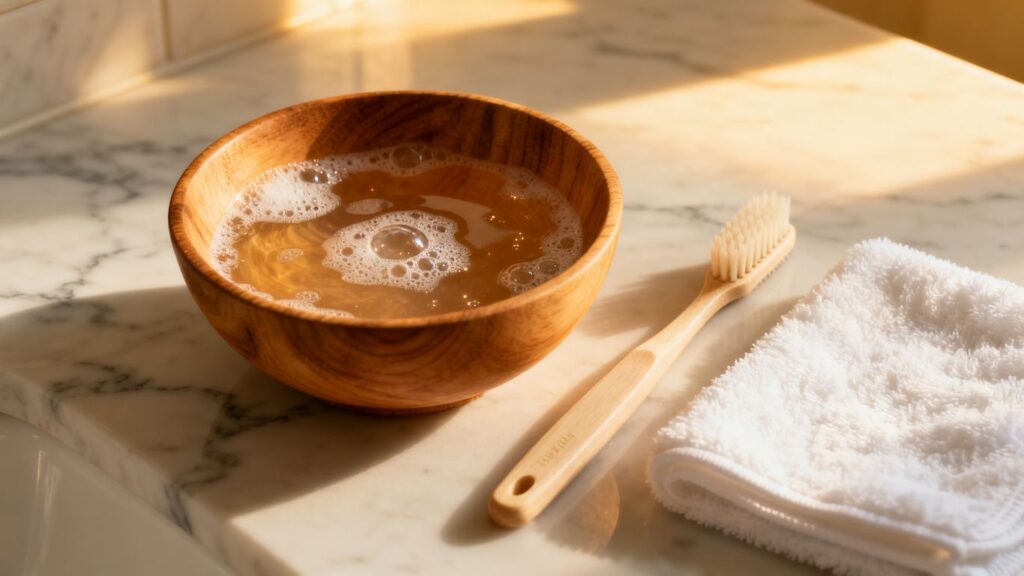
    Essential items for DIY cleaning
    #image_title

    Gentle Soap or Detergent

    Choosing the right cleaning agent is the most critical step in your process, as harsh chemicals can ruin the finish of delicate pieces. A few drops of mild dish soap mixed into your container will effectively lift away oils and debris without stripping the metal of its natural properties. It is essential to avoid using heavy-duty cleansers, as these often contain abrasive ingredients that can scratch gold surfaces over time.

    Warm Water

    Pure warm water serves as the gentle foundation for your cleaning solution, providing the necessary temperature to soften stubborn grime. You want to ensure the water is lukewarm to the touch rather than boiling, which protects delicate gemstones or fragile settings from thermal shock. Once mixed with your soap, this solution creates a safe, bubbling bath that penetrates hard-to-reach areas of your jewelry.

    Soft Brush (like a toothbrush)

    Having a soft-bristled brush is vital for dislodging particles stuck within intricate designs, such as behind prongs or inside twisted chains. Utilize this tool with light, circular motions to lift away debris, ensuring you do not apply excessive pressure that could mar the gold surface. By carefully cleaning these crevices, you ensure the brilliance of your treasure is restored to its full potential.

    Soft, Lint-Free Cloths

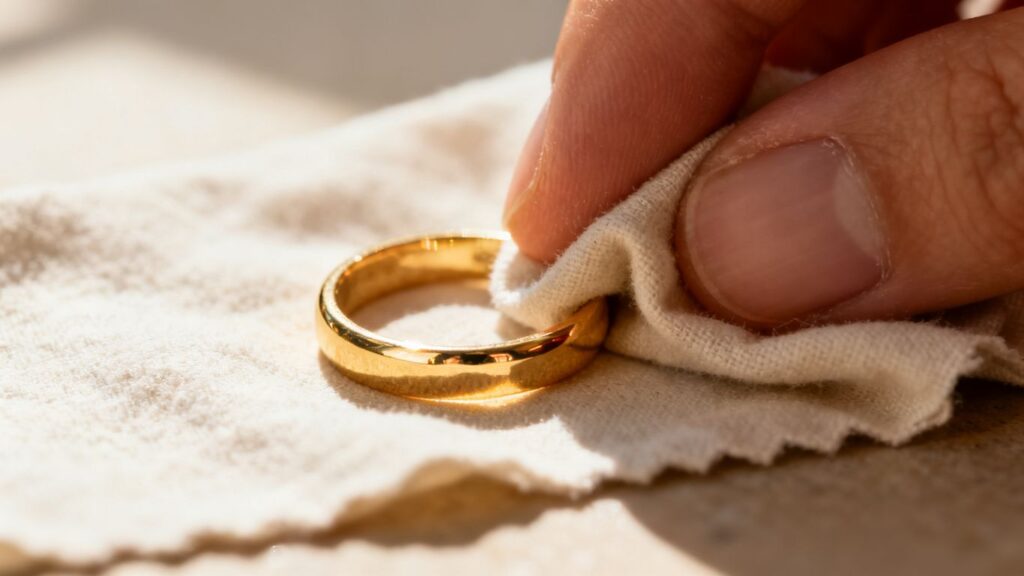
    After washing, using a dry, soft cloth is the safest way to remove moisture without introducing new scratches. These materials gently wick away water from the surface, preventing hard water stains that can occur if pieces are left to air dry completely. A clean, microfiber cloth or professional polishing cloth is perfect for providing that final buffing touch for a radiant finish.

    The Simple Soap and Water Method

    Step-by-Step Cleaning Process

    Following a structured routine ensures that every piece receives thorough care without the risk of accidental damage. By adhering to these steps, you can safely rejuvenate your collection through simple home cleaning methods.

    1. Prepare a bowl with lukewarm water and a small amount of mild soap.
    2. Submerge your gold items, letting them soak for approximately 15 to 20 minutes to loosen debris.
    3. Gently scrub each piece using your soft-bristle brush, paying attention to hidden crevices.
    4. Rinse your items under a gentle stream of lukewarm water until all soap residue vanishes.
    5. Pat dry thoroughly using your lint-free cloth and inspect for any remaining spots.

    Once finished, you should store your clean pieces in a dedicated jewelry box to maintain their pristine condition after the process.

    Item TypeCleaning FrequencyRecommended Method
    Solid Gold RingsEvery two weeksSoap and water soak
    Gold Chain NecklacesMonthlyGentle light scrubbing
    Gem-Set Gold PiecesQuarterlySpecialized mild solution

    Dealing with Stubborn Grime and Tarnish

    Detailed look at polishing gold
    #image_title

    Baking Soda Paste (Use with Caution)

    For instances where simple soap is insufficient, you might consider a mild baking soda paste to gently abrade away dull spots. You should create a paste by mixing a tiny amount of baking soda with water until it reaches a consistency similar to thin toothpaste, then apply it sparingly to the affected area. It is important to remember that this technique must be used cautiously, as excessive scrubbing on thinner gold plating could lead to unwanted wear.

    For those who prefer not to DIY, sometimes the best way to shine gold involves visiting a professional for specialized services. If you feel hesitant about manual polishing, you might consult a reliable online retailer to see if they offer professional restoration. Using the paste occasionally helps keep the surface bright, but regular, light maintenance is almost always a safer long-term choice.

    Important Precautions for Cleaning Gold Jewelry

    Before you begin the cleaning process, verify that your gold is indeed solid and not significantly worn gold plating. Plated jewelry effectively features a very thin layer of metal, meaning that aggressive scrubbing or strong cleaning mixtures will likely strip away the gold finish. By identifying the material composition upfront, you protect your items from permanent aesthetic damage encountered during maintenance.

    Another safety point involves removing any gemstones, particularly porous ones like pearls or delicate opals, that might react poorly to immersion in soap and water. You should prioritize learning about the specific care needs for your stone settings, as some adhesives or structural components can soften when submerged in liquid. Always err on the side of caution to avoid accidentally loosening a stone during your cleaning session.

    Finally, avoid using store-bought cleaners that claim to work on all metals, as these are often too harsh for the specific needs of fine gold. Instead, stick to the simple, gentle methods that prioritize preserving the long-lasting luster of your gold pieces without compromising their integrity. Careful attention ensures your collection stays beautiful for many years, even with frequent wear.

    How Often Should You Clean Your Gold Jewelry?

    Setting a consistent schedule is the most effective way to prevent the cumulative buildup of oils and everyday debris that drains a piece of its character. For gold pieces worn daily, such as wedding bands or gold earrings, a thorough cleansing every two weeks is generally recommended to keep them at their best. This habit minimizes the chance of deep-seated grime becoming impossible to remove without professional assistance.

    If you find yourself wearing your pieces only for special occasions, you can adjust your schedule accordingly to reflect lighter use. A monthly cleaning session is often sufficient for items that sit in a beautiful storage solution for most of the month, helping them stay ready for your next event. This balanced approach protects your assets without the need for constant, laborious maintenance.

    Ultimately, pay attention to the environment in which you wear your gold, as specific factors like daily exposure to chemical lotions or perfumes may necessitate more frequent attention. Whenever you notice a significant decline in sparkle, it is time to perform a quick cleaning session to restore the original brilliance. By staying proactive and attentive, you ensure your fine jewelry investments remain radiant and pristine throughout their life.

    Conclusion

    Caring for your gold jewelry at home is a manageable and rewarding practice that keeps your collection looking stunning for years to come. By following these gentle cleaning methods, you can remove dulling films and maintain the brilliance of every piece without needing expensive professional equipment. Remember that consistency is the key to preserving the value and beauty of your cherished gold, allowing it to shine just as brightly as the day you brought it home.

    Frequently Asked Questions

    Can I use toothpaste to clean gold jewelry?

    Toothpaste is generally too abrasive for gold and can leave fine scratches on the surface, so it is best to avoid it in favor of mild, soap-based cleaners.

    Is it safe to soak gold jewelry overnight?

    Soaking jewelry for an extended period, especially overnight, is not recommended because the liquid can seep into settings or stone mountings and cause damage over time.

    What should I do if my gold jewelry has gemstones?

    If your jewelry contains gemstones, be extra cautious with soaking times and avoid using any harsh brushes directly on the stones to prevent loosening or cracking.

    Can I safely clean gold-plated jewelry?

    Gold-plated items require much gentler handling than solid gold; you should avoid scrubbing entirely and focus on a very soft, damp cloth to wipe the surface.

    Does chlorine damage gold jewelry?

    Chlorine is extremely harsh on gold and can cause structural damage or discoloration, so you should always remove your gold jewelry before swimming in pools or hot tubs.

    Can I use vinegar to clean my gold jewelry?

    Vinegar is acidic and can potentially harm certain alloys or porous gemstones, so it is safer to stick to mild dish soap mixed with warm water for cleaning.

    Should I dry my jewelry after washing it?

    Yes, thorough drying is essential to prevent water spots and moisture buildup, so always finish the cleaning process by gently buffing your pieces dry with a lint-free cloth.

  • 15 Smart Advantages of Buying Jewellery Online (Plus FAQs & Expert Tips)

    15 Smart Advantages of Buying Jewellery Online (Plus FAQs & Expert Tips)

    Since 2020, jewellery e‑commerce has rocketed. In India alone, online jewellery sales grew at a CAGR of over 18% through 2023, and in 2025, digital sales now account for nearly 30% of total jewellery retail (source: Statista, India Brand Equity Foundation) — a huge shift from traditional shopping. This updated article goes beyond basic benefits to help you shop smarter.

    Why Buy Jewellery Online: Top 15 Benefits

    1. Ultimate Convenience

    You can explore, compare, customize and order jewellery any time—even late at night—with delivery to your door. No need to travel or deal with store timings.

    2. Greater Selection & Customization

    Online stores offer global access to styles—vintage, ethnic, minimalist—often supporting bespoke design services, not always available in physical outlets.

    3. Competitive Pricing & Transparent Costs

    Without store rent or middle‑men, online sellers pass savings to customers. Many sites display full cost breakdowns: metal price, making charges, taxes—right up front.

    4. Detailed Product Information & Certifications

    Listings typically include 4C details for diamonds, hallmark codes, metal purity, GIA/IGI certificates, and high-definition images or videos.

    5. Virtual Try‑On & AR Tools

    Use augmented reality or image-based try‑on features to visualize rings or necklaces realistically, helping reduce size and style uncertainty.

    6. Secure Payments & Buyer Protection

    Reputable platforms support secure payment gateways, EMI flexibility, and escrow services that release funds only after product approval.

    7. Easy Returns & Clear Policies

    Transparent return, exchange and refund policies (usually 7–30 days) mitigate purchase risk, unlike opaque terms in some physical stores.

    8. Customer Reviews & Social Proof

    Trustworthy platforms show user reviews, star ratings, and often customer-uploaded images of the jewellery in real-life settings.

    9. Expert Advice & Chat Support

    Instant access to certified gemologists or customer support via chatbots or live chat helps resolve doubts quickly—even on weekends.

    10. Ethical & Sustainable Sourcing

    Top online jewellers increasingly source conflict-free diamonds and recycled metals, with supply chain transparency rarely seen in traditional shops.

    11. Faster Launches & Trend Access

    Trends from global events or influencer styles appear on e‑commerce sites swiftly—whereas store stock updates lag behind.

    12. Discounts, Loyalty Rewards & Flash Deals

    Online-exclusive offers, festive discounts, cashback deals and loyalty reward points offer substantial savings.

    13. Gift-Wrapping & Personalization Services

    Most sellers offer free gift-wrapping, engraving, personalized messages and certificate packaging—ideal for special occasions.

    14. Warranty, Resizing & After-Sales Support

    Online brands typically include return policies, resizing services, polishing and warranty certificates to ensure satisfaction over time.

    15. Fast Price Comparisons & Market Insights

    Use aggregator or review sites to compare similar products across multiple trusted sellers in minutes—an impossible feat offline.

    2025 Jewellery Market Trends in India & Globally

    • India’s online jewellery sector is projected to cross ₹10,000 crore in annual sales by end‑2025 (source: IBEF)
    • Globally, more than 55% of millennials and Gen Z buyers prefer online jewellery purchase over in-store (source: McKinsey 2024 report)
    • Increased preference for lab-grown diamonds and personalized lifestyle pieces.

    How to Choose a Reliable Online Jeweller

    Use this checklist:

    • Certifications displayed: hallmark, GIA/IGI for diamonds, BIS standard for gold.
    • Clear return/refund terms: look for 7–30 day policy, free returns.
    • Verified customer reviews and social media presence.
    • Contact options: live chat, phone, showroom address.
    • Transparent shipping and insurance policies.

    Real‑Life Example: BlueStone vs CaratLane

    FeatureBlueStoneCaratLane
    Diamond CertificationGIA/IGI includedIGI or BGD certified
    Virtual Try-on ToolYes (AR rings/earrings)Yes (AR try‑on)
    Return Period30 days14 days
    CustomizationBespoke design availableDesign your own ring
    Payment OptionsEMI, net banking, walletsEMI, UPI, cash on delivery

    Frequently Asked Questions (FAQs)

    Is online purchase as safe as retail?

    Yes, if the platform uses certified gems, secure payment, and clear return policies—with escrow or COD options enhancing safety.

    The jewellery didn’t look like photos—now what?

    Use the return or exchange policy within the specified period. Always keep original packaging and certification.

    What about shipping insurance?

    Many top sellers offer fully insured door‑to‑door shipping, requiring signature on delivery.

    Can I customize or resize online?

    Most platforms let you customize design, select sizes, and offer resizing after delivery at minimal cost.

    GST refunds when returning items?

    Refunds usually include GST, but check the seller’s liquidation policy clearly.

    Actionable Tips Before You Buy

    1. Verify hallmark and gem certificate before confirming purchase.
    2. Use virtual try‑on tools to assess fit and look.
    3. Look out for EMI, cashback, and festival offers.
    4. Keep packaging, appraisal, and certificates secure.
    5. Bookmark after‑sales pages for resizing or warranty claims.

    Conclusion

    Today’s online jewellery ecosystem offers unmatched convenience, selection, transparency, and savings. With the right checks—certification, return policy, credible reviews—you can shop confidently, custom-design with experts, and enjoy post-purchase support. Armed with this guide and actionable tips, you’re now ready to make an informed jewellery purchase that rivals retail—if not outshines it.

  • Indian Jewelry Brands: Top 10 for Everyday Style & All Budgets

    Indian Jewelry Brands: Top 10 for Everyday Style & All Budgets

    Jewellery in India is not just an accessory – it’s a cultural symbol, an investment and an expression of personal style. With so many players in the market, choosing a reliable jewellery brand is crucial. Whether you’re looking for gold, diamonds or traditional pieces, this comprehensive list of top jewellery brands in India will help you make an informed decision in 2025.

    1. Tanishq (A Tata Product)

    Why It’s Special:

    Tanishq from the house of Tata is known for trust, purity and design innovation. With BIS hallmarked gold and internationally certified diamonds, Tanishq leads in quality and customer service.

    Popular Collections:

    • Mia by Tanishq (for women)
    • Rivaah (wedding collection)
    • Aveer (men’s collection)

    Headquarters: Bengaluru
    Website: Tanishq

    2. Malabar Gold and Diamonds

    Why It’s Special:
    With over 320 showrooms globally, Malabar is one of the largest jewellery retailers in the world. Their transparent pricing and wide variety caters to all tastes.

    Unique Features:

    • Fair price policy
    • Exclusive bridal collections
    • Ethical sourcing initiatives

    Headquarters: Kozhikode, Kerala
    Website: https://www.malabargoldanddiamonds.com

    3. Kalyan Jewellers

    Why It’s Special:
    With deep roots in tradition and over 150 showrooms across India and Middle East, Kalyan is a household name for wedding jewellery.

    Strengths:

    • Regional heritage collections
    • Celebrity brand ambassadors
    • Gold insurance and buyback offers

    Headquarters: Thrissur, Kerala
    Website: https://www.kalyanjewellers.net

    4. PC Jeweller

    Why It’s Special:
    PC Jeweller has grown fast with its mix of traditional and contemporary jewellery. It offers lifetime return policy and free jewellery insurance on selected items.

    USP:

    • Customization options
    • Trusted for wedding and festival shopping
    • Pan India presence

    Headquarters: New Delhi
    Website: https://www.pcjeweller.com

    5. Joyalukkas

    Why It’s Special:
    Joyalukkas has a global presence serving over 10 million customers across 11 countries. It’s one of the few Indian jewellers with ISO 9001:2008 certification.

    Popular For:

    • Temple jewellery
    • Diamond bangles and earrings
    • Festive and bridal designs

    Headquarters: Thrissur, Kerala
    Website: https://www.joyalukkas.in

    6. Senco Gold & Diamonds

    Why It’s Special:
    With roots in Bengal craftsmanship, Senco combines heritage with affordability. Their D’Signia and Everlite collections offer trendy and lightweight options.

    What’s Special:

    • BIS hallmarked gold
    • Monthly gold savings schemes
    • Strong online presence

    Headquarters: Kolkata
    Website: https://www.sencogoldanddiamonds.com

    7. Tribhovandas Bhimji Zaveri (TBZ)

    Why It’s Special:
    A legacy brand since 1864, TBZ is known for intricate craftsmanship and timeless bridal jewellery.

    Popular For:

    • Bridal sets with heritage motifs
    • High quality diamonds
    • Elegant gold jewellery designs

    Headquarters: Mumbai
    Website: https://www.tbztheoriginal.com

    8. CaratLane (A Tanishq Partnership)

    Why It’s Special:
    CaratLane revolutionized online jewellery shopping in India. It combines the convenience of e-commerce with quality assurance from Tanishq.

    Highlights:

    • Try-at-home service
    • Budget friendly options
    • Strong digital presence

    Headquarters: Chennai
    Website: https://www.caratlane.com

    9. Bluestone

    Why It’s Special:
    Bluestone offers modern and daily wear jewellery with flexible purchase plans. They’re perfect for millennials.

    Features:

    • 48 hour delivery in metros
    • Easy EMI options
    • Contemporary minimalist designs

    Headquarters: Bengaluru
    Website: https://www.bluestone.com

    10. ORRA

    Why It’s Special:
    ORRA is known for Belgian cut diamonds and bridal jewellery. It’s the go-to for luxury with a touch of elegance.Specialities:

    • Platinum jewellery
    • Designer solitaire rings
    • Customization for wedding sets

    Headquarters: Mumbai
    Website: https://www.orra.co.in

    How to Select the Best Jewellery Brand?

    When selecting a brand consider:

    • Hallmark: BIS hallmark and IGI/GIA certification
    • Return/Exchange: Clear return policy
    • Design: Traditional, modern or fusion
    • Location: Online presence and offline stores
    • After sales: Cleaning, resizing, insurance, buyback options

    India Jewellery Market Size in 2025

    As per Statista, the Indian jewellery market is expected to reach USD 100 billion by 2027 due to:

    • Increasing disposable income
    • Growing demand for branded jewellery
    • Rise in online purchases
    • Millennials preferring light weight designs

    Source: Statista Jewellery Market Outlook

  • Snagging Gold Bling Online: Your Easy Guide

    Snagging Gold Bling Online: Your Easy Guide

    Thinking about buying some gold bling online? It can feel a bit tricky, right? There’s so much out there, and you want to make sure you’re getting something nice that you’ll love for a long time. This guide is here to make the whole process much simpler. We’ll walk you through the important stuff to look out for, where to find good deals, and how to shop smart so you can snag that perfect piece of gold jewelry without any hassle. Let’s get started on how to buy gold jewellery online.

    Key Takeaways

    • Check the gold’s purity by understanding karat markings (like 10K, 14K, 18K). Higher karats mean more pure gold, but also a softer metal.
    • Look for hallmarks or official stamps on the jewelry. These are signs of authenticity and quality.
    • Compare prices based on the gold’s weight and purity. Don’t forget to factor in any gemstones or intricate designs.
    • Shop from well-known online stores or trusted marketplaces. Read reviews and check seller ratings before you buy.
    • Understand the return policy and any warranties offered. This protects you if something isn’t quite right with your purchase.

    Why Buy Gold Jewellery Online?

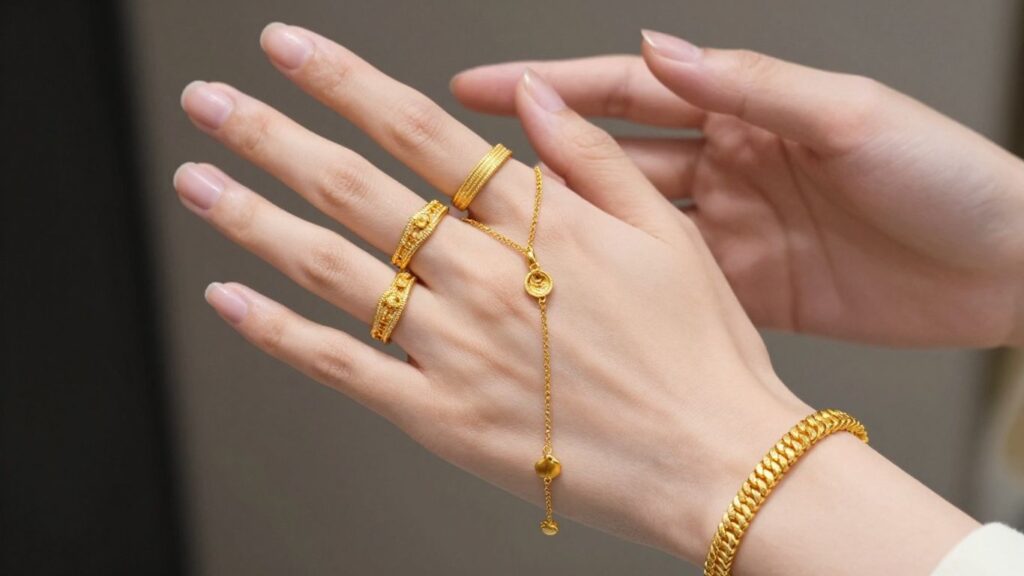
    Sparkling gold jewelry on hands.
    #image_title

    Buying gold jewelry online might seem a bit daunting at first, but honestly, it’s become super convenient and often a smart move. You get access to a much wider selection than you’d ever find in a local shop. Think about it: you can browse styles from all over the world without leaving your couch. Plus, online retailers often have lower overhead costs, which can translate into better prices for you. It’s a great way to snag that perfect piece without breaking the bank. The key is knowing how to buy gold jewelry safely online.

    There are some definite perks to shopping this way:

    • Vast Selection: Online stores aren’t limited by physical space. This means you can find unique designs, vintage pieces, and a huge variety of styles that might not be available locally. You can really hunt for something that speaks to you.
    • Competitive Pricing: Because online sellers don’t have the same expensive storefronts, they can often offer gold jewelry at more attractive prices. You can compare prices easily across different sites to make sure you’re getting a good deal.
    • Convenience: Let’s be real, who doesn’t love shopping from home? You can browse anytime, day or night, and have your beautiful new piece delivered right to your door. It saves a lot of time and hassle.
    • Detailed Information: Reputable online sellers usually provide extensive details about each piece, including metal purity, weight, and sometimes even origin. This helps you make a more informed decision. You can find a lot of great buying advice online.

    While the convenience is undeniable, it’s always wise to be a little cautious. Doing your homework on the seller and understanding the product details are important steps. It’s about being smart with your purchases.

    Following a few simple tips for purchasing gold online can make the whole experience smooth and rewarding. You’ll find that with a little research, you can confidently find beautiful gold pieces without any worries.

    Key Factors to Consider Before You Buy

    Alright, so you’re ready to snag some shiny gold online. That’s awesome! But before you hit that ‘buy now’ button, let’s chat about a few things that’ll make sure you get exactly what you’re looking for. It’s not just about picking something pretty; it’s about knowing what you’re actually getting.

    Purity Matters: Understanding Karats

    Gold jewelry isn’t usually pure gold. It’s mixed with other metals like copper, silver, or zinc to make it stronger and more durable. The amount of pure gold in the mix is measured in karats (K). The higher the karat number, the more pure gold it has.

    Here’s a quick rundown:

    • 24K: This is pure gold. It’s super soft, bright yellow, and usually not used for everyday jewelry because it can bend or scratch easily. It’s also the most expensive.
    • 18K: This means 18 out of 24 parts are pure gold (75% gold). It’s a good balance of gold content and durability, often used for engagement rings and high-end pieces. It has a rich yellow color.
    • 14K: This is 14 out of 24 parts pure gold (58.3% gold). It’s more durable and less expensive than 18K, making it a popular choice for everyday wear. It’s still a nice yellow, but a bit less intense than 18K.
    • 10K: This is 10 out of 24 parts pure gold (41.7% gold). It’s the most durable and least expensive option. The color is lighter, and it’s a good choice if you’re prone to scratching your jewelry or have a tighter budget.

    The higher the karat, the purer the gold, but also the softer and more expensive it will be.

    Hallmarks and Certifications: Your Assurance

    Think of hallmarks as a stamp of authenticity. They’re tiny marks on the jewelry that tell you about its metal content and sometimes the maker. In many countries, there are official hallmarks that guarantee the purity of the gold. For example, in the US, you’ll often see marks like “14K” or “18K” stamped directly on the piece. Some countries have specific assay office marks too.

    Beyond the karat stamp, look for certifications. Reputable sellers will often provide a certificate of authenticity, especially for more expensive items. This document details the metal type, karat, weight, and sometimes even information about any gemstones. It’s your proof that you’re getting what you paid for. Always check if the seller provides these details, especially when buying from online retailers.

    Weight and Price: Calculating Value

    Gold is priced by weight, so the heavier a piece of jewelry is, the more gold it contains and the higher its price will be. When you’re shopping online, you’ll often see the weight listed in grams. This is super important for comparing prices. A 10-gram necklace will naturally cost more than a 5-gram necklace of the same purity and design.

    Don’t just look at the final price; try to figure out the price per gram. You can do this by dividing the total price by the item’s weight in grams. This helps you see if you’re getting a fair deal, especially when comparing similar items from different sellers. Remember that the current market price of gold fluctuates daily, so prices can change.

    Gemstones and Design: Personalizing Your Piece

    This is where you get to pick something that really speaks to you! Gold jewelry often features gemstones, from diamonds to colorful sapphires or birthstones. The type, size, and quality of the gemstone will significantly impact the price. A small diamond will cost much less than a large, high-quality one.

    When it comes to design, think about your personal style and how you’ll wear the piece. Are you looking for something delicate for everyday wear, or a bold statement piece for special occasions? Consider the shape of the jewelry, the setting of any stones, and the overall aesthetic. Some designs are timeless, while others follow current trends. It’s also worth thinking about how the jewelry will look with your skin tone and wardrobe. A good jewelry box can help keep these pieces safe and organized.

    When buying gold jewelry online, it’s easy to get caught up in the sparkle. Take a moment to check the details: the karat purity, any official hallmarks, the item’s weight, and the specifics of any gemstones. This information is your best friend in making a smart purchase and avoiding any surprises down the road. It’s all about being an informed shopper.

    Where to Buy Gold Jewellery Online

    So, you’ve decided to snag some shiny gold bling online. Smart move! It opens up a world of options way beyond your local mall. But where do you even start looking for authentic gold pieces online? It can feel a bit like a treasure hunt, but with the right approach, you’ll find exactly what you’re after.

    Reputable Online Retailers

    When you’re shopping for gold, sticking with well-known names is usually a safe bet. These places have built their reputations over time, and they often have solid return policies and customer service. Think of them as the established brands in the online jewelry world. They usually have a wide selection, from simple chains to more elaborate necklaces and bracelets. Plus, they often provide detailed product descriptions and certifications, which is super important when you’re buying something valuable.

    Some of the best online gold stores are those that specialize in fine jewelry. They understand the materials, the craftsmanship, and what customers are looking for. They might have a more curated selection, but what they do have is usually top-notch. It’s worth checking out a few of these to get a feel for the market and what’s available.

    • Brilliant Earth: Known for a good selection and clear information about their products. They focus on ethical sourcing and have a decent range of styles. Check out their site for a look at what they offer.
    • Tiffany & Co.: If you’re looking for luxury and brand recognition, they’re a classic choice. Expect premium pricing that reflects the brand’s prestige.
    • Haejin Jewelry: This spot focuses on custom designs and a more personal shopping experience, especially if you’re interested in lab-grown diamonds and recycled gold.

    Jewellery Marketplaces

    Marketplaces are a bit different. They’re like giant online malls where lots of different sellers set up shop. This can be great because you often find unique pieces and a wider range of prices. However, it also means you really need to do your homework on each individual seller.

    • Etsy: You can find some amazing handmade and vintage gold pieces here. Just be sure to read seller reviews carefully and check descriptions for metal content.
    • Amazon: While it has a huge selection, be extra cautious. Look for sellers with high ratings and detailed product information. Stick to established jewelry brands that also sell on Amazon if possible.

    When buying from marketplaces, always look for clear photos from multiple angles, detailed descriptions of the gold’s karat and weight, and information about any hallmarks. Don’t hesitate to message the seller with questions before you buy.

    It’s all about finding that sweet spot between a trusted retailer and a marketplace that offers variety. Doing a little research upfront will save you a lot of headaches later on. Happy hunting for your perfect gold piece!

    Navigating the Online Shopping Experience

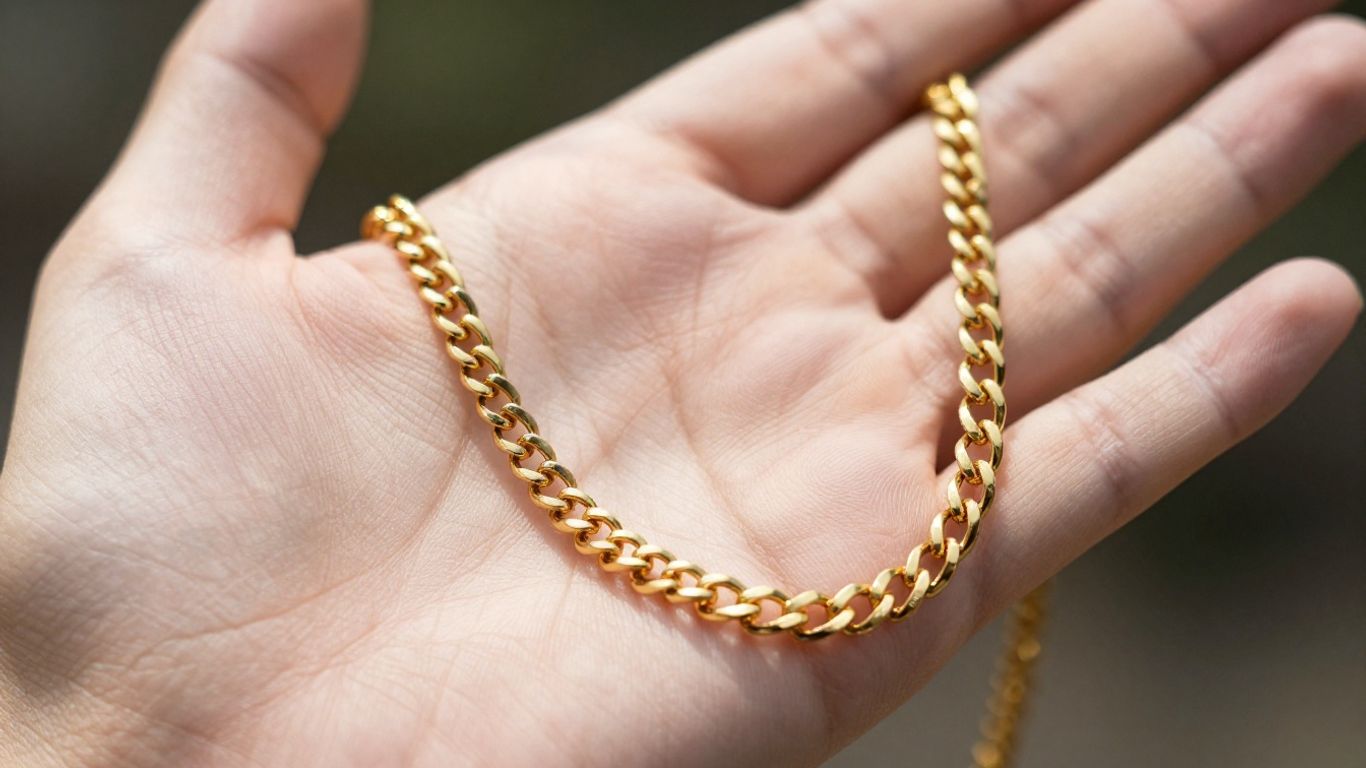
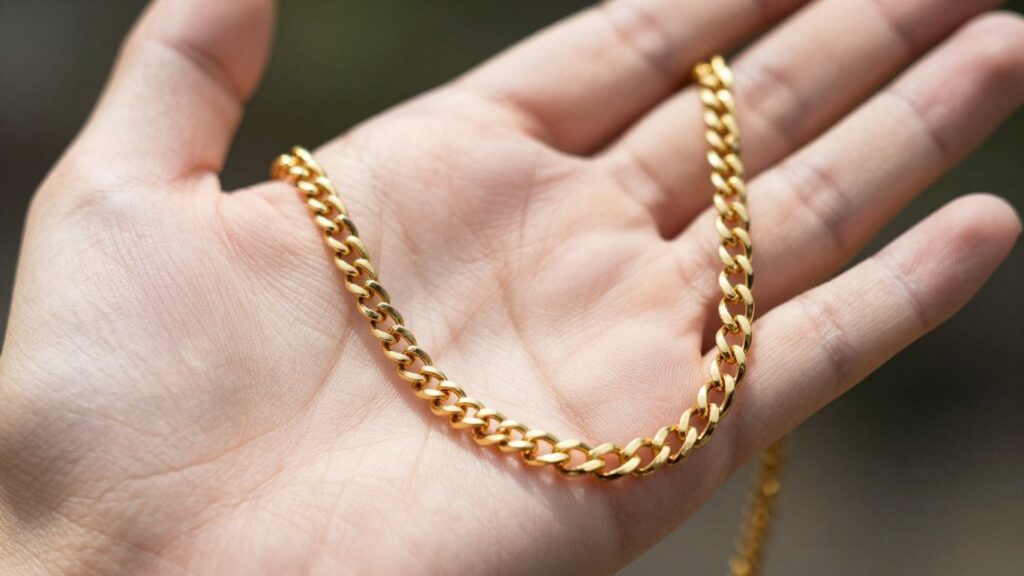
    Hand holding a shiny gold chain necklace
    #image_title

    So, you’ve found some gold bling you like online. Awesome! But before you hit that ‘buy’ button, let’s talk about making sure the whole process goes smoothly. It’s not just about picking a pretty piece; it’s about feeling good about where it came from and what you’re getting. This part of our online jewelry shopping guide is all about that.

    Checking Reviews and Seller Ratings

    This is probably the most important step. Think of it like asking your friends for recommendations before trying a new restaurant. Online, those recommendations come in the form of reviews and seller ratings. Look for sellers who have a high percentage of positive feedback. Don’t just glance at the stars; actually read what people are saying. Are they happy with the quality? Was shipping fast? Did the item look like the pictures? Sometimes, a few negative reviews can be a red flag, especially if they mention similar issues. Pay attention to how the seller responds to negative feedback too – it shows their commitment to customer service. It’s a good way to gauge their reliability.

    Understanding Return Policies and Warranties

    Things happen, right? Maybe the piece isn’t quite what you expected, or perhaps there’s a little hiccup. That’s where return policies and warranties come in. Make sure you know exactly what the seller’s policy is before you buy. How many days do you have to return something? Are there any restocking fees? Who pays for return shipping? A good seller will have a clear, fair return policy. Warranties are also important, especially for more expensive items. They can cover manufacturing defects and give you peace of mind. It’s always smart to check if the jewelry comes with any kind of guarantee.

    Buying jewelry online offers a lot of perks, like a huge selection and often better prices. Reputable places will give you lots of details about their items, have secure ways to pay, and make it easy to send things back if needed. Plus, seeing what other shoppers think is super helpful. It’s a pretty safe way to shop these days.

    Here’s a quick rundown of what to look for:

    • Return Window: How long do you have to decide if you love it?
    • Condition for Returns: Can you return it if you’ve worn it? (Usually no, but check).
    • Return Shipping Costs: Who covers the cost to send it back?
    • Warranty Details: What does it cover, and for how long?

    Taking a little extra time to check these details can save you a lot of hassle later. It’s all part of making sure your online jewelry shopping experience is a happy one. For more tips on making informed decisions, check out this smart tips for purchasing quality fine jewelry.

    Wrapping It Up

    So there you have it. Buying gold jewelry online doesn’t have to be some huge, scary thing. We’ve gone over how to spot the good stuff, what to look out for, and how to make sure you’re getting a fair deal. Remember to check those descriptions, read reviews if you can, and don’t be afraid to ask questions if something feels off. With a little bit of know-how, you can totally find some awesome gold pieces without leaving your couch. Happy hunting!

    Frequently Asked Questions

    Is it safe to buy gold jewelry online?

    Yes, it’s generally safe if you buy from well-known stores with good reviews. Look for websites that clearly show their contact information and have secure payment options. Always check what other customers say before you buy.

    What does ‘karat’ mean for gold jewelry?

    Karat tells you how pure the gold is. 24K is pure gold, which is very soft. 14K or 18K are more common for jewelry because they mix gold with other metals, making it stronger and more durable for everyday wear. The higher the karat number, the more pure gold is in the piece.

    How can I be sure the gold is real?

    Look for hallmarks, which are small stamps on the jewelry indicating its purity (like 14K or 18K). Reputable sellers also provide certificates of authenticity, especially for more expensive pieces. Reading customer reviews can also give you a good idea of a seller’s honesty.

    How do I figure out the price of gold jewelry online?

    The price depends on the gold’s weight and its purity (karat). More intricate designs or pieces with gemstones will also cost more. Online stores usually list the weight and purity, so you can compare prices based on these factors.

    What if I don’t like the jewelry when it arrives?

    Most trusted online stores have return policies. Make sure to read these policies before buying. They usually allow you to send the item back within a certain number of days for a refund or exchange if it’s not what you expected.

    Can I return or exchange gold jewelry if it’s a gift?

    It depends on the store’s return policy. Some stores offer gift receipts or allow exchanges for a set period. It’s best to check the specific return and exchange rules of the online retailer before making a purchase, especially if it’s a surprise gift.