Tag: diamond

  • Pastel Lehenga? Pretty Jewelry Picks!

    Pastel Lehenga? Pretty Jewelry Picks!

    Key Takeaways

    Pastel lehengas invite a lighter, more considered approach to bridal styling. The right jewelry adds definition without taking away the softness of the outfit.

    • Match jewelry scale to the lehenga’s embroidery and neckline.
    • Use Kundan, Polki, pearls, Meenakari, or diamonds according to the mood you want.
    • Choose warm gold for traditional richness and white metals for a cooler, modern finish.
    • Let one piece lead when the outfit already has heavy detail.
    • Check comfort, proportions, and lighting before finalizing your wedding jewelry.

    Why Jewelry Matters with a Pastel Lehenga

    A pastel lehenga has a naturally gentle presence, so jewelry helps bring structure to the look. It frames the face, draws attention to the neckline, and adds contrast against shades such as blush, mint, powder blue, lavender, peach, and ivory. The goal is not simply to wear more pieces, but to create a pleasing relationship between fabric, embellishment, skin tone, and metal.

    For many brides, jewelry also carries emotional and cultural meaning. A Kundan necklace may feel connected to family tradition, while delicate earrings or a pearl strand can suit a quieter, contemporary ceremony. When researching wedding jewelry for pastel outfits, start with the feeling you want the complete look to convey rather than choosing every piece separately.

    The most useful approach is to build the look around one anchor: perhaps a choker, a pair of earrings, a maang tikka, or a necklace set. BuyJewelleryOnline.net offers reviews and buying advice for online jewelry shoppers, which can be helpful when comparing styles, materials, and practical details before ordering. A little planning keeps the final arrangement graceful instead of crowded.

    Understanding Pastel Lehenga Aesthetics

    Pastel outfits can look romantic, airy, and refined, but they are not all styled in the same way. A heavily embroidered lehenga may need simpler jewelry, while a plain or lightly decorated one can support a stronger necklace or more noticeable earrings. Fabric finish matters too: velvet, silk, tulle, and satin each reflect light differently.

    The best jewelry for light color lehenga styling usually repeats one detail from the outfit without copying it exactly. That might mean picking up a muted pink stone, echoing a silver thread, or using a warm metal against a cool blue. These small connections make the ensemble feel intentional.

    The Softness of Pastels

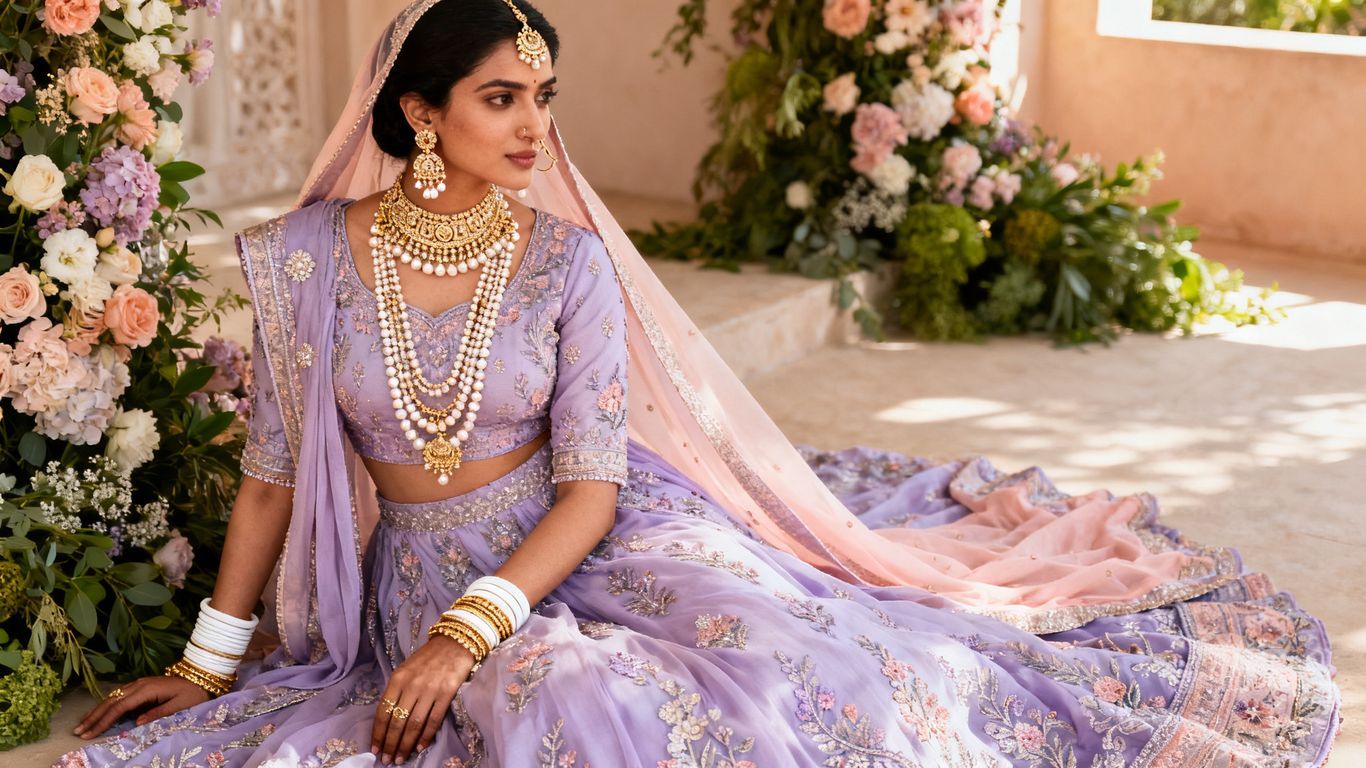
    Pastels soften the visual effect of traditional bridal dressing, which makes delicate surfaces and controlled sparkle especially attractive. Pearls, pale stones, fine chains, and softly polished gold can preserve that feeling, while antique finishes add depth when the lehenga looks too pale on its own. For an ivory or blush outfit, even a modest necklace can provide definition around the collarbone.

    Consider the wedding setting as well. Daylight tends to reveal subtle color and texture, whereas evening lighting gives reflective stones and polished metal more presence. A bridal lehenga style guide can offer broader color-pairing ideas, but your final choice should still respond to your specific shade, embroidery, and neckline.
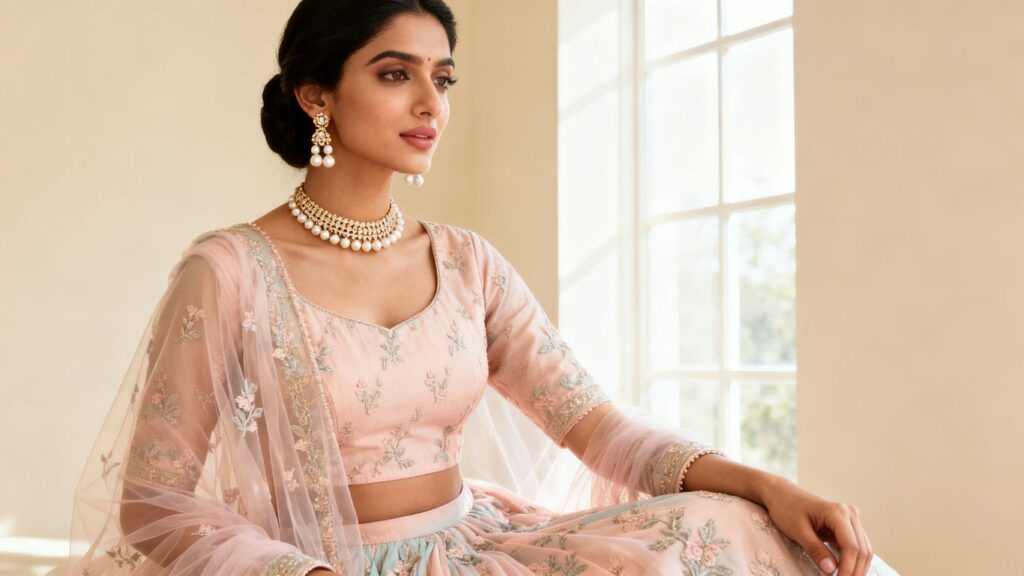
    Pastel bridal lehenga with delicate jewelry
    Pastel bridal lehenga with delicate jewelry

    Balancing the Look: When to Go Bold, When to Be Subtle

    The simplest rule is to compare the visual weight of the outfit with the visual weight of the jewelry. If the lehenga has sequins, dense threadwork, or a dramatic border, a statement earring with a restrained necklace may look more polished than a complete heavy set. If the outfit is clean and minimal, a layered necklace or ornate choker can become the feature that gives it personality.

    Use these checkpoints before choosing matching jewelry for lehenga styling:

    • A deep neckline can support a layered necklace or pendant.
    • A high neckline often works better with earrings and a maang tikka.
    • A detailed dupatta may call for smaller, lighter pieces near the face.
    • A simple blouse can carry a more expressive choker or collar.

    After deciding where the eye should land first, keep the remaining pieces supportive. This approach is particularly useful for brides who want photographs to show both the jewelry and the lehenga rather than one overpowering the other.

    Jewelry Styles That Complement Pastel Lehengas

    There is no single answer to the question of which jewelry suits a pastel bridal outfit. Traditional pieces can look fresh against pale colors, while modern styles can add clarity to a richly embellished lehenga. Think about finish, scale, and color before thinking about quantity.

    Earrings for bridal lehenga looks deserve special attention because they remain visible even when a dupatta covers part of the necklace. Chandelier earrings, jhumkas, studs, and drops can all work, but their length should suit the face shape, hairstyle, and blouse neckline. A coordinated set is useful, though mixing related textures can sometimes create a more relaxed and personal result.

    Kundan and Polki: Timeless Elegance

    Kundan and Polki bring traditional character to pastel clothing without requiring a bright or saturated color palette. Kundan’s polished stones can offer clean points of light, while Polki’s uncut diamond appearance has a softer, more organic surface. Both can pair well with blush, champagne, mint, and ivory when the scale matches the embroidery.

    For a clearer comparison, consider how each style behaves within the complete outfit:

    Jewelry styleVisual effectWorks well withBest styling approach
    KundanPolished and luminousBlush, peach, ivoryCoordinate with a neat choker or pendant
    PolkiTextured and heritage-inspiredChampagne, mint, pale pinkLet one substantial piece lead
    Kundan earringsDefined facial framingLightly embellished blousesPair with a restrained necklace
    Polki necklaceSoft, dimensional sparkleTraditional bridal embroideryRepeat its finish in smaller accents

    The table is a starting point rather than a strict formula. Necklace sets for weddings can help you browse coordinated proportions, but always compare the actual measurements with your blouse neckline and the amount of embroidery around it.

    Meenakari: A Splash of Color

    Meenakari is a lovely way to introduce color when the lehenga itself is intentionally muted. Look for enamel shades that sit beside the outfit rather than competing with it: soft green with peach, powder blue with rose, or a restrained pink against ivory. A small Meenakari detail in the earrings or pendant may be enough to connect the jewelry to the dupatta.

    Because enamel work can be visually lively, balance it with a quieter metal finish or a simpler silhouette. This is also a good choice for wedding jewelry for pastel outfits when you want a traditional note that feels less expected than an all-gold arrangement.

    Pearls: Classic and Delicate

    Pearls suit pastel lehengas because their gentle luster follows the softness of the palette. A short strand can keep a modern blouse looking clean, while layered pearls or pearl drops can add romance to a more traditional ensemble. They are especially graceful with ivory, pale blue, lavender, and blush.

    Choose the size carefully. Tiny pearls feel understated and youthful, while larger pearls become a stronger focal point and may need simpler earrings. Mixing pearls with small diamonds or a fine gold chain can also keep the look bridal without making it feel overly formal.

    Diamond Accents: Subtle Sparkle

    Diamond accents work best when you want light-catching detail without a strong color contrast. Small stones in earrings, a pendant, or a bracelet can brighten a pastel lehenga while allowing the embroidery to remain visible. For a heavily worked outfit, a clean diamond drop may be more effective than several competing statement pieces.

    Pay attention to the shape of the setting and the tone of the metal. A crisp white-metal setting gives a cooler, contemporary impression, whereas diamonds in yellow gold feel warmer and more traditional. A short video search for pastel bridal jewelry styling can also help you observe how different pieces move under ceremony and reception lighting.
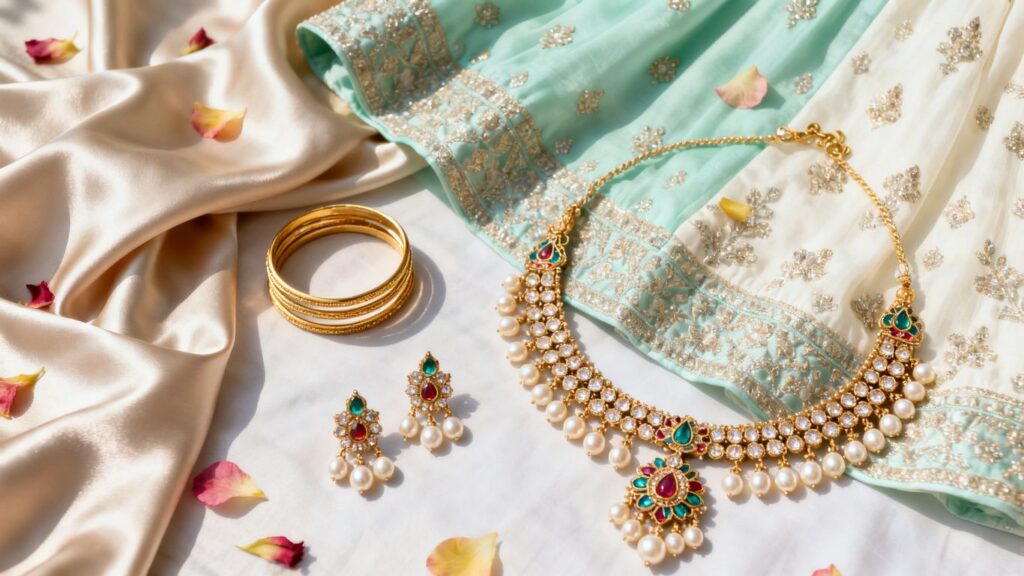
    Pastel lehenga jewelry flat lay with pearls and Kundan
    Pastel lehenga jewelry flat lay with pearls and Kundan

    Choosing the Right Metal for Your Pastel Lehenga Jewelry

    Metal changes the character of jewelry as much as stones do. Yellow gold warms a cool pastel and brings out the ceremonial richness of traditional pieces, while silver and white gold create a cleaner contrast. Rose gold can work beautifully with blush and peach, though it should be tested beside the exact fabric rather than judged from a photograph.

    When comparing jewelry for pastel bridal lehenga styling, place the pieces next to the lehenga in natural light. A metal that looks subtle in a showroom may become very bright under flash, and a pale fabric can reflect nearby tones onto the skin. Comfort, clasp quality, weight, and the return policy deserve attention alongside appearance.

    Gold Tones: Warmth and Tradition

    Yellow gold is a natural choice for brides who want the pastel palette to feel richer and more grounded. It creates pleasing contrast with mint, powder blue, lavender, and ivory, and it supports heritage styles such as Kundan, Polki, and traditional bangles. A softer antique finish can feel less stark than highly polished gold when the lehenga has delicate threadwork.

    Before settling on a gold-toned arrangement, check four practical details:

    • Compare the gold color with the lehenga’s embroidery in daylight.
    • Keep necklace, earrings, and bangles within a similar warmth level.
    • Match the scale of the set to the blouse and dupatta details.
    • Confirm weight and fastening comfort for long wedding events.

    These checks help the jewelry look coordinated from every angle. BuyJewelleryOnline.net provides jewelry reviews and buying advice, so its general guidance can be useful when you are assessing online listings rather than relying only on a styled product photograph.

    Silver and White Gold: Modern Chic

    Silver and white gold give pastel lehengas a cooler, more contemporary finish. They work particularly well with icy blue, lilac, pale grey, and crisp ivory, especially when the blouse has crystal, sequin, or silver-thread details. The effect can be sleek with diamonds, or more distinctive with pearls and carefully chosen colored stones.

    Avoid choosing a cool metal simply because the outfit is pale. Skin tone, lighting, embroidery, and personal taste still matter. Try the jewelry with your hairstyle and dupatta drape, since those elements can change how much metal is visible around the face and neckline.

    Conclusion

    Pastel lehengas leave room for jewelry to express tradition, softness, or modern restraint. Begin with the outfit’s color and detail, choose one focal piece, and let the metal and stones support that decision. With a thoughtful balance of proportion, comfort, and finish, your bridal jewelry can feel distinctive without overwhelming the gentle beauty of the lehenga.

    Frequently Asked Questions

    What jewelry looks best with a pastel bridal lehenga?

    Kundan, Polki, pearls, Meenakari, and diamond accents can all work well. Choose based on the lehenga’s embroidery, neckline, color temperature, and the level of formality you want.

    Can I wear gold with a pastel lehenga?

    Yes. Yellow gold adds warmth and traditional richness to pale colors, while antique or softer finishes can blend more gently with delicate embroidery.

    Is Polki suitable for a light-colored lehenga?

    Polki can look beautiful with ivory, blush, champagne, mint, and other light shades. Keep the rest of the jewelry controlled if the Polki necklace or choker is substantial.

    Are pearls a good choice for bridal jewelry?

    Pearls are a graceful option for brides who prefer a soft, classic finish. They can be worn alone or combined with small diamonds, gold, or white-metal details.

    What earrings should I wear with a pastel lehenga?

    Select earrings according to the hairstyle, neckline, and necklace. Drops, jhumkas, chandbalis, and studs can all work when their scale is balanced with the rest of the outfit.

    Should jewelry match the lehenga exactly?

    Exact matching is not necessary. Repeating one color, finish, or small design detail is usually enough to make the look feel connected while preserving contrast.

    How can I stop pastel bridal styling from looking too plain?

    Add definition through one focal jewelry piece, a contrasting metal, or a small accent color. Good lighting, thoughtful layering, and well-chosen earrings can create richness without adding excessive sparkle.
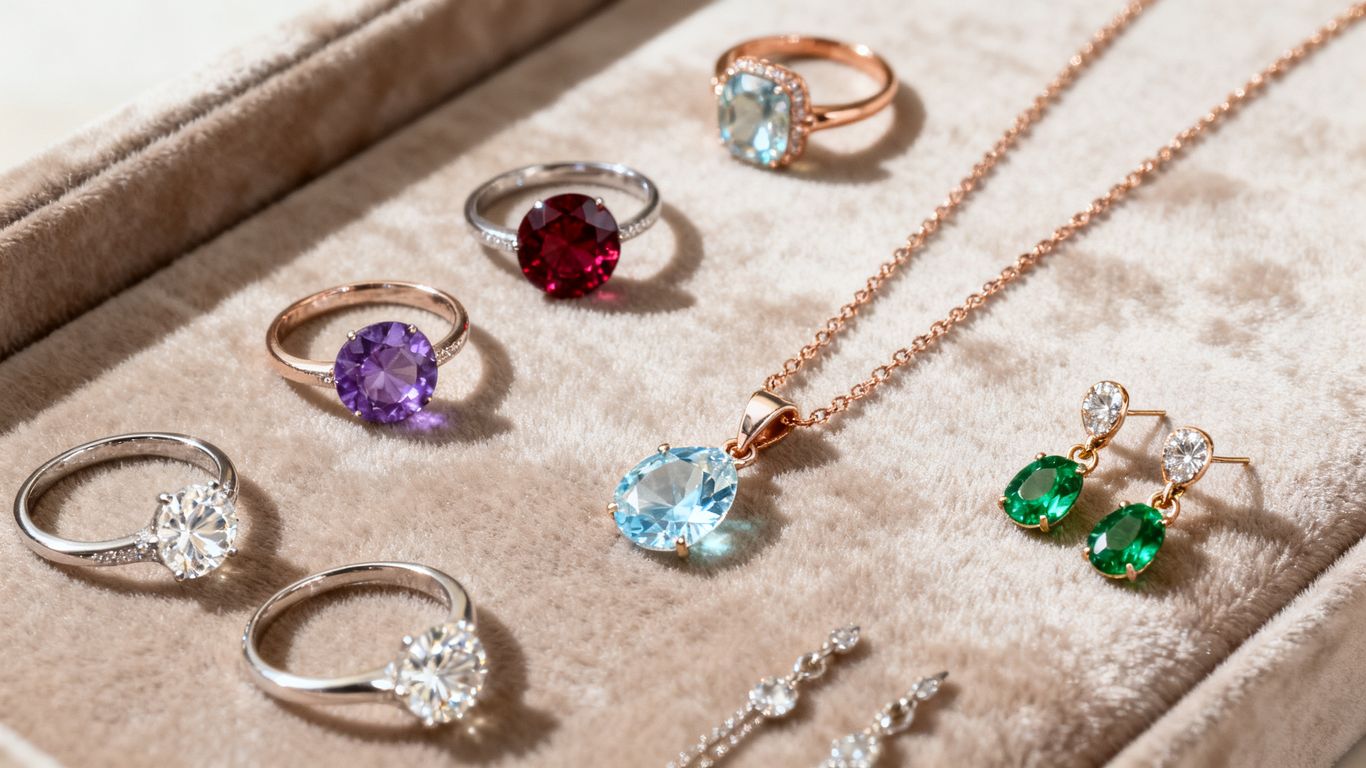
  • Your Birthstone: What’s the Big Deal?

    Your Birthstone: What’s the Big Deal?

    Key Takeaways

    Birthstones connect a month of the year with a gemstone, but their appeal goes well beyond a simple date-based chart.

    • Birthstone traditions draw from religious history, folklore, and modern jewelry customs.
    • Modern lists may differ from older or regional traditions.
    • The meaning of birthstones is personal rather than a fixed promise.
    • Jewelry makes the idea easy to wear or give as a thoughtful present.
    • Garnet, amethyst, aquamarine, diamond, and emerald each bring a distinct look to the first five months.

    What Exactly Are Birthstones?

    A birthstone is a gemstone associated with a particular month of birth. For some people, it is a small tradition; for others, it becomes a way to mark identity, family, memory, or a meaningful occasion. So, what is birthstone jewelry? In simple terms, it is jewelry that pairs a gemstone with the wearer’s birth month, although many people also choose stones for their color or personal story.

    Birthstones can appear in rings, pendants, earrings, bracelets, and charms. The tradition has changed over time, which explains why different birthstone chart and meanings guides may show slightly different stones for the same month.

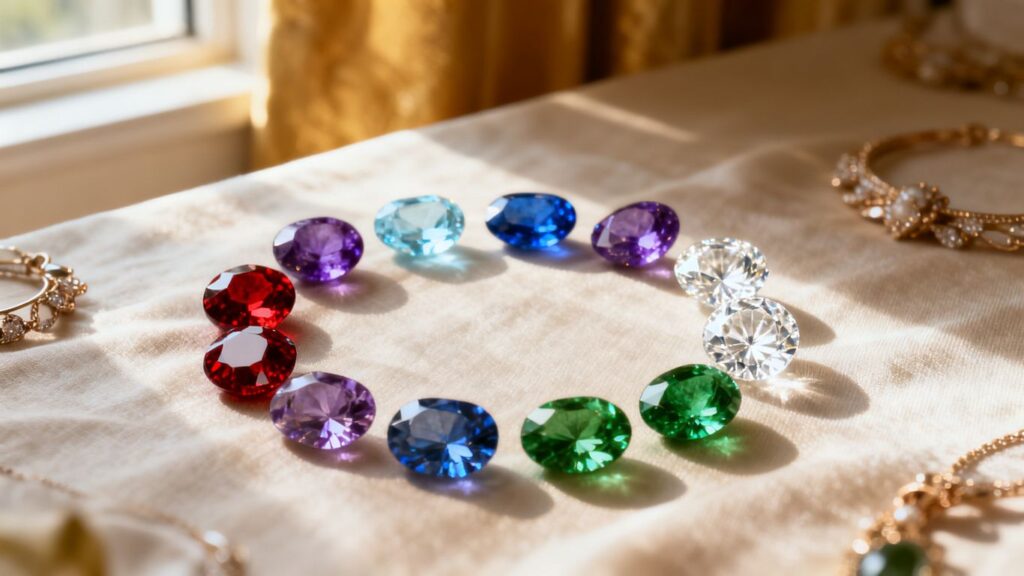
    A collection of colorful birthstone gemstones
    A collection of colorful birthstone gemstones

    The History and Origins of Birthstones

    The history of birthstone jewelry is not tied to one single list or one universally agreed starting point. Ancient religious and cultural traditions helped connect gemstones with symbolic qualities, while later customs linked stones to the twelve months. Over generations, jewelers and writers organized these associations into lists that were easier for people to use when choosing a personal ornament or gift.

    This background also explains why the meaning of birthstones can feel both old and contemporary. A garnet may carry associations with protection or vitality in one tradition, while someone today may simply love its deep red color. Both interpretations can coexist without turning the stone into a promise or prediction.

    The Modern Birthstone List vs. The Traditional List

    Traditional birthstone lists often reflect older beliefs, regional preferences, or connections to biblical and historical gemstones. Modern lists tend to be more practical and consistent for jewelry shopping, sometimes including alternatives when a stone is rare, delicate, or difficult to source. Neither approach has to be treated as the only correct one.

    When comparing a traditional list with a modern one, these questions help keep the choice grounded:

    • Is the stone associated with the month in the tradition you value?
    • Do you prefer the classic gemstone or a commonly accepted alternative?
    • Will the stone suit the wearer’s everyday style and wardrobe?
    • Does the setting provide the care and protection the gemstone needs?

    A little flexibility makes the tradition more useful. At BuyJewelleryOnline.net, practical buying advice can help shoppers compare jewelry types and materials without assuming that symbolism alone should decide the purchase.

    Why Do Birthstones Matter?

    Birthstones matter because they give jewelry a starting point for personal meaning. A gemstone can recall a birthday, a loved one, a new beginning, or simply a color that feels like the wearer. The symbolism is meaningful precisely because people interpret it in their own way.

    The tradition also makes gift-giving less abstract. Instead of choosing a piece based only on appearance, a buyer can begin with a month, then consider the recipient’s taste, lifestyle, and the occasion. That combination often makes the final choice feel more considered.

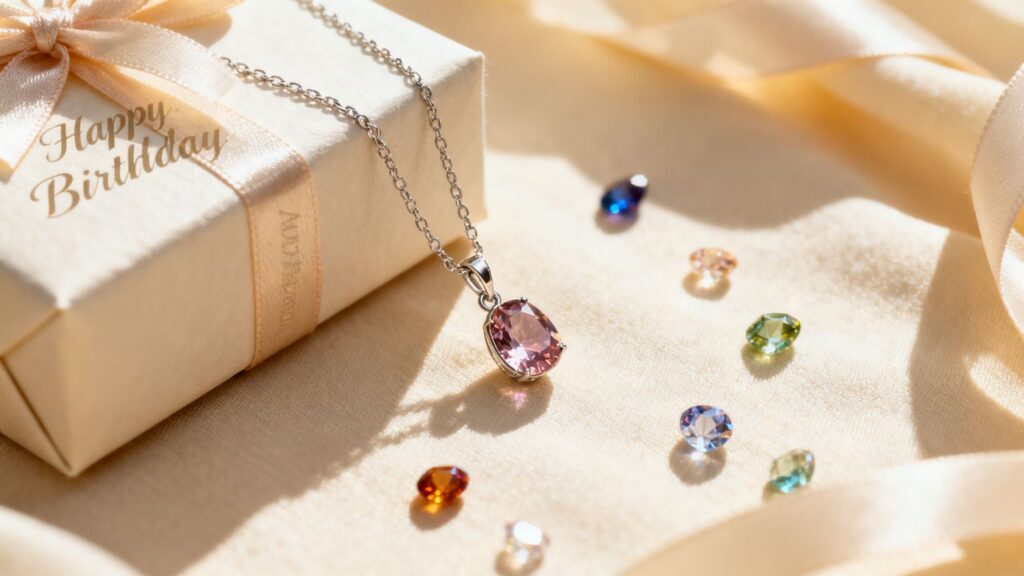
    Birthstone necklace beside wrapped birthday gift
    Birthstone necklace beside wrapped birthday gift

    Symbolism and Personal Meaning

    Birthstone meanings by month are often described with qualities such as courage, calm, clarity, love, or renewal. These descriptions are best understood as cultural associations rather than guarantees. A person may connect with a stone because of its traditional meaning, while another may choose it for its hue, transparency, texture, or family connection.

    The strongest meaning usually comes from the story attached to the piece. A necklace with one stone might mark a birth month, while a design with several stones can bring together the months of children, partners, parents, or close friends. The gemstone becomes a quiet reminder that can be worn without needing an explanation.

    Birthstone Jewelry as Gifts

    Birthstone jewelry works well as a gift because it can feel personal without requiring an elaborate design. A pendant, ring, bracelet, or pair of earrings can suit different budgets and wardrobes, while an engraved initial or charm may add another layer of thought. Before buying, consider whether the recipient prefers understated everyday pieces or more noticeable jewelry.

    A useful gift decision can be organized around the following details:

    Gift considerationWhy it mattersPractical example
    Birth monthEstablishes the traditional gemstoneChoose the recipient’s month or a family combination
    Jewelry styleAffects how often the piece may be wornSelect a necklace for layering or earrings for easy styling
    Metal and settingInfluences appearance and careMatch the finish to jewelry already in the recipient’s collection
    OccasionSets the emotional toneChoose a simple token for a birthday or a more lasting piece for a milestone

    This is where personalized jewelry gifts become especially flexible. BuyJewelleryOnline.net offers buying advice and reviews for shoppers comparing jewelry choices online, so the focus can stay on fit, materials, and occasion rather than on symbolism alone.

    Exploring the Birthstones by Month

    The first five months offer a pleasing range of color, from garnet’s wine-red depth to emerald’s rich green. These stones also vary in appearance, durability, and care needs, so a month-by-month look is more useful than a list of names by itself. Treat the following associations as a starting point for choosing a style that feels right.

    For a broader shopping perspective, this birthstone jewelry guide can sit alongside a general comparison of settings, jewelry forms, and personal details. The best piece is not necessarily the most traditional one; it is the one that the wearer will enjoy and care for.

    January: Garnet

    Garnet is commonly associated with January and is best known for its rich red appearance, although garnets can occur in more than one color. Its depth makes it especially appealing in warm-toned metal settings, vintage-inspired designs, and pieces intended to feel classic rather than fleeting.

    In symbolic language, garnet is often connected with energy, commitment, and protection. A garnet ring or pendant can therefore feel appropriate for a birthday, a new chapter, or a gift meant to express steadiness.

    February: Amethyst

    Amethyst is February’s familiar purple gemstone, ranging from delicate lilac to a much deeper violet. Its color can look soft and understated in a small setting or become the main feature of a larger pendant or cocktail ring.

    The stone is frequently associated with calm, clarity, and inner balance. Whether or not those qualities resonate with the wearer, amethyst offers an easy way to add cool color to everyday jewelry without appearing overly formal.

    March: Aquamarine

    Aquamarine is linked with March and is prized for its clear blue to blue-green color. The watery appearance works naturally in light, open designs, particularly when the setting allows the stone to catch daylight.

    Its traditional associations often include serenity, communication, and safe journeys. That makes aquamarine a thoughtful choice for someone beginning a move, trip, study program, or other change, while its fresh color keeps the design wearable beyond the occasion.

    April: Diamond

    Diamond is the best-known April birthstone and is valued for its bright appearance and strong resistance to scratching. It can serve as a central stone or as a smaller accent, depending on the design and budget.

    Diamonds are often associated with clarity, enduring affection, and strength. When choosing one, shoppers should look beyond the birth month and consider the cut, setting, metal, care requirements, and the way the piece will be worn.

    A diamond does not have to mean a large or formal jewel. Small studs, delicate pendants, and subtle accent stones can carry the April connection while fitting comfortably into an everyday collection.

    May: Emerald

    Emerald is May’s vivid green birthstone, recognized for its saturated color and unmistakable presence. It can bring a sense of richness to a simple design, though its appearance and care needs make the quality of the setting worth considering.

    The stone is traditionally connected with renewal, growth, and love. For someone born in May, emerald jewelry can feel instantly personal; for someone else, its green color may be the reason it becomes the right choice. The stories behind famous jewelry offer a useful reminder that gemstones often gain lasting appeal from the narratives people attach to them.

    Conclusion

    Birthstone jewelry is meaningful because it leaves room for interpretation: a month, a color, a family story, or a milestone can all shape the choice. Once you understand the traditions and compare them with the wearer’s taste, selecting a piece becomes less about following a rule and more about finding a gemstone that feels genuinely connected.

    Frequently Asked Questions

    What is birthstone jewelry?

    Birthstone jewelry is a piece that includes a gemstone associated with a person’s birth month. It may be worn as a personal keepsake or given to mark a birthday, relationship, or milestone.

    Do birthstone lists vary?

    Yes. Traditional, modern, cultural, and regional lists may assign different stones or alternatives to the same month. A shopper can choose the version that best fits their preferences and background.

    Does a birthstone have a guaranteed meaning?

    No. Birthstone meanings come from tradition, folklore, and popular symbolism rather than a guaranteed effect. The personal story attached to the jewelry is often more important than a fixed definition.

    Can I wear a birthstone that is not my own?

    Yes. People may choose a stone because they like its color, connect with its symbolism, or want to represent a loved one’s birth month. There is no requirement to wear only the stone assigned to your own month.

    What types of birthstone jewelry are available?

    Common options include necklaces, rings, earrings, bracelets, pendants, and charms. The best format depends on the wearer’s style, comfort, and how often they want to use the piece.

    Can one piece include several birthstones?

    Yes. Multiple-stone designs can combine the birth months of family members, partners, or friends. They are often chosen when the jewelry is meant to represent several relationships at once.

    How should birthstone jewelry be cared for?

    Care depends on the gemstone and the metal. Keep jewelry away from harsh chemicals, store pieces separately to reduce scratching, and follow care guidance suited to the specific stone and setting.

  • 15 Smart Advantages of Buying Jewellery Online (Plus FAQs & Expert Tips)

    15 Smart Advantages of Buying Jewellery Online (Plus FAQs & Expert Tips)

    Since 2020, jewellery e‑commerce has rocketed. In India alone, online jewellery sales grew at a CAGR of over 18% through 2023, and in 2025, digital sales now account for nearly 30% of total jewellery retail (source: Statista, India Brand Equity Foundation) — a huge shift from traditional shopping. This updated article goes beyond basic benefits to help you shop smarter.

    Why Buy Jewellery Online: Top 15 Benefits

    1. Ultimate Convenience

    You can explore, compare, customize and order jewellery any time—even late at night—with delivery to your door. No need to travel or deal with store timings.

    2. Greater Selection & Customization

    Online stores offer global access to styles—vintage, ethnic, minimalist—often supporting bespoke design services, not always available in physical outlets.

    3. Competitive Pricing & Transparent Costs

    Without store rent or middle‑men, online sellers pass savings to customers. Many sites display full cost breakdowns: metal price, making charges, taxes—right up front.

    4. Detailed Product Information & Certifications

    Listings typically include 4C details for diamonds, hallmark codes, metal purity, GIA/IGI certificates, and high-definition images or videos.

    5. Virtual Try‑On & AR Tools

    Use augmented reality or image-based try‑on features to visualize rings or necklaces realistically, helping reduce size and style uncertainty.

    6. Secure Payments & Buyer Protection

    Reputable platforms support secure payment gateways, EMI flexibility, and escrow services that release funds only after product approval.

    7. Easy Returns & Clear Policies

    Transparent return, exchange and refund policies (usually 7–30 days) mitigate purchase risk, unlike opaque terms in some physical stores.

    8. Customer Reviews & Social Proof

    Trustworthy platforms show user reviews, star ratings, and often customer-uploaded images of the jewellery in real-life settings.

    9. Expert Advice & Chat Support

    Instant access to certified gemologists or customer support via chatbots or live chat helps resolve doubts quickly—even on weekends.

    10. Ethical & Sustainable Sourcing

    Top online jewellers increasingly source conflict-free diamonds and recycled metals, with supply chain transparency rarely seen in traditional shops.

    11. Faster Launches & Trend Access

    Trends from global events or influencer styles appear on e‑commerce sites swiftly—whereas store stock updates lag behind.

    12. Discounts, Loyalty Rewards & Flash Deals

    Online-exclusive offers, festive discounts, cashback deals and loyalty reward points offer substantial savings.

    13. Gift-Wrapping & Personalization Services

    Most sellers offer free gift-wrapping, engraving, personalized messages and certificate packaging—ideal for special occasions.

    14. Warranty, Resizing & After-Sales Support

    Online brands typically include return policies, resizing services, polishing and warranty certificates to ensure satisfaction over time.

    15. Fast Price Comparisons & Market Insights

    Use aggregator or review sites to compare similar products across multiple trusted sellers in minutes—an impossible feat offline.

    2025 Jewellery Market Trends in India & Globally

    • India’s online jewellery sector is projected to cross ₹10,000 crore in annual sales by end‑2025 (source: IBEF)
    • Globally, more than 55% of millennials and Gen Z buyers prefer online jewellery purchase over in-store (source: McKinsey 2024 report)
    • Increased preference for lab-grown diamonds and personalized lifestyle pieces.

    How to Choose a Reliable Online Jeweller

    Use this checklist:

    • Certifications displayed: hallmark, GIA/IGI for diamonds, BIS standard for gold.
    • Clear return/refund terms: look for 7–30 day policy, free returns.
    • Verified customer reviews and social media presence.
    • Contact options: live chat, phone, showroom address.
    • Transparent shipping and insurance policies.

    Real‑Life Example: BlueStone vs CaratLane

    FeatureBlueStoneCaratLane
    Diamond CertificationGIA/IGI includedIGI or BGD certified
    Virtual Try-on ToolYes (AR rings/earrings)Yes (AR try‑on)
    Return Period30 days14 days
    CustomizationBespoke design availableDesign your own ring
    Payment OptionsEMI, net banking, walletsEMI, UPI, cash on delivery

    Frequently Asked Questions (FAQs)

    Is online purchase as safe as retail?

    Yes, if the platform uses certified gems, secure payment, and clear return policies—with escrow or COD options enhancing safety.

    The jewellery didn’t look like photos—now what?

    Use the return or exchange policy within the specified period. Always keep original packaging and certification.

    What about shipping insurance?

    Many top sellers offer fully insured door‑to‑door shipping, requiring signature on delivery.

    Can I customize or resize online?

    Most platforms let you customize design, select sizes, and offer resizing after delivery at minimal cost.

    GST refunds when returning items?

    Refunds usually include GST, but check the seller’s liquidation policy clearly.

    Actionable Tips Before You Buy

    1. Verify hallmark and gem certificate before confirming purchase.
    2. Use virtual try‑on tools to assess fit and look.
    3. Look out for EMI, cashback, and festival offers.
    4. Keep packaging, appraisal, and certificates secure.
    5. Bookmark after‑sales pages for resizing or warranty claims.

    Conclusion

    Today’s online jewellery ecosystem offers unmatched convenience, selection, transparency, and savings. With the right checks—certification, return policy, credible reviews—you can shop confidently, custom-design with experts, and enjoy post-purchase support. Armed with this guide and actionable tips, you’re now ready to make an informed jewellery purchase that rivals retail—if not outshines it.

  • Indian Jewelry Brands: Top 10 for Everyday Style & All Budgets

    Indian Jewelry Brands: Top 10 for Everyday Style & All Budgets

    Jewellery in India is not just an accessory – it’s a cultural symbol, an investment and an expression of personal style. With so many players in the market, choosing a reliable jewellery brand is crucial. Whether you’re looking for gold, diamonds or traditional pieces, this comprehensive list of top jewellery brands in India will help you make an informed decision in 2025.

    1. Tanishq (A Tata Product)

    Why It’s Special:

    Tanishq from the house of Tata is known for trust, purity and design innovation. With BIS hallmarked gold and internationally certified diamonds, Tanishq leads in quality and customer service.

    Popular Collections:

    • Mia by Tanishq (for women)
    • Rivaah (wedding collection)
    • Aveer (men’s collection)

    Headquarters: Bengaluru
    Website: Tanishq

    2. Malabar Gold and Diamonds

    Why It’s Special:
    With over 320 showrooms globally, Malabar is one of the largest jewellery retailers in the world. Their transparent pricing and wide variety caters to all tastes.

    Unique Features:

    • Fair price policy
    • Exclusive bridal collections
    • Ethical sourcing initiatives

    Headquarters: Kozhikode, Kerala
    Website: https://www.malabargoldanddiamonds.com

    3. Kalyan Jewellers

    Why It’s Special:
    With deep roots in tradition and over 150 showrooms across India and Middle East, Kalyan is a household name for wedding jewellery.

    Strengths:

    • Regional heritage collections
    • Celebrity brand ambassadors
    • Gold insurance and buyback offers

    Headquarters: Thrissur, Kerala
    Website: https://www.kalyanjewellers.net

    4. PC Jeweller

    Why It’s Special:
    PC Jeweller has grown fast with its mix of traditional and contemporary jewellery. It offers lifetime return policy and free jewellery insurance on selected items.

    USP:

    • Customization options
    • Trusted for wedding and festival shopping
    • Pan India presence

    Headquarters: New Delhi
    Website: https://www.pcjeweller.com

    5. Joyalukkas

    Why It’s Special:
    Joyalukkas has a global presence serving over 10 million customers across 11 countries. It’s one of the few Indian jewellers with ISO 9001:2008 certification.

    Popular For:

    • Temple jewellery
    • Diamond bangles and earrings
    • Festive and bridal designs

    Headquarters: Thrissur, Kerala
    Website: https://www.joyalukkas.in

    6. Senco Gold & Diamonds

    Why It’s Special:
    With roots in Bengal craftsmanship, Senco combines heritage with affordability. Their D’Signia and Everlite collections offer trendy and lightweight options.

    What’s Special:

    • BIS hallmarked gold
    • Monthly gold savings schemes
    • Strong online presence

    Headquarters: Kolkata
    Website: https://www.sencogoldanddiamonds.com

    7. Tribhovandas Bhimji Zaveri (TBZ)

    Why It’s Special:
    A legacy brand since 1864, TBZ is known for intricate craftsmanship and timeless bridal jewellery.

    Popular For:

    • Bridal sets with heritage motifs
    • High quality diamonds
    • Elegant gold jewellery designs

    Headquarters: Mumbai
    Website: https://www.tbztheoriginal.com

    8. CaratLane (A Tanishq Partnership)

    Why It’s Special:
    CaratLane revolutionized online jewellery shopping in India. It combines the convenience of e-commerce with quality assurance from Tanishq.

    Highlights:

    • Try-at-home service
    • Budget friendly options
    • Strong digital presence

    Headquarters: Chennai
    Website: https://www.caratlane.com

    9. Bluestone

    Why It’s Special:
    Bluestone offers modern and daily wear jewellery with flexible purchase plans. They’re perfect for millennials.

    Features:

    • 48 hour delivery in metros
    • Easy EMI options
    • Contemporary minimalist designs

    Headquarters: Bengaluru
    Website: https://www.bluestone.com

    10. ORRA

    Why It’s Special:
    ORRA is known for Belgian cut diamonds and bridal jewellery. It’s the go-to for luxury with a touch of elegance.Specialities:

    • Platinum jewellery
    • Designer solitaire rings
    • Customization for wedding sets

    Headquarters: Mumbai
    Website: https://www.orra.co.in

    How to Select the Best Jewellery Brand?

    When selecting a brand consider:

    • Hallmark: BIS hallmark and IGI/GIA certification
    • Return/Exchange: Clear return policy
    • Design: Traditional, modern or fusion
    • Location: Online presence and offline stores
    • After sales: Cleaning, resizing, insurance, buyback options

    India Jewellery Market Size in 2025

    As per Statista, the Indian jewellery market is expected to reach USD 100 billion by 2027 due to:

    • Increasing disposable income
    • Growing demand for branded jewellery
    • Rise in online purchases
    • Millennials preferring light weight designs

    Source: Statista Jewellery Market Outlook

  • Sparkle & Stories: Famous Jewels You Won’t Believe!

    Sparkle & Stories: Famous Jewels You Won’t Believe!

    Key Takeaways

    These storied adornments connect us to history, offering glimpses into the lives, loves, and legacies of the past. Beyond their monetary worth, famous jewelry items represent the intersection of artistry, cultural significance, and the human desire for permanence.

    • Famous jewelry pieces transcend fashion, often serving as historic artifacts.
    • Many iconic gems are tied to societal power, royalty, and intrigue.
    • Understanding the origin storytelling of these items builds a deeper appreciation for their brilliance.
    • Collectors often prioritize the narrative behind a jewel as much as the quality of the stone.
    • Public fascination with these pieces drives the enduring value of legendary diamond tales and royal jewelry secrets.

    The Allure of Famous Jewelry: More Than Just Sparkle

    When we look at the world’s most renowned gemstones, we are seeing more than just carbon, metal, or light refraction. These objects represent milestones, serving as anchors for memories and symbols of cultural identity that stretch across centuries. While a casual observer might focus on the physical brilliance of a diamond, a true enthusiast recognizes that each piece carries the weight of its own history.

    Evaluating the quality and background of such items requires a grounded perspective on what makes a stone truly unique. To better navigate the nuances of craftsmanship, many enthusiasts consult platforms like BuyJewelleryOnline.net for comprehensive reviews and buying advice. Whether you are interested in modern investment pieces or the historical significance of antique designs, understanding your own preferences is key to building a collection that holds personal meaning.

    To help guide your perspective on jewelry significance, consider these primary factors that collectors analyze:

    • Provenance and ownership history of the piece
    • Craftsmanship techniques specific to the era
    • Rarity and origin of the featured gemstones
    • The emotional narrative connected to the design

    This holistic approach, which you can explore through BuyJewelleryOnline.net, shifts the focus from mere purchase to the lifelong story you carry with you. By viewing jewelry through the lens of history and art, you transform simple items into treasures that possess lasting cultural resonance.

    Iconic Pieces and Their Unforgettable Tales

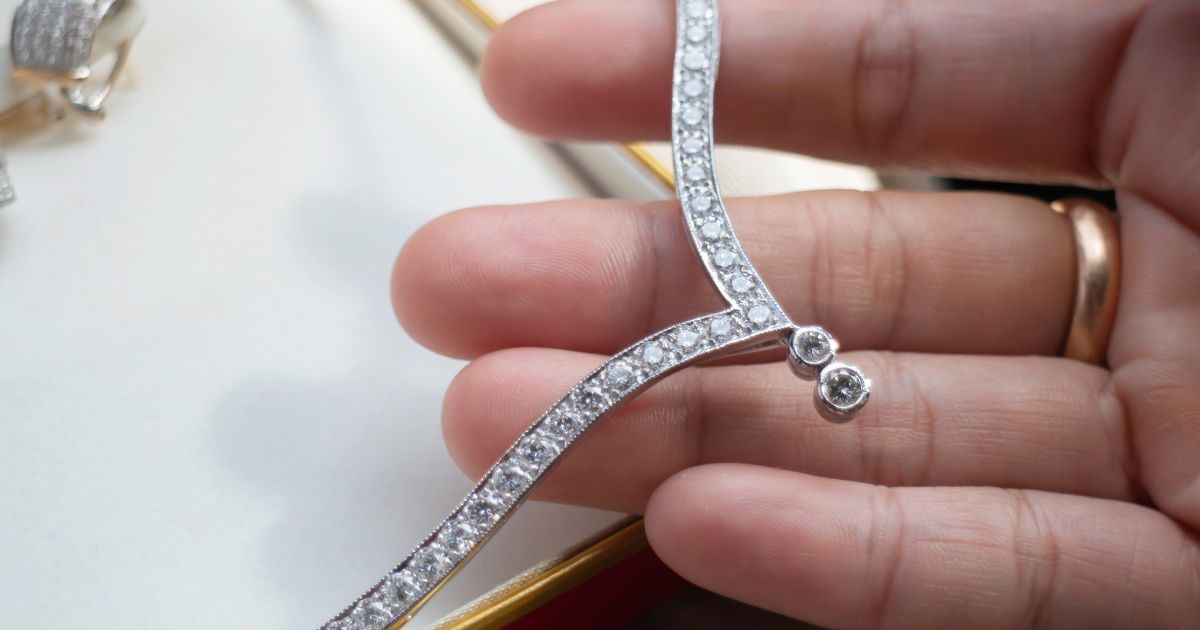
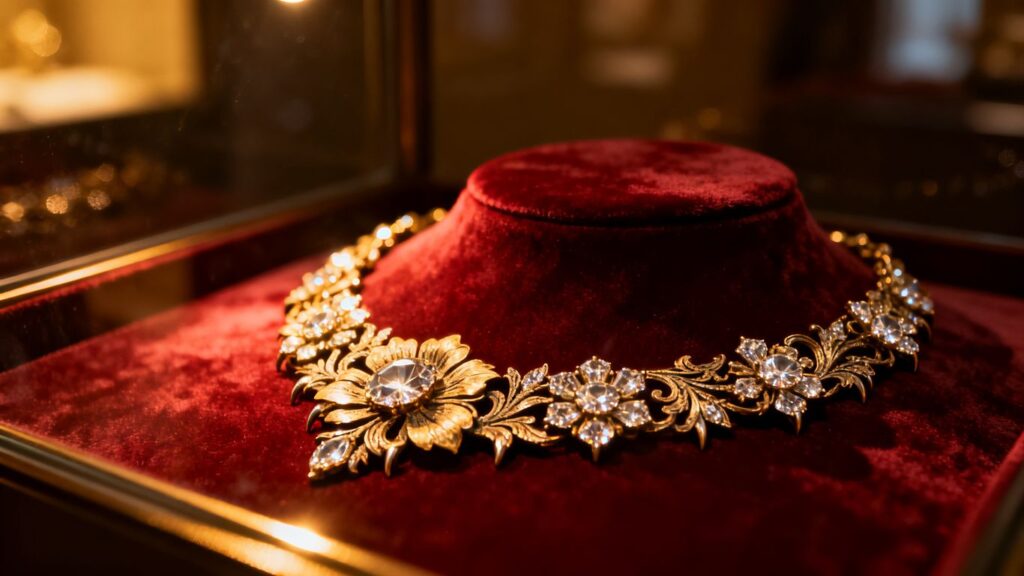
    Famous historical diamond necklace
    #image_title

    History is replete with legends that sparkle under the weight of expectation. From royal vaults to the red carpet, these specific gems have survived wars, thefts, and revolutions, each adding a new chapter to their already complex stories.

    The Hope Diamond: A Curse and a Legacy

    Few gems have captured the global imagination like the famous Hope Diamond. Renowned for its deep blue hue and a history supposedly marked by misfortune, this 45-carat stone has seen many hands, from French monarchs to private collectors like Evalyn Walsh McLean. Its legacy is one of mystery, reminding admirers that sometimes the allure of a jewel lies in the stories told about its origins.

    The Crown Jewels: Symbols of Power and History

    The British Crown Jewels remain perhaps the most recognizable collection of power, representing a lineage that has evolved over centuries. Each item held within the Tower of London serves as a tangible link to medieval society and the absolute authority once wielded by monarchs. These pieces function as much more than finery; they are a direct reflection of royal jewelry secrets and the enduring pageantry of established states.

    The Cartier ‘Tutti Frutti’ Bracelet: A Jazz Age Icon

    Emerging from the bold creativity of the 1920s, the Tutti Frutti style represents a departure from traditional diamond-centric designs. These high-jewelry creations, featuring intricately carved rubies, emeralds, and sapphires, brought a vibrant, exotic aesthetic to the West. The bracelet remains a quintessential example of Art Deco innovation that prioritized color and artistic flow over traditional symmetry.

    The Royal Engagement Rings: Love, Power, and Tradition

    Engagement rings are often the most intimate historical artifacts, frequently passing down through generations of families. Whether it is a sapphire set in diamonds or a rare colored stone, these pieces define celebrity engagement ring stories throughout history. They stand as public declarations of union, illustrating the intersection of private romance and public scrutiny in the lives of high-profile figures.

    The Marilyn Monroe’s ‘Happy Birthday Mr. President’ Necklace

    This piece gained fame not for its karat weight but for its association with a singular, iconic cultural moment. Linked to the glamour of 20th-century celebrity culture, the necklace highlights how jewelry gains intrinsic value when associated with human events. It serves as a reminder that the status of a jewel is often elevated by the person who wears it.

    The Empress Eugénie’s Tiara: A Glimpse into Imperial Glamour

    Imperial tiaras provide a window into the opulence of court life during the 19th century. These pieces were often crafted to emphasize the wearer’s status as a leader and a standard-bearer for fashion. By studying the intricate metalwork of such a tiara, we learn about the artisanal talents that fueled the luxury tastes of imperial houses.

    The Graff Pink Diamond: A Rare and Radiant Gem

    Gemstone TypePrimary FeatureMarket Significance
    Rare Pink DiamondExceptional ColorInvestment Asset
    High-Carat SapphireHistorical ProvenanceCultural Heritage
    Antique JadeiteCultural RarityLuxury Collectible

    The Graff Pink Diamond epitomizes the extreme ends of the gem trade, where rarity dictates the price. As the table above suggests, these stones are not just ornaments but major assets that attract global attention during high-profile auctions. Such diamonds prove that a singular stone can represent a massive store of value while simultaneously serving as a work of art.

    Why These Jewels Captivate Us

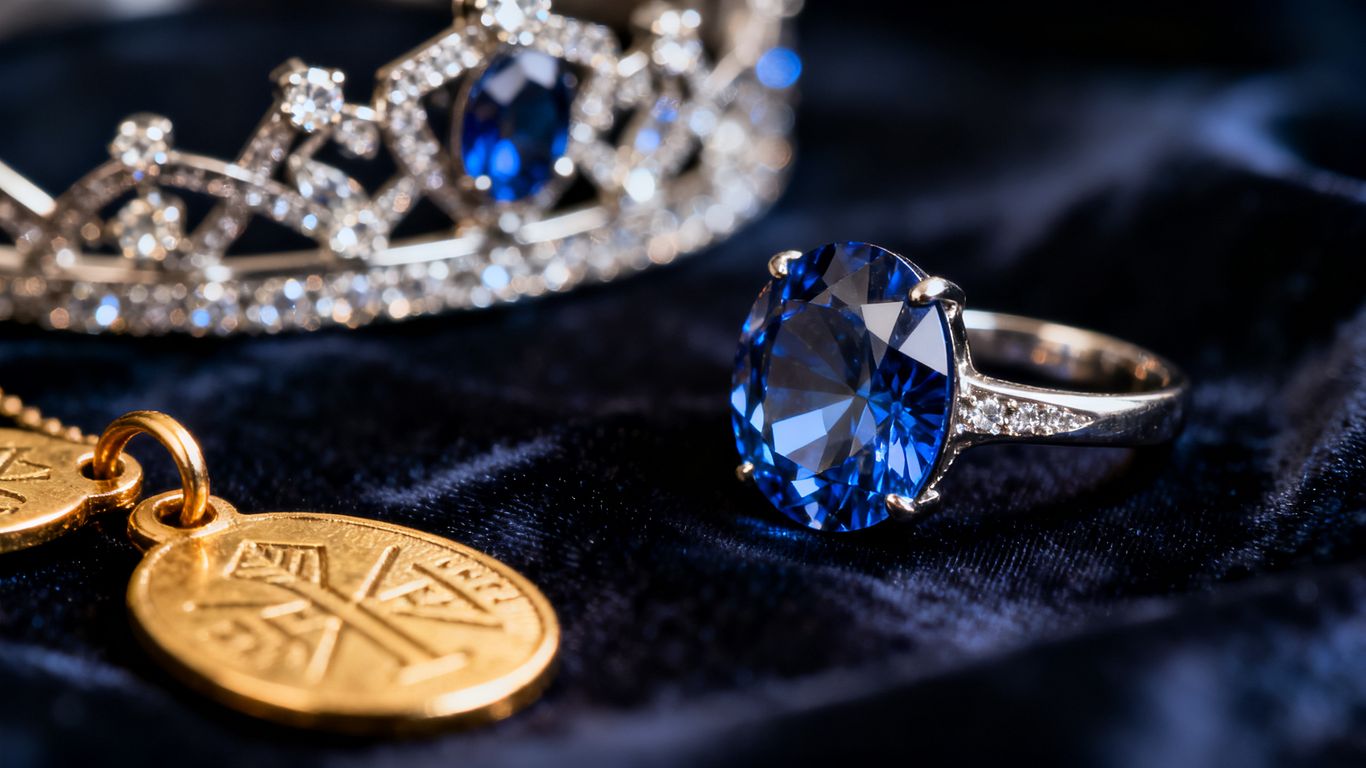
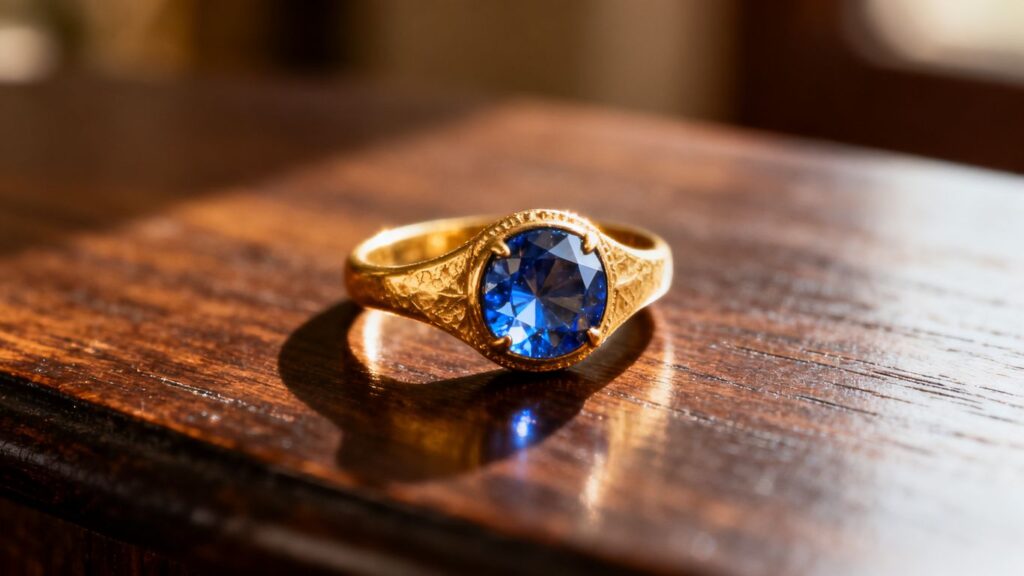
    Vintage gold and sapphire ring
    #image_title

    We are inherently drawn to these objects because they provide a bridge to the past that no textbook can replicate. There is a deep, psychological satisfaction in knowing that an object made centuries ago has been held by previous generations, surviving long after the original craftsmen and owners have passed away. This continuity feels like a tangible connection to history, offering a form of immortality through material endurance.

    Furthermore, the secrecy surrounding some of these pieces creates a natural narrative hook. When we hear about legendary diamond tales, we are engaging with the human side of history. We project our own desires for adventure, romance, and tragedy onto these objects, effectively making them characters in our modern lives rather than just inanimate rocks sitting in glass cases.

    Finally, the technical complexity of iconic gemstone histories continues to push the limits of modern design. Jewelers look back at these masterpieces to understand how to balance weight, light, and stone integrity. By analyzing the structural choices of the past, we ensure that the craft of jewelry making remains a vibrant, evolving art form that respects its roots while looking forward to future trends e5e6.

    Collecting Stories: The Enduring Appeal of Famous Jewelry

    For most people, collecting jewelry is a process of curation that goes beyond the price tag. Taking the time to research a piece, understand its background, and recognize its artistic value is part of the joy of ownership. For those who need guidance, BuyJewelleryOnline.net serves as a reliable resource for enthusiasts looking to make informed decisions about their own personal collections.

    When you approach jewelry as a storyteller, your perspective changes. You no longer see just a ring or a necklace; you see a reflection of a specific time and aesthetic movement. Whether it is an oxidized piece or a classic piece of gold, every addition to a collection is an opportunity to preserve a narrative that might otherwise be lost to time. It is this act of preservation that makes the jewelry hobby so rewarding.

    You can start your own journey into curated collections by visiting BuyJewelleryOnline.net for actionable advice on finding pieces that resonate with your personal style. Building a thoughtful collection allows you to curate a small museum of personal history, ensuring that the stories behind your favorite items are passed down as legacies of their own. By choosing quality, you ensure 76e4 that your investment remains both beautiful and meaningful for years to come.

    Conclusion

    Famous jewelry pieces serve as the permanent archives of human experience, wrapping complex histories around the fingers and necks of those who wear them. By celebrating the stories of these iconic gemstones, we preserve the intersection of art, power, and personal sentiment, ensuring that the legacy of these extraordinary objects continues to sparkle for generations to come.

    Frequently Asked Questions

    Why are some famous jewelry pieces considered cursed?

    Stories of curses often stem from the tragic or unusual histories of the previous owners of a specific gem. These myths grew over time as a way to explain the high turnover of these precious items between families, wars, and sudden changes in fortune, eventually becoming part of the gem’s folklore.

    How does history affect the monetary value of a gemstone?

    History provides provenance, which is a significant factor in appraisal. When a diamond or set of pearls can be traced to a specific historical figure, event, or royal collection, it transcends its physical material value and becomes an investment asset for collectors and museums alike.

    Are all famous jewels made of diamonds?

    No, many of the world’s most famous jewels feature colored gemstones like sapphires, emeralds, jadeites, and rubies. While diamonds are popular for their hardness and brilliance, these other stones were often favored by royal courts for their intense color and symbolic meanings associated with wealth or protection.

    Where can I see these historical pieces today?

    Many of the world’s most famous jewelry items reside in public museum collections, such as the Smithsonian in Washington D.C., the Tower of London, and various royal palace estates. Occasionally, private collections are displayed during special high-jewelry exhibitions where collectors and history buffs can view them in person.

    Is it possible to buy jewelry with similar historical character today?

    While you cannot buy historical pieces, many modern jewelers specialize in period-inspired designs or use vintage-cut stones to recreate the look and feel of historical styles. Browsing professional platforms can help you find pieces that capture the spirit of an era while meeting your specific aesthetic preferences.

    How is jewelry used to reflect status across different eras?

    Jewelry has long been used to signal rank, family lineage, and wealth through the use of rare materials and specific motifs that were restricted to or championed by the nobility. Even today, the design and gemstone quality of a piece can communicate an individual’s appreciation for craftsmanship and their ability to acquire rare items.

    What should a beginner know about the art of jewelry collection?

    Beginners should focus on understanding the basics of material quality, learning legitimate provenance for older pieces, and staying informed through expert reviews. Building a collection is best done slowly, focusing on items that offer both aesthetic satisfaction and lasting value rather than following short-term fashion trends.