Tag: Brilliance

  • Zircon Jewelry: Yay or Nay?

    Zircon Jewelry: Yay or Nay?

    Key Takeaways

    Zircon can be a beautiful, distinctive choice when you understand what you are buying and how you plan to wear it.

    • Natural zircon is a genuine gemstone, while cubic zirconia is a different lab-created material.
    • Zircon offers lively fire, varied colors, and accessible pricing.
    • Its durability is respectable but calls for more care than diamond.
    • Cloudiness, scratches, treatments, and setting quality affect the buying decision.
    • Zircon is most worthwhile when personal style matters more than investment value.

    What Exactly is Zircon Jewellery?

    Zircon jewellery uses zircon, a natural gemstone that occurs in several colors, including blue, yellow, green, red, and brown. Its bright luster and strong dispersion can create flashes of color as it moves in the light. Because the name sounds close to another popular stone, shoppers sometimes assume zircon is simply a diamond substitute or a type of imitation. Knowing the difference is the first step toward judging zircon gemstone quality fairly.

    Natural Zircon vs. Cubic Zirconia (CZ)

    Natural zircon forms in the earth and has its own mineral composition and crystal structure. Cubic zirconia, usually called CZ, is a separate lab-created material made to resemble diamond. They may both appear bright in a ring or pendant, but they are not interchangeable stones, and zircon vs cubic zirconia value depends on different considerations.

    A natural stone may carry interest because of its color, clarity, cut, origin, and rarity. CZ is generally chosen for an affordable look rather than for the characteristics of a mined gemstone. For a useful visual overview of colors, cuts, and setting considerations, this natural zircon guide is a helpful starting point.

    The label on a product listing deserves close attention. Ask whether the description means natural zircon, cubic zirconia, or simply a clear decorative stone, and check whether any treatment is disclosed. That small bit of care prevents disappointment later, especially when comparing a stone’s appearance with its price.

    The Pros of Buying Zircon Jewellery

    The appeal of zircon is not limited to its low price. A well-cut stone can look animated and rich, while its colors give shoppers more room to choose something personal than a conventional colorless stone. For buyers who want jewelry that feels distinctive without stretching the budget, zircon can be a sensible option.
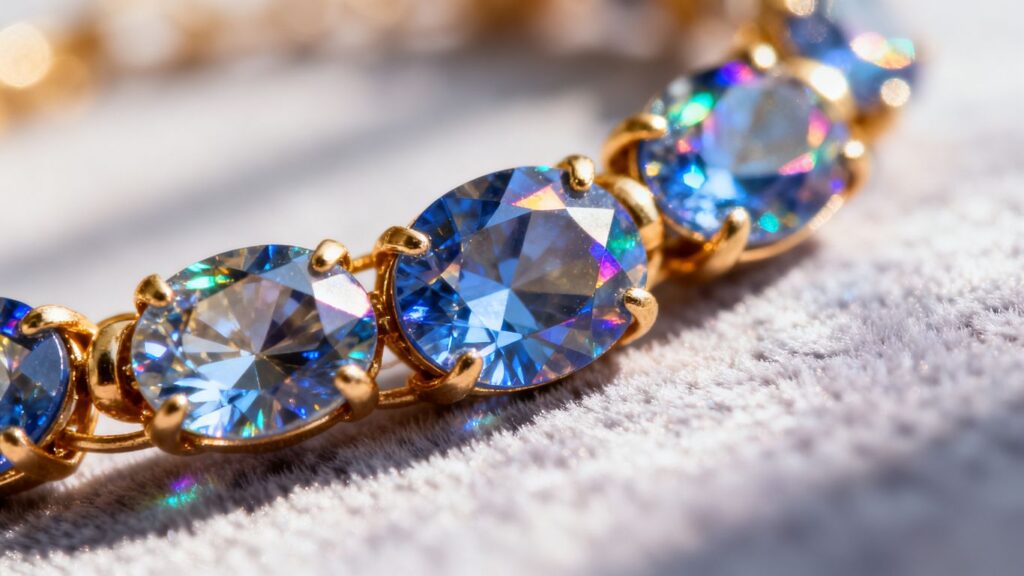
    Blue and golden zircon jewelry in sunlight
    Blue and golden zircon jewelry in sunlight

    Affordability and Accessibility

    One of zircon’s clearest advantages is that it can offer a gemstone appearance at a more approachable price than many high-demand alternatives. The final cost still depends on color, size, clarity, cut, treatment, metal, and workmanship, so “zircon” alone does not establish a fixed price. A careful shopper compares the full piece rather than judging value from carat weight alone.

    At BuyJewelleryOnline.net, buying advice and jewelry reviews are designed to help online shoppers compare pieces before purchasing. A zircon buying guide can also be useful when you are weighing natural stones against CZ listings and checking what a seller has actually described.

    Sparkle and Brilliance

    Zircon is known for lively brilliance and noticeable flashes of spectral color, particularly when it has been cut to make good use of its luster. This gives it a look that can feel bright and lively rather than flat. Whether it is a good diamond alternative depends on your expectations: it can provide impressive sparkle, but it remains a different gemstone with different care needs.

    Cut quality matters more than a generic promise of shine. Look at the stone in several kinds of light, paying attention to whether the center looks bright or dark and whether the facets return light evenly. A lively cut changes everything about how a modestly priced stone looks on the hand.

    Variety in Styles and Designs

    Zircon’s range of natural colors makes it adaptable to everyday jewelry, occasion pieces, and birthstone gifts. Blue is especially familiar, but warmer tones and unusual colors can create a more individual look. It works in rings, earrings, pendants, and bracelets, provided the setting suits the stone and the intended wear.

    When comparing designs, these practical details make the choice easier:

    • Choose a protective setting for a ring that may receive frequent knocks.
    • Consider earrings or pendants if you want lower-contact everyday wear.
    • Check whether the metal color complements the zircon’s natural or treated color.
    • Look for clear disclosure of stone type, treatment, dimensions, and return terms.

    That short list keeps style and practicality together. A dramatic color may be the reason you notice a piece, but the setting and wearing habits determine whether you continue enjoying it.

    The Cons of Buying Zircon Jewellery

    Zircon is attractive, but it is not a completely carefree stone. Its relative hardness does not make it immune to abrasion, and its faceted edges can be vulnerable when a piece is worn roughly or stored with harder jewelry. The pros and cons of zircon jewelry become clearer when you consider daily routine, not just the first impression in a product photograph.
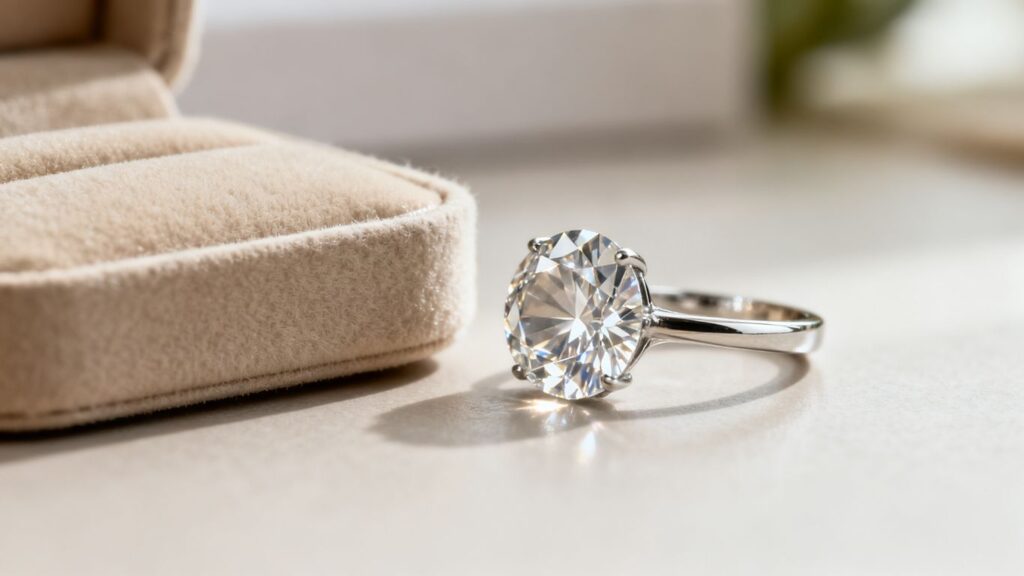
    Faceted zircon ring beside a soft jewelry pouch
    Faceted zircon ring beside a soft jewelry pouch

    Durability Concerns

    Zircon is suitable for jewelry, yet it can be more brittle and less scratch-resistant than a diamond. Rings receive the most contact with desks, counters, door handles, and other objects, so a zircon ring deserves more caution than a pendant or pair of earrings. The durability of zircon stones is therefore adequate for considered wear, rather than a promise of indestructibility.

    For a piece worn often, use a setting that gives the stone support and avoid wearing it during sports, heavy cleaning, gardening, or manual work. A simple care routine is easier to follow when it matches your lifestyle:

    1. Remove zircon jewelry before activities that may cause impact.
    2. Keep each piece separate so stones and facet edges do not rub together.
    3. Clean it gently with mild soapy water and a soft cloth.
    4. Have a jeweler check the setting if the stone feels loose.

    These habits do not eliminate risk, but they reduce the avoidable wear that can shorten a piece’s attractive life. If you want a daily ring and rarely remove jewelry, a more protective design may be the wiser choice.

    Potential for Cloudiness or Scratches

    Some zircon stones can have a cloudy or smoky appearance, and visible inclusions may affect how crisp the stone looks. Scratches and abrasion can also soften the sharp reflection that first attracted you. Examine photographs carefully, but remember that online images may be brightened or enlarged in ways that hide subtle texture.

    Ask for additional photographs or video when the listing is unclear, and check whether the stone has been treated. A reputable description should distinguish natural characteristics from damage and should not rely only on phrases such as “diamond-like.” The zircon buyer’s guide offers a useful framework for thinking about color, clarity, cut, carat weight, and storage before you commit.

    A little skepticism is healthy here. If the stone looks hazy in every view, or if the seller avoids answering basic questions about its identity and condition, move on rather than hoping the jewelry will look different when it arrives.

    Resale Value

    Zircon jewellery is usually purchased for its appearance and personal meaning, not as a guaranteed store of value. Resale depends on the stone’s color and quality, the metal, documentation, craftsmanship, condition, and the demand available when you sell. Fashion-oriented pieces may lose more of their original retail price because the setting and retail markup are not always recovered.

    That does not make zircon a poor purchase. It simply means the best value may be the pleasure of wearing an unusual gemstone, giving a thoughtful gift, or building a collection around color. Keep receipts, reports, and treatment information where available, since clear records can make a future assessment easier.

    Is Zircon Jewellery Worth It for You?

    The answer to “Is zircon jewellery worth buying?” depends on what you want the jewelry to do. If your priority is a colorful natural gemstone with strong sparkle at a manageable price, zircon may fit beautifully. If you need a stone that can tolerate constant impact with minimal care or you are buying mainly for resale, the decision deserves more caution.

    Start with the occasion and the setting. A pendant, earrings, or a carefully protected ring can be a comfortable match for many wardrobes, while a delicate stone in an exposed ring may not suit demanding daily routines. At BuyJewelleryOnline.net, practical reviews and buying advice can help online shoppers slow down, compare descriptions, and choose according to use rather than impulse.

    Before ordering, verify the stone identity, treatment disclosure, measurements, metal details, seller policies, and return window. Compare several photographs and ask what documentation accompanies the piece. You can also make a simple comparison across color, expected wear, budget, and emotional appeal; if the piece still feels right after that check, it is probably a good personal purchase.

    Conclusion: Yay or Nay for Zircon?

    Zircon gets a yay when you want genuine gemstone character, lively brilliance, and a wide choice of colors without treating the purchase as an investment. It is not cubic zirconia, and it should not be judged by the same expectations as either CZ or diamond. Its charm is its own mix of fire, individuality, and attainable style.

    The nay applies when a listing is vague, the setting offers little protection, or your lifestyle is hard on rings. Cloudiness, scratches, treatments, and uncertain resale value are not reasons to dismiss zircon, but they are reasons to inspect a piece carefully before paying. Good information turns those limitations into manageable trade-offs.

    For many shoppers, the fairest verdict is a careful yay: choose a well-described stone, match the design to how you will wear it, and care for it thoughtfully. BuyJewelleryOnline.net continues to focus on accessible jewelry reviews and buying advice, which is the kind of guidance that helps a beautiful choice remain a sensible one.

    Conclusion

    Zircon is a worthwhile choice for shoppers who value color, sparkle, and individuality, as long as they understand its care requirements and buy from a clear, trustworthy listing.

    Frequently Asked Questions

    Is natural zircon a real gemstone?

    Yes. Natural zircon is a genuine mineral gemstone formed in the earth, with its own composition, crystal structure, colors, and value factors.

    Is zircon the same as cubic zirconia?

    No. Zircon and cubic zirconia are different materials. Their similar names can cause confusion, but their origins, properties, and market meanings are not the same.

    Is zircon a good diamond alternative?

    It can be a good visual alternative for someone who wants sparkle and a distinctive natural stone at a different price point. It will not have exactly the same durability or market profile as diamond.

    Can zircon be worn every day?

    Zircon can be worn regularly with care, especially in protective settings. Remove it for strenuous activities and avoid impacts, harsh chemicals, and contact with harder jewelry.

    Does zircon scratch easily?

    Zircon is reasonably hard but can still scratch or abrade, particularly at facet edges. Separate storage and gentle cleaning help preserve its appearance.

    Why can zircon look cloudy?

    Some stones naturally have a cloudy or smoky appearance, while poor condition, surface abrasion, or unclear photography can also affect how the stone appears. Inspect the piece closely and ask questions before buying.

    Does zircon jewellery hold resale value?

    Resale value varies with color, quality, metal, condition, documentation, craftsmanship, and buyer demand. It is usually wiser to buy zircon for enjoyment than to assume a guaranteed financial return.
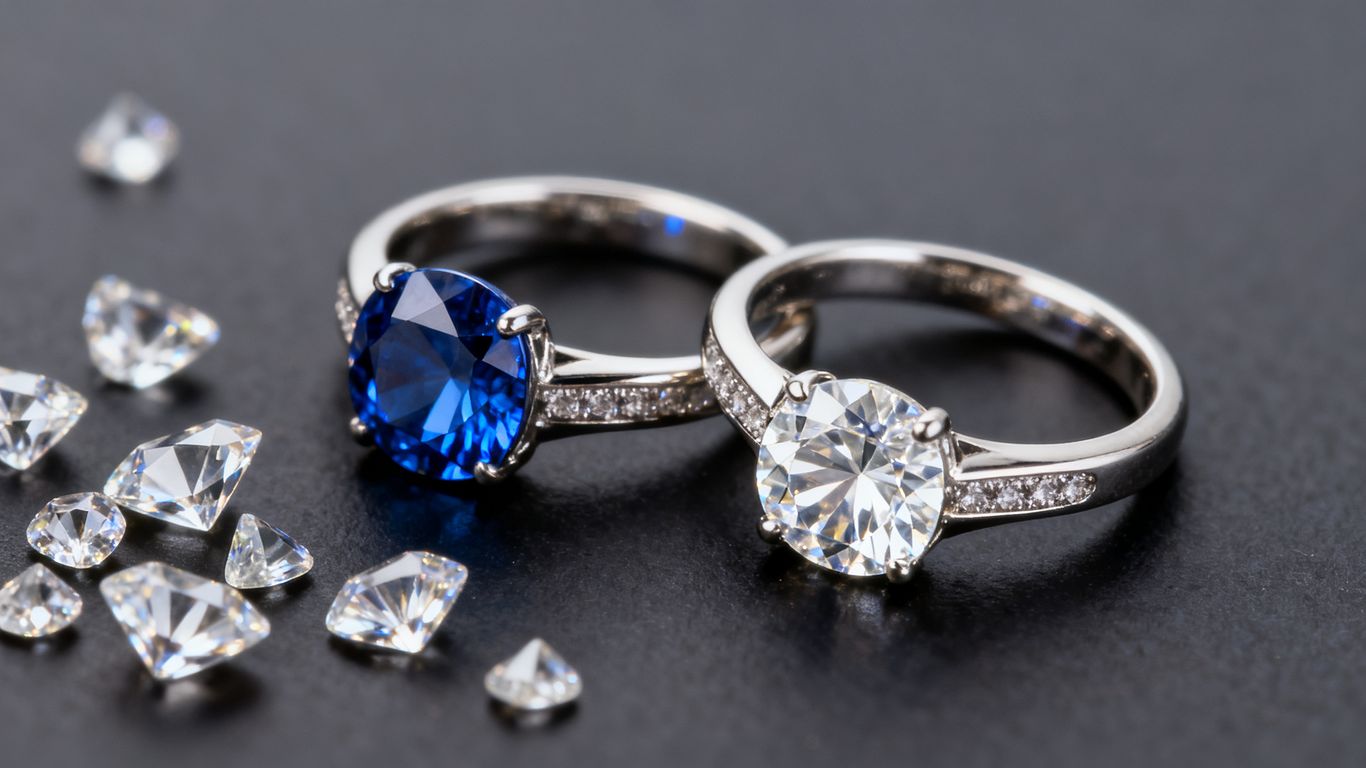
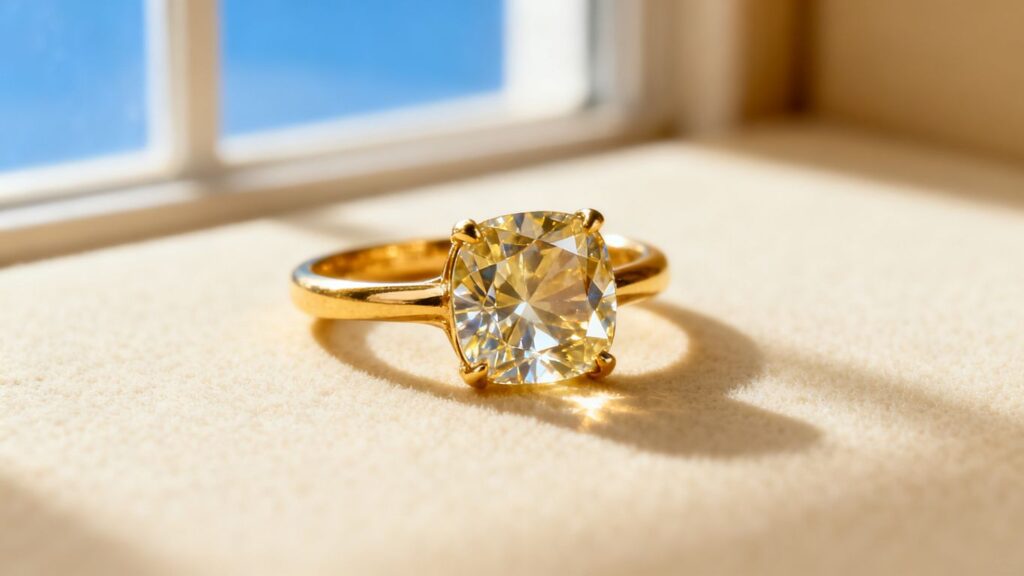
  • Zircon vs. Cubic Zirconia: What’s the Diff?

    Zircon vs. Cubic Zirconia: What’s the Diff?

    Key Takeaways

    Zircon and cubic zirconia may look alike at first glance, but they are different materials with different origins, structures, and wearing characteristics.

    • Zircon is a naturally occurring gemstone made of zirconium silicate.
    • Cubic zirconia, or CZ, is a lab-created form of zirconium dioxide.
    • Zircon has a softer, more varied appearance, while CZ is usually chosen for diamond-like sparkle.
    • Neither stone is a diamond, and each has its own visual appeal and practical trade-offs.
    • Cut, clarity, setting quality, and care matter just as much as the stone’s name when buying jewelry.

    Understanding Zircon: The Natural Gemstone

    Zircon is a natural mineral that has been used in jewelry for centuries. Its name is easily confused with zirconia, but the two are not interchangeable. Understanding its composition and natural origin makes the difference between zircon and CZ much easier to recognize.

    Natural zircon gemstone in jewelry setting
    Natural zircon gemstone in jewelry setting

    What is Zircon?

    Zircon is a natural zirconium silicate gemstone, with the chemical formula ZrSiO₄. It occurs in a range of colors, including colorless, blue, golden, red, brown, and green, depending on its composition and treatment history. Colorless zircon can resemble diamond, while colored varieties have a character that is distinctly their own. BuyJewelleryOnline.net offers natural zircon guidance for shoppers who want to compare authenticity, color, clarity, and care before purchasing.

    The word “zircon” refers to the natural gemstone, not to cubic zirconia. That distinction matters when reading an online product description, since a stone described as CZ is a synthetic diamond simulant rather than a natural zircon gemstone. A laboratory report can be useful when the identity or treatment of a valuable stone is uncertain.

    The History and Origins of Zircon

    Zircon forms naturally in geological environments and can survive for extremely long periods because of its durable crystal structure. Some zircon crystals are among the oldest known minerals on Earth, which gives the gemstone an unusual connection to geological history. In jewelry, however, its appeal is less about age alone and more about the way its color and light return vary from stone to stone.

    Natural zircon is recovered from mineral deposits and then cut for use in rings, earrings, pendants, and other jewelry. The finished appearance depends on the rough crystal, the cutter’s decisions, and the final polish. This natural variation is one reason two zircon stones of the same color can still look noticeably different.

    For buyers, origin is part of the value story, but it should not replace ordinary checks. Ask what the seller means by “zircon,” review the listed dimensions and treatments, and confirm the return policy. A clear description is especially helpful when shopping among imitation diamond alternatives.

    Zircon’s Properties: Hardness, Brilliance, and Color

    Zircon typically measures around 6.5 to 7.5 on the Mohs scale, so it is suitable for many types of jewelry but needs more care than a harder everyday-wear stone. It can show strong brilliance and noticeable fire, with flashes of spectral color that give it a lively appearance. Because zircon is naturally birefringent, some cuts may also show a subtle softness or doubling of facet edges when viewed closely.

    The best color is a matter of taste. Blue zircon is popular for its cool, bright appearance, while warm golden and reddish stones can feel richer and more traditional. When understanding gemstone clarity, remember that a natural stone may contain minor inclusions; these do not automatically mean it is unattractive or poorly made.

    A few practical habits help protect zircon jewelry during regular use:

    • Store each piece separately so harder items do not scratch the stone.
    • Remove zircon rings before strenuous work, cleaning, or exercise.
    • Use mild soap, lukewarm water, and a soft brush rather than harsh chemicals.
    • Ask a jeweler before using ultrasonic or steam cleaning, especially if the stone has been treated.

    These simple steps suit zircon’s moderate hardness and help preserve its polish. They also make it easier to enjoy a natural stone without treating it as though it had the same durability as diamond.

    Exploring Cubic Zirconia: The Diamond Simulant

    Cubic zirconia is a manufactured gemstone created to provide a bright, diamond-like appearance at a more accessible cost. It is often shortened to CZ, and it is widely used in fashion jewelry and fine-looking pieces. Although its name contains “zirconia,” it is not the same material as natural zircon.

    Brilliant cubic zirconia stone closeup

    What is Cubic Zirconia (CZ)?

    Cubic zirconia is the cubic crystalline form of zirconium dioxide, or ZrO₂. It is generally colorless in jewelry, although manufacturers can produce it in different colors. Its high refractive index and strong dispersion give it plenty of brightness and colorful flashes, making it a familiar diamond simulant rather than a synthetic diamond.

    That distinction is useful when comparing zirconia vs diamond. A simulant resembles another gem in appearance but does not share its chemical composition. CZ therefore offers its own combination of clarity, sparkle, weight, and price instead of being a laboratory version of diamond.

    How Cubic Zirconia is Made

    CZ is synthesized rather than mined as a finished gemstone. During production, zirconium dioxide is combined with a stabilizing material, commonly an oxide such as yttrium or calcium oxide, so that the cubic crystal structure can form and remain stable at ordinary temperatures. The resulting crystals are cut and polished much like other faceted gemstones.

    Manufacturing gives CZ a high degree of consistency. Stones can be made in calibrated sizes and a broad range of colors, which is useful for matching earrings, coordinated sets, or repeated design elements. Its lab-created origin also explains why it is commonly available in large, clean-looking stones.

    The production method does not make every CZ stone identical in appearance. Cut quality, facet proportions, polish, and color all affect the final result. A well-cut smaller stone may look more balanced than a larger stone with weak proportions or excessive color flashes.

    Cubic Zirconia’s Properties: Sparkle and Durability

    Cubic zirconia generally measures about 8 to 8.5 on the Mohs scale, making it harder than zircon and suitable for many everyday jewelry applications. It is still not as hard as diamond, so repeated contact with rough surfaces can eventually affect its polish. CZ is also denser than diamond, which means a stone of the same dimensions may feel heavier.

    Its optical character is usually bright and clean. CZ has a refractive index lower than diamond but higher dispersion, so its flashes can appear especially colorful. Some people prefer that vivid look; others favor the subtler, more varied appearance of a natural stone.

    A comparison is most useful when it includes the details that affect wear and appearance rather than focusing only on price. The natural zircon and CZ comparison gives readers another way to review the chemical, structural, and optical distinctions before choosing a piece.

    CZ is often a sensible choice for occasional jewelry, coordinated fashion pieces, or shoppers who want a larger diamond-like stone without the cost of diamond. It still deserves careful setting, sensible storage, and gentle cleaning so its surface remains bright.

    Key Differences: Zircon vs. Cubic Zirconia

    The phrase “Zircon vs cubic zirconia” describes a comparison between a natural gemstone and a lab-created material, not between two versions of the same stone. Their similar names are the main source of confusion. Once origin, hardness, and optical behavior are separated, the choice becomes much more straightforward.

    Origin: Natural vs. Lab-Created

    Natural zircon is mined as a mineral and then shaped, polished, and sometimes treated for jewelry use. Cubic zirconia is synthesized from zirconium dioxide and stabilizers before being cut into gemstones. In simple terms, zircon’s individuality comes from geological formation, while CZ’s consistency comes from controlled production.

    This difference can influence how a buyer thinks about rarity, matching, and value. Natural stones may show more variation in color and clarity, while CZ is easier to produce in uniform sizes and clean appearances. Neither origin automatically makes a piece the better choice; the right option depends on the design, budget, and intended wear.

    Hardness and Durability Comparison

    Hardness describes resistance to scratching, not immunity from damage. Zircon’s approximate Mohs range of 6.5–7.5 calls for thoughtful everyday care, while CZ’s range of 8–8.5 gives it a practical advantage for frequent use. Both can chip or lose polish if struck, poorly set, or exposed to abrasive conditions.

    FeatureNatural zirconCubic zirconiaWhy it matters
    OriginMined natural mineralSynthesized materialHelps clarify identity and expectations
    CompositionZirconium silicateZirconium dioxideSimilar names, different chemistry
    Typical hardnessAbout 6.5–7.5 MohsAbout 8–8.5 MohsAffects scratch resistance
    AppearanceVaried colors and natural characterConsistent, diamond-like brightnessGuides style and matching choices

    The table is a starting point rather than a complete buying verdict. Setting quality and care can make a meaningful difference, particularly for rings that receive more knocks than earrings or pendants. Reviews and buying advice from BuyJewelleryOnline.net can help shoppers weigh those practical details alongside design and price.

    Optical Properties: Brilliance and Fire

    Both materials can sparkle strongly, but they return light in different ways. Zircon’s birefringence can create a softer, sometimes slightly doubled facet appearance, while CZ is optically single-refractive and often looks very clean and bright. CZ may also show pronounced rainbow flashes because its dispersion is relatively high.

    Cut remains central to both stones. A symmetrical, well-polished stone can look lively even when its material is modestly priced, whereas a poorly proportioned cut may appear dull. Examine the stone under more than one type of light if possible, and pay attention to whether the sparkle feels crisp, fiery, soft, or overly colorful.

    For online shoppers, product wording should be read carefully. Look for the exact material, measurements, color, treatment information, and photographs taken at useful angles. BuyJewelleryOnline.net provides jewelry reviews and buying advice for consumers comparing these details, which can be more helpful than relying on a familiar-sounding name alone.

    Conclusion

    Zircon and cubic zirconia are separate gemstones with different chemistry, origins, optical traits, and care needs. Zircon offers natural variation and geological character, while CZ provides consistent, lively sparkle and practical hardness at an accessible price. Knowing the difference lets you choose based on the look and use you actually want, rather than on a confusing name.

    Frequently Asked Questions

    Is zircon the same as cubic zirconia?

    No. Zircon is a naturally occurring zirconium silicate gemstone, while cubic zirconia is a lab-created zirconium dioxide material used as a diamond simulant.

    Is zircon a real gemstone?

    Yes. Natural zircon is a genuine gemstone formed in geological environments and cut for jewelry. It is not a synthetic substitute for another stone.

    Is cubic zirconia a fake diamond?

    CZ is best described as a diamond simulant. It can resemble diamond visually, but its chemical composition and crystal structure are different.

    Which is harder, zircon or cubic zirconia?

    Cubic zirconia is generally harder, measuring about 8–8.5 on the Mohs scale. Zircon usually measures around 6.5–7.5, so it requires more care against scratches.

    Does zircon sparkle like a diamond?

    Zircon can be highly brilliant and show colorful fire, but its optical behavior differs from diamond. Its natural colors and possible facet doubling also give it a distinctive appearance.

    Can cubic zirconia be made in different colors?

    Yes. Although colorless CZ is common, the material can be produced in several colors for different jewelry designs.

    Which stone is better for everyday jewelry?

    The answer depends on the piece and how it will be worn. CZ has a hardness advantage, while zircon can work well with protective settings and careful handling, particularly in earrings and pendants.