Key Takeaways
Cleaning your favorite accessories at home is a simple process that helps maintain their luster and value over time. By understanding why tarnish forms, you can better protect your collection and reduce the need for harsh, frequent cleanings.
- Tarnish occurs as a natural reaction between silver and airborne sulfur compounds.
- Avoid exposing your jewelry to harsh chemicals like bleach or chlorine during daily activities.
- Simple household ingredients like baking soda effectively restore shine to metal accessories.
- Proper storage in airtight containers prevents dust accumulation and moisture-induced dullness.
- Regular, gentle maintenance is the most effective way to keep your pieces looking new.
- Why Do Silver Anklets Tarnish?
- Gather Your Silver Cleaning Supplies
- Method 1: The Baking Soda and Aluminum Foil Trick
- Method 2: Gentle Soap and Water Wash
- Method 3: Using Commercial Silver Polish
- Tips for Maintaining Your Silver Anklets
- When to Seek Professional Cleaning
- Conclusion
- Frequently Asked Questions
Why Do Silver Anklets Tarnish?
Understanding the science behind dull jewelry is the first step toward better maintenance. Tarnish is a thin layer of corrosion that naturally develops on the surface of silver, resulting from a chemical reaction between the metal and sulfur compounds present in the atmosphere. Contrary to some myths, it isn’t caused by simple oxidation through water, but rather by the presence of these specific environmental pollutants that bond with the silver alloy.
Your daily habits play a significant role in how quickly this dull coating develops. Body oils, perfumes, lotions, and even sweat can accelerate the reaction, especially on items like anklets that remain against the skin throughout the day. When these substances combine with the humidity of the surrounding air, they create an environment that encourages tarnish, leaving your once-bright jewelry looking dark or gray.
Proper storage is essential to slowing this process down. Since most standard jewelry boxes are not perfectly airtight, silver will still tarnish even if it spends most of its time packed away. Finding a spacious jewellery box can help protect your pieces from dust and extreme moisture, ensuring your collection remains protected when you are not wearing your anklets. The goal is to minimize exposure to open air, which is the primary actor in the tarnishing cycle.
Gather Your Silver Cleaning Supplies
Common Household Items for Cleaning Silver
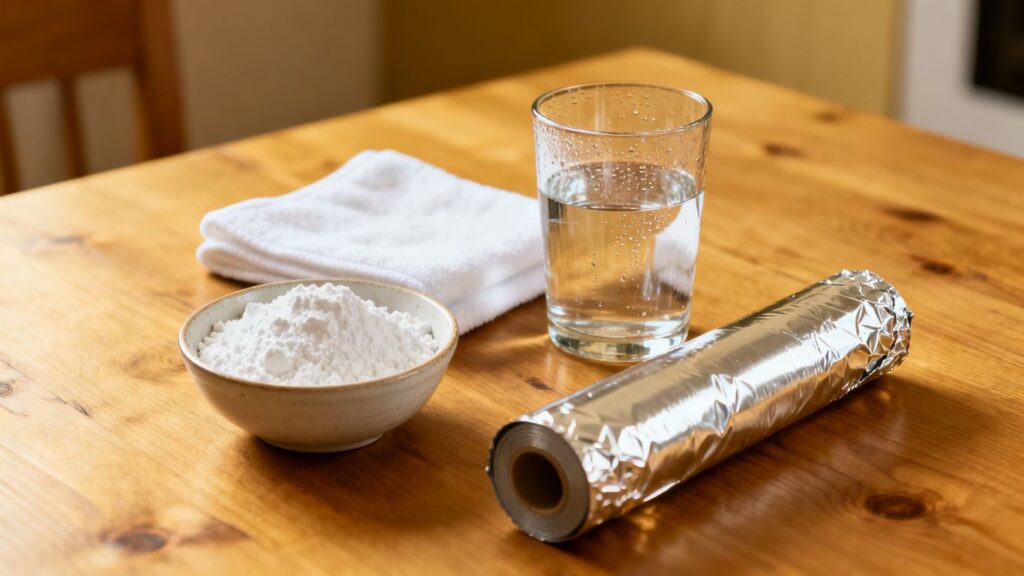
Most people unknowingly possess everything they need to restore their jewelry in their own kitchen cabinets. You likely have basic items that serve as an excellent diy silver cleaner for accessories, such as simple baking soda, warm water, and mild dish soap. These elements are non-abrasive when used correctly, making them safe for many types of silver ornaments. You should also gather soft, lint-free cloths for drying and polishing once the cleaning process is complete.
Specialized Silver Cleaning Products
If you prefer a more tailored approach, consider investing in dedicated silver cleaning solutions formulated to treat metal gently. While DIY methods are fantastic for light maintenance, these products are often designed to reach into tight crevices or intricate link patterns where a cloth might struggle to reach. When using these, always check the manufacturer’s directions to confirm they are safe for your specific type of alloy, ensuring you restore shine to silver ornaments without using harsh abrasives that could lead to scratches.
Method 1: The Baking Soda and Aluminum Foil Trick
Step-by-Step Instructions
This classic chemistry-based approach is often cited as the best way to shine metal anklets because it uses an ion exchange process to physically pull the tarnish away. Start by lining a small glass bowl with a sheet of aluminum foil, making sure the shiny side faces up. Place your tarnished silver jewelry directly onto the foil and sprinkle one or two tablespoons of baking soda over it. Carefully pour boiling water into the bowl and watch for the chemical reaction, which often features harmless bubbles that signal the tarnish is moving from the jewelry to the foil.
To ensure consistent results, follow this simple breakdown for the materials and timings required during the process:
| Item | Importance | Timing |
|---|---|---|
| Aluminum Foil | Chemical catalyst | 5 minutes |
| Baking Soda | Cleaning agent | 5 minutes |
| Boiling Water | Solvent heat | 5 minutes |
- Prepare the bowl by lining it entirely with the foil.
- Add the baking soda as the primary cleaning agent.
- Pour the hot water and let the pieces sit undisturbed to let the chemical transfer complete.
- Rinse the items thoroughly in cool water afterward to remove residue.
Once finished, lift the anklets out of the water and use a soft cloth to gently pat them dry until they sparkle. This method is highly effective for heavy buildup that standard water washes cannot remove, and it remains one of the most reliable ways to polish tarnished silver jewelry effectively.
Method 2: Gentle Soap and Water Wash
When to Use This Method
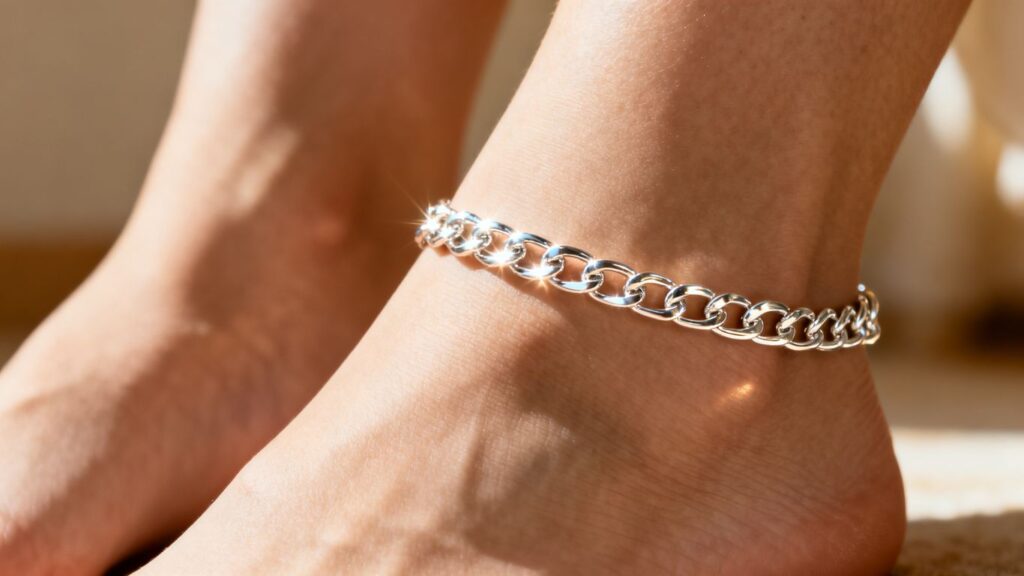
This method is perfect for routine maintenance rather than deep restoration. If your jewelry has only minor dullness or has been exposed to dust after a long period of storage, a simple soapy soak is the safest route. It is particularly gentle for pieces with delicate hinges or small beads, as it avoids the vigorous scrubbing sometimes needed with harsher acidic cleaners. You should use this approach if you are looking to keep your anklets shiny without the need for intensive chemical reactions.
How to Perform the Wash
Start by mixing a small amount of mild, non-phosphate dish soap into a bowl of warm water until a light lather forms. Submerge your silver pieces and let them sit for about five to ten minutes, which allows the soapy water to loosen any surface oils. If there appears to be stubborn dirt in the links, take a soft-bristled toothbrush and use very light circular motions to brush the area. After rinsing with clear water to ensure no soap residue remains, dry the piece completely with a soft cloth to prevent water spots.
When dealing with everyday wear, using customizable jewellery options can often lead you to select designs that are easier to clean and manage. Sometimes, knowing exactly what to do helps immensely, and you can always check our comprehensive jewellery portal for more advice on keeping your accessories in pristine condition. Always remember that thorough drying is just as important as the washing step, as residual moisture can actually trap dust and cause the metal to dull faster than if you had left it alone.
Method 3: Using Commercial Silver Polish
Using a professional polish is a great middle ground between DIY methods and expert intervention. These products are manufactured specifically to strip away layers of oxidation without causing microscopic abrasions to the silver surface. Many modern polishes also include a protective agent that creates a microscopic film, which helps keep the jewelry shiny for a significantly longer period after use.
When applying these polishes, it is essential to use a clean, dedicated microfiber cloth. Apply a small amount of the solution to the cloth, not directly to the anklet, to maintain better control and prevent over-saturation. Gently buff the piece in long, steady strokes, working the product into the intricate design of the ankle chain, then wipe away any excess to reveal the brand-new luster beneath.
It is beneficial to read the back of the bottle before you begin, as some harsher industrial polishes are meant strictly for heavy silverware rather than sensitive personal jewelry. If the tag mentions it is for fine jewelry items, you can proceed with confidence, knowing the formula is safe for delicate metals. Keeping a high-quality jewellery box nearby will allow you to store the piece immediately after polishing, ensuring the protective coating stays intact for as long as possible.
Tips for Maintaining Your Silver Anklets
Daily habits are the biggest factor in how often you will need to clean your jewelry. Try to apply your lotions, perfumes, and hairsprays before putting on your anklets, as the chemicals in these products can react poorly with silver and lead to accelerated tarnishing. By waiting for your skin products to dry completely, you ensure that the metal encounters only clean skin rather than a cocktail of substances that may dull the finish.
Proper storage is another critical aspect of maintenance that many people ignore. When you are active, such as going to the gym or doing deep household cleaning, it is often best to set your jewelry aside in a secure, dry location. Keeping your collection organized in a dedicated jewelry keeper ensures that each piece remains separate, preventing tangling and potential scratches, which can invite tarnish into the surface texture over time.
Finally, make it a habit to wipe your anklets down with a soft, clean cloth after every use. A few seconds of care before placing them back into your storage container removes the oils from your skin before they have a chance to settle into the metal. This consistent and gentle care is the surest way to preserve the original shine of your silver, meaning you will spend less time cleaning and more time enjoying your favorite pieces.
When to Seek Professional Cleaning
There are situations where home remedies might fall short or potentially cause damage to a beloved piece. If your anklet features delicate gemstones, intricate filigree, or vintage solder points, DIY methods can sometimes cause as much harm as good. A professional jeweller has the right equipment, such as ultrasonic cleaners, that vibrate dirt and tarnish out of even the smallest gaps without any abrasive physical contact.
If you find that your jewelry remains discolored despite your best scrubbing, it may indicate a chemical or structural issue that requires an expert’s eye. Sometimes, silver plated items may appear tarnished when, in reality, the top layer has begun to wear away completely through constant friction against the skin. A jeweler can determine if the piece needs a simple professional polish or a full re-plating to bring back that original look you fell in love with.
Ultimately, if a piece holds high sentimental or financial value, consult a professional rather than experimenting with an unknown solution. They can also offer personalized storage advice based on the unique alloys and stone settings in your collection. Relying on an expert ensures that your jewelry remains intact and beautiful for years to come, and buying jewellery online from reputable sources often gives you direct access to these types of post-purchase support services.
Conclusion
Bringing the sparkle back to your anklets is a rewarding project that transforms dull, stored items into vibrant accessories ready to wear again. By choosing the right method for your specific piece and focusing on consistent, gentle maintenance, you can keep your silver collection brilliant and beautiful for a lifetime.
Frequently Asked Questions
Can toothpaste be used to clean silver anklets?
While some sources suggest toothpaste, it is often too abrasive for fine silver and can leave permanent micro-scratches on the surface of your jewelry.
How often should I clean my silver anklets?
Cleaning is only necessary when you notice a visible dullness; for most, this means a quick wipe-down every few weeks and a deeper clean once every few months.
Does swimming in a pool affect silver jewelry?
Yes, the chlorine present in pool water is highly reactive with silver and can cause rapid, severe tarnishing that is difficult to remove without professional help.
Are there any natural ways to prevent tarnish?
Storing your silver with a silica gel packet or a small piece of chalk inside your jewelry box helps absorb moisture and sulfur in the air, slowing down the tarnish process.
Can I use vinegar to clean my silver?
Vinegar can be used in combination with baking soda to form a foam that cleans effectively, but you must be careful not to let the soak time become too long due to the acidity.
Why does my silver tarnishes faster than someone else’s?
Everyone has a unique body chemistry, and factors like your diet, medications, or skin acidity levels can influence how quickly the silver on your skin reacts with the environment.
Should I use paper towels to dry my silver?
Avoid using paper towels, as they often contain wood fibers that can be slightly abrasive to silver; instead, always opt for a soft, clean cotton or microfiber cloth.