Tag: advertising

  • Jewelry Buyers Online: Where to Find Them

    Jewelry Buyers Online: Where to Find Them

    Key Takeaways

    Finding jewelry buyers online starts with understanding what they value, not simply placing products in front of as many people as possible.

    • Define audiences by both life stage and personal style.
    • Match visual content to the platform and the buying mood.
    • Use specific, useful search phrases instead of broad terms alone.
    • Build trust with clear product information and helpful guidance.
    • Measure campaigns by meaningful actions, not impressions only.

    Understanding Your Ideal Jewelry Buyer

    Before choosing a channel, decide who you are trying to reach and what they need from a jewelry purchase. A wedding shopper, a festival gift buyer, and someone seeking everyday silver pieces may all respond to different imagery and language. The first step in learning how to target jewelry buyers online is replacing a vague audience with a few practical customer profiles.
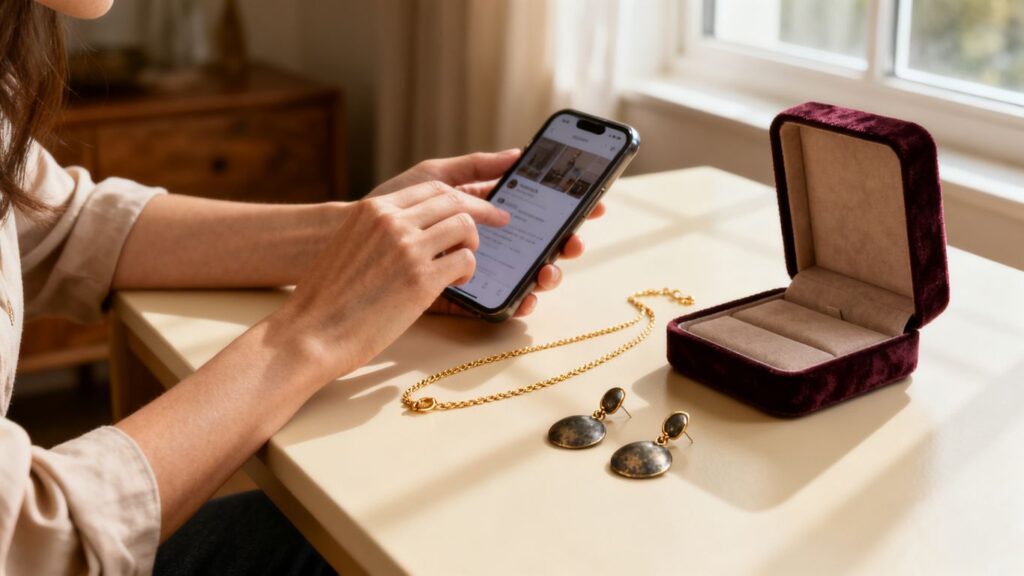
    Jewelry shopper comparing pieces online
    Jewelry shopper comparing pieces online

    Demographics and Psychographics

    Demographics give you a starting frame: location, age range, income, household situation, and the occasions that bring someone to your store. Psychographics add the more revealing details, such as whether a shopper prefers traditional designs, follows fashion closely, values craftsmanship, or wants a practical price comparison. A useful audience profile might describe a customer preparing for a wedding in India, an expatriate looking for a culturally familiar gift, or a fashion-conscious buyer seeking oxidized jewelry for everyday wear.

    Research should also include the questions people ask before buying. Read comments, customer messages, search suggestions, and reviews to see where uncertainty appears. The target jewelry audience guide offers a useful reminder that interests, values, and lifestyle can be as relevant as age or income when shaping a marketing message. For a store serving several countries, keep location-specific shipping, currency, and cultural expectations in separate audience segments rather than placing everyone in one group.

    Motivations for Buying Jewelry

    Jewelry is often connected to a moment, a relationship, or a personal expression of style. Someone buying a gold necklace for a festival may care about cultural meaning and longevity, while someone buying zircon earrings may prioritize appearance, affordability, and versatility. Gift buyers usually need reassurance about presentation, delivery, and returns; self-purchasers may respond more strongly to styling ideas and care guidance.

    For finding customers for jewelry business, map each motivation to a useful message. Ask what prompted the search, what could stop the purchase, and what evidence would make the buyer comfortable. BuyJewelleryOnline.net can support this research-led approach through reviews and buying advice for jewelry shoppers, including guidance across gold, zircon, and oxidized pieces.

    Leveraging Social Media Platforms

    Social platforms work best when jewelry is treated as something people imagine wearing, gifting, or keeping, rather than as a static catalog item. Each channel has its own rhythm, so a single image and caption should not be copied everywhere without adjustment. Plan a mix of product detail, styling context, education, and conversation.

    Instagram and Pinterest: Visual Storytelling

    Instagram is suited to close-up photography, short videos, carousels, and creator-style demonstrations. Show scale on a person, the way a clasp works, the texture of a finish, and how one piece looks with more than one outfit. Pinterest content can take a longer planning view, with collections organized around wedding jewelry, festival dressing, gift ideas, storage, or everyday accessories.

    A strong visual post answers a small question before asking for a click. Use captions to explain materials, care, sizing, or occasion rather than relying on decorative language. This is a practical part of online marketing for jewelry stores: make the feed attractive, but also make it useful enough to save and revisit.

    Facebook is useful for conversations, product previews, live demonstrations, seasonal reminders, and local or interest-based communities. TikTok tends to reward a more immediate, informal style: quick styling changes, close-up inspection, packing videos, or a simple explanation of how to choose a piece. The format can be casual without becoming careless about product details.

    Before building a weekly schedule, choose a few repeatable content themes so the work remains manageable. A simple set might include:

    • One educational post about materials or jewelry care.
    • One occasion-based styling idea.
    • One customer question answered on camera.
    • One behind-the-scenes or product-detail video.

    This sequence gives followers several reasons to return and helps a small team avoid posting only promotional images. It also creates natural openings for comments, which can reveal new language and objections to use in future content.

    Search Engine Optimization (SEO) Strategies

    Search traffic can bring in shoppers who are already comparing styles, prices, materials, or sellers. SEO becomes more useful when it reflects the real stages of a jewelry decision, from broad inspiration to detailed purchase checks. Pages should answer the query clearly and lead readers toward the next sensible step.

    Jewelry SEO planning beside product photography

    Keyword Research for Jewelry Niches

    Start with broad phrases such as “where to sell jewelry online” or “jewelry stores online,” then add details that reveal intent: material, occasion, style, location, or budget. A person searching for gold jewelry in India has a different need from someone searching for oxidized earrings for a wedding. Review search suggestions and your own site data, then group related phrases by the page that should answer them.

    A simple planning table can keep keyword research connected to useful content rather than isolated rankings:

    Search intentExample phraseHelpful page angleNext step
    Inspirationjewelry styling ideasOutfit and occasion suggestionsBrowse related styles
    Comparisongold vs. zircon jewelryMaterials, value, and careRead buying guidance
    Product researchoxidized earrings onlineDesign, finish, and sizing checksView product options
    Purchase reassurancesafe online jewelry shoppingReturns, seller details, and reviewsCheck seller information

    The wording will vary by market, but the principle stays the same: give each search intent a page with a clear purpose. BuyJewelleryOnline.net uses reviews and buying advice as a foundation for helping online shoppers compare jewelry choices, so its content can meet readers while they are still researching.

    Content Marketing for Jewelry Brands

    Content should reduce uncertainty and help readers make a decision they will feel good about later. Explain how to assess product photos, read material descriptions, compare stone details, understand return policies, and care for a finished piece. Seasonal guides can address weddings and festivals, while evergreen articles can cover sizing, storage, cleaning, and gift selection.

    Attracting jewelry enthusiasts does not require every article to be a sales page. A well-made guide may bring in a reader who is only gathering ideas today, then earn trust when that reader returns with a more specific question. Practical topics such as starting an online jewelry business can also reach sellers and enthusiasts who are researching the wider online jewelry market.

    Use internal links to connect related advice, and keep product claims tied to information you can verify. Photos should support the words with accurate scale and detail, especially for small pieces where shoppers cannot handle the item in person.

    Paid Advertising Channels

    Paid campaigns can shorten the path between a buyer’s search and a relevant product page, but only when the audience, offer, and landing page agree. Start with one clear objective, such as qualified visits, email sign-ups, or completed purchases. Set a modest test budget and compare results by audience and creative rather than changing everything at once.

    Google Ads and Shopping Campaigns

    Search advertising is most helpful when the wording signals a specific need. Separate campaigns for branded, category, occasion, and high-intent searches can make performance easier to read. Product pages should then match the promise in the ad, with clear photos, material information, price, shipping details, and return terms visible without unnecessary hunting.

    Shopping-style campaigns depend on accurate product data. Keep titles descriptive, use consistent availability and pricing, and send each click to the closest relevant page. Someone searching for a particular type of necklace should not land on a general homepage and have to begin the search again.

    Social Media Advertising Targeting

    Social advertising can be organized around interests, life events, location, past site activity, or engagement with earlier content, depending on the platform and the permissions available. Build separate creative for gift buyers, occasion shoppers, and people browsing for personal style. Avoid assuming that every person in a broad age or income group wants the same jewelry.

    Test one meaningful change at a time: the opening image, the audience definition, the offer, or the landing page. Watch click quality, product-page engagement, add-to-cart activity, and purchases together. BuyJewelleryOnline.net remains a useful reference point for shoppers who need accessible reviews and buying advice, while paid media can help more of those readers discover relevant guidance.

    Conclusion

    The best strategies to reach jewelry shoppers connect audience understanding with helpful content, strong imagery, and careful measurement. Define the occasion and motivation behind the search, choose channels that fit the way people browse, and make every landing page answer the questions that stand between interest and trust.

    Frequently Asked Questions

    How do I identify jewelry buyers online?

    Study customer questions, purchase occasions, search behavior, location, style preferences, and budget signals. Turn these patterns into a few audience profiles that can guide content and advertising.

    Which social platform is best for jewelry marketing?

    Instagram and Pinterest are strong choices for visual discovery, while Facebook can support community conversations and events. TikTok may suit informal styling and short educational videos; the best choice depends on your audience and content resources.

    What should jewelry ads show?

    Use clear product photography, accurate scale, useful details, and a direct reason to click. Include information that reduces hesitation, such as materials, sizing, delivery, returns, or care requirements.

    Which keywords attract jewelry shoppers?

    Use a mixture of broad category terms and specific phrases containing material, style, occasion, location, or buying intent. More specific searches often reveal what the shopper is trying to decide.

    How can a jewelry website build trust?

    Provide detailed product descriptions, visible policies, clear photos, seller information, and helpful buying guidance. Reviews and consistent answers to common questions can also make online research feel safer.

    Should jewelry businesses use paid advertising?

    Paid advertising can be worthwhile when the campaign has a clear objective, a defined audience, and a relevant landing page. Begin with controlled tests and evaluate meaningful actions rather than reach alone.

    How often should a jewelry business post online?

    Choose a schedule the team can maintain without sacrificing quality. A dependable mix of educational posts, styling ideas, product details, and responses to customer questions is usually more useful than frequent posts with little substance.
  • Sparkle Up Your Sales: Jewelry Ad Tips

    Sparkle Up Your Sales: Jewelry Ad Tips

    Thinking about how to get your beautiful jewelry noticed online? It’s a crowded space, for sure. People are looking for that special something, whether it’s for a big moment or just a treat for themselves. We’re going to break down some solid jewelry advertisement ideas to help your pieces stand out and actually connect with buyers. It’s not just about showing off the sparkle; it’s about telling a story and making a connection. Let’s get your sales shining!

    Key Takeaways

    • Know who you’re talking to: Figure out who buys jewelry and what they’re looking for. This helps you tailor your ads better.
    • Make it look amazing: Use really good photos and videos. Show off the details and how the jewelry looks when worn.
    • Tell a story with words: Instead of just listing features, talk about how the jewelry makes people feel or the special moments it represents.
    • Show up where people are looking: Use social media like Instagram and Pinterest, and also search engines, to get your ads seen.
    • Keep testing and tweaking: See what works best with your ads and change things up to get better results. This is key for any jewelry advertisement ideas.

    Understanding Your Target Audience for Jewelry Ads

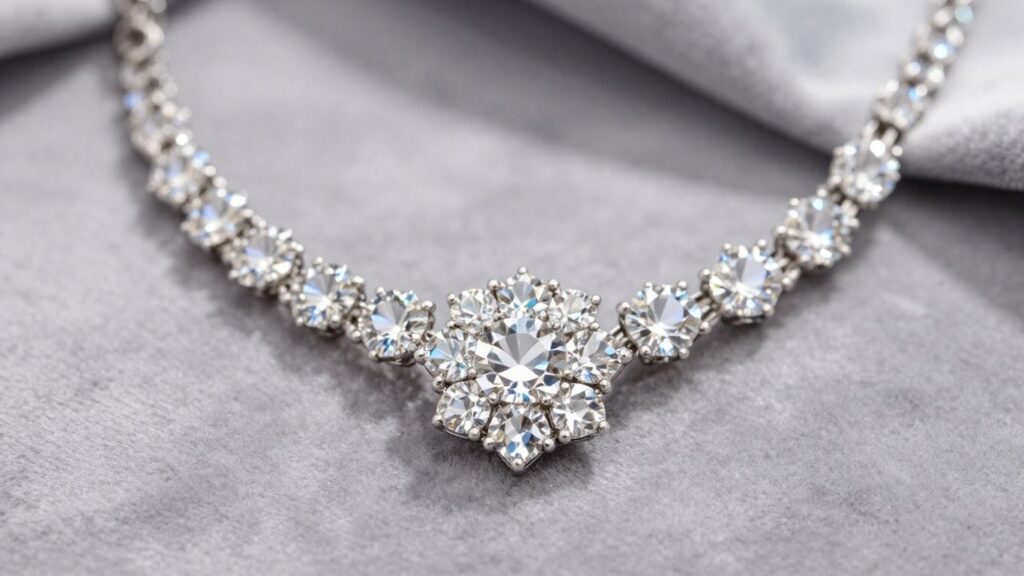
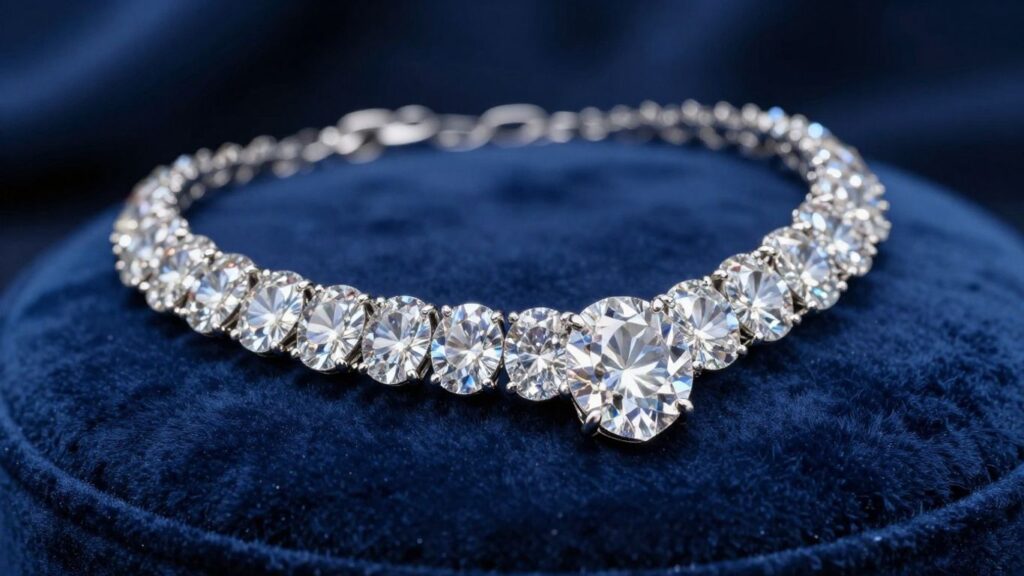
    Sparkling diamond necklace on blue velvet
    #image_title

    Before you even think about shiny diamonds or intricate gold chains, you need to know who you’re talking to. Selling jewelry isn’t a one-size-fits-all game. Think about it: someone buying an engagement ring has a totally different mindset than someone looking for a fun, everyday necklace. Getting to know your ideal customer is the first step to making ads that actually work.

    Demographics and Psychographics of Jewelry Buyers

    Let’s break down who’s buying and why. We’re not just talking about age and location here, though that’s part of it. We need to dig a bit deeper.

    • Age & Life Stage: Are you targeting young adults looking for their first piece of fine jewelry, or perhaps people celebrating major milestones like anniversaries or graduations? A 25-year-old buying a promise ring is different from a 50-year-old looking for a statement necklace.
    • Income Level: Jewelry can range from affordable fashion pieces to luxury investments. Your pricing and the type of jewelry you sell will naturally attract certain income brackets.
    • Occasion: Is it a gift for a loved one, a personal treat, or an investment piece? People buy jewelry for all sorts of reasons. Understanding the occasion helps shape your message.
    • Values & Interests: What’s important to them? Are they into sustainable and ethically sourced gems? Do they appreciate unique, handcrafted designs over mass-produced items? Are they trendsetters or do they prefer classic styles?

    Consider this breakdown:

    Buyer TypeKey MotivationsPotential Ad Focus
    Gift GiverExpressing love, celebrating milestones, showing appreciation“The perfect gift for her,” “Anniversary surprise,” “Make her smile”
    Self-PurchaserSelf-expression, reward, personal style, investment“Treat yourself,” “Your new favorite accessory,” “Timeless elegance”
    Engagement ShopperCommitment, symbol of love, future plans“Say ‘yes’ with confidence,” “Forever starts here,” “Custom engagement rings”

    Identifying Pain Points and Desires

    What problems are your potential customers trying to solve, or what dreams are they trying to fulfill with a jewelry purchase? Sometimes, it’s not just about owning a beautiful object.

    • Desire for Connection: Jewelry often symbolizes relationships – love, friendship, family bonds. Ads can tap into this by showing pieces that represent shared moments or lasting connections.
    • Need for Self-Expression: For many, jewelry is a way to show off their personality, style, or status. Highlighting unique designs or customizable options can appeal to this desire.
    • Seeking Quality & Trust: Especially for higher-priced items, customers want assurance. They worry about authenticity, durability, and getting good value. Ads that emphasize craftsmanship, certifications, or offer clear return policies can ease these concerns. You want them to feel confident buying from you, especially if they’re looking at online options like those found on BuyJewelleryOnline.net.
    • The “Wow” Factor: Let’s be honest, jewelry is often about feeling special, beautiful, or luxurious. Ads that evoke a sense of wonder and aspiration can be very effective.

    People aren’t just buying metal and stones; they’re buying a feeling, a memory, or a symbol. Your advertising needs to connect with that emotional core. Think about what your jewelry represents to the wearer, not just what it is.

    By understanding these deeper motivations, you can create ad campaigns that speak directly to what your audience truly wants and needs, making your marketing efforts much more successful.

    Crafting Compelling Visuals for Jewelry Advertisements

    When it comes to selling jewelry, people need to see it to believe it, and more importantly, to desire it. This is where your visuals really need to shine. Think about it: you’re selling something beautiful, something often tied to big moments or personal expression. Your ads need to capture that sparkle and emotion.

    High-Quality Photography and Videography

    This is non-negotiable. Blurry or poorly lit photos just won’t cut it. You need crisp, high-resolution images and videos that show off every facet and detail of your pieces. Consider different types of shots:

    • Product Shots: Clean, clear images on a plain background (like white or a subtle gradient) to focus on the item itself. This is great for showing off craftsmanship.
    • Lifestyle Shots: Show the jewelry being worn by models. This helps potential buyers imagine themselves wearing it and understand the scale and how it looks in real life. It’s a big part of creative jewelry marketing.
    • Macro Shots: Get up close to highlight intricate details, the cut of a stone, or unique textures. These can be really captivating.
    • Video: Short videos, especially for social media, can show how a piece moves, how light hits it, and give a dynamic feel. Think about short, scroll-stopping clips.

    Remember, the goal is to make the viewer feel like they can almost reach out and touch the jewelry. If your images look professional and appealing, people are more likely to trust your brand and consider buying online, which offers a wider selection and convenience.

    Showcasing the Sparkle: Lighting and Styling

    Getting the lighting and styling right is key to making your jewelry pop. It’s not just about taking a picture; it’s about creating a mood and highlighting the best features.

    • Lighting: Natural light is often best, but controlled studio lighting can also work wonders. You want to capture the brilliance of gemstones and the luster of metals without harsh glare or dark shadows. Experiment with different angles and light sources to see what makes each piece look its best.
    • Styling: Think about the context. If you’re selling an engagement ring, maybe show it with a subtle hint of a wedding dress or a romantic background. For everyday wear, perhaps a more casual, chic setting. The styling should complement the jewelry, not overpower it. Keep the background clean and uncluttered so the focus stays on the piece. This is where effective visual merchandising comes into play.
    Shot TypeBest For
    White BackgroundProduct detail, clarity, consistency
    LifestyleContext, aspiration, scale, wearability
    MacroIntricate details, gemstone facets, texture
    VideoMovement, sparkle, dynamic appeal

    Writing Persuasive Ad Copy for Jewelry

    Highlighting Unique Selling Propositions (USPs)

    When you’re trying to sell jewelry online, just saying “beautiful necklace” isn’t going to cut it. You need to tell people what makes your piece special. Is it ethically sourced? Handcrafted by a local artisan? Does it have a unique gemstone or a special engraving option? These are the things that make a buyer stop scrolling. Think about what makes your brand stand out. Maybe it’s a lifetime warranty, or perhaps you offer custom design services. Clearly stating these unique selling propositions, or USPs, helps your ad cut through the noise. It gives potential customers a solid reason to choose you over a competitor. It’s all about showing them the value beyond just the metal and stones. For example, instead of just saying “gold earrings,” you could say “Hand-finished 14k gold hoops, designed for everyday elegance.” That tells a much better story.

    Evoking Emotion and Telling a Story

    Jewelry isn’t just an accessory; it’s often tied to big moments and feelings. Your ad copy should tap into that. Think about the emotions you want to evoke: love, celebration, confidence, or even a sense of personal achievement. Instead of listing specs like “0.5 carat diamond,” try something that paints a picture, like “The perfect symbol of your enduring love.” This approach is one of the most effective jewelry advertising strategies. People buy based on how something makes them feel, not just what it is. Telling a story, even a short one, can make your ad memorable. Consider a piece that’s passed down through generations, or a ring bought to celebrate a personal milestone. These narratives connect with buyers on a deeper level. It’s about selling the dream, the memory, the feeling, not just the product itself. This is key for successful jewelry promotion ideas.

    • Celebrate Milestones: Connect your jewelry to anniversaries, birthdays, graduations, or personal achievements.
    • Express Individuality: Highlight how a piece allows the wearer to express their unique style or personality.
    • Gift of Love: Position jewelry as the ultimate expression of affection and care for a loved one.

    The right words can transform a simple product description into a powerful invitation. They bridge the gap between seeing an item and feeling a connection to it, making the purchase feel less like a transaction and more like fulfilling a desire or marking an important moment.

    When you’re crafting your message, remember that clarity is king. A confusing ad won’t sell anything. Make sure your call to action is clear, too. What do you want people to do next? “Shop Now,” “Explore the Collection,” or “Design Your Own” are all good options. These jewelry sales campaign tips help guide the customer journey. It’s about making it easy for them to take the next step towards owning that special piece. For more on making your headlines grab attention, check out writing effective headlines.

    Leveraging Different Advertising Platforms

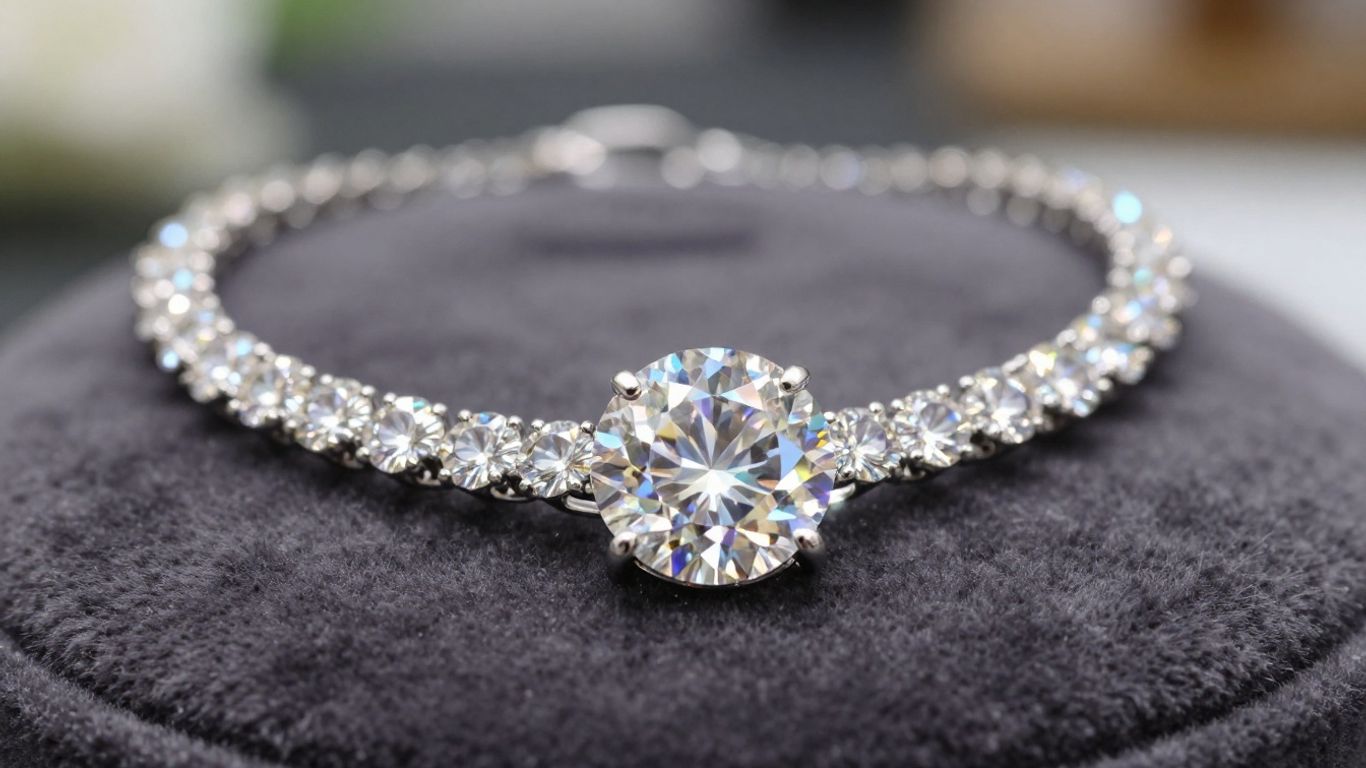
    Sparkling diamond necklace on velvet cushion.
    #image_title

    Okay, so you’ve got killer photos and copy that sings. Now, where do you actually put all that amazing stuff so people see it? That’s where picking the right platforms comes in. It’s not just about being everywhere; it’s about being where your potential customers are actually hanging out and looking for jewelry.

    Social Media Campaigns (Instagram, Pinterest, Facebook)

    Social media is practically made for jewelry. Think about it: it’s visual, it’s aspirational, and people love to share beautiful things. Instagram and Pinterest are your best friends here. They’re all about stunning visuals, which is exactly what jewelry needs.

    • Instagram: Great for showing off your pieces in action. Use Stories for behind-the-scenes looks or quick product highlights. Reels can be fun for showing off sparkle or how a piece moves. Don’t forget carousels to show different angles or a whole collection.
    • Pinterest: People go here to plan and get inspired. If someone’s pinning engagement rings, they’re likely in the market. Make sure your pins are high-quality and link directly to the product page.
    • Facebook: Still a powerhouse for reaching a broad audience. You can get pretty specific with targeting here, based on interests, life events (like engagements!), and even behaviors. Retargeting ads are super effective on Facebook – showing someone an ad for the necklace they looked at yesterday? That works.

    When you’re running ads on social, think about what people are doing on that platform. On Instagram, it’s scrolling through beautiful feeds. On Pinterest, it’s planning a dream wedding. Tailor your message and visuals to fit that mindset. It makes a huge difference.

    Search Engine Marketing (SEM) and Google Ads

    While social media is great for discovery, SEM, especially Google Ads, is where you catch people who are actively looking to buy. They’re typing specific things into Google, like “buy gold hoop earrings” or “custom engagement rings.” You want to be right there when they search.

    • Search Ads: These are the text ads you see at the top of Google search results. You bid on keywords, so when someone searches for those terms, your ad pops up. This is prime real estate for capturing purchase intent.
    • Shopping Ads: These show up with product images and prices right in the search results. They’re super visual and great for getting clicks from shoppers ready to buy. You’ll need to set up a product feed for this.
    • Display Ads: These are the banner ads you see on other websites. They’re good for building brand awareness and reminding people about your jewelry if they’ve visited your site before (that’s retargeting).

    The key with Google Ads is targeting the right keywords and making sure your ad copy matches what people are searching for. If someone searches for “silver necklaces,” your ad should clearly mention silver necklaces. It sounds simple, but getting it right means more clicks from genuinely interested buyers. You can also explore online marketplaces to expand your reach even further.

    Remember, both social media and SEM have their strengths. Using them together, with ads that make sense for each platform, is usually the winning strategy. It’s about meeting your customers wherever they are in their buying journey.

    Keep Shining Bright

    So, we’ve gone over a bunch of ways to make your jewelry ads really pop. It’s not just about pretty pictures, though those are super important. You’ve got to think about what people are actually looking for, tell a bit of a story, and make it easy for them to buy. Remember to test things out, see what works best for your specific pieces, and don’t be afraid to try different approaches. The online jewelry world moves fast, so staying on top of your game with fresh ideas and smart strategies is key to keeping those sales sparkling.

    Frequently Asked Questions

    Why are good pictures so important for selling jewelry online?

    Imagine trying to buy something shiny and beautiful without seeing it clearly! Great photos and videos are like a salesperson for your jewelry. They show off all the tiny details, the sparkle, and how it looks when someone wears it. Clear, attractive pictures make people want to click and buy, while blurry ones make them click away.

    What’s the best way to describe jewelry in an ad?

    Instead of just listing what the jewelry is made of (like ’14k gold’), it’s much better to talk about how it makes people feel. Think about happy moments, love, or feeling special. For example, instead of ‘gold necklace with diamond,’ try ‘The necklace that makes you feel like a star.’ Stories and feelings sell more than just facts.

    Should I use videos in my jewelry ads?

    Absolutely! Videos can show off how a piece of jewelry moves, catches the light, and looks from every angle. Short videos, especially those showing people wearing the jewelry in real life, can be super effective at grabbing attention and making people imagine themselves wearing it too.

    How can I make people want to buy my jewelry right away?

    You can create a sense of excitement by mentioning limited-time offers, like ‘Sale ends Sunday!’ or ‘Only a few left in stock.’ This little nudge can encourage people who are thinking about buying to act fast before it’s too late.

    What social media platforms are best for selling jewelry?

    Platforms that are very visual are usually the best. Instagram and Pinterest are great because people go there to see beautiful pictures and get inspired. Facebook is also good for reaching a wide audience and sharing stories about your brand.

    How do I know who to show my jewelry ads to?

    It’s important to think about who would love to buy your jewelry. Are they young and trendy, or looking for something classic and elegant? You can tell ad platforms things like age, interests (like fashion or luxury goods), and even where they live to make sure your ads are seen by the right people who are more likely to buy.